Chihuahua temperament: what they’re really like
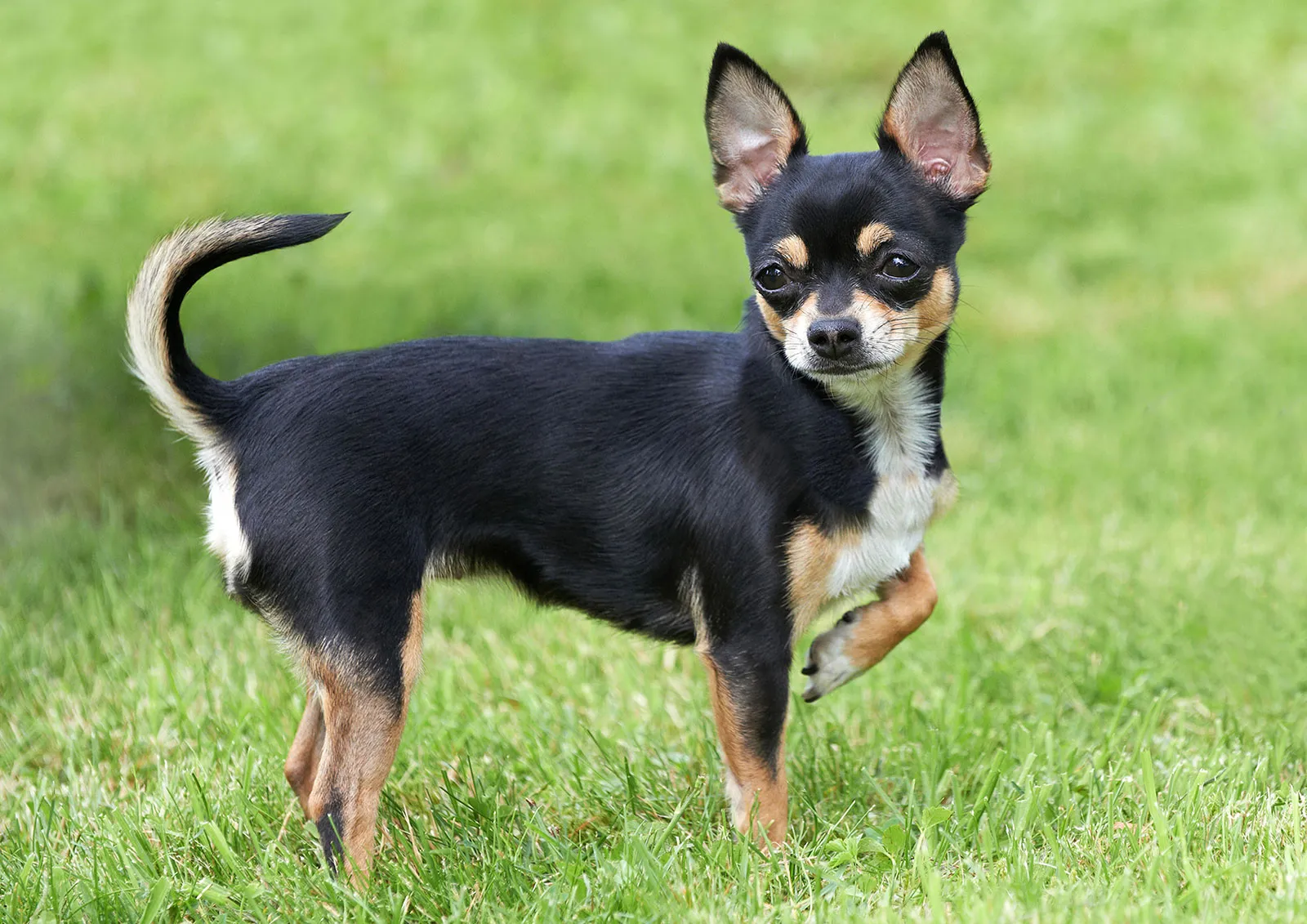
The chihuahua temperament is famous for packing a huge personality into a tiny body. Chihuahuas are loyal, bold, affectionate and alert, and they have a reputation for being feisty, but much of that reputation comes from how they are raised rather than who they really are.
We are AKC chihuahua breeders in Michigan, and we have raised and watched many litters grow into adults. This guide explains the true chihuahua temperament, what shapes it, how chihuahuas behave with family, strangers, children and other pets, and how to raise a confident, friendly dog.
The Chihuahua Club of America breed standard describes the breed as alert, with a saucy expression and terrier-like qualities of temperament. You can read more on the AKC chihuahua page.
Core chihuahua temperament traits
Every dog is an individual, but the chihuahua temperament has some traits you will see again and again. These are the qualities owners mention most.
- Loyal: chihuahuas bond deeply and love to be close to their people.
- Alert: they notice everything and announce visitors with gusto.
- Confident: many act as if they are much bigger than they are.
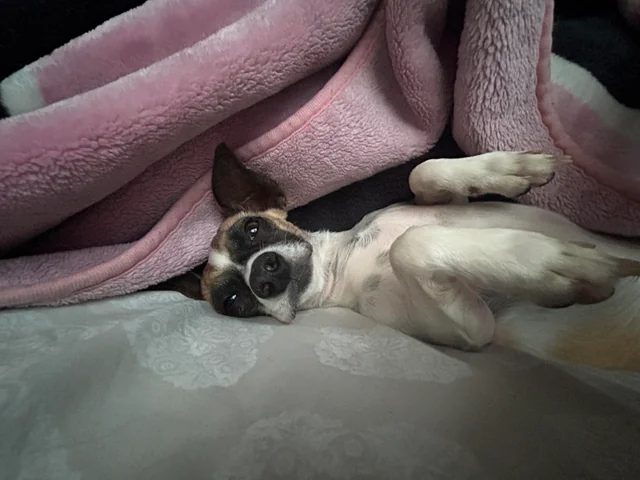
- Affectionate: most adore cuddles, laps and burrowing under blankets.
- Sensitive: they pick up on moods and dislike harsh handling.
- Playful: they enjoy short bursts of play and games with toys.
- Clever: quick to learn, and quick to learn bad habits too.
Put together, these traits make a devoted companion with a lot of character. They also mean a chihuahua needs gentle guidance to turn that confidence into calm good manners.
The typical chihuahua temperament is loyal, alert, affectionate and bold, often bonding closely with one person and wary of strangers. Chihuahuas aren’t naturally aggressive; fear and poor socialization cause most snapping. Early socialization and gentle, positive training raise a confident, friendly dog.

Chihuahua temperament at a glance
| Trait | Typical level | What it means for you |
|---|---|---|
| Affection with family | Very high | Expect a lap dog that follows you around |
| Openness to strangers | Low to moderate | Needs early, gentle socialization |
| Good with young children | Moderate | Best with calm, older children and supervision |
| Good with other dogs | Moderate | Often best with other small dogs |
| Barking | High | A keen watchdog; teach a “quiet” cue early |
| Energy | Moderate | Short walks and indoor play are enough |
| Trainability | Moderate to high | Smart but can be stubborn; use rewards |
| Need for company | Very high | Doesn’t like long periods alone |
Loyalty and bonding
Chihuahuas are true companion dogs. Many follow their favorite person from room to room and want to be part of everything.
This closeness is one of the best parts of the chihuahua temperament, but it means chihuahuas don’t do well left alone for long hours. Our guides on why your chihuahua follows you everywhere and why your chihuahua stares at you explain this bonding behavior.
Many chihuahuas pick a favorite person, often the one who feeds and walks them most. Sharing care, play and training across the family helps your dog bond with everyone.
The truth about “small dog syndrome”
People often blame the chihuahua temperament for snappy, demanding behavior, sometimes called “small dog syndrome”. In reality, most of it comes from how small dogs are treated, not from the breed itself.
- Small dogs are often picked up instead of being trained to walk away or settle.
- Growling is laughed off as cute instead of addressed.
- They are carried everywhere, so they never learn to cope with new situations.
- Rules that apply to big dogs, like not jumping up, are skipped.
Treat a chihuahua like a real dog, with clear, kind rules and plenty of chances to explore, and that so-called syndrome rarely appears. A confident chihuahua is calmer, not bossier.
Chihuahua temperament with strangers
Chihuahuas are naturally reserved with people they don’t know. Some will bark, back away or hide behind their owner when a stranger approaches.
Socialization in puppyhood makes a big difference. Puppies who meet many calm, friendly people, with treats and no pressure, usually grow into adults who warm up quickly.
Ask visitors to ignore your chihuahua at first and let the dog come to them. Being reached for or picked up by strangers is one of the main reasons chihuahuas snap.
Chihuahuas with children
The chihuahua temperament can suit families, but chihuahuas are fragile and easily hurt by rough play or falls. They do best with calm, older children who understand how to be gentle.
A frightened chihuahua may nip to protect itself, so supervision and simple rules are essential. Children should sit on the floor to hold the dog and let it walk away when it wants.
Our guides on whether chihuahuas are good with kids and chihuahuas and babies cover this in more detail.
With other dogs and pets
Many chihuahuas prefer the company of other chihuahuas or small dogs. They can get along with larger dogs too, but size differences mean play must be supervised.
Chihuahuas often have no idea how small they are and may challenge much bigger dogs. Careful introductions and a calm, confident owner help prevent trouble.
With cats, a well-socialized chihuahua often becomes a good companion. See our guides to chihuahuas and cats, chihuahuas and other pets and how to introduce a second chihuahua.
Barking and watchdog instincts
Barking is part of the chihuahua temperament. Chihuahuas are alert little watchdogs, and they will let you know about visitors, delivery drivers and leaves blowing past the window.
You can’t stop a chihuahua from ever barking, but you can teach a “quiet” cue and reduce triggers. Rewarding calm behavior works far better than shouting, which can sound like joining in.
Our guide on why chihuahuas bark so much explains the causes and solutions.
Energy and play
In terms of energy, the chihuahua temperament sits comfortably in the middle, with moderate energy. They enjoy short walks, indoor games and play sessions, followed by long naps in a warm spot.
Mental exercise matters as much as physical exercise for this clever breed. Puzzle toys, short training games and sniffing walks keep them content.
See our chihuahua exercise guide and best toys for chihuahuas for ideas that suit a tiny dog.
Intelligence and training
Chihuahuas are smart and pick up new cues quickly, especially when food is involved. The challenge in the chihuahua temperament is a stubborn streak that shows up when training feels boring or forced.
- Keep sessions to five minutes or less.
- Use small, tasty treats and lots of praise.
- End on a success, while your dog still wants more.
- Be consistent with rules across the whole family.
- Never use harsh corrections, which can make a sensitive chihuahua fearful.
House training often takes longer than other skills because of their tiny bladders. Our training tips and potty training guide show what works.
Does coat or head type change chihuahua temperament?
Some owners believe long-coat chihuahuas are calmer and smooth coats are livelier. Others say the same about deer-head and apple-head dogs, but there is no reliable evidence that coat or head type changes the chihuahua temperament.
Individual dogs vary far more than any type. Two puppies from the same litter, with the same coat, can have very different personalities.
If you are weighing up types, read our comparisons of long coat vs smooth coat and apple head vs deer head chihuahuas, and choose on care needs and looks rather than expected personality.
Building confidence in a shy chihuahua
Some chihuahuas are naturally more cautious, and a shy dog can become fearful without help. The good news is that a timid chihuahua temperament can grow much more confident with patient, gentle work.
- Let your dog approach new things at its own pace, never forcing it.
- Pair new sights and sounds with tasty treats.
- Give it a safe den, like a covered crate, to retreat to.
- Teach simple tricks, which build confidence through success.
- Keep greetings calm, and avoid crowding or looming over your small dog.
- Celebrate small wins, like sniffing a new person’s hand.
Progress can be slow, measured in weeks rather than days. If fear is severe, ask your vet about a referral to a qualified behavior professional.
Chihuahua temperament at the vet and on the go
Vet visits, grooming and travel reveal a lot about the chihuahua temperament. A dog that is relaxed at home may be nervous in a busy clinic or a moving car.
Practice short, happy car rides and visits to the vet just to say hello and get a treat. Handle paws, ears and mouth gently at home so exams feel familiar.
A soft carrier with a familiar blanket helps many chihuahuas feel safe while traveling. Our first vet visit guide and travelling with a chihuahua guide share more tips.
Temperament in apartments and busy homes
The chihuahua temperament suits apartment life well, thanks to their size and moderate exercise needs. The main challenge is noise: hallway sounds and neighbors can set off barking.
White noise, a cozy spot away from the door and a “quiet” cue all help. Busy homes with lots of visitors work best when the chihuahua has a calm retreat it can use whenever it likes.
In a well-run home, the chihuahua temperament adapts surprisingly well to city or suburban life, as long as it gets plenty of company.
Chihuahua temperament by age
Personality changes as a chihuahua grows up. Knowing what to expect at each stage helps you respond the right way.
| Age | Typical behavior | Focus |
|---|---|---|
| 8 to 16 weeks | Curious, cuddly, learning fast | Gentle socialization and handling |
| 4 to 12 months | Playful, testing boundaries, teething | Consistent rules and chew toys |
| 1 to 3 years | Energetic young adult, settling down | Training, exercise and routine |
| 3 to 10 years | Calmer, confident companion | Mental enrichment and healthy weight |
| 10 years and over | Slower, sleepier, very affectionate | Comfort, warmth and vet checks |
Our senior chihuahua care guide covers how to support an older dog as its needs change.
What shapes chihuahua temperament
A puppy’s personality is shaped by three things: its parents, its first weeks of life and the way it is raised in its new home. The chihuahua temperament you end up with depends on all three.
- Genetics: calm, friendly parents tend to have calm, friendly puppies.
- Early socialization: the first 12 to 16 weeks are a key window for meeting people, sounds and places.
- Home environment: clear routines, kind training and enough company help a chihuahua feel secure.
- Health: pain, dental problems or poor sleep can make any dog grumpy.
This is why choosing the right breeder matters so much. Our guide to chihuahua socialization explains how to continue the work at home.
Choosing a puppy with good temperament
When you meet a litter, in person or on video, look for these signs of a balanced puppy.
- Curious and happy to approach people.
- Relaxed when picked up and handled.
- Recovers quickly from a sudden noise.
- Plays well with littermates without being a bully.
- Has a calm, friendly mother you can meet.
A good breeder knows each puppy’s personality and will help match you. Our guides on how to choose a chihuahua breeder and male vs female chihuahua can help you decide.
Common behavior issues and fixes
| Behavior | Common cause | What helps |
|---|---|---|
| Snapping or biting | Fear, pain or rough handling | Gentle handling, space, vet check |
| Excessive barking | Alert instinct, boredom | Quiet cue, enrichment, fewer triggers |
| Guarding toys or food | Insecurity | Trading games, calm management |
| Shaking or hiding | Cold, fear or anxiety | Warmth, safe space, confidence building |
| Crying when left | Separation anxiety | Gradual alone-time training |
| Accidents indoors | Small bladder, cold weather | Frequent breaks, indoor options |
For more help, read our guides to chihuahua biting, resource guarding, anxiety and separation anxiety.
Myths about chihuahua temperament
| Myth | The truth |
|---|---|
| Chihuahuas are naturally aggressive | Fear and poor socialization cause most snapping |
| They only love one person | Most bond with the whole family when care is shared |
| They can’t be trained | They learn quickly with short, positive sessions |
| They’re yappy no matter what | Barking can be reduced with training and enrichment |
| Small dogs don’t need socializing | Small dogs need it just as much as big dogs |
Most of these myths come from chihuahuas that were carried everywhere and never taught how to cope. A well-raised dog shows the best of the chihuahua temperament: brave, loving and fun.
Is the chihuahua temperament right for you?
The chihuahua temperament suits people who want a devoted, portable companion and can give plenty of time and attention.
| A chihuahua may suit you if… | A chihuahua may not suit you if… |
|---|---|
| You are home a lot, or can take your dog with you | Your dog would be alone all day |
| You want a loyal, cuddly companion | You want a dog that loves every stranger |
| You live in an apartment or small home | You have very young, boisterous children |
| You enjoy short walks and indoor play | You want a jogging or hiking partner |
| You will train kindly and consistently | You want a dog that needs no training |
If you are new to dogs, our guide to raising chihuahuas explains what day-to-day life looks like.
How we raise our puppies
At Chihuvas, we raise every puppy inside our Traverse City, Michigan home, with daily handling, household noise and gentle introductions to new people. We have found this early start brings out the best of the chihuahua temperament: steady, sweet and curious.
Our puppies come from AKC-registered, health-checked parents chosen for calm, friendly personalities. Each goes home with vaccinations, a microchip, a vet health certificate and a two-year genetic health guarantee, and we deliver nationwide by in-cabin chihuahua flight nanny.
Read how we raise chihuahua puppies, browse our available puppies, send us an inquiry or meet our family on our chihuahua breeder in Michigan page.
A chihuahua’s reputation is mostly earned by how it was started. Raise one gently and confidently, and you get the best little companion in the world.
Chihuvas breeding teamChihuvas is an AKC-registered Chihuahua breeder based in Michigan, and we deliver our puppies nationwide across the US. Every puppy is health-checked, vaccinated for their age and socialised from birth. See our available puppies or send us an inquiry.
Common questions about chihuahua temperament
Meet puppies raised for great temperament.
Every Chihuvas puppy is raised in our Michigan home with daily handling and gentle socialization. We deliver nationwide.
View available puppies →