
Chihuahua socialisation — how to stop fear and aggression early.
Chihuahua socialisation is the single most important thing you can do to prevent the fear, aggression, and reactive behaviour that gives this breed its unfair reputation. The snappy, trembling, barking-at-everything chihuahua that so many people associate with the breed is not a reflection of the chihuahua’s nature — it is a reflection of inadequate chihuahua socialisation during the critical early weeks and months of life, compounded by owners who unintentionally reinforce fearful behaviour by carrying, sheltering, and excusing their tiny dog instead of helping it develop confidence.
This guide covers when and how to start chihuahua socialisation, why the breed is particularly vulnerable to socialisation gaps, the specific techniques that work best for tiny dogs, how to socialise an adult chihuahua that missed its early window, and the mistakes that well-meaning owners make that actually create the behaviour problems they are trying to avoid. Everything here comes from our own experience and is consistent with positive reinforcement principles recommended by the American Kennel Club’s socialisation guidelines.
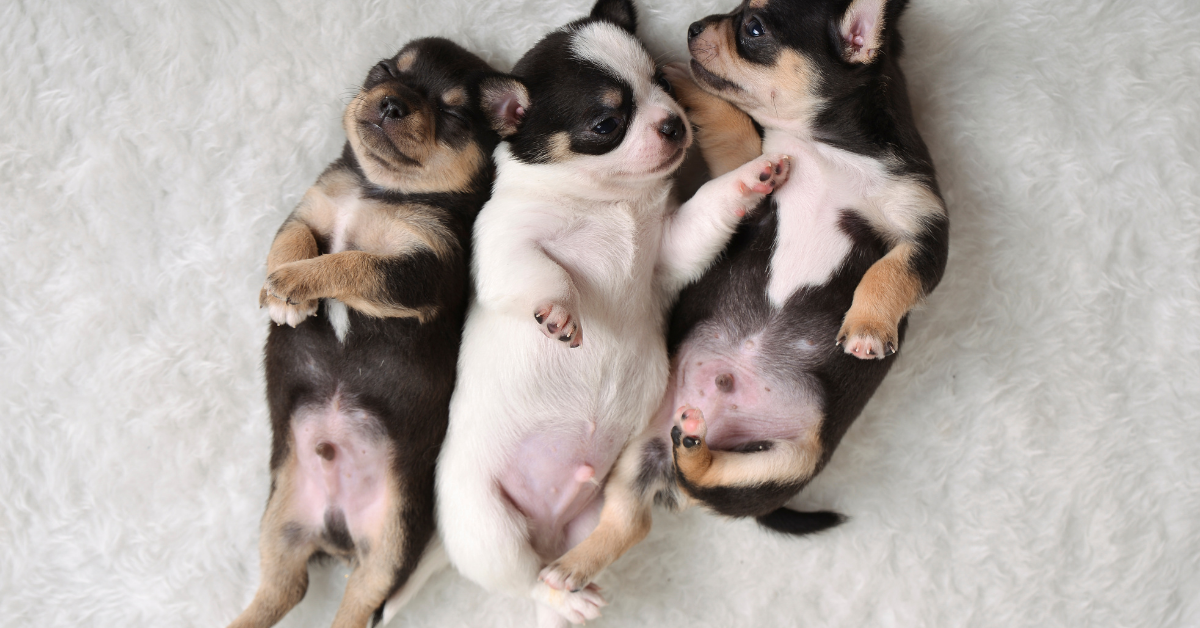
Chihuahua socialisation — why it matters more than for any other breed
Every dog benefits from socialisation, but chihuahua socialisation carries uniquely high stakes because of a phenomenon that affects small dogs disproportionately: small dog syndrome. This is not a medical condition — it is a pattern of learned behaviour where owners inadvertently teach their chihuahua that the world is dangerous and that fear-based responses are acceptable.
Here is how it typically works: a chihuahua puppy encounters something new — a stranger, a larger dog, a loud noise. The puppy shows hesitation, which is completely normal. Instead of allowing the puppy to investigate and learn that the situation is safe, the owner scoops the dog up, holds it close, and removes it from the situation. The puppy learns two things: the world is full of threats, and the correct response to anything unfamiliar is to signal distress until a human rescues me.
Over time, this pattern creates a chihuahua that barks, growls, snaps, and trembles at anything outside its narrow comfort zone — and owners label this as “the breed’s personality” rather than recognising it as a direct consequence of failed chihuahua socialisation. A properly socialised chihuahua is confident, curious, and friendly. The difference is entirely in how the dog was raised.
There is no such thing as a chihuahua that is “just like that.” There are only chihuahuas that were socialised and chihuahuas that were not. The behaviour you see is the behaviour you built.
Chihuvas experienceChihuahua socialisation — the critical window
The most important period for chihuahua socialisation is between 3 and 14 weeks of age. During this window, puppies are neurologically wired to approach new experiences with curiosity rather than fear. Every positive exposure during this period creates a lasting association that tells the puppy’s developing brain: this is normal, this is safe, this is part of my world.
After 14 weeks, the window begins to close. It does not slam shut — socialisation remains important and effective throughout a puppy’s first year — but the ease with which a puppy accepts new experiences decreases significantly. A chihuahua puppy that has had no positive exposure to other dogs, strangers, traffic, household sounds, or varied environments by 14 weeks has a much steeper hill to climb in developing confidence later.
| Age | Socialisation focus | Key principle |
|---|---|---|
| 3–5 weeks | Litter interaction, breeder handling | Foundation period (still with breeder) |
| 5–8 weeks | Household sounds, gentle handling, surfaces | Early exposure before coming home |
| 8–12 weeks | New people, safe dogs, environments, car rides | Peak openness — maximise positive experiences |
| 12–16 weeks | Expanding world — busier places, more variety | Window narrowing — continue actively |
| 4–6 months | Ongoing reinforcement, puppy classes | Consolidating confidence |
| 6–12 months | Adolescent regression — re-expose to old triggers | Normal setbacks — stay consistent |
The chihuahua socialisation window overlaps with the vaccination schedule, which creates a dilemma: your puppy needs exposure to the world before vaccines are complete. The solution is controlled socialisation — carrying your puppy in public to experience sounds and sights, visiting homes of vaccinated dogs, and avoiding high-risk areas like dog parks until vaccination is complete. Do not wait until all jabs are done — by then, the critical window has closed.
Chihuahua socialisation — age-by-age plan
Weeks 8–12: Foundation building
This is the golden period for chihuahua socialisation. Your puppy has just come home and is naturally curious about everything. Introduce them to as many positive new experiences as possible, keeping each one brief, low-pressure, and paired with treats and praise:
- People: Men, women, children, people wearing hats, glasses, uniforms, people with beards — variety matters
- Sounds: Doorbell, vacuum cleaner, washing machine, television, traffic from a safe distance, thunder recordings at low volume
- Surfaces: Carpet, tile, grass, gravel, metal grates, wood — different textures under their paws build confidence
- Handling: Touching ears, paws, mouth, tail — prepares for vet visits and grooming throughout their life
- Safe dogs: One or two calm, vaccinated adult dogs for gentle, supervised interaction
Weeks 12–16: Expanding the world
As vaccinations progress, chihuahua socialisation can move into busier environments. Visit the outside of shops, walk near (not through) busy areas, sit outside a café with your puppy on your lap watching the world go by. The goal is exposure at a distance your puppy can handle — not immersion in overwhelming situations.
Months 4–6: Consolidation
Puppy socialisation classes designed for small breeds are invaluable during this period. They provide structured, controlled exposure to other dogs and people in a safe environment with professional guidance. For chihuahua socialisation specifically, look for classes that separate small and large breed puppies, as a boisterous Labrador puppy can terrify a chihuahua and set back weeks of progress in a single moment.
Months 6–12: Adolescent regression
Many chihuahuas go through a fear period during adolescence where previously accepted things suddenly become scary again. This is normal and temporary — but it requires you to go back to basics with chihuahua socialisation. Re-expose your puppy to triggers they previously handled well, using the same gentle, positive approach. Do not assume your work is done just because your puppy was confident at 4 months.
Chihuahua socialisation — techniques that work for tiny dogs
Let them set the pace
The most fundamental principle of chihuahua socialisation is that the dog controls the approach distance. Never force your chihuahua toward something they are uncertain about. Instead, allow them to approach at their own speed, retreat when they want to, and return when curiosity overcomes hesitation. This builds genuine confidence rather than learned helplessness.
Pair everything new with something good
Every new experience during chihuahua socialisation should be associated with treats, calm praise, or play. Stranger appears? Treat. Loud noise? Treat. New surface? Treat. Over time, the chihuahua’s brain rewires: new things predict good things. This is classical conditioning and it is the most reliable method of building positive associations in any dog.
For chihuahua socialisation, use tiny pieces of high-value treats — small cubes of chicken, cheese, or liver — not their regular kibble. The reward needs to be special enough to outcompete the anxiety of a new experience. Cut treats to pea-sized pieces because chihuahuas fill up quickly and you need dozens of repetitions per session.
Keep sessions short
Chihuahuas have small bodies and limited emotional bandwidth. A chihuahua socialisation session that lasts 5 to 10 minutes and ends on a positive note is far more effective than a 30-minute session that pushes the dog past their threshold into fear or shutdown. Always end before your chihuahua reaches their limit — ending on a win creates a positive association with the entire experience.
Use parallel walking for dog introductions
When socialising your chihuahua with other dogs — especially larger ones — parallel walking is the safest and most effective technique. Both dogs walk in the same direction with a comfortable gap between them, gradually decreasing the distance over multiple sessions as both dogs remain calm. This avoids the head-on, face-to-face greeting that many chihuahuas find threatening and that frequently triggers reactive behaviour.
Chihuahua socialisation — what if your adult chihuahua missed the window?
Chihuahua socialisation is harder with adults, but it is absolutely possible. If you have adopted or rescued a chihuahua that displays fear, aggression, or reactive behaviour, the approach is the same principles applied more slowly and more patiently:
- Identify triggers: What specifically makes your chihuahua react? Other dogs? Strangers? Sounds? Environments? List every trigger.
- Find the threshold distance: How far away can the trigger be before your chihuahua notices but does not react? That distance is your starting point.
- Counter-condition: At threshold distance, pair the trigger’s appearance with high-value treats. Trigger appears = chicken appears. Trigger disappears = chicken disappears. Repeat dozens of times over multiple sessions.
- Gradually decrease distance: Over weeks and months, slowly close the gap as your chihuahua learns that triggers predict good things rather than danger.
- Never punish fear: Shouting at, yanking, or correcting a frightened chihuahua makes the fear worse, not better. Fear is not a choice — it is a physiological response that requires patience, not punishment.
If your chihuahua’s fear or aggression is severe — biting, uncontrollable panic, aggression toward family members — seek a qualified canine behaviourist (not just a trainer). Look for certifications like CCAB, APBC membership, or equivalent. Adult chihuahua socialisation with significant behavioural issues benefits enormously from professional guidance tailored to your specific dog.
Chihuahua socialisation — mistakes that create the problems you want to prevent
Carrying your chihuahua through everything
This is the number one chihuahua socialisation killer. Picking up your chihuahua every time they encounter something new teaches them that the world is too dangerous to navigate on their own feet. Let your chihuahua walk, explore, and approach things independently whenever it is safe to do so. Carry them only when there is a genuine safety risk — traffic, aggressive dogs, extreme weather.
Laughing at or excusing aggressive behaviour
A chihuahua growling, snapping, or lunging at a person or dog is not cute, funny, or acceptable just because the dog is small. If a German Shepherd displayed the same behaviour, it would be taken seriously and addressed immediately. Chihuahua socialisation fails when owners treat aggression as a personality quirk rather than a behaviour problem that needs consistent correction through positive training.
Flooding — too much, too fast
Taking your chihuahua puppy to a busy dog park on their first outing is not socialisation — it is flooding, and it almost always backfires. Chihuahua socialisation must be gradual, controlled, and always within the dog’s ability to cope. One calm new person at home is better than twenty strangers at a market. Build up slowly.
Stopping after the puppy phase
Chihuahua socialisation is not a task you complete and move on from — it is an ongoing, lifelong practice. Dogs that stop experiencing new things gradually lose their tolerance for novelty. Continue exposing your chihuahua to varied people, places, sounds, and situations throughout their entire life, always with positive associations.
A well-socialised chihuahua is not born — it is built, patiently, one positive experience at a time. And the effort you put in during the first few months pays dividends for the next fifteen years.
Chihuvas experienceCommon questions — chihuahua socialisation
More guides on chihuahua behaviour.
Practical advice, honest stories, and everything we have learned raising chihuahuas at home since 2018. No jargon, no sponsored content — just real experience.
Read more guides →