Jealous chihuahua
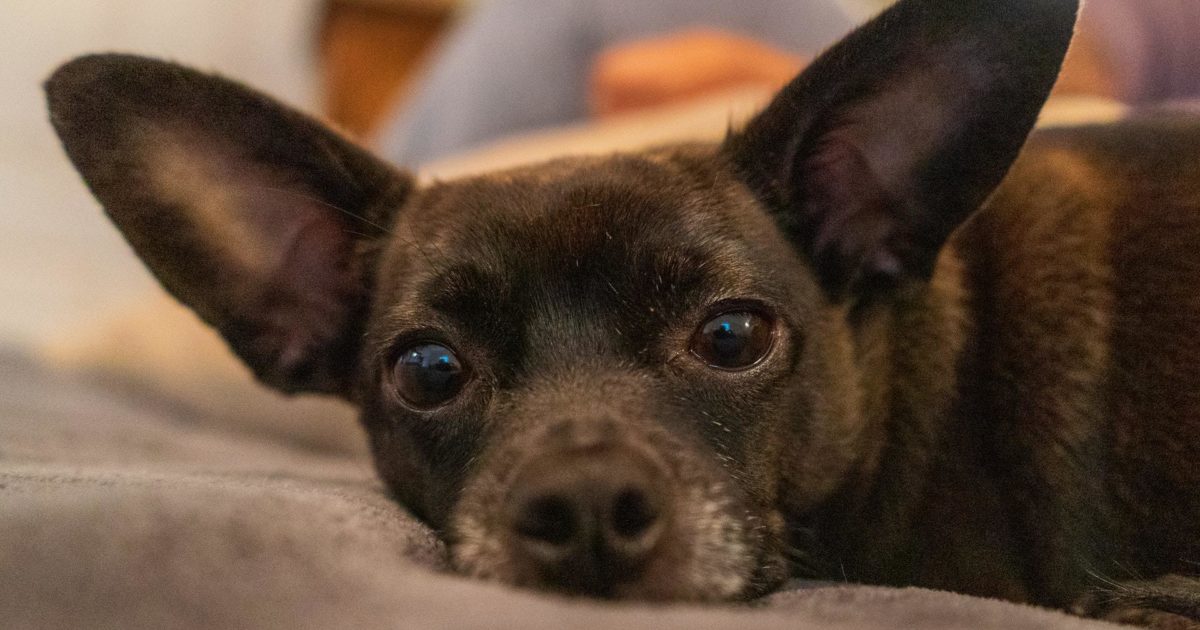
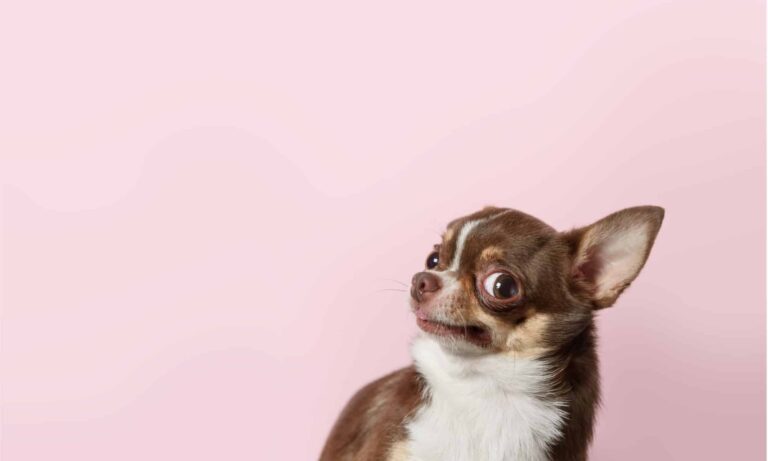
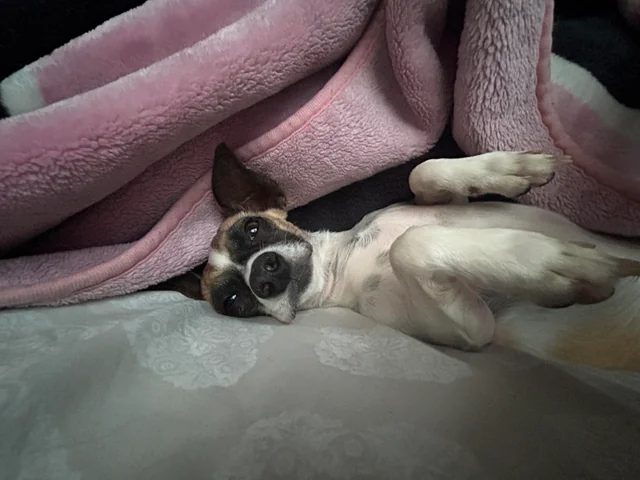
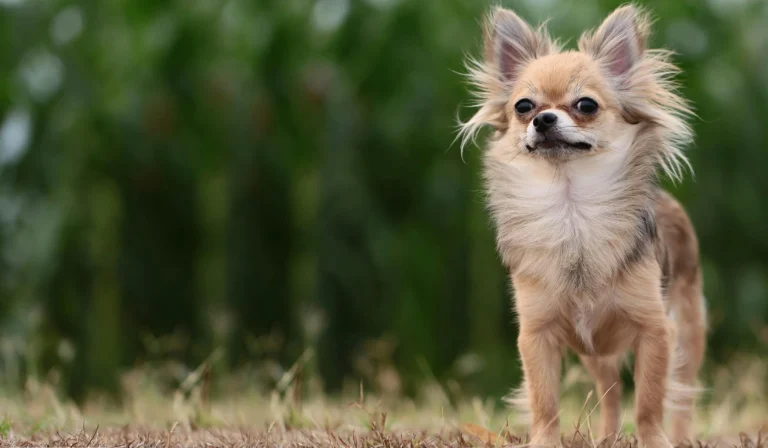
Does your chihuahua push between you and your partner on the sofa, bark when you cuddle another pet or sulk when the baby gets attention? You may be living with a jealous chihuahua, and you are not imagining it.
We are AKC chihuahua breeders in Traverse City, Michigan, and we often hear from families whose little dog struggles to share. This guide explains whether dogs really feel jealousy, the signs of a jealous chihuahua, why the breed is prone to it and kind, proven ways to help everyone get along.
A well-known study published in PLOS ONE found that dogs showed jealous behaviour when their owners gave attention to a realistic toy dog. The American Kennel Club recommends positive training to help dogs feel secure rather than threatened by attention given to others.
Jealous chihuahua: the short answer
Chihuahuas form very close bonds with their people. When that attention suddenly goes elsewhere, some dogs react by pushing in, barking, sulking or even growling.
A jealous chihuahua isn’t being spiteful. They are feeling insecure about losing something they value: you. The good news is that with patience, fair routines and positive training, most dogs learn to relax.
Do dogs really feel jealousy?
Scientists debate how similar dog emotions are to ours, but research supports something very like jealousy. In the study mentioned above, dogs were much more likely to push, touch or snap at a toy dog their owner was petting than at a non-dog object.
Other studies show dogs react when they see another dog rewarded more than them. So when you see a jealous chihuahua nudging between you and a visitor, it is a real emotional response, not just bad manners.
Signs of a jealous chihuahua
- Pushing between you and another person or pet.
- Barking or whining when you hug, talk to or pet someone else.
- Jumping on your lap the moment another pet arrives.
- Nudging your hand, phone or laptop away.
- Growling, staring or snapping at the “rival”.
- Toileting accidents or chewing when feeling left out.
- Sulking, hiding or going off food after a change at home.
- Showing off tricks or bringing toys to grab attention.
Some signs are cute and harmless. Growling, snapping and guarding are more serious and should be addressed early.
Keep a short note of when the behaviour happens, who is involved and what your dog does. Patterns quickly appear, and they show you exactly where to start training.
Why do chihuahuas get jealous?
- Strong bonds – many chihuahuas attach deeply to one person.
- Size and insecurity – small dogs can feel vulnerable around bigger people and pets.
- Resource guarding – treating you, the sofa or toys as possessions.
- Changes at home – a new partner, baby, roommate or pet.
- Lack of routine – unpredictable attention makes dogs anxious.
- Accidental rewards – getting attention every time they push in.
Our chihuahua temperament and why your chihuahua follows you everywhere guides explain the breed’s loyal, people-focused nature.
The “one-person dog” factor
Chihuahuas are famous for choosing a favourite person, which is why a jealous chihuahua is so often a devoted one. That devotion is part of their charm, but it can make sharing harder. A jealous chihuahua often guards the person they love most.
Encouraging your dog to bond with the whole household spreads that attachment. Let other family members feed, walk and play with your dog regularly.
Jealous chihuahua and your partner
One of the most common situations is a jealous chihuahua that barks or growls when a partner hugs you or sits close on the sofa. Some dogs even try to sleep between you.
- Ask your partner to take over meals, treats and walks for a while.
- Have your partner toss a treat every time they sit near you.
- Teach your dog to go to their own bed during cuddles.
- Keep the bedroom calm; a dog bed beside yours may be better than sharing.
With time, your dog learns that your partner brings good things, not competition.
Jealous chihuahua and a new baby
A baby changes everything: new smells, sounds, routines and much less attention. Preparing ahead helps prevent a jealous chihuahua from feeling pushed aside.
- Start new routines weeks before the baby arrives.
- Play recordings of baby sounds at a low volume while giving treats.
- Let your dog sniff baby items like blankets and lotion.
- Give your dog attention when the baby is around, not only when they’re asleep.
- Never leave a dog and baby alone together, however gentle the dog seems.
Our chihuahua and babies and are chihuahuas good with kids guides explain safe introductions.
Jealous of other pets
A new puppy, cat or second chihuahua can trigger jealousy, especially if the newcomer gets a lot of fuss. You may see pushing, growling over toys or guarding your lap.
To help a jealous chihuahua accept a newcomer, introduce new pets slowly, give each animal their own bed, bowl and toys, and make sure the resident dog still gets one-on-one time. Our introduce a second chihuahua, chihuahua and cats and chihuahuas with other dogs guides have step-by-step advice.
Jealous of your phone or laptop
Many owners joke that their dog is jealous of their phone. A dog who nudges your hand, sits on your keyboard or barks while you are on a call is often simply asking for attention.
A jealous chihuahua at your desk usually just needs something to do. Give your dog a chew or puzzle toy before calls or work sessions, and schedule short play breaks during the day. Our best toys for chihuahuas guide has ideas that keep little dogs busy.
Jealousy vs resource guarding
Jealousy and resource guarding often overlap. Guarding is when a dog stiffens, growls or snaps to protect something valuable, such as food, a toy, a bed or a person.
If your jealous chihuahua growls when someone approaches you on the sofa, that is guarding you as a resource. Our chihuahua resource guarding guide explains how to handle it safely.
If your dog guards you on the sofa, teach an “off” cue and reward them on their own bed nearby. Furniture privileges can come back once things are calmer.
Jealous chihuahua: 9 proven fixes
- Make “rivals” predict good things – treats when the partner, baby or pet gets attention.
- Teach a “place” cue – a bed or mat where your dog relaxes and earns rewards.
- Reward calm, not pushiness – give attention when your dog is relaxed, not when they demand it.
- Keep routines predictable – regular meals, walks and play.
- Give one-on-one time – a few minutes of focused play each day.
- Share the bond – let other family members feed and walk your dog.
- Separate resources – own bed, bowl and toys for each pet.
- Add exercise and enrichment – a busy dog is a calmer dog.
- Stay calm – don’t laugh, scold or rush to comfort when your dog pushes in.
These steps work best together and with consistency from everyone in the home.
Teaching a “place” cue
- Choose a comfy bed or mat near where the family sits.
- Lure your dog onto it with a treat and say “place”.
- Reward while all four paws stay on the bed.
- Slowly build up the time and add mild distractions.
- Use the cue when visitors arrive or during cuddles.
A jealous chihuahua with a clear, rewarding job feels more secure than one left to guess. Our chihuahua training tips guide explains positive training in more detail.
What not to do
- Don’t punish growling; it removes a warning sign and can lead to bites.
- Don’t make a big fuss when your dog pushes in, as it rewards the habit.
- Don’t suddenly cut off attention after a life change.
- Don’t force interactions with a new person or pet.
- Don’t leave a jealous dog alone with a baby or new pet.
Harsh methods make a dog feel even more insecure. Calm, fair rules work far better.
Jealous chihuahua when visitors arrive
Guests bring excitement, noise and attention that isn’t aimed at your dog. A jealous chihuahua may bark nonstop, jump up or try to sit on you while you chat.
Before guests arrive, give your dog a walk and a chew. When they come in, ask them to ignore your dog at first, then toss a treat once your dog is calm. Use the “place” cue so your dog has a clear job during the visit.
If your dog finds visitors stressful, a quiet room with a familiar toy is a kind option. Not every dog has to join every gathering.
Are males or females more jealous?
Any chihuahua can become jealous, male or female. Owners often describe females as more independent and males as more clingy, but individual personality matters far more than sex.
Early socialisation, training and routine have a much bigger effect than whether you choose a boy or a girl. Our male vs female chihuahua guide explains the small differences owners notice.
A calm daily routine
| Time | What helps |
|---|---|
| Morning | Walk and breakfast, ideally from a different family member each week |
| Daytime | Puzzle toy or chew during work and calls |
| Afternoon | Five minutes of one-on-one play or training |
| Evening | “Place” practice while the family relaxes together |
| Bedtime | Own cosy bed near yours, with a calm goodnight |
Predictable days help a jealous chihuahua trust that attention will come, so there is less need to compete for it.
How long does it take to improve?
Mild jealousy often improves within a few weeks of consistent training and routine. Bigger life changes, such as a new baby or a new partner moving in, can take a few months to settle.
Expect small setbacks, especially during busy times like holidays. Keep rewarding calm choices, and celebrate progress rather than perfection, and remember that every calm evening is a step forward.
When jealousy turns into aggression
A jealous chihuahua usually shows mild signs. Most jealousy stays mild, but some dogs escalate to growling, snapping or biting. Small bites still hurt, and children are especially at risk.
If your jealous chihuahua growls, snaps or bites, manage the situation carefully with baby gates and supervision, and contact a qualified, reward-based trainer or a veterinary behaviourist. A vet check can rule out pain, which can make any dog more irritable. Our chihuahua biting and why does my chihuahua growl guides explain more.
Jealousy, anxiety and attachment
Some jealous dogs are also anxious dogs. They may follow you from room to room, whine when you leave or struggle with change.
Building confidence through training, gentle independence exercises and predictable routines helps on both fronts. Our chihuahua anxiety and chihuahua separation anxiety guides have practical steps.
Keeping peace in a multi-pet home
- Feed pets in separate spots or rooms.
- Give each pet a safe resting place they can retreat to.
- Hand out treats and attention in turn, saying each name.
- Supervise play and break it up before it gets tense.
- Rotate toys so there is less to compete over.
Our two chihuahuas and chihuahuas and other pets guides explain how to build a calm household.
Rescued and rehomed dogs
Dogs who have changed homes, or lost an owner, can be especially clingy. After so much change, they may hold on tightly to the new person who makes them feel safe.
Give a rehomed dog time to settle before expecting them to share easily. Keep the first weeks quiet and predictable, introduce new people and pets gradually, and let trust build at the dog’s pace.
As confidence grows, many rehomed dogs relax noticeably. Gentle training and plenty of positive experiences with the whole household help a jealous chihuahua learn that love is not in short supply.
The same is true for older dogs adjusting to a family change. Patience, routine and small daily rewards go a long way.
Preventing jealousy from puppyhood
The easiest jealous chihuahua to help is the one who never becomes jealous. Good habits start early. Puppies who meet many friendly people and pets, learn to settle on their own bed and spend short periods apart from their favourite person grow into more confident adults.
Our chihuahua socialisation and chihuahua crate training guides explain how to build that confidence in the first months.
Myths and facts
| Myth | Fact |
|---|---|
| Jealous dogs are spoiled. | Jealousy usually comes from insecurity, not spoiling. |
| Dogs can’t feel jealousy. | Research shows dogs react in jealous ways. |
| Punishing growls fixes it. | It hides warnings and raises bite risk. |
| Jealousy will go away on its own. | It often improves faster with training and routine. |
Understanding the facts makes it easier to help a jealous chihuahua feel safe again.
Related behaviour guides
Jealousy is one of many big feelings in a small dog. Our why does my chihuahua stare at me, why does my chihuahua whine and why does my chihuahua hump guides cover other common questions.
Our approach
At Chihuvas, our puppies grow up in a busy family home in Traverse City, Michigan, meeting different people, children and other dogs every day. We teach them to settle on their own bed and share attention, which builds confident, easy-going companions.
Every puppy goes home with vaccinations, a microchip, a vet health certificate, AKC registration and a two-year genetic health guarantee. We deliver nationwide by in-cabin chihuahua flight nanny and stay in touch for life.
See our available puppies, send us an inquiry or meet our family on our chihuahua breeder Michigan page.
Security, not scolding, is what turns a jealous dog into a calm one.
Chihuvas breeding teamChihuvas is an AKC-registered Chihuahua breeder based in Michigan, and we deliver our puppies nationwide across the US. Every puppy is health-checked, vaccinated for their age and socialised from birth. See our available puppies →
Common questions about jealous chihuahua
Looking for a healthy puppy?
Every puppy is vet-checked, raised in our Michigan home and delivered nationwide with a health guarantee.
View available puppies →