
Chihuahua resource guarding — 7 proven ways to stop it.
Chihuahua resource guarding can be unsettling the first time you see it — your normally affectionate companion stiffens, growls, or even snaps when you approach their food bowl, a favourite toy, or sometimes even a person they have claimed as their own. It can feel personal, but it almost never is. Resource guarding is a natural canine instinct to protect something valuable from being taken away, and it shows up more visibly in Chihuahuas partly because of their small size, their tendency to form intense attachments, and the simple fact that a six-pound dog growling reads very differently to a sixty-pound dog doing the same thing. The good news: it is highly manageable with the right approach, and punishment is never part of that approach.
As AKC-registered Chihuahua breeders at Chihuvas, we begin gentle hand-feeding and positive food-handling exercises with every litter to reduce the likelihood of Chihuahua resource guarding developing in the first place. This guide covers why it happens, the signs to watch for, and seven proven, gentle ways to address it — drawing on guidance from the ASPCA’s food guarding guidance and the AKC guide to resource guarding in dogs.
Why Chihuahuas resource guard
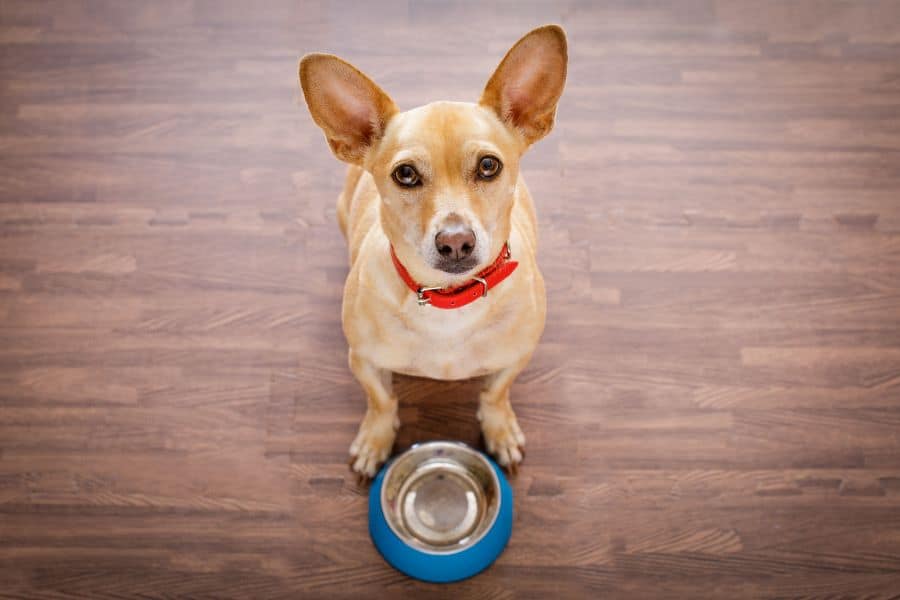
Chihuahua resource guarding is, at its core, a survival instinct — the drive to protect something valuable (food, a toy, a bed, even a favourite person) from being taken away by someone else. It is not unique to this breed, but several factors make it more commonly observed in Chihuahuas specifically. Puppies who competed with littermates for limited food during the breeder’s early feeding stages can develop guarding habits that persist into adulthood. Rescue dogs who previously went without enough food learn that resources are scarce and worth defending. And Chihuahuas in general form unusually intense attachments to people and possessions, which can extend the guarding instinct beyond food to toys, blankets, and even a particular person on the sofa.
Importantly, Chihuahua resource guarding is not about dominance or trying to be “alpha.” It is communication — the dog signalling discomfort and asking for space around something they value. Understanding this reframes the entire approach: the goal is not to assert authority over the dog, but to teach them that people approaching their valued items is not actually a threat.
Signs of resource guarding
Learning to recognise the early signs of Chihuahua resource guarding allows you to intervene before it escalates:
- Early/mild signs: eating faster when approached, body stiffening or freezing, lowering the head over the item, a sideways glance showing the whites of the eyes (known as “whale eye”)
- Moderate signs: growling or snarling as someone approaches the guarded item, a tucked tail combined with stiff posture
- Severe signs: snapping or biting when someone attempts to take the item away — an escalation that should be addressed promptly and may warrant professional support
A gentle push away with the nose or a soft grumble during a meal is common and not necessarily a problem on its own — many owners simply manage this mild version safely, for example by feeding their Chihuahua undisturbed in their own space. It becomes a priority to actively address when it escalates toward growling, snapping, or biting.
7 proven ways to stop Chihuahua resource guarding
1. Use the trade-up technique
The single most effective tool for Chihuahua resource guarding is teaching a reliable “trade” or “give” command. Approach calmly, offer a treat of higher value than whatever they are currently guarding, and let them voluntarily disengage from the item to take the treat — then, ideally, give the original item straight back. This teaches your Chihuahua that your approach predicts something good, not loss. Over time, many dogs begin offering items voluntarily once they trust that “give” always leads to something positive.
2. Hand-feed regular meals
Hand-feeding — offering kibble piece by piece directly from your hand while speaking calmly and stroking your Chihuahua gently — is a powerful trust-building exercise recommended by the ASPCA for addressing food guarding specifically. It directly associates your hands near food with calm, positive interaction rather than competition, which is one of the most effective long-term strategies for reducing Chihuahua resource guarding around meals.
3. Never simply grab the item away
One of the most common mistakes that worsens Chihuahua resource guarding is reaching in and snatching the guarded item away — even when well-intentioned, such as removing a small object that could be a choking hazard. This confirms the dog’s fear that an approaching hand means imminent loss, reinforcing the very guarding behaviour you are trying to reduce. Always use the trade-up technique instead, even in situations that feel urgent.
4. Build a generally secure feeding environment
Before focused training, ensure your Chihuahua has a calm, undisturbed space to eat — away from other pets, foot traffic, or chaos. Providing adequate food quantity (not under-feeding) also reduces the underlying scarcity-driven motivation behind Chihuahua resource guarding. A dog who feels secure that food will reliably and sufficiently appear has less instinctive need to guard it fiercely.
5. Practise differential reinforcement
Rather than only reacting to guarding when it happens, proactively train and reward the behaviour you want instead. If your Chihuahua tends to guard the sofa, train and reward calmly stepping down when asked, rather than waiting for a guarding incident to address. Catching your Chihuahua being calm and rewarding it immediately — within about one second — teaches them clearly what earns good things, gradually reducing reliance on guarding as a strategy.
6. Stay consistent across the whole household
Chihuahua resource guarding training only works if every household member follows the same approach. If one person allows guarding behaviour around the sofa while another consistently redirects it, the dog receives confusing, contradictory signals and the behaviour persists far longer than it needs to. Agree on house rules and training methods as a family before beginning, and keep everyone aligned throughout.
7. Rule out pain or illness if guarding appears suddenly
Aggression or guarding that appears suddenly in a dog who was previously easygoing can point to an underlying medical cause rather than a purely behavioural one. Dental disease, a luxating patella, an injury, or another hidden source of pain can lower a dog’s tolerance and trigger defensive behaviour that looks like new-onset Chihuahua resource guarding. A veterinary check is a sensible first step whenever guarding or aggression appears out of character or without an obvious trigger.
What not to do
Avoid these approaches, which consistently make Chihuahua resource guarding worse rather than better:
- Punishment — scolding, yelling, or physically correcting a guarding dog increases fear and tends to escalate aggression rather than resolve it
- Prong collars, choke chains, shock collars, alpha rolls, or scruffing — these outdated techniques raise fear, can injure a fragile small-breed neck, and consistently worsen guarding behaviour in Chihuahuas specifically
- Repeatedly testing or provoking the guarding — deliberately reaching for a guarded item over and over “to prove a point” only rehearses and reinforces the defensive response
- Scooping up and soothing every growl — while well-intentioned, consistently rescuing a guarding dog the instant they growl can accidentally reinforce the behaviour as an effective strategy for getting space
Preventing resource guarding in puppies
The easiest time to address Chihuahua resource guarding is before it ever develops. From the very first days at home, hand-feed several meals, regularly approach your puppy calmly while they eat and add something extra to the bowl (rather than taking anything away), and practise the “trade” exercise proactively with toys even when no guarding is present. Puppies who are never put in a position of competing fiercely for resources, and who learn early that approach means good things, are significantly less likely to develop guarding behaviour as adults. At Chihuvas, this prevention work begins before our puppies even leave for their new homes.
When to call a professional
Seek help from a Certified Professional Dog Trainer or, ideally, a board-certified veterinary behaviourist if: guarding involves biting that breaks skin, the behaviour escalates despite consistent home training, aggression appears suddenly in a previously easygoing dog, your Chihuahua seems constantly on edge, or children, seniors, or other vulnerable people share the home. Chihuahua resource guarding that reaches this level benefits significantly from a tailored, professionally guided behaviour modification plan rather than continued independent attempts at home.
Browse our available puppies or get in touch with our team for any questions about your Chihuahua’s behaviour. See also our guides on Chihuahua training tips and Chihuahua biting for related behavioural support.
Common questions about Chihuahua resource guarding
Find a confident, well-socialised Chihuahua at Chihuvas.
Our puppies receive early hand-feeding and positive handling from birth — the best foundation against resource guarding. AKC-registered, Michigan’s most trusted Chihuahua breeder.
View available puppies →