
How to introduce a second chihuahua to your home — the right way.
Introduce a second chihuahua to your home and you either gain a bonded pair that enriches each other’s lives — or you create a stressful, territorial conflict that makes daily life harder for everyone, including you. The difference between these two outcomes is almost entirely determined by how you handle the introduction. Chihuahuas are loyal, intense, and territorial by nature, which means they can form the deepest bonds with a companion but also the fiercest rivalries if the introduction is rushed, forced, or mishandled.
This guide covers exactly how to introduce a second chihuahua step by step: when to consider it, how to choose the right companion, the neutral territory technique that works best, what the first week should look like, the warning signs that things are going wrong, and the mistakes that turn a manageable introduction into a lasting problem. Everything here is based on our own multi-chihuahua household experience since 2018 and is consistent with positive reinforcement principles from the American Kennel Club’s dog introduction guidelines.
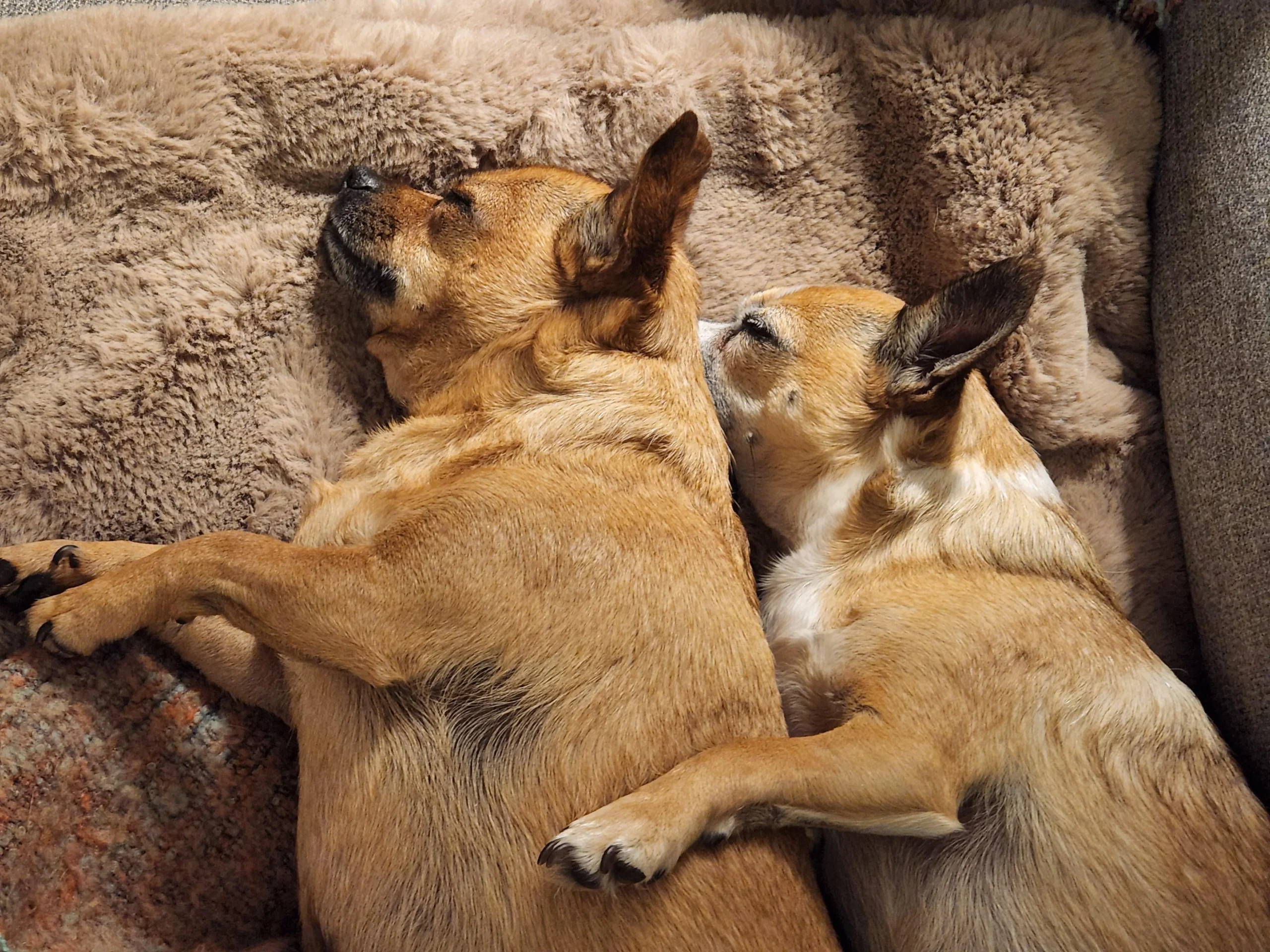
Introduce a second chihuahua — is it the right time?
Before you introduce a second chihuahua, honestly assess whether the timing is right. A second dog is not a solution to behavioural problems in your first dog — it is an addition that amplifies whatever dynamic already exists. If your first chihuahua is anxious, aggressive, or poorly socialised, adding a second dog will not fix those issues. It will give you two dogs with problems instead of one.
The right time to introduce a second chihuahua is when your first dog is well-socialised, comfortable with other dogs, settled in their routine, and past the unpredictable adolescent phase (typically after 12–18 months of age). You should also be confident that you have the time, budget, and space to care for two dogs — double the vet bills, double the food, and double the attention needed.
- Your first chihuahua is well-socialised — comfortable around other dogs, not reactive or aggressive during encounters
- Your first chihuahua is past adolescence — settled temperament, over 12–18 months old ideally
- You have the budget — vet care, food, insurance, and supplies for two dogs
- You have the time — both dogs need individual attention, training, and walks
- Your living space is adequate — two chihuahuas need separate sleeping areas initially and enough room to have their own space
- You are not trying to fix a problem — a second dog is not therapy for the first
Introduce a second chihuahua — choosing the right companion
Temperament match matters most
When you introduce a second chihuahua, the temperament match between the two dogs is the single most important factor in whether the pairing succeeds. A calm, confident chihuahua pairs well with a gentle, slightly submissive one. Two dominant chihuahuas will clash. A very high-energy puppy may overwhelm a calm adult. Think complementary, not identical.
Sex and neutering
Opposite-sex pairs (both neutered/spayed) are statistically the most successful pairing when you introduce a second chihuahua. Two neutered males can work well if neither is dominant. Two females carry the highest risk of same-sex rivalry — not impossible, but requires more careful management. Regardless of pairing, both dogs should be neutered or spayed before introduction to reduce hormone-driven conflict.
Age gap
| Age gap | Pros | Cons |
|---|---|---|
| Puppy + adult (2–5 yrs) | Adult often accepts puppy more easily. Clear hierarchy. | Adult may find puppy exhausting. Puppy needs separate training. |
| Two adults (similar age) | Similar energy levels. Can match temperaments precisely. | Established habits may clash. Longer adjustment period. |
| Puppy + senior (8+ yrs) | Senior may enjoy gentle companionship. | Boisterous puppy can stress a senior. Health disparity. |
| Two puppies (same age) | Grow up together, play companions. | Littermate syndrome risk. Double the training effort. Not recommended. |
Getting two puppies from the same litter or at the same age is strongly discouraged by behaviourists. Littermate syndrome causes the two dogs to bond so intensely with each other that they fail to bond with humans, develop severe separation anxiety when apart, and often develop behavioural problems including aggression toward each other as they mature. If you want two chihuahuas, stagger the arrivals by at least 12 months.
Introduce a second chihuahua — preparing your home
Before the new chihuahua arrives, set up your home so both dogs have their own resources. Resource competition is one of the most common triggers for conflict between chihuahuas, and eliminating it before the introduction removes the most predictable source of tension.
- Separate beds: Each chihuahua needs their own sleeping space in different areas of the room. They may choose to share later, but the option to retreat to their own space must exist from day one.
- Separate food bowls: Feed in different areas of the room or at different times to prevent food guarding. Never feed from a shared bowl when you first introduce a second chihuahua.
- Separate water bowls: One per dog, plus one spare. Some chihuahuas guard water just as aggressively as food.
- Duplicate toys: Have two of everything to prevent possessiveness. Remove any high-value chews or toys that your first chihuahua is particularly attached to during the first few weeks.
- Baby gates or barriers: Have these ready so you can separate the dogs quickly and calmly if needed, without the stress of physically intervening.
Introduce a second chihuahua — the first meeting
The first meeting is the most critical moment when you introduce a second chihuahua. Get this right and you set the tone for a smooth transition. Get it wrong and you may create a negative association that takes weeks to undo.
Step 1: Meet on neutral territory
Never bring the new chihuahua directly into your home for the first introduction. Your first chihuahua considers your home their territory, and a stranger appearing in their space triggers defensive behaviour. Instead, arrange the first meeting in a neutral location — a quiet park, a friend’s garden, or any outdoor space that neither dog considers “theirs.”
Step 2: Walk in parallel
Start with both dogs on leads, walking in the same direction with a comfortable gap between them (3–5 metres). This parallel walking technique allows the dogs to become aware of each other’s presence without the pressure of face-to-face interaction. Gradually decrease the distance over 10–15 minutes as both dogs remain calm.
Step 3: Allow a brief, controlled greeting
When both dogs are relaxed and showing curiosity rather than tension, allow them to approach and sniff each other briefly — 3 to 5 seconds. Then calmly redirect both dogs and continue walking. Keep greetings short and positive. Multiple brief encounters are far better than one prolonged interaction that escalates into tension.
Step 4: Watch the body language
- Good signs: Relaxed body, soft eyes, loose wagging tail, play bows, sniffing without stiffness, turning away voluntarily
- Caution signs: Stiff body, hard stare, raised hackles, lip curling, growling, tail tucked tightly, cowering
- Stop immediately if: Lunging, snapping, sustained aggressive barking, one dog pinning the other, biting
When we introduce a second chihuahua, we do three separate neutral territory meetings over three days before bringing the new dog home. Each session is 15–20 minutes of parallel walking followed by brief, controlled greetings. By the third session, both dogs are typically comfortable in each other’s presence and the transition to the home environment is dramatically smoother.
Introduce a second chihuahua — the first week at home
Day 1: Controlled entry
Walk both dogs into the home together rather than carrying the new dog in. Walking through the door side by side frames the arrival as a shared experience rather than an invasion. Keep both dogs on leads initially and let them explore the shared spaces together under supervision. Reward calm behaviour with treats for both dogs.
Days 1–3: Supervised togetherness, separated rest
Allow the dogs to be together during supervised waking hours but separate them for naps, meals, and overnight sleeping. This gives both dogs decompression time and prevents the tension that builds from constant forced togetherness. Use baby gates rather than closed doors — visual contact without physical access reduces anxiety.
Days 4–7: Gradually increasing freedom
As you see consistent calm interaction — relaxed body language, voluntary proximity, play invitations — gradually extend the time they spend together unsupervised. Continue feeding separately and maintaining individual sleeping areas. Most chihuahua pairs are noticeably more comfortable by the end of the first week, though full bonding takes 2–4 weeks on average.
When you introduce a second chihuahua, the first week is about building tolerance and positive associations — not forcing friendship. Friendship develops naturally once both dogs feel safe. Your job is to create the conditions for safety, not to manufacture the bond.
Chihuvas experienceIntroduce a second chihuahua — warning signs and when to get help
Some tension when you introduce a second chihuahua is completely normal. Growling, stiff posturing, and avoidance during the first few days are standard communication between two dogs establishing boundaries. These are not signs of failure — they are signs of two dogs figuring out the rules of coexistence.
However, seek professional help from a qualified behaviourist if you observe:
- Escalating aggression: Growling that progresses to lunging, snapping, or biting over the first week rather than decreasing
- One dog refusing to eat, drink, or move: Extreme stress or shutdown in either dog that does not improve with separation and decompression
- Bite wounds: Any bite that breaks skin is a serious escalation. Separate immediately and consult a behaviourist before attempting reintroduction
- Resource guarding that intensifies: Aggressive protection of food, toys, sleeping spots, or you that gets worse rather than better with management
- Your first chihuahua’s behaviour deteriorating: Increased anxiety, house soiling, destructiveness, or aggression toward you — signs that the introduction is causing more harm than good
Introduce a second chihuahua — mistakes that cause problems
Bringing the new dog straight into the house
This is the number one mistake when people introduce a second chihuahua. Your home is your first dog’s territory. A stranger appearing inside it without warning triggers territorial defence. Always do the first meeting on neutral ground, always walk both dogs in together, and always give your first dog the sense that this arrival was a shared experience, not an ambush.
Forcing interaction
Holding both chihuahuas together, placing them in the same bed, or confining them in a small space to “work it out” is stressful and counterproductive. Let both dogs choose their level of interaction. Forced proximity creates negative associations — voluntary proximity creates genuine bonds.
Giving the new dog more attention
It is natural to fuss over the new arrival, but your first chihuahua is watching. If they see the newcomer getting more attention, more treats, and more affection, they associate the new dog’s presence with their own loss of status. When you introduce a second chihuahua, give your first dog slightly more attention than usual, not less. Greet your first dog first, feed your first dog first, and pet your first dog first. This reinforces their position and reduces jealousy.
Leaving them unsupervised too soon
A calm interaction while you are watching does not guarantee a calm interaction while you are not. Chihuahuas can escalate quickly, and a minor tension that would resolve with your presence can become a fight without it. Supervise all interactions for at least the first two weeks, and only leave them alone together when you have consistently seen relaxed, positive behaviour for several days running.
Punishing growling
Growling is communication, not aggression. When your first chihuahua growls at the new dog, they are saying “you are too close” or “that is mine” — a warning that prevents escalation. If you punish growling, you remove the warning system and the dog goes straight to biting next time. Acknowledge the growl, calmly redirect, and increase the space between the dogs. Never punish a dog for communicating boundaries.
When you introduce a second chihuahua, the first two weeks feel like the hardest thing you have ever done with dogs. By month two, you cannot imagine your home without both of them. The investment of patience, structure, and controlled introductions pays off in years of companionship — for the dogs and for you. Trust the process.
Common questions — introduce a second chihuahua
More guides for life with a chihuahua.
Practical advice, honest stories, and everything we have learned raising chihuahuas at home since 2018. No jargon, no sponsored content — just real experience.
Read more guides →