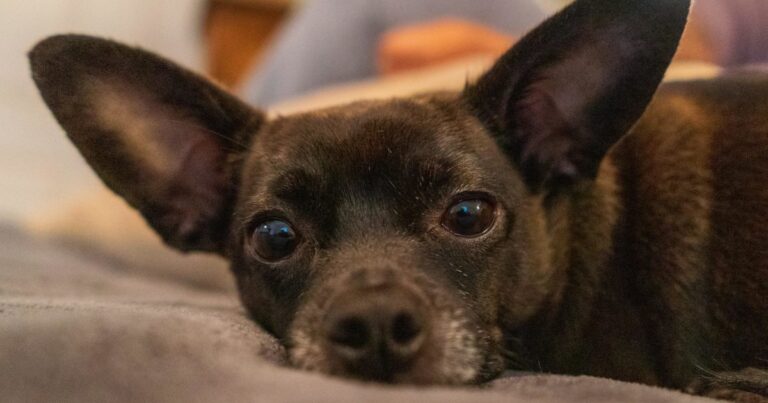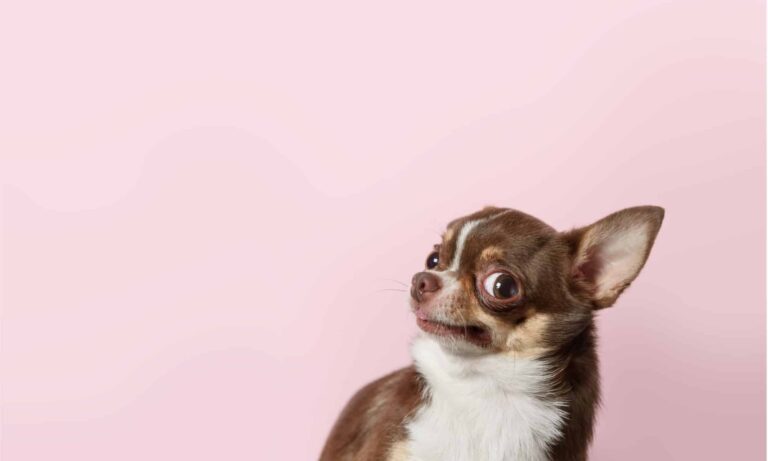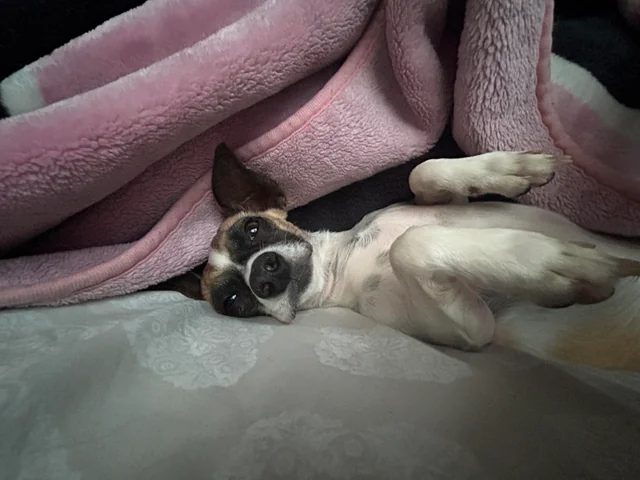
Chihuahuas with other dogs, including big dogs
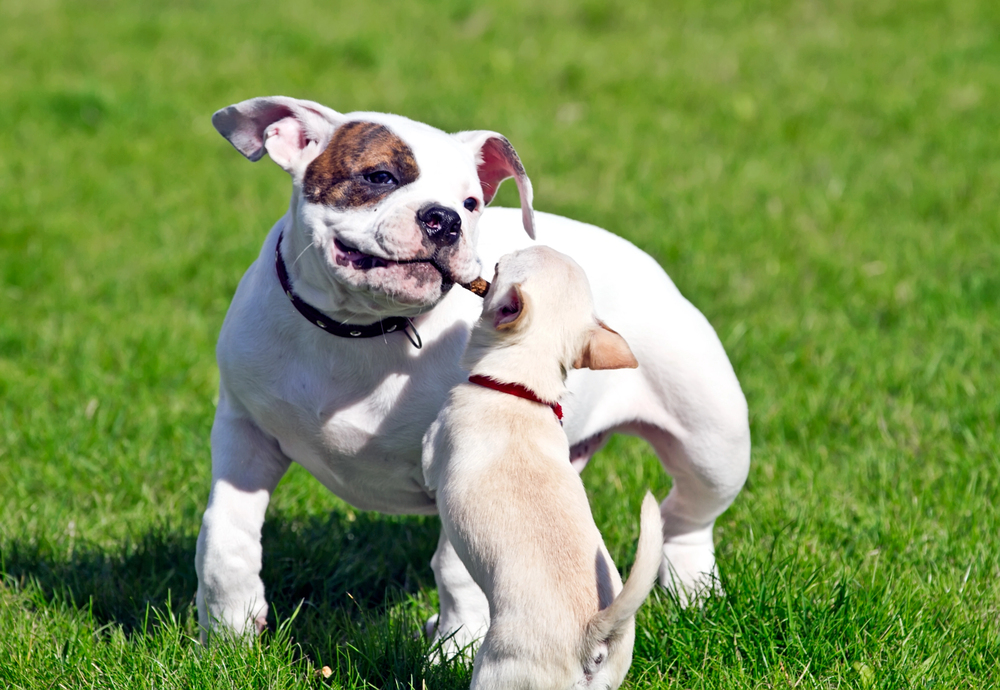
Getting chihuahuas with other dogs to live and play happily together is easier than many people think. Chihuahuas often love canine company, but their tiny size means introductions, play and supervision need a little extra care, especially around big dogs.
We are AKC chihuahua breeders in Michigan, and our chihuahuas live alongside other dogs every day. This guide explains how chihuahuas with other dogs usually get along, how to introduce them safely, how to manage big-dog households, dog parks and walks, and what to do if your chihuahua is reactive.
For breed background, see the AKC chihuahua page. For help with serious behavior problems, the American Veterinary Society of Animal Behavior supports humane, reward-based training.
Do chihuahuas with other dogs get along?
Most chihuahuas with other dogs get along well when they have been socialized and introduced properly. Many chihuahuas enjoy having a canine friend to play with, nap beside and follow around the house.
That said, chihuahuas are bold for their size and can be wary of unfamiliar dogs, especially big ones. A bad experience as a puppy can make a chihuahua nervous or reactive for years.
The biggest factors are early socialization, the other dog’s temperament and how carefully you manage introductions. Size matters too, because even friendly play from a large dog can injure a tiny chihuahua.
Most chihuahuas with other dogs get along well after slow, supervised introductions. Other chihuahuas and calm small dogs are the easiest match, while gentle big dogs can work with careful management. Avoid mixed-size dog parks and never leave a chihuahua alone with a much larger dog until you are sure they are safe together.

Best canine companions for a chihuahua
Size, energy and play style decide how well chihuahuas with other dogs match up. Here is a general guide.
| Companion | How well it usually works | Notes |
|---|---|---|
| Another chihuahua | Very well | Same size and play style; often the easiest pair |
| Other toy breeds | Well | Similar size; watch rough terrier play |
| Calm medium dogs | Often well | Gentle temperament matters most |
| Gentle large dogs | Can work well | Needs supervision and a safe retreat |
| High-energy large dogs | Risky | Bouncy play can injure a chihuahua |
| High prey-drive breeds | Risky | May see a small dog as prey |
When matching chihuahuas with other dogs, remember that individual dogs vary. A calm, gentle retriever can be a better friend for a chihuahua than a pushy small terrier.
Chihuahuas and big dogs
Many families with a large dog wonder whether a chihuahua will be safe. With the right big dog and good management, the answer is often yes, and some of the sweetest friendships are between chihuahuas with other dogs and gentle giants.
- Choose a big dog with a calm, gentle, low prey-drive temperament.
- Teach the big dog a solid “leave it” and “settle”.
- Supervise all play and stop it before it gets rough.
- Give the chihuahua high places or a crate it can retreat to.
- Feed them separately and pick up toys and chews when unsupervised.
- Separate them when you are out until you are completely confident.
A big dog doesn’t need to be aggressive to hurt a chihuahua. A paw, a body slam or a playful grab can cause broken bones or worse. Supervise every interaction and never leave them alone together until you are sure.
How to introduce a new dog
Slow introductions are the single most important step in helping chihuahuas with other dogs get along. Rushing a first meeting can set the relationship back for weeks.
- Meet on neutral ground: a quiet park or street, not your home.
- Use leashes: keep them loose and stay calm.
- Walk side by side: a parallel walk lets them get used to each other without pressure.
- Allow a brief sniff: a few seconds, then move apart.
- Reward calm behavior: treats and praise for relaxed body language.
- Move indoors slowly: use baby gates or a playpen at first.
- Keep sessions short: end on a good note and build up gradually.
If you are bringing home a second chihuahua, our guide on how to introduce a second chihuahua gives a step-by-step plan.
Reading dog body language
Watching body language helps you step in before trouble starts. These signs tell you how chihuahuas with other dogs are feeling during an interaction.
| Relaxed and happy | Worried or stressed | Time to separate |
|---|---|---|
| Loose, wiggly body | Tail tucked, body low | Stiff, frozen body |
| Play bows | Lip licking, yawning | Hard stare |
| Taking turns chasing | Turning away, hiding | Growling that escalates |
| Soft eyes, open mouth | Whites of eyes showing | Raised hackles, lunging |
| Coming back for more play | Trying to leave | One dog pinned and not getting up |
Short breaks during play are healthy for chihuahuas with other dogs. If one dog keeps trying to leave, or play gets faster and rougher, call them apart for a calm moment.
Safe play rules for chihuahuas with other dogs
Play is good for chihuahuas with other dogs, but size differences mean you set the rules.
- Keep play sessions short, just a few minutes at a time, with calm breaks in between.
- Stop wrestling and body slamming with bigger dogs.
- Avoid tug games between dogs of very different sizes.
- Play on soft surfaces, not hard floors or stairs.
- Watch for one dog bullying or always being chased.
- End play before anyone gets overexcited.
Toys can help redirect energy. Our best toys for chihuahuas guide suggests small, safe options.
Training cues that keep everyone safe
A few simple cues make life with chihuahuas with other dogs much easier. Practice them at home first, then around calm dogs, and reward generously.
- Watch me: your chihuahua looks at you, which helps it ignore a passing dog.
- Come: a reliable recall to call your dog away from trouble.
- Leave it: for toys, food or a dog it shouldn’t approach.
- Settle: lying calmly on a mat or bed while other dogs move around.
- Let’s go: a cheerful cue to turn and walk away together.
Teach the same cues to your bigger dog too. When every dog in the home knows how to settle and leave things alone, everyday life becomes calmer and much safer.
Our chihuahua training tips explain how to teach each cue with short, positive sessions that suit chihuahuas with other dogs and their owners.
Setting up a multi-dog home
A well-organized home prevents most problems between chihuahuas with other dogs. Each dog should feel safe and have its own space.
- Separate feeding spots, ideally in different rooms or crates.
- A bed or crate for each dog.
- Baby gates to create chihuahua-only zones.
- Plenty of toys, so no one has to share at first.
- Ramps or steps so the chihuahua doesn’t have to jump.
- One-on-one time with each dog every day.
Resource guarding is common in multi-dog homes. Our resource guarding guide explains how to prevent and manage it.
If your chihuahua barks or lunges at dogs
Barking, growling or lunging at other dogs is common in chihuahuas, and it is almost always about fear. A tiny dog facing a big one is trying to keep it away.
- Keep enough distance that your chihuahua can stay calm.
- Reward your dog for looking at another dog and staying quiet.
- Gradually reduce the distance over many sessions.
- Never punish growling, which can suppress warnings and make bites more likely.
- Pick your chihuahua up only if a dog rushes at you, not as a habit.
Reactivity improves with patience and positive training. Our guides to chihuahua anxiety and chihuahua biting have more tips.
Chihuahuas with other dogs on walks
Walks are where chihuahuas with other dogs meet the most unfamiliar dogs, and not every meeting is a good idea.
- Ask before letting dogs greet, and it is fine to say no.
- Keep greetings to a few seconds, then move on.
- Cross the street if a dog looks tense or out of control.
- Use a harness, not a collar, to protect your chihuahua’s neck.
- Watch for off-leash dogs and have a plan to step away.
A harness matters for chihuahuas prone to tracheal problems, as our collapsed trachea guide explains.
Chihuahuas with other dogs at parks and daycare
Dog parks can be risky for chihuahuas with other dogs. Even friendly big dogs can knock over or injure a tiny dog during fast play, and some dogs may see a small, fast-moving chihuahua as prey.
If you want to use a park, choose one with a separate small-dog area and visit at quiet times. Watch your dog closely and leave if it seems stressed.
For daycare, look for providers that separate dogs by size and temperament, keep small groups and have staff who supervise play closely. Ask how they handle a nervous small dog.
Raising a chihuahua puppy with other dogs
Puppyhood is the best time to teach chihuahuas with other dogs good manners. Positive experiences with calm, friendly adult dogs build confidence that lasts a lifetime.
- Choose gentle, vaccinated adult dogs for early meetings.
- Keep sessions short and positive.
- Puppy classes with small-dog groups are ideal.
- Don’t let older dogs overwhelm or bully the puppy.
- Protect the puppy from rough play while bones are developing.
Our chihuahua socialization guide explains how to plan these first meetings, and chihuahuas and other pets covers cats and small animals.
Should you get a second dog?
Many owners find chihuahuas with other dogs are happier with a canine friend. A second chihuahua is often the easiest choice, as they match in size, energy and play style.
A second dog isn’t a cure for separation anxiety, though. Some anxious dogs are just as upset when their person leaves, even with a friend at home.
Our male vs female chihuahua guide explains which pairings tend to work best, and separation anxiety covers alone-time training.
Keeping the peace between chihuahuas with other dogs
Most scuffles between chihuahuas with other dogs are about food, toys, space or overexcitement. Spotting triggers early is the best way to keep the peace.
- Feed dogs apart and pick up bowls afterwards.
- Remove high-value chews when dogs are together.
- Give each dog enough space to rest undisturbed.
- Calm things down before greetings at the door get wild.
- Never reach between fighting dogs with your bare hands, however small they are.
If a scuffle happens, make a loud noise or put a cushion or board between the dogs, then separate them calmly. Check your chihuahua for injuries, as small wounds can be hidden by fur.
Chihuahuas with other dogs when visiting friends and family
Holidays and visits often mean meeting new dogs in someone else’s home. These situations can be stressful, so plan ahead to keep chihuahuas with other dogs safe and calm.
- Introduce the dogs outside first, on leashes, before going indoors.
- Bring your chihuahua’s crate or bed as a safe base.
- Ask the host to pick up toys, bones and food bowls.
- Keep your chihuahua with you or in a closed room when you can’t supervise.
- Watch for the host dog guarding its space or favorite person.
A short, calm visit is better than a long, chaotic one. Our travelling with a chihuahua guide has more tips for trips away from home.
Older chihuahuas and new dogs
Bringing a new dog into a home with an older chihuahua needs extra care. Seniors may have sore joints, poor eyesight or less patience, and a bouncy newcomer can be overwhelming.
- Give the senior dog quiet spaces the newcomer can’t reach.
- Keep play short and stop it if the older dog seems uncomfortable.
- Protect the senior’s food, bed and favorite spots.
- Make sure the older dog still gets plenty of one-on-one time.
Many older chihuahuas with other dogs enjoy a calm companion, and some even seem to perk up. Our senior chihuahua care guide covers how needs change with age.
Myths about chihuahuas with other dogs
| Myth | The truth |
|---|---|
| Chihuahuas hate other dogs | Most get along well with good socialization |
| They are just being dominant when they bark at big dogs | It is usually fear, not dominance |
| Big dogs are always dangerous to chihuahuas | Gentle big dogs can be great friends with supervision |
| Dogs should “work it out” themselves | You should manage interactions and prevent fights |
| Two dogs cure loneliness | A companion helps some dogs, but not separation anxiety |
Understanding these points makes it easier to set chihuahuas with other dogs up for success, whether you have one friendly neighbor dog or a busy multi-dog household.
When to get professional help
Most issues between chihuahuas with other dogs improve with management and training. Ask for help if you see any of these.
- Repeated fights or injuries.
- A dog that stiffens, stares or growls every time another dog moves.
- Your chihuahua seems constantly anxious or hides from the other dog.
- Reactivity on walks is getting worse, not better.
Keeping a short diary of incidents, with the time, place, dogs involved and what happened just before, makes it much easier for a professional to spot the pattern.
Start with your vet to rule out pain, which often causes irritability. Then look for a qualified, reward-based trainer or veterinary behaviorist.
How our puppies are raised
At Chihuvas, our puppies grow up in our Traverse City, Michigan home alongside our adult chihuahuas. They learn dog manners from calm adults, which gives them a great start with other dogs.
Every puppy goes home with vaccinations, a microchip, a vet health certificate, AKC registration and a two-year genetic health guarantee. We deliver nationwide by in-cabin chihuahua flight nanny, and you can read more in our chihuahua temperament guide.
See our available puppies, send us an inquiry or meet our family on our chihuahua breeder in Michigan page.
Chihuahuas don’t know they’re small, but you do. Your job is to make every meeting with another dog safe enough for their confidence to grow.
Chihuvas breeding teamChihuvas is an AKC-registered Chihuahua breeder based in Michigan, and we deliver our puppies nationwide across the US. Every puppy is health-checked, vaccinated for their age and socialised from birth. See our available puppies or send us an inquiry.
Common questions about chihuahuas with other dogs
Puppies raised with calm adult dogs.
Our puppies learn dog manners from our adult chihuahuas in our Michigan home. We deliver nationwide.
View available puppies →