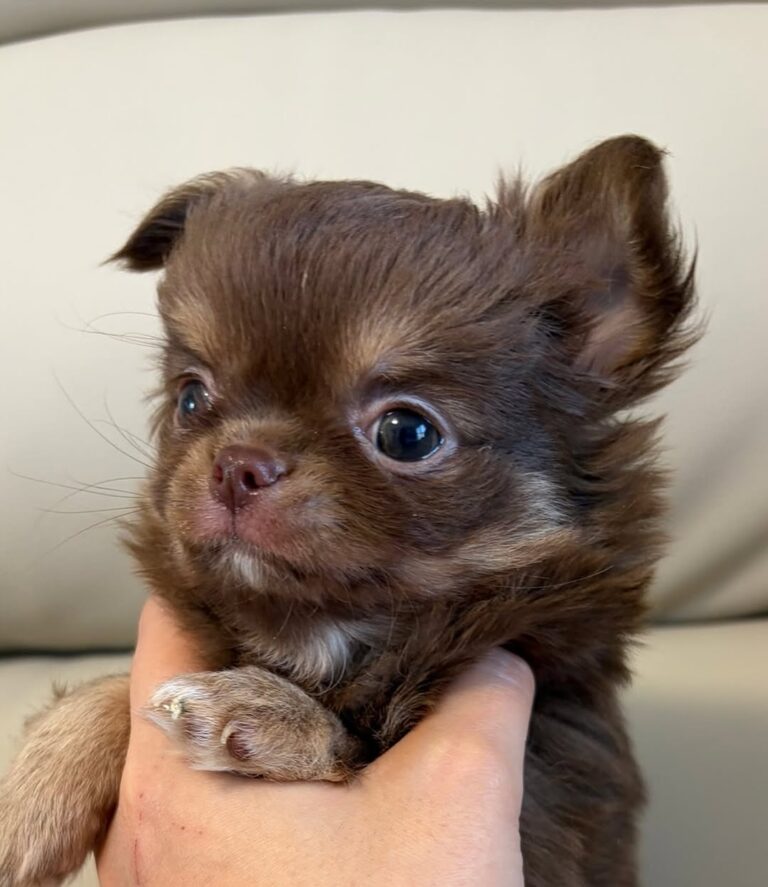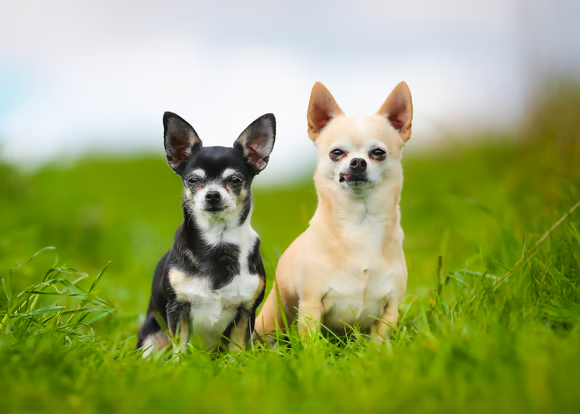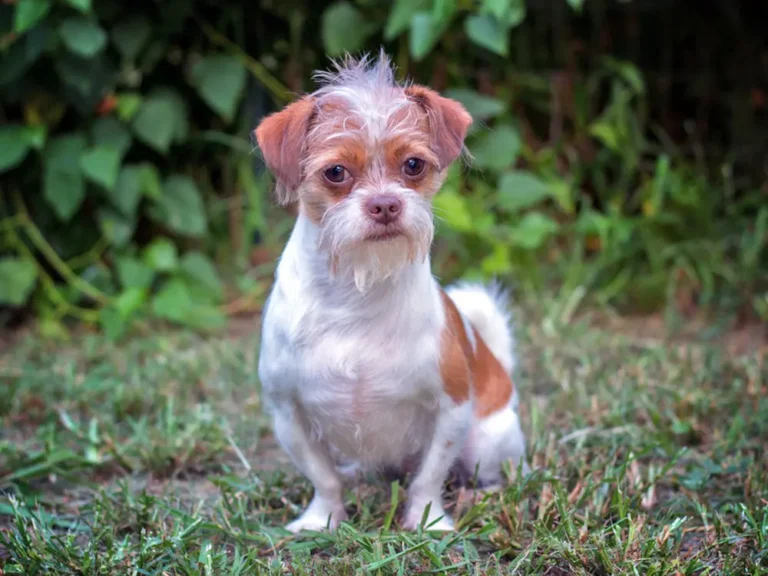
Purebred chihuahua
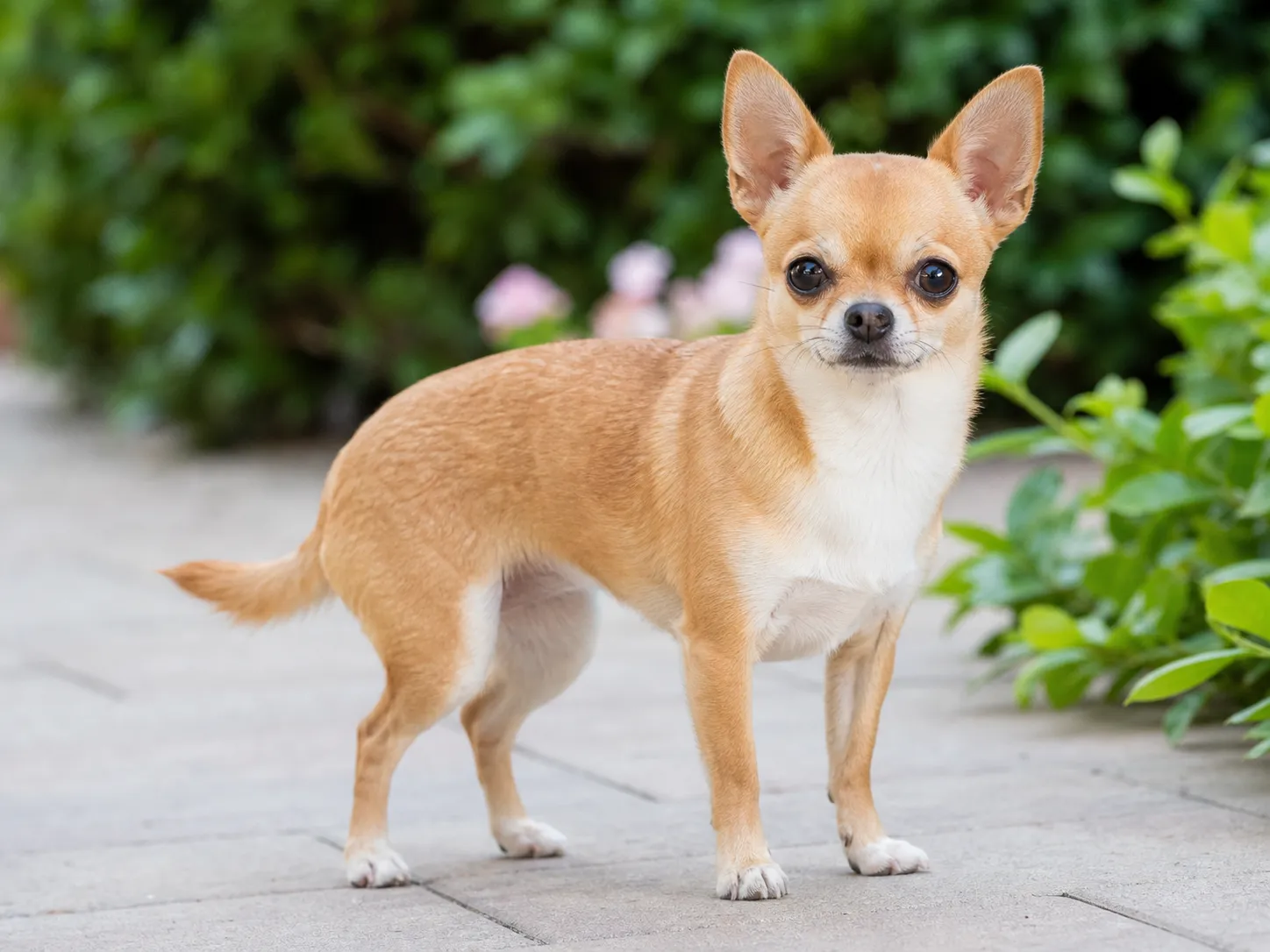
Is your dog a purebred chihuahua, or is there a little something else in the mix? It is one of the most common questions we hear from new owners, especially those who bought a puppy without papers or adopted a small dog of unknown background.
We are AKC chihuahua breeders in Traverse City, Michigan, and every puppy we raise comes from registered parents. This guide explains what makes a purebred chihuahua, how registration and pedigrees work, what DNA tests can and can’t tell you, and the physical traits described in the breed standard.
The AKC Chihuahua breed page describes the official standard for the breed, and labs like the UC Davis Veterinary Genetics Laboratory offer DNA testing for parentage and genetic health.
Purebred chihuahua: the short answer
A purebred chihuahua has two chihuahua parents, who in turn come from generations of chihuahuas. The most reliable proof is registration with a recognised kennel club such as the AKC, backed by a pedigree and, ideally, DNA verification.
Looks alone can’t prove purebred status. Some purebreds don’t match the show standard, and some mixes look very chihuahua-like. Papers and DNA together give the clearest answer.
What does “purebred” mean?
“Purebred” means a dog’s ancestors all belong to the same recognised breed. For chihuahuas, that means a family tree of chihuahuas going back many generations.
A registered purebred is one whose parents are recorded with a kennel club, so the puppy can be registered too. Not every purebred is registered, but registration is the clearest documented proof. Our chihuahua history guide explains how the breed developed.
Purebred chihuahua: 9 proven ways to tell
- AKC registration papers for the puppy.
- Registered parents and a litter registration.
- A multi-generation pedigree.
- DNA parentage verification.
- A breed DNA test.
- Meeting the parents in person.
- Size and weight within the standard.
- Head, ears, eyes and tail typical of the breed.
- Coat types and colours accepted for the breed.
The first five are documents and tests. The last four are physical clues that support, but can’t replace, proper paperwork.
AKC registration and papers
When a breeder registers a litter with the American Kennel Club, each puppy receives a registration application. The new owner completes it to register the puppy in their name.
AKC papers show the dog’s registered name, number, breed, sex, colour and parents. Ask to see the parents’ registration certificates and the litter paperwork before you buy a purebred chihuahua.
AKC puppies may come with limited or full registration. Our AKC limited vs full registration guide explains the difference.
Reading a pedigree
A pedigree is a family tree showing a dog’s ancestors, usually for three to five generations. Certified pedigrees from the AKC list registered names, numbers and colours, and sometimes titles earned in shows or sports.
A full pedigree of chihuahuas is strong evidence of a purebred chihuahua. Be careful with homemade pedigrees that don’t link to registration numbers; they are easy to invent.
DNA tests: what they can tell you
There are two main kinds of DNA tests, and they answer different questions.
| Test | What it shows | Best for |
|---|---|---|
| Parentage verification | Whether a puppy’s DNA matches its stated parents | Confirming a registered litter |
| Breed identification | An estimate of which breeds make up a dog | Dogs with unknown background |
| Genetic health panel | Carrier or affected status for inherited conditions | Responsible breeding and health planning |
Breed tests are a fun, useful guide, especially for rescued dogs. However, they compare your dog against reference samples and give an estimate, not a legal proof. Parentage tests linked to registered parents are much stronger evidence.
Ask a breeder whether the parents have an AKC DNA profile. It lets the AKC verify parentage if there is ever a question about a litter.
Meet the parents
Seeing the mother, and ideally the father, tells you a lot. You can check their size, temperament, coat and health, and compare their papers with what the breeder tells you.
If the father lives elsewhere, ask for his registration details and photos. A breeder who is proud of their purebred chihuahua lines will be happy to share this information. Our how to choose a chihuahua breeder guide lists other things to check.
The purebred chihuahua breed standard
The AKC breed standard describes the ideal chihuahua. Pet dogs don’t need to be show-perfect to be purebred, but the standard shows what the breed should generally look like.
- Weight – not to exceed 6 pounds.
- Head – a well-rounded “apple dome” skull, with or without a molera.
- Muzzle – moderately short and slightly pointed.
- Ears – large and erect, flaring to the sides when relaxed.
- Eyes – full, round and expressive, but not bulging.
- Body – slightly longer than tall, with a level back.
- Tail – moderately long, carried up in a sickle or loop.
- Coat – smooth or long.
Read the full details in our AKC chihuahua breed standard guide.
Size and weight
Size is one of the first clues to a purebred chihuahua. Most adult purebred chihuahuas weigh between about 3 and 6 pounds. Some healthy pet chihuahuas are a little heavier, especially if they come from bigger lines, but a dog of 12 to 15 pounds is more likely to be a mix.
Puppies grow quickly, so weight alone is not reliable until adulthood. Our chihuahua weight chart shows typical growth by age.
Apple head vs deer head
The breed standard calls for an apple-shaped head. Many pets have a longer “deer head” shape with a flatter skull and longer muzzle.
A deer head chihuahua can still be a purebred chihuahua; it just isn’t the show ideal. Our apple head vs deer head chihuahua guide explains the differences.
Ears, eyes and tail
Large, upright ears are a hallmark of the purebred chihuahua. Puppy ears can take months to stand, so floppy ears in a young puppy don’t rule out purebred status. See our when do chihuahua ears stand up guide.
Round, expressive eyes and a tail carried over the back in a sickle or loop are also typical. A very long muzzle, heavy body, drooping ears in adulthood or a straight, low tail may hint at another breed.
Coat types and colours
Purebred chihuahuas come in two coat types: smooth and long. Both are equally purebred. Our long coat vs smooth coat chihuahua guide compares them.
Chihuahuas come in many colours and patterns, including fawn, cream, black, chocolate, blue and parti-colours.
The AKC disqualifies merle in the show ring. A merle dog may still be part chihuahua or purebred by ancestry but cannot be shown. See our chihuahua colors and merle chihuahua guides.
The molera
Many a purebred chihuahua has a molera, a soft spot on top of the skull similar to a baby’s fontanelle. The breed standard allows it.
Having or not having a molera doesn’t prove or disprove purebred status, but it is a breed trait worth knowing about. Our chihuahua molera guide explains how to care for it.
Other registries
The AKC is the best-known registry in the United States, but it isn’t the only one. The United Kennel Club (UKC) also registers chihuahuas, and other countries have their own national kennel clubs.
Be aware that some registries have very loose rules and will register almost any dog for a fee. A certificate from an unfamiliar registry doesn’t carry the same weight as AKC papers. If you’re unsure, ask whether the registry checks parentage or requires both parents to be registered.
For buyers in the US, AKC registration remains the standard for a purebred chihuahua.
Purebred chihuahua temperament
Temperament can’t prove ancestry, but chihuahuas are known for a distinctive personality. A purebred chihuahua is typically alert, loyal, confident, a little sassy and devoted to their people.
Many choose a favourite person and like to stay close, and they make keen little watchdogs. Mixes may show traits from the other breed, such as a strong digging instinct from terriers or a calmer, lazier nature from pugs.
Early socialisation shapes temperament as much as genes do. Our chihuahua temperament guide explains what to expect.
Health testing in purebred lines
One big advantage of a well-bred purebred chihuahua is that responsible breeders can screen for inherited problems. Common checks include kneecaps (patellas), hearts and eyes, plus DNA tests where available.
Ask the breeder which tests the parents have had and request copies of the results. A purebred dog from untested parents doesn’t offer the same peace of mind.
Our guides on luxating patella and heart murmurs explain two conditions breeders watch closely.
Puppies change as they grow
Young puppies can look very different from the adults they become. Ears may flop for months, coats lengthen and colours can lighten or darken.
That is why judging a young puppy by looks alone is risky. Rely on the parents’ papers and appearance, and give your puppy time to grow into their purebred chihuahua features.
Signs your dog may be a mix
- Adult weight well above 8 to 10 pounds.
- A long, narrow muzzle and flat skull together.
- Ears that stay folded or drooping in adulthood.
- A wiry or curly coat.
- Long legs and a tall, lean body.
- A low-set or straight tail.
Popular chihuahua mixes include crosses with dachshunds, Jack Russell terriers, pugs and Yorkshire terriers. Our chihuahua mixes guide covers them.
“Teacup” and other marketing terms
Terms such as “teacup”, “micro” and “pocket” are not official breed varieties. A purebred chihuahua is simply a chihuahua; size labels are marketing.
Extremely tiny dogs can face more health risks. Our teacup chihuahua and teacup vs standard chihuahua guides explain why.
Does purebred really matter?
For many owners, a loving, healthy dog matters more than a pedigree. Mixed breeds make wonderful companions, and shelters have many small dogs waiting for homes.
The right choice depends on what you value. If you want a dog that will stay tiny, have a predictable coat and come with a known health history, a registered puppy from a careful breeder is the safer route.
That said, a registered purebred chihuahua from health-tested parents gives you more predictability in size, coat, temperament and health. It also lets you trace inherited conditions through the family tree. Our chihuahua health problems guide lists conditions good breeders screen for.
Purebred chihuahua prices
Registered puppies from health-tested parents usually cost more than puppies without papers. You are paying for the parents’ care, health testing, vet checks, vaccinations and the breeder’s time and support.
At Chihuvas, our puppies range from $1,250 to $3,000 depending on colour, coat and size. Our chihuahua cost guide explains what affects price and ongoing costs.
Buying checklist
- See the parents’ AKC registration certificates.
- Ask for the litter registration and puppy application.
- Request a pedigree with registration numbers.
- Ask about DNA profiles and genetic health testing.
- Meet the mother and see where puppies are raised.
- Get a written health guarantee and vet records.
- Check the breeder’s reviews and references.
Our how to pick a chihuahua puppy and breeder reviews pages can help you decide.
Paperwork you should receive
When you bring home a registered puppy, you should leave with a small folder of documents. Keep them somewhere safe, as you may need them for vet visits, insurance or travel.
| Document | Why it matters |
|---|---|
| AKC registration application | Lets you register the puppy in your name |
| Pedigree | Shows the family tree and registration numbers |
| Vaccination and deworming records | Your vet needs these to plan the next shots |
| Vet health certificate | Confirms the puppy was examined before going home |
| Microchip details | Needed to register the chip in your name |
| Health guarantee | Explains what is covered and for how long |
If any of these are missing, ask before you pay the balance. A breeder selling a registered purebred chihuahua should have them ready.
Complete the AKC registration promptly after bringing your puppy home. It only takes a few minutes online and makes your dog’s records official. You will receive a certificate in your name, which is worth keeping with your dog’s vet records and microchip details.
What if your dog has no papers?
If your dog came without papers, you may never know for certain whether they are a purebred chihuahua. You usually can’t register them as a purebred later. A breed DNA test can still give you a good idea of their background, and it can be fun to learn more.
Remember that papers don’t change who your dog is. A chihuahua without paperwork deserves the same love, care and good food as any show dog.
Myths and facts
| Myth | Fact |
|---|---|
| Deer heads aren’t purebred. | They can be purebred; they just aren’t the show ideal. |
| Teacup is a separate breed. | It is a marketing term, not an official variety. |
| A DNA breed test proves purebred status. | It gives an estimate; registration and parentage tests are stronger. |
| Long coats are mixed. | Long and smooth coats are both purebred. |
Knowing the facts makes it easier to judge whether a dog is a purebred chihuahua and to buy with confidence.
Related guides
Want to learn more about the breed? Our chihuahua puppy development, Michigan chihuahua breeder and available chihuahua puppies pages are good next steps.
Our approach
At Chihuvas, every puppy comes from AKC-registered parents raised in our Traverse City, Michigan home. Families receive AKC registration paperwork, the parents’ details and full health records, so there is never any doubt about where their puppy comes from.
Every puppy goes home with vaccinations, a microchip, a vet health certificate, AKC registration and a two-year genetic health guarantee. We deliver nationwide by in-cabin chihuahua flight nanny and stay in touch for life.
See our available puppies, send us an inquiry or meet our family on our chihuahua breeder Michigan page.
Papers tell the story, but care and love make the dog.
Chihuvas breeding teamChihuvas is an AKC-registered Chihuahua breeder based in Michigan, and we deliver our puppies nationwide across the US. Every puppy is health-checked, vaccinated for their age and socialised from birth. See our available puppies →
Common questions about purebred chihuahua
Looking for a healthy puppy?
Every puppy is vet-checked, raised in our Michigan home and delivered nationwide with a health guarantee.
View available puppies →