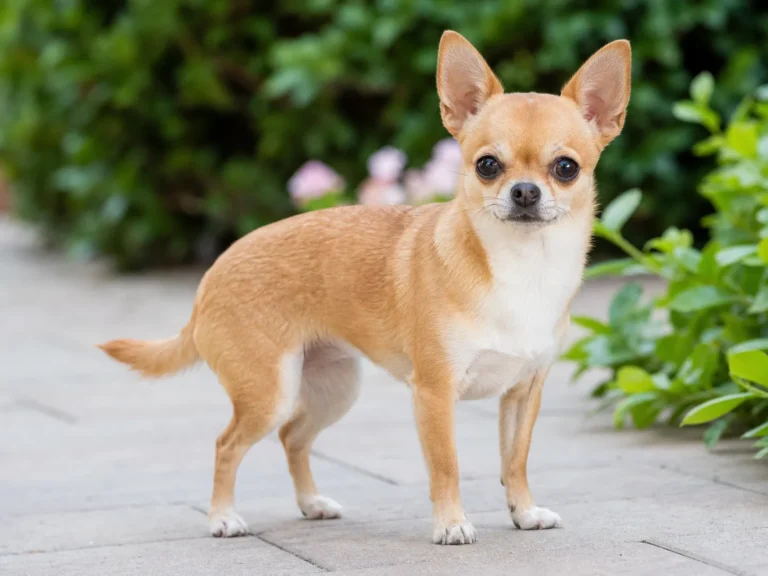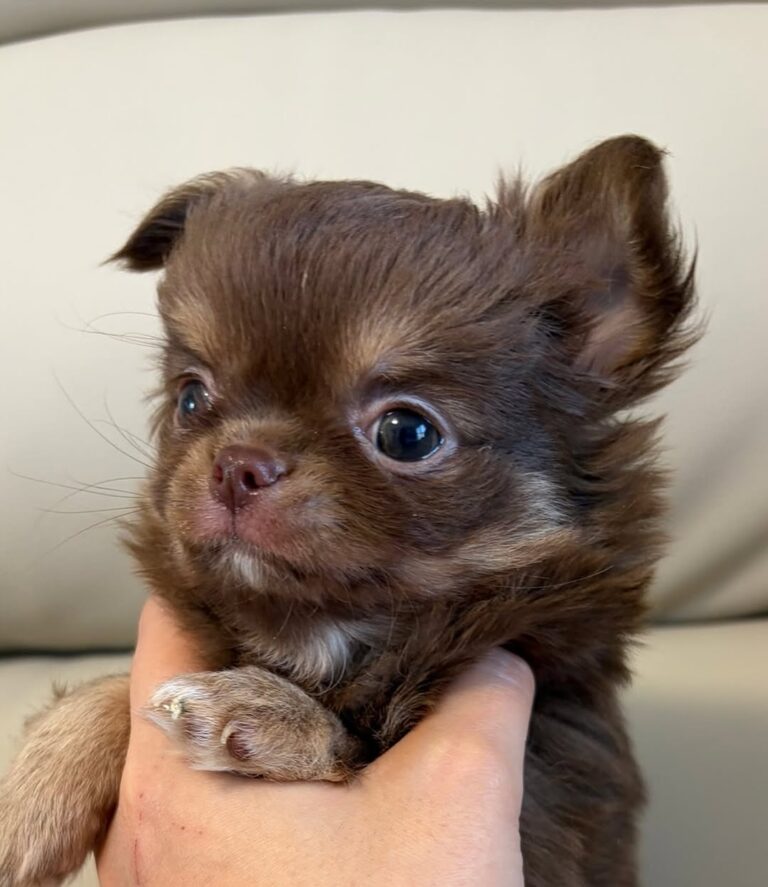
Popular chihuahua mixes: Chiweenie, Pomchi and more
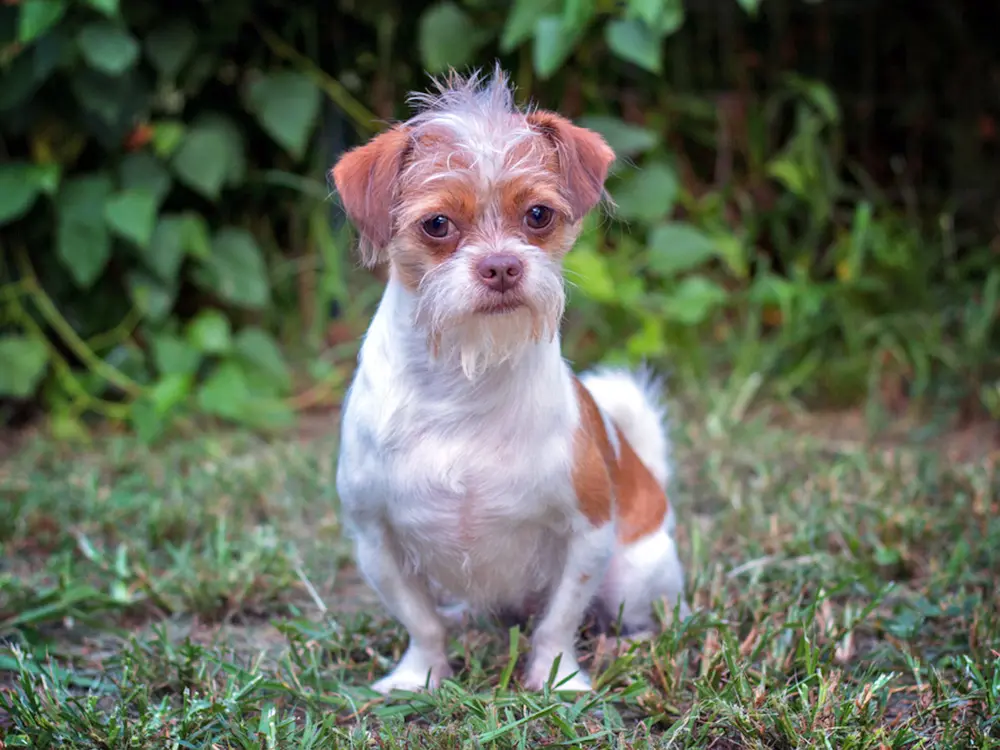
Chihuahua mixes combine the chihuahua’s big personality with traits from another breed, from the long body of a dachshund to the fluffy coat of a Pomeranian. They are popular, often adorable and sometimes a little unpredictable.
We are AKC chihuahua breeders in Michigan, and families often ask us about mixes before choosing a puppy. This guide covers the most popular chihuahua mixes, their size, coat, temperament and health, how they compare with purebreds and what to check before buying or adopting one.
For the purebred breed profile, see the AKC chihuahua page. If you are thinking about adopting, Petfinder lists chihuahuas and mixes in rescues across the US.
What are chihuahua mixes?
Chihuahua mixes are dogs with one chihuahua parent and one parent of another breed, or with mixed ancestry that includes chihuahua. Many are given catchy blended names, such as Chiweenie or Pomchi.
First-generation mixes come from two purebred parents of different breeds. Later generations come from two mixed parents, which makes their looks and temperament even less predictable.
Mixes are sometimes marketed as “designer dogs”. That label says nothing about quality, so the same care is needed in choosing a breeder or rescue as with any puppy.
Popular chihuahua mixes include the Chiweenie, Pomchi, Chorkie, Chipoo, Jack Chi, Chug and Malchi. Size, coat and health depend heavily on the other breed. Mixes can’t be AKC registered, and they aren’t automatically healthier than purebreds.

Popular chihuahua mixes at a glance
Here is a quick comparison of the best-known chihuahua mixes. Sizes are typical adult ranges and vary a lot between individual dogs.
| Mix | Other breed | Typical weight | Coat | Watch-outs |
|---|---|---|---|---|
| Chiweenie | Dachshund | 5 to 12 lb | Short or long | Back problems |
| Pomchi | Pomeranian | 4 to 10 lb | Fluffy, double | Collapsed trachea, dental issues |
| Chorkie | Yorkshire terrier | 3 to 8 lb | Silky | Dental issues, low blood sugar |
| Chipoo | Toy poodle | 4 to 12 lb | Wavy or curly | Eye problems, patella |
| Jack Chi | Jack Russell terrier | 8 to 18 lb | Short, smooth | High energy, patella |
| Chug | Pug | 10 to 20 lb | Short | Breathing problems, overheating |
| Malchi | Maltese | 3 to 8 lb | Soft, often white | Dental issues, tear staining |
Chiweenie: chihuahua and dachshund
The Chiweenie is one of the most popular mixes of all. It often has a long body, short legs and the chihuahua’s alert face.
Chiweenies tend to be playful, loyal and vocal, with a strong love of burrowing under blankets. They can be stubborn, so patient, positive training works best.
The main health concern is the back. Dachshunds are prone to intervertebral disc disease, and a long-backed mix can inherit that risk, so ramps, a healthy weight and no jumping from furniture help protect the spine.
Pomchi: chihuahua and Pomeranian
The Pomchi is a small, fluffy companion with a foxy face and a lively personality. Many have a thick double coat that needs regular brushing.
Pomchis are usually friendly, curious and confident, though they can be wary of strangers. They often bark to alert you to anything new.
Both parent breeds are prone to tracheal collapse and dental crowding. Use a harness instead of a collar, as our collapsed trachea guide explains, and keep up with daily tooth care.
Chorkie: chihuahua and Yorkshire terrier
Chorkies are tiny, spirited dogs with a silky coat that may be long or medium. They are often bold, affectionate and very attached to their people.
Because both parents are toy breeds, Chorkies can be very small. Tiny puppies need frequent meals to avoid low blood sugar, and their small mouths are prone to dental disease.
A Chorkie’s coat often needs regular grooming to prevent tangles, especially around the ears and legs.
Chipoo: chihuahua and toy poodle
The Chipoo, also called a Choodle, combines the chihuahua with a toy poodle. Coats range from wavy to curly, and some shed less than a typical chihuahua.
Chipoos are often clever and quick to learn, thanks to the poodle’s intelligence. They enjoy puzzle toys and short training games.
No dog is truly hypoallergenic, and coat type in mixes is hard to predict. If allergies are a concern, spend time with the actual puppy and parents before committing.
Jack Chi: chihuahua and Jack Russell terrier
The Jack Chi is a bundle of energy. It usually has a short coat, a sturdy body and a strong terrier streak.
Jack Chis need more exercise and mental stimulation than most chihuahuas. Without it, they can dig, chew and bark out of boredom.
They often have a high prey drive inherited from the Jack Russell, so care is needed around small pets and in unfenced areas.
Chug: chihuahua and pug
The Chug is a stocky, affectionate mix with a shorter face than a chihuahua. Many are calm, cuddly and comical.
If the face is very short, a Chug can have breathing problems and struggle in heat. Watch for snoring, noisy breathing and tiring quickly on warm days.
Chugs also tend to gain weight easily, so portion control and daily walks matter.
Malchi: chihuahua and Maltese
The Malchi is a gentle, affectionate toy mix with a soft coat, often white or cream. Many are lap dogs at heart.
Malchis can be prone to tear staining, dental disease and the same small-dog issues as both parents. Regular face cleaning and tooth brushing help.
Their coat usually needs frequent brushing and occasional trims to stay comfortable and tangle-free.
Other chihuahua mixes you may see
Many other chihuahua mixes turn up in rescues and listings. A few of the more common ones are below.
- Chipin: chihuahua and miniature pinscher; energetic, sleek and alert.
- Cheagle: chihuahua and beagle; friendly, food-motivated and often larger.
- Shichi: chihuahua and shih tzu; affectionate with a longer coat.
- Chi-Spaniel: chihuahua and cocker spaniel; gentle but needs coat care.
- Chusky: chihuahua and husky; rare, unpredictable in size and energy.
These rarer crosses are less likely to come from breeders who health test, so ask extra questions about the parents and any vet records.
With less common mixes, size and temperament can vary even more. Always ask to meet at least one parent.
Health in chihuahua mixes
A common belief is that chihuahua mixes are always healthier than purebreds. The reality is more complicated: a mix can inherit health problems from either parent breed.
Some mixes may avoid a condition common in one breed, but they can just as easily pick up a problem from the other. A Chiweenie can have back issues, and a Chug can have breathing problems that a purebred chihuahua is less likely to face.
| Condition | Mixes most at risk |
|---|---|
| Back and disc problems | Chiweenie and other long-backed mixes |
| Breathing problems and overheating | Chug and short-faced mixes |
| Collapsed trachea | Pomchi, Chorkie and other toy mixes |
| Luxating patella | Almost all small mixes |
| Dental disease | All toy mixes |
| Low blood sugar | Very small mixes, especially as puppies |
Health depends far more on the parents and their testing than on whether a dog is mixed or purebred. Our chihuahua health problems guide covers the conditions to watch for.
How long do mixed chihuahuas live?
Small dogs generally live longer than large ones, and most chihuahua crosses follow that pattern. Many reach their early to mid teens with good care.
Mixes with a larger or shorter-faced parent may have a slightly different outlook, depending on the health risks they inherit. A healthy weight, dental care and regular vet visits make the biggest difference for any small dog.
Our chihuahua lifespan guide explains how to help a small dog live a long, healthy life.
Why mixes are harder to predict
With a purebred chihuahua, you can predict adult size, coat and temperament fairly well. With chihuahua mixes, each puppy can lean towards one parent or the other.
Even littermates can look and behave very differently. One Chiweenie puppy may have a long dachshund body and a smooth coat, while its sibling looks almost like a long-coat chihuahua.
If you have specific needs, such as a dog under six pounds or a low-energy companion, a purebred chihuahua from known lines is usually the safer choice.
Chihuahua mixes with kids and other pets
Many chihuahua mixes make good family dogs, but size and temperament matter a lot. Smaller toy mixes are as fragile as purebred chihuahuas and need gentle handling and supervision around children.
Larger, sturdier mixes such as the Cheagle or Jack Chi can cope better with active households, but they also need more exercise and training. Terrier mixes may chase cats and small pets.
Our guides on whether chihuahuas are good with kids and chihuahuas and other pets apply to most chihuahua mixes too.
Training a chihuahua mix
Training chihuahua mixes works best with short, positive sessions and plenty of treats. Many inherit the chihuahua’s stubborn streak, so patience pays off.
- Start house training on day one with frequent potty breaks.
- Socialize gently with new people, places and sounds.
- Use puzzle toys and short games for clever mixes like the Chipoo.
- Give high-energy mixes like the Jack Chi daily walks and play.
- Never use harsh corrections, which can make small dogs fearful.
Our potty training guide and socialization guide work just as well for mixes.
Grooming different mix coats
Grooming needs depend on which coat a mix inherits. A short-coat Chiweenie or Jack Chi needs only a weekly brush, while a fluffy Pomchi or silky Chorkie may need brushing several times a week.
Curly or wavy Chipoo coats can mat quickly and often need professional trims every six to eight weeks. Every mix needs regular nail trims, ear checks and daily tooth brushing.
Our chihuahua grooming guide covers the basics for any small dog.
Questions to ask about chihuahua mixes
Before you buy one of the many chihuahua mixes on offer, ask these questions.
- What breeds are the parents, and can I meet them?
- How big are the parents, and how big were previous puppies?
- What health checks have the parents had?
- What does the puppy’s coat look like now, and what might it become?
- How has the puppy been socialized?
- Will you take the dog back if it doesn’t work out?
A breeder or rescue who can answer these clearly is far more likely to give you a healthy, well-adjusted dog.
Can chihuahua mixes be AKC registered?
No. The AKC registers purebred dogs only, so chihuahua mixes can’t receive AKC registration papers.
Mixed-breed dogs can join the AKC Canine Partners program, which lets them compete in sports such as agility, obedience, rally and scent work. Some designer-dog registries exist, but they don’t have the same standards or recorded pedigrees.
If papers matter to you, our guide to AKC limited vs full registration explains how registration works for purebred puppies.
How much do chihuahua mixes cost?
Prices for chihuahua mixes vary widely. Some designer mixes sell for as much as a purebred, while many wonderful mixes are available from rescues for a modest adoption fee.
A high price for a mix doesn’t guarantee health testing or good breeding. Ask the same questions you would ask any breeder, and be wary of sellers who focus on cute names and photos rather than parents and health records.
Adopting a chihuahua mix
Chihuahuas and their mixes are among the most common small dogs in US shelters and rescues. Adopting can be a wonderful way to give a dog a second chance.
- Ask the rescue about the dog’s history, health and behavior with people and pets.
- Look for rescues that foster dogs in homes, so they know each dog’s personality.
- Expect an application and home check, which is a good sign.
- Plan a vet visit soon after adoption.
- Give the dog time to settle, often a few weeks or more.
Adult rescues are a great choice for families who want to know a dog’s size and personality up front. Our guides to training tips and chihuahua anxiety can help a new rescue settle in.
Chihuahua mixes vs purebred chihuahuas
| Chihuahua mix | Purebred chihuahua | |
|---|---|---|
| Size | Varies with the other breed | Under 6 lb per AKC standard |
| Coat | Hard to predict | Smooth or long, predictable |
| Temperament | Can lean either way | Well known breed traits |
| Health | Risks from both parent breeds | Known breed risks, can be tested for |
| AKC registration | Not available | Available |
| Where to find | Breeders, rescues, shelters | Health-testing breeders, breed rescues |
Some families start with a rescue mix and later add a purebred puppy, or the other way round. Many households happily have one of each.
Both can make loving companions. The right choice depends on how much predictability you want and whether papers and breed-specific health testing matter to you.
How to choose a healthy dog
Whether you choose one of the many chihuahua mixes or a purebred, the same rules protect you and the puppy.
- Meet the puppy and at least the mother, in person or on live video.
- Ask what health checks both parents have had.
- Make sure the puppy is at least eight weeks old before going home.
- Get vet records and a written contract.
- Choose a breeder or rescue that asks you questions too.
Our guides on how to choose a chihuahua breeder cover these checks in detail.
Our purebred chihuahua puppies
At Chihuvas, we breed only purebred AKC chihuahuas, so you know what to expect in size, coat and temperament. Every puppy is raised in our Traverse City, Michigan home from AKC-registered, health-checked parents.
Puppies go home with vaccinations, a microchip, a vet health certificate, AKC registration and a two-year genetic health guarantee. We deliver nationwide by in-cabin chihuahua flight nanny.
Browse smooth-coat and long-coat puppies in many colors, including merle and blue, on our available puppies page. You can also send us an inquiry or meet our family on our chihuahua breeder in Michigan page.
A mix can be a wonderful dog. The key, mixed or purebred, is knowing where your puppy came from and how its parents were cared for.
Chihuvas breeding teamChihuvas is an AKC-registered Chihuahua breeder based in Michigan, and we deliver our puppies nationwide across the US. Every puppy is health-checked, vaccinated for their age and socialised from birth. See our available puppies or send us an inquiry.
Common questions about chihuahua mixes
Prefer a purebred chihuahua?
Our AKC chihuahua puppies are raised in our Michigan home from health-checked parents, with predictable size and coat. We deliver nationwide.
View available puppies →