Chihuahua molera: the soft spot explained
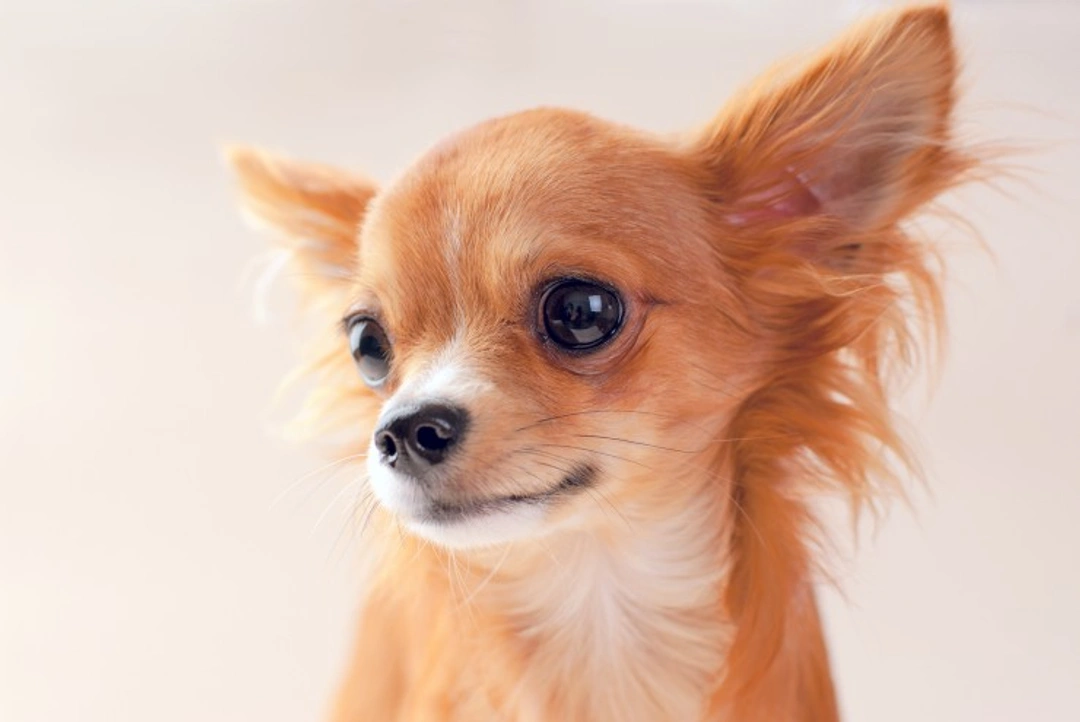
If you have felt a small soft spot on top of your puppy’s head, you have found the chihuahua molera. It can be worrying the first time you notice it, but in most chihuahuas it is a normal and well-known breed trait.
We are AKC chihuahua breeders in Traverse City, Michigan, and families often ask us about the chihuahua molera when they first hold their puppy. This guide explains what it is, when it closes, when it might be a concern and how to keep your dog safe.
The molera is mentioned in the breed standard on the AKC chihuahua breed page, and the Chihuahua Club of America also recognizes it as a breed characteristic.
What is a chihuahua molera?
A chihuahua molera is a soft spot on the top of the skull where the skull bones have not fully joined. It sits roughly in the middle of the head, between and slightly behind the ears.
It is very similar to the soft spot, or fontanelle, on a human baby’s head. Under the skin, the brain is protected by membranes rather than bone in that small area.
A chihuahua molera is a soft spot on top of the skull where the bones haven’t fully fused. It is common and usually normal in chihuahuas. Many shrink or close in the first year, though some stay open for life; handle the head gently and see your vet if the molera is very large or comes with other signs like seizures or a domed head.

Why do chihuahuas have a molera?
The chihuahua molera is linked to the breed’s rounded, apple-dome skull. A small body with a large, rounded head means the skull bones take longer to close, and in some dogs they never fully meet.
- Chihuahuas have one of the most rounded skull shapes of any breed.
- Puppies are born with soft, unjoined skull plates in all breeds.
- In most breeds the plates close within weeks; in chihuahuas they often close later.
- The trait runs in the breed and is considered a normal characteristic.
Other small, dome-headed breeds can also have soft spots, but the chihuahua is by far the best known for it.
How to find the soft spot
You can usually find the chihuahua molera with a very gentle touch. Use the flat pad of one finger and do not press.
- Rest your fingertip lightly on the center of the top of the head.
- Feel for a small area that is softer than the bone around it.
- You may feel a faint pulse; this is normal.
- Never push, tap or probe the soft spot.
If you aren’t sure, ask your vet to show you at your puppy’s first visit. They can also note the size for future checks.
Normal molera size
Most chihuahua molera spots are small, often around the size of a fingertip or smaller. Shape varies from round to diamond or slightly oval.
| Molera size | What it usually means |
|---|---|
| Very small or closed | Common in adults; no special concern |
| Small, fingertip size or less | Typical in puppies and many adults |
| Medium | Usually fine; monitor with your vet |
| Very large, or growing | Ask your vet to check for other problems |
Size alone doesn’t tell the whole story. A healthy, playful dog with a medium molera is usually doing just fine.
When does a chihuahua molera close?
Many chihuahua molera spots shrink steadily as the puppy grows, and lots close during the first year. Others close more slowly, and some never fully close.
| Age | What is typical |
|---|---|
| Birth to 8 weeks | Soft spot present in most puppies |
| 8 weeks to 6 months | Often shrinking as the skull grows |
| 6 months to 1 year | Many close or become very small |
| Adult | Some stay open for life, which is usually normal |
An open molera in an adult is not a disease. It simply means your dog needs a little extra care around the top of its head.
The chihuahua molera and the breed standard
The AKC breed standard describes the chihuahua skull as a well-rounded “apple dome”, with or without molera. In other words, the chihuahua molera is accepted and is not a show fault in the US.
This tells you how normal the trait is in the breed. Breeders, judges and vets who know chihuahuas are very familiar with it.
Normal vs concerning
In most dogs, a chihuahua molera is just part of the breed. It becomes a concern only when it is unusually large or comes with other symptoms.
| Usually normal | Ask your vet |
|---|---|
| Small to medium soft spot | Very large soft spot, or one that is getting bigger |
| Active, playful puppy | Dull, sleepy or slow to learn |
| Normal eye position | Eyes that point down and outward |
| Normal walking and balance | Wobbly walking, circling or head pressing |
| No seizures | Seizures or episodes of staring |
If you notice anything in the right-hand column, book a vet visit. Early checks give peace of mind or early treatment.
Chihuahua molera and hydrocephalus
Hydrocephalus is a build-up of fluid around the brain. It is more common in toy breeds, and people sometimes confuse it with the chihuahua molera.
A molera does not mean a dog has hydrocephalus. However, dogs with hydrocephalus often have large moleras, so a very large soft spot along with other signs needs a vet check.
- Most dogs with a molera do not have hydrocephalus.
- Hydrocephalus is diagnosed by a vet, often with an ultrasound or scan.
- The molera can act as a “window” for an ultrasound of the brain in puppies.
- Signs usually appear in the first months of life.
Warning signs to watch for
Most dogs with a soft spot live completely normal lives. Still, it helps to know which signs need attention.
- A very large or growing soft spot.
- A domed, swollen-looking head.
- Eyes that point down and outward.
- Seizures, tremors or staring spells.
- Wobbly walking, circling or pressing the head against walls.
- Slow learning, confusion or very poor potty training progress.
- Sudden changes in behavior after a bump to the head.
If your dog bumps its head hard, falls from a height or is stepped on, call your vet straight away, especially if it has an open chihuahua molera. Watch for wobbliness, vomiting, unusual sleepiness or uneven pupils.
Vet checks for a chihuahua molera
Your vet will check the chihuahua molera at your puppy’s first visit and at routine checkups. They will note its size and shape so they can track changes.
- Ask your vet to measure the molera and record it.
- Mention any changes you notice at home.
- Ask whether an ultrasound is worth doing if the molera is large.
- Discuss any behavior, balance or eye changes.
Regular checkups are part of good care for any small dog. Our chihuahua vaccination schedule guide explains the early vet visit timeline.
Daily care for a chihuahua molera
Living with a chihuahua molera is easy with a few simple habits. The main goal is to protect the top of the head from bumps and pressure.
- Pet your dog on the back, chest or cheeks rather than tapping the head.
- Choose soft toys rather than hard balls that could hit the head.
- Use a harness rather than a collar for walks to avoid pulling at the neck.
- Groom gently around the head and ears.
- Keep your dog away from rough play with bigger dogs.
A harness is better for chihuahuas for other reasons too. Our chihuahua collapsed trachea guide explains why.
Safe handling
Good handling protects your dog’s head, neck and back. Teach everyone in the home to pick up and hold a chihuahua the right way.
- Scoop with one hand under the chest and the other under the rear.
- Hold your dog close to your body.
- Never lift by the front legs, scruff or head.
- Sit down when holding a puppy, especially children.
- Put your dog down gently on all four feet.
Safe handling also prevents falls, which are one of the most common causes of injury in tiny dogs.
A safe home for a chihuahua molera
A few changes around the house help protect a dog with an open chihuahua molera.
- Use pet stairs or ramps for beds and sofas.
- Block off open staircases with baby gates.
- Pad sharp furniture corners at head height.
- Keep heavy objects off low shelves where they could fall.
- Watch your step; small dogs love to follow at your feet.
Our why does my chihuahua follow me everywhere guide explains why tiny dogs are so often underfoot.
Children and other pets
Children and larger pets are the most common source of accidental bumps. With a chihuahua molera, a few rules keep everyone safe.
- Teach children to sit on the floor to hold the dog.
- Explain that the top of the head is “no touching”.
- Supervise every play session with children.
- Keep play with larger dogs calm and supervised.
Our guides to chihuahuas and kids and chihuahuas with other dogs have more tips.
Buying a puppy with a soft spot
A small chihuahua molera is common and usually no reason to pass on a puppy. What matters most is the puppy’s overall health and behavior.
- Ask the breeder about the size of the molera.
- Make sure the puppy is active, curious and eating well.
- Check that the eyes look straight ahead and the puppy walks normally.
- Ask for health records and a written health guarantee.
- Have your vet check the molera within the first week.
Our guides on how to choose a chihuahua breeder cover what else to check.
Molera and breeding
Responsible breeders track molera size in their puppies and breeding dogs. While a small molera is normal, breeders aim for healthy, sound dogs with good overall structure.
- Breeding dogs should be healthy, active and free of neurological signs.
- Breeders note molera size in puppy records.
- Puppies with very large moleras or other signs should be checked by a vet.
- Health guarantees should cover congenital problems.
Our how we raise chihuahua puppies page explains our approach to health and care.
Grooming and bathing
Grooming is safe with a few small adjustments. Work slowly around the head and keep your dog calm and steady.
- Use a soft brush on the head and avoid pressing down.
- Support the head gently with your palm rather than gripping it.
- Pour water from the neck down rather than over the top of the head.
- Wipe the face and head with a soft, damp cloth.
- Use a grooming table mat so your dog doesn’t slip.
Our how to bathe a chihuahua guide walks through a safe bath routine for tiny dogs.
Travel and carriers
A well-designed carrier protects your dog from bumps during car rides and flights. Choose one with soft sides and enough height for your dog to sit up.
- Pick a padded, soft-sided carrier with mesh panels.
- Secure the carrier with a seat belt in the car.
- Avoid hard roof bars or zips that sit right above the head.
- Keep the carrier steady when walking through busy places.
Our travelling with a chihuahua guide has more tips for safe trips.
Questions to ask your vet
Going into a vet visit with a short list helps you get clear answers. Here are useful questions to bring.
- How big is my dog’s soft spot, and is that normal for its age?
- Is it likely to close, and how will we track it?
- Are there any signs I should watch for at home?
- Would an ultrasound be useful now or later?
- Are there any activities my dog should avoid?
Write the answers down and keep them with your dog’s health records. They are handy if you see a new vet or need advice in a hurry.
Puppies vs adult dogs
Puppies have softer, more flexible skulls, so they need the most care. As dogs grow, the skull thickens and the soft spot often shrinks.
| Stage | Care focus |
|---|---|
| Young puppy | Gentle handling, playpen time, no rough play |
| Adolescent | Supervised play, stairs and ramps, harness training |
| Adult with closed spot | Normal care for a small dog |
| Adult with open spot | Gentle head contact and fall prevention for life |
Most adult dogs with an open soft spot live long, full lives. The extra care quickly becomes second nature.
Keep an eye out for changes as your dog ages, just as you would with any small breed. Regular checkups help catch any new issues early, whether or not they relate to the head.
Senior dogs may have weaker balance and eyesight, so fall prevention matters even more later in life. Ramps, night lights and non-slip rugs all help.
Myths about the chihuahua molera
There is a lot of confusion online about the chihuahua molera. Here are the facts.
| Myth | Fact |
|---|---|
| A molera means the dog is sick | Most chihuahuas with a molera are perfectly healthy |
| Every molera closes | Some stay open for life, which is usually normal |
| A molera always means hydrocephalus | Only a large molera with other signs needs checking |
| Show dogs can’t have a molera | The AKC standard allows “with or without molera” |
| You can’t touch the head at all | Gentle petting is fine; avoid pressure and taps |
Knowing the facts helps you enjoy your puppy without worry while still keeping it safe.
Our approach to the chihuahua molera
At Chihuvas, we check every puppy’s chihuahua molera and note it in their health records before they leave our Traverse City, Michigan home. We show every family how to find it and how to handle their puppy safely.
Every puppy goes home with vaccinations, a microchip, a vet health certificate, AKC registration and a two-year genetic health guarantee. We deliver nationwide by in-cabin chihuahua flight nanny and stay in touch for life.
See our available puppies, send us an inquiry or meet our family on our chihuahua breeder in Michigan page.
A small molera is part of what makes a chihuahua a chihuahua. Gentle hands and a safe home are all most dogs need.
Chihuvas breeding teamChihuvas is an AKC-registered Chihuahua breeder based in Michigan, and we deliver our puppies nationwide across the US. Every puppy is health-checked, vaccinated for their age and socialised from birth. See our available puppies or send us an inquiry.
Common questions about chihuahua molera
Looking for a healthy puppy?
Every puppy is vet-checked, raised in our Michigan home and delivered nationwide with a health guarantee.
View available puppies →