Chihuahua puppy development: week by week
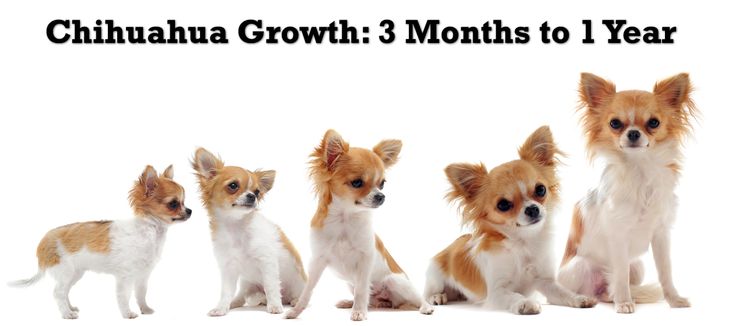
Watching chihuahua puppy development is one of the joys of raising a new puppy. In just a few months, a tiny newborn that fits in your palm becomes a bold, curious little dog with a big personality.
We are AKC chihuahua breeders in Traverse City, Michigan, and we follow every puppy’s growth closely from birth until it goes home. This guide explains chihuahua puppy development week by week, from newborn to adult, including eyes, ears, teeth, weight, socialization and training milestones.
The AKC chihuahua breed page describes adult chihuahuas as weighing no more than 6 pounds, so growth happens fast in a tiny body. For guidance on early socialization, the American Veterinary Society of Animal Behavior shares research-based advice.
Chihuahua puppy development at a glance
Chihuahua puppy development follows the same stages as other breeds, but tiny puppies need extra care at every step. Here is a quick overview.
| Stage | Age | Key milestones |
|---|---|---|
| Newborn (neonatal) | 0 to 2 weeks | Eyes and ears closed; sleeps and nurses |
| Transitional | 2 to 3 weeks | Eyes and ears open; first wobbly steps |
| Socialization | 3 to 12 weeks | Play, weaning, baby teeth, learning about the world |
| Juvenile | 3 to 6 months | Teething, fast learning, growing confidence |
| Adolescence | 6 to 18 months | Testing limits, adult size reached, first heat |
| Adult | 1 year and up | Settled personality and routines |
Every puppy grows at its own pace. These ages are a guide to chihuahua puppy development, not strict rules.
Chihuahua puppy development moves fast: eyes open at 10 to 14 days, puppies walk by 3 weeks, wean by 6 to 8 weeks and go home at 8 to 12 weeks. Adult teeth arrive by 7 months, and most chihuahuas reach adult size by 9 to 12 months. The socialization window from 3 to 14 weeks shapes lifelong confidence.

Newborn stage: 0 to 2 weeks
The newborn stage is the most fragile part of chihuahua puppy development. Puppies are born blind and deaf, and they depend completely on their mother.
- Birth weight is usually around 2.5 to 5.5 ounces.
- Puppies sleep about 90% of the time.
- They nurse every one to two hours.
- They can’t control their body temperature yet.
- Mom stimulates them to pee and poop.
Breeders weigh newborns daily to make sure each one is gaining. A warm, quiet whelping area is essential.
Transitional stage: 2 to 3 weeks
This is when chihuahua puppy development speeds up. Puppies begin to notice the world around them.
- Eyes open at around 10 to 14 days.
- Ear canals open at around 2 to 3 weeks.
- First wobbly steps and attempts to stand.
- Puppies start to wag their tails and make small noises.
- They begin to move away from the bed to potty.
Vision and hearing are blurry at first. Puppies startle easily, so keep the area calm.
Socialization stage: 3 to 12 weeks
The socialization stage is the most important window in chihuahua puppy development. What puppies experience now shapes how confident they will be as adults.
- Puppies play with littermates and learn bite inhibition.
- Baby teeth arrive from about 3 to 6 weeks.
- They explore new surfaces, sounds and smells.
- They meet gentle people and learn to enjoy handling.
- A fear period around 8 to 10 weeks can make them extra sensitive.
Gentle, positive experiences matter more than quantity. Our chihuahua socialisation guide explains how to continue this work at home.
Weaning
Weaning is a big step in chihuahua puppy development. Puppies move gradually from mother’s milk to solid food.
| Age | Weaning step |
|---|---|
| 3 to 4 weeks | First tastes of soft, soaked puppy food |
| 4 to 5 weeks | Several small meals of mush a day; still nursing |
| 5 to 6 weeks | Eating more solid food; nursing less |
| 6 to 8 weeks | Mostly or fully weaned onto puppy food |
Tiny puppies need frequent meals to keep blood sugar steady. Our chihuahua hypoglycemia guide explains why.
Going home
Chihuahua puppies should stay with their mother and littermates until at least 8 weeks. Many responsible breeders keep tiny puppies until 10 to 12 weeks.
- The puppy is eating solid food reliably.
- It is keeping its blood sugar steady between meals.
- It has had its first vaccinations and a vet check.
- It has learned important lessons from mom and littermates.
Our bringing home a chihuahua puppy and first night with a chihuahua puppy guides help you prepare.
Juvenile stage: 3 to 6 months
The juvenile stage is a time of fast learning in chihuahua puppy development. Puppies are curious, energetic and ready to train.
- Adult teeth start to replace baby teeth.
- Puppies learn cues like sit, come and down quickly.
- Potty training improves, though accidents still happen.
- Confidence grows, but some puppies have a second fear period.
- Growth is fast, so weight changes week to week.
Short, fun training sessions work best. Our chihuahua training tips cover positive methods.
Adolescence: 6 to 18 months
Adolescence is the “teenage” phase of chihuahua puppy development. Your puppy may test boundaries or seem to forget training it knew well.
- Most chihuahuas reach adult height by 9 to 12 months.
- Females often have their first heat between 6 and 12 months.
- Males may start lifting their legs or marking.
- Some puppies become more independent or stubborn.
- Energy levels stay high.
Stay patient and consistent. This phase passes, and training sticks with steady practice.
Adulthood
By 12 to 18 months, most chihuahuas are adults. Their personality and routines are more settled.
Chihuahuas often live 14 to 18 years, so the adult stage is long. Our chihuahua lifespan guide explains how to help your dog live a long, healthy life.
Weight and growth in chihuahua puppy development
Weight gain is one of the easiest ways to track chihuahua puppy development. Puppies grow quickly in the first few months and slow down after six months.
| Age | Typical weight range |
|---|---|
| Birth | 2.5 to 5.5 oz |
| 4 weeks | 7 to 18 oz |
| 8 weeks | 12 to 32 oz |
| 12 weeks | 1 to 3 lb |
| 6 months | 1.5 to 5 lb |
| 12 months | 2 to 6 lb |
These ranges are broad because chihuahuas vary a lot in size. Our chihuahua weight chart helps estimate adult size.
Teeth and teething
Teeth are a big part of chihuahua puppy development. Puppies get two sets of teeth, just like people.
| Age | Teeth |
|---|---|
| 3 to 6 weeks | 28 baby teeth come in |
| 3 to 4 months | Baby teeth start to fall out |
| 4 to 7 months | 42 adult teeth come in |
| 7 months+ | Check for retained baby teeth |
Chihuahuas often keep some baby teeth, which may need removing by a vet. Our chihuahua teething guide explains how to help.
Ears
Ear changes are a fun part of chihuahua puppy development. Ears are floppy at birth and often begin to stand between 8 weeks and 6 months.
Many puppies’ ears go up and down during teething, as calcium goes to growing teeth. Some long coats have heavier ears that take longer to stand, and a few never fully stand.
Eyes and senses
Puppies’ senses develop quickly in the first weeks. Smell and touch work from birth, while sight and hearing come later.
| Sense | When it develops |
|---|---|
| Touch and smell | From birth |
| Sight | Eyes open at 10 to 14 days; clearer by 4 to 5 weeks |
| Hearing | Ears open at 2 to 3 weeks; good by 4 to 5 weeks |
| Taste | Develops during weaning |
Our chihuahua eye care guide explains how to keep those big eyes healthy.
Sleep
Sleep is essential for healthy chihuahua puppy development. Growing bodies and brains need lots of rest.
| Age | Sleep per day |
|---|---|
| Newborn | About 22 hours |
| 8 to 12 weeks | 18 to 20 hours |
| 3 to 6 months | 16 to 18 hours |
| Adult | 12 to 14 hours |
Overtired puppies can become bitey and hyper. Our chihuahua sleep guide covers healthy sleep routines.
Feeding by age
Feeding changes as your puppy grows. Small, frequent meals are important for tiny dogs.
| Age | Meals per day |
|---|---|
| 8 to 12 weeks | 4 meals |
| 3 to 6 months | 3 to 4 meals |
| 6 to 12 months | 3 meals |
| Adult | 2 to 3 meals |
Feed a small-breed puppy food until around 10 to 12 months. Our chihuahua puppy food guide has detailed schedules.
Vet milestones
Regular vet visits support healthy chihuahua puppy development. Your vet will track growth, vaccinations and overall health.
| Age | Vet milestone |
|---|---|
| 6 to 8 weeks | First vaccinations and health check |
| 10 to 12 weeks | Second round of vaccinations |
| 14 to 16 weeks | Final puppy vaccinations; rabies as required |
| 5 to 6 months | Spay or neuter discussion; dental check |
| 12 months | Adult booster and annual check |
Our chihuahua vaccination schedule guide explains each shot.
Training milestones in chihuahua puppy development
Training goes hand in hand with chihuahua puppy development. Puppies can start learning from the day they come home.
| Age | Training focus |
|---|---|
| 8 to 10 weeks | Name, potty routine, crate comfort, gentle handling |
| 10 to 12 weeks | Sit, come, harness and leash at home |
| 3 to 4 months | Down, stay, short walks, meeting calm dogs |
| 4 to 6 months | Loose-leash walking, settle on a mat, longer stays |
| 6 to 12 months | Practicing in busier places; polishing manners |
Our guides to chihuahua potty training and chihuahua crate training walk through the basics.
Behavior changes
Puppy behavior changes as the brain matures. Knowing what is normal helps you respond calmly.
- Mouthing and nipping peak during teething.
- Fear periods can make puppies suddenly wary of new things.
- Zoomies are normal bursts of energy.
- Adolescent puppies may ignore cues they knew before.
- Many chihuahuas bond strongly to one person.
Our chihuahua temperament guide explains the breed’s personality traits.
Coat changes
Coat changes are a part of chihuahua puppy development that surprises many owners. Long-coat puppies often go through an awkward “puppy uglies” phase before their adult coat grows in.
- Smooth coats look much the same from puppyhood to adulthood.
- Long-coat puppies start with short, fluffy fur.
- Feathering on the ears, legs and tail grows in from around 10 months.
- A full long coat can take up to two years to mature.
- Coat colors can lighten or darken as puppies grow.
Our long coat vs smooth coat chihuahua guide explains the differences.
Exercise by age
Exercise needs change with chihuahua puppy development. Young puppies need short bursts of play, not long walks.
| Age | Exercise |
|---|---|
| 8 to 12 weeks | Short indoor play sessions; garden exploring |
| 3 to 6 months | Short walks of 5 to 10 minutes plus play |
| 6 to 12 months | Walks of 15 to 20 minutes, twice a day |
| Adult | Two walks a day plus play and brain games |
Avoid jumping from furniture, which can strain growing joints. Our chihuahua exercise guide has more detail.
A socialization checklist
A simple checklist keeps socialization on track during chihuahua puppy development. Aim for short, happy experiences.
- Different people: men, women, children, people in hats or glasses.
- Household sounds: vacuum, doorbell, TV, hair dryer.
- Surfaces: carpet, tile, grass, gravel.
- Handling: paws, ears, mouth, brushing and nail trims.
- Car rides in a secure carrier.
- Calm, vaccinated adult dogs.
Go at your puppy’s pace. If it seems worried, take a step back and try again later with more distance.
Your role at each stage
Owners play a big part in chihuahua puppy development once the puppy comes home. Here is what matters most at each stage.
| Stage | Your focus |
|---|---|
| 8 to 12 weeks | Routine, warmth, frequent meals, gentle socialization |
| 3 to 6 months | Training basics, teething support, vet visits |
| 6 to 12 months | Consistency, exercise, spay or neuter planning |
| 12 months+ | Adult routines, ongoing training and health checks |
Patience and consistency make every stage of chihuahua puppy development easier. Celebrate small wins along the way, from the first night without crying to the first time your puppy comes when called.
Signs of healthy growth
A healthy puppy shows steady progress across many areas, not just weight.
- Steady weight gain week to week.
- Bright eyes and a clean nose.
- Good appetite and regular, firm stools.
- Curious, playful behavior.
- Normal walking and balance.
- A shiny, soft coat.
Keep a simple diary of weight, meals and milestones to track chihuahua puppy development. It helps you spot changes early.
When to worry
Most chihuahua puppy development goes smoothly, but some signs need a vet check.
- Weight loss or no weight gain over several days.
- Weakness, shaking or sleepiness, which could mean low blood sugar.
- Not eating for more than a few hours in a young puppy.
- Vomiting or diarrhea.
- Wobbly walking, circling or a domed head.
- Coughing, breathing problems or eye discharge.
Young chihuahuas can become ill quickly. If your puppy is weak, cold or won’t eat, call your vet straight away.
Our chihuahua health problems guide covers common conditions to watch for.
Myths about chihuahua puppy development
There are a few myths around chihuahua puppy development. Here are the facts.
| Myth | Fact |
|---|---|
| Smaller puppies are healthier | Very tiny puppies often need extra care |
| Ears always stand by 8 weeks | Many take months, and some never fully stand |
| Puppies can leave mom at 6 weeks | At least 8 weeks, and often longer for tiny ones |
| Socialization can wait until vaccines are done | Safe socialization should start early |
| A big puppy means a big adult | Growth rates vary; parents give better clues |
Knowing the facts helps you support healthy chihuahua puppy development at every stage.
Our approach to raising puppies
At Chihuvas, we track chihuahua puppy development daily in our Traverse City, Michigan home. Puppies are weighed often, introduced to household sounds and gentle handling, and started on simple routines before they leave.
Every puppy goes home with vaccinations, a microchip, a vet health certificate, AKC registration and a two-year genetic health guarantee. We deliver nationwide by in-cabin chihuahua flight nanny and stay in touch for life.
Learn more on our how we raise chihuahua puppies page, see our available puppies, send us an inquiry or meet our family on our chihuahua breeder in Michigan page.
Every week brings something new: open eyes, first steps, first play bows. A calm, loving start makes all the difference.
Chihuvas breeding teamChihuvas is an AKC-registered Chihuahua breeder based in Michigan, and we deliver our puppies nationwide across the US. Every puppy is health-checked, vaccinated for their age and socialised from birth. See our available puppies or send us an inquiry.
Common questions about chihuahua puppy development
Looking for a healthy puppy?
Every puppy is raised in our Michigan home, weighed and checked daily, and delivered nationwide with a two-year health guarantee.
View available puppies →