
Chihuahua weight chart — is your chihuahua a healthy weight?
Chihuahua weight chart searches spike every time an owner looks at their dog and wonders whether those extra treats have added up, or whether their puppy is growing at the right pace. It is a fair question — and an important one. Chihuahuas are the smallest dog breed in the world, which means even small weight changes have a disproportionate impact on their health. An extra 300 grams on a chihuahua is the equivalent of an extra 5–7 kg on a human. Joint stress, heart strain, breathing difficulty, and reduced lifespan are all consequences of excess weight in a dog this small.
This chihuahua weight chart guide covers healthy weight ranges for puppies and adults, how to assess your chihuahua’s body condition at home, what to do if they are overweight or underweight, growth milestones for puppies, and the factors that influence healthy weight beyond just the number on the scale. The advice here is based on our own experience since 2018 and is consistent with breed weight standards from the American Kennel Club.
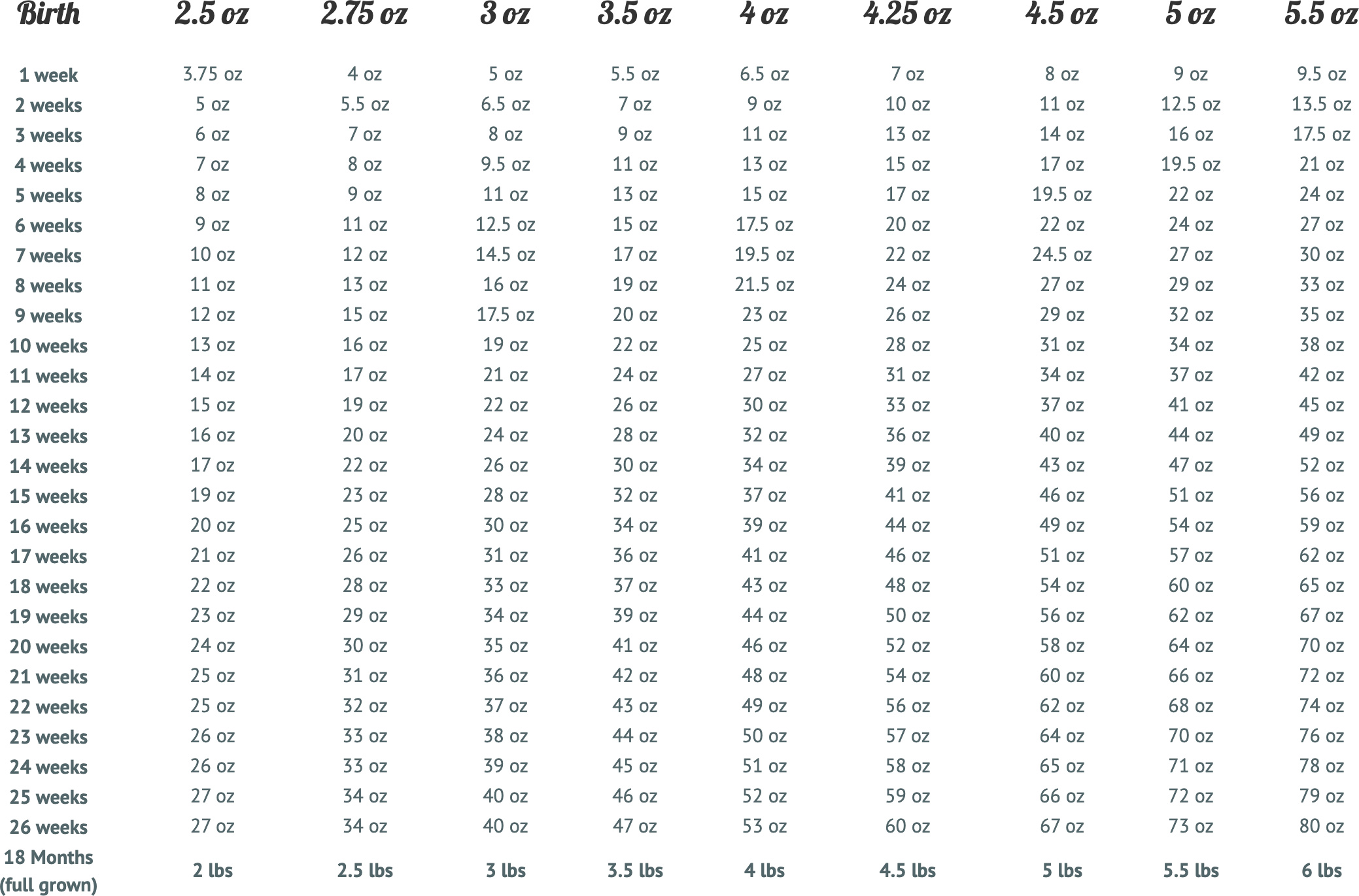
Chihuahua weight chart — healthy adult weight
The breed standard for adult chihuahuas sets a maximum weight of 2.7 kg (6 lbs). In practice, healthy adult chihuahuas range from approximately 1.5 kg to 3.2 kg depending on their individual bone structure, build, and genetics. The chihuahua weight chart below provides general ranges — your individual dog may fall slightly outside these ranges and still be perfectly healthy.
| Build | Typical healthy weight | Notes |
|---|---|---|
| Small-framed | 1.5–2.0 kg (3.3–4.4 lbs) | Finer bone structure, leaner build |
| Medium-framed | 2.0–2.7 kg (4.4–6.0 lbs) | Most common range, breed standard |
| Large-framed | 2.7–3.2 kg (6.0–7.0 lbs) | Heavier bone structure, stockier build |
A chihuahua weight chart gives you a reference range, but body condition is more important than the number on the scale. A muscular, active chihuahua at 3.0 kg may be healthier than a sedentary chihuahua at 2.5 kg with excess body fat. Always combine the chihuahua weight chart with a body condition assessment (covered below) for an accurate picture of your dog’s health.
Chihuahua weight chart — puppy weight by age
Tracking your puppy’s weight against a chihuahua weight chart during the first 12 months helps you confirm they are growing at a healthy pace — not too fast (which can stress developing joints) and not too slow (which may indicate a health issue or inadequate nutrition).
| Age | Small adult (1.5–2.0 kg) | Medium adult (2.0–2.7 kg) | Large adult (2.7–3.2 kg) |
|---|---|---|---|
| Birth | 70–90 g | 90–120 g | 120–145 g |
| 4 weeks | 200–280 g | 280–390 g | 390–500 g |
| 8 weeks | 350–450 g | 450–650 g | 650–850 g |
| 12 weeks | 500–650 g | 650–900 g | 900–1.1 kg |
| 16 weeks | 650–850 g | 850–1.2 kg | 1.2–1.5 kg |
| 6 months | 900–1.2 kg | 1.2–1.8 kg | 1.8–2.3 kg |
| 9 months | 1.2–1.7 kg | 1.7–2.3 kg | 2.3–2.9 kg |
| 12 months | 1.5–2.0 kg | 2.0–2.7 kg | 2.7–3.2 kg |
Chihuahua puppies do not grow at a perfectly steady rate. They have growth spurts and plateaus — a puppy might gain 100 g one week and 30 g the next. This is normal. What matters is the overall trend across weeks, not any single weekly weigh-in. If your puppy’s weight consistently falls below the chihuahua weight chart ranges for 2–3 consecutive weeks, or if growth stalls completely, consult your vet.
Chihuahua weight chart — body condition assessment
The most reliable way to assess whether your chihuahua is a healthy weight — beyond any chihuahua weight chart — is a hands-on body condition score (BCS). You can do this at home in 30 seconds:
The rib test
Run your fingers along your chihuahua’s sides over the ribcage with gentle pressure. You should be able to feel individual ribs without pressing hard, but they should not be prominently visible from across the room. If you cannot feel the ribs at all, your chihuahua is carrying excess fat. If the ribs are sharply visible without touching, the dog is too thin.
The waist test (view from above)
Stand directly above your chihuahua and look down. You should see a visible narrowing behind the ribcage — an hourglass waist. If the body is oval-shaped with no visible waist, the dog is overweight. If the waist is dramatically pronounced with the hips protruding, the dog may be underweight.
The tuck test (view from the side)
View your chihuahua from the side. The abdomen should tuck upward from the bottom of the ribcage toward the hind legs — a visible upward slope. If the belly hangs level with or below the ribcage, the dog is likely overweight. If the tuck is extreme with a very hollow abdomen, the dog may be underweight.
A chihuahua weight chart tells you what the breed should weigh. A body condition assessment tells you what your individual chihuahua should weigh. Both together give you the complete picture — numbers plus visual and tactile confirmation.
Chihuvas approachChihuahua weight chart — if your chihuahua is overweight
An overweight chihuahua is not a happy chihuahua — even if they seem content. Excess weight in a dog this small causes joint pain (especially luxating patellas, which chihuahuas are already prone to), heart strain, breathing difficulty, reduced exercise tolerance, and a measurably shorter lifespan. If your chihuahua is above the chihuahua weight chart ranges and fails the body condition tests above, action is needed.
How to help an overweight chihuahua
- Reduce portion sizes by 10–15%: Do not starve your chihuahua — small, gradual reductions in food volume are safer and more sustainable than dramatic cuts.
- Eliminate table scraps and excessive treats: A single biscuit for a chihuahua is the caloric equivalent of a human eating a full chocolate bar. Treats should make up no more than 10% of daily calories.
- Switch to a weight management food: These formulations have lower calorie density with higher fibre to maintain fullness. Transition gradually over 7–10 days.
- Increase exercise gradually: Two 15-minute walks per day is a good starting point. Do not push an overweight chihuahua into intense exercise immediately — build up slowly to protect their joints.
- Weigh weekly: Track progress on your chihuahua weight chart. Safe weight loss is approximately 1–2% of body weight per week — for a 3 kg chihuahua, that is 30–60 g per week.
- Involve your vet: If your chihuahua needs to lose more than 10–15% of its current body weight, work with your vet to create a safe weight loss plan with regular monitoring.
Chihuahua weight chart — if your chihuahua is underweight
An underweight chihuahua is more concerning than an overweight one because it often indicates an underlying health problem rather than simply too many treats. If your chihuahua is below the chihuahua weight chart ranges and the body condition assessment shows prominent bones and an excessively hollow abdomen, investigate the cause before simply increasing food.
Common causes of being underweight
- Dental problems: Chihuahuas are extremely prone to dental disease. Painful teeth make eating uncomfortable, leading to reduced food intake and weight loss. Check for bad breath, drooling, reluctance to chew, or visible tartar.
- Intestinal parasites: Worms and other parasites steal nutrients and cause weight loss despite normal eating. Ensure your chihuahua is on a regular worming schedule.
- Picky eating: Some chihuahuas are genuinely fussy eaters. Offering a consistent, high-quality food and resisting the urge to switch brands every few days usually resolves this over time.
- Stress or anxiety: Changes in environment, routine, or household dynamics can suppress appetite in sensitive chihuahuas.
- Underlying medical conditions: Thyroid disorders, kidney disease, liver disease, or other metabolic conditions can cause weight loss. If your chihuahua is losing weight without an obvious cause, a vet check with blood work is essential.
Chihuahua weight chart — factors that affect healthy weight
- Bone structure: Chihuahuas come in a wide range of builds. A deer-head chihuahua with longer legs and a leaner frame will naturally weigh less than an apple-head chihuahua with a stockier, more compact build. The chihuahua weight chart accounts for this with the small/medium/large frame categories.
- Age: Puppies under 12 months are still growing. Adults 1–7 years should maintain a stable weight. Senior chihuahuas (8+) may gradually lose muscle mass and weight — or gain weight as activity decreases.
- Spay/neuter status: Neutered and spayed chihuahuas tend to have slightly lower metabolic rates and may gain weight more easily. Adjust food portions accordingly after the procedure.
- Activity level: A chihuahua that walks daily and plays regularly will have more muscle mass and a different body composition than a sedentary chihuahua — even at the same weight on the chihuahua weight chart.
- Diet quality: Higher-quality food with better protein content produces leaner body composition. Cheap, carbohydrate-heavy foods are more likely to contribute to fat gain.
Weigh your chihuahua once a month on the same scale, at the same time of day, and record it. A kitchen scale works perfectly for a dog this size. Tracking weight over months reveals trends that a single weigh-in cannot — gradual gain or loss of 50–100 g per month is easy to miss day to day but significant over a year. Your chihuahua weight chart becomes a powerful health monitoring tool when you add your own data points to it.
A chihuahua weight chart is a starting point, not a verdict. Every chihuahua is an individual with its own build, metabolism, and ideal weight. Use the chart as a reference, use the body condition assessment as confirmation, and use your vet as the final authority when you are unsure.
Chihuvas experienceCommon questions — chihuahua weight chart
More health guides for your chihuahua.
Practical advice, honest stories, and everything we have learned raising chihuahuas at home since 2018. No jargon, no sponsored content — just real experience.
Read more guides →