Chihuahua history: from ancient Mexico to today
Chihuahua history stretches back more than a thousand years, from ancient Mexican civilizations to modern apartments around the world. The story of the world’s smallest breed is full of legends, mystery and surprising twists.
We are AKC chihuahua breeders in Traverse City, Michigan, and we love sharing the story behind the breed with our families. This guide covers chihuahua history from the ancient Techichi to the AKC breed standard, coat varieties, pop culture fame and the myths that still surround these little dogs.
The AKC chihuahua breed page and the Chihuahua Club of America both share background on the breed’s Mexican roots and development.
Ancient origins: chihuahua history begins
Chihuahua history begins in ancient Mexico. Small dogs lived alongside people in the region for centuries before the breed had its modern name.
Archaeologists have found clay figures, carvings and remains of small dogs at sites across Mexico. Many historians link these early dogs to the chihuahua we know today.
Chihuahua history starts with the Techichi, a small companion dog of the Toltec people of ancient Mexico. The modern breed is named after the Mexican state of Chihuahua, where Americans found and bought the dogs in the 1800s. The AKC registered its first chihuahua in 1904.
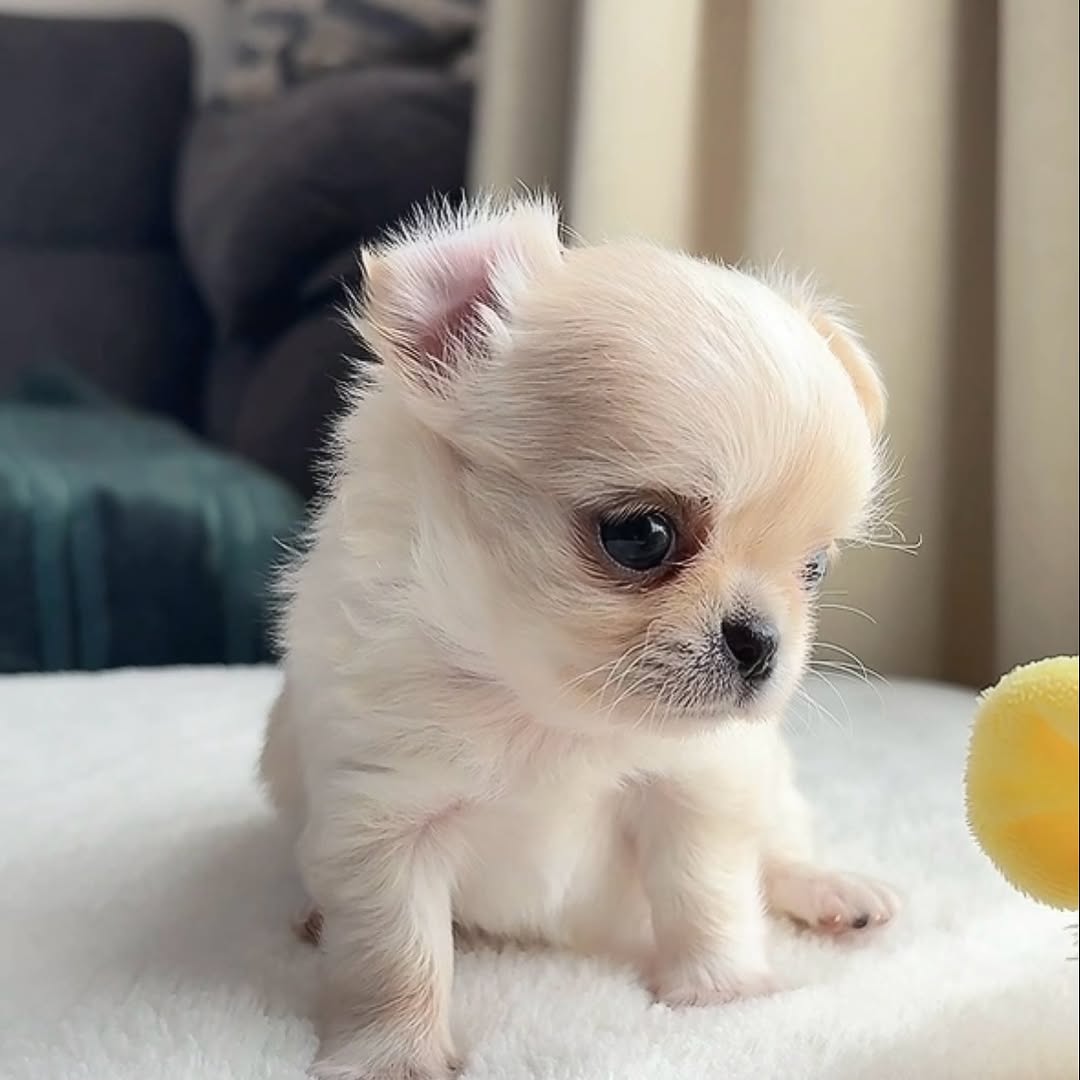
The Techichi
The Techichi is the dog most often named as the chihuahua’s ancestor. It was a small, sturdy companion dog kept by the Toltec civilization in central Mexico from around the 9th century.
- Techichi were small, though probably a little larger than modern chihuahuas.
- They are thought to have been mostly mute or quiet.
- They lived closely with people as companions.
- Carvings show dogs with large ears and rounded heads.
Some historians believe the Techichi was later crossed with other small dogs, which helped shape the modern chihuahua.
Toltecs and Aztecs
When the Aztecs rose to power in the 1300s and 1400s, they took over many Toltec traditions. Small dogs remained part of daily and spiritual life, a key chapter in chihuahua history.
Some accounts describe small dogs being linked to religious beliefs and ceremonies. Historians still debate many details, as records from this time are limited.
The Spanish era
After the Spanish conquest of the Aztec Empire in the early 1500s, many native dog types declined. For a time, little is known about the small dogs that would become chihuahuas.
Small dogs appear to have survived in rural and remote areas. Carvings at the Franciscan monastery of Huejotzingo, built in the 1500s, are often said to show small, chihuahua-like dogs.
How the breed got its name
The breed takes its name from the Mexican state of Chihuahua, which borders Texas and New Mexico. This is one of the most famous facts in chihuahua history.
In the mid-1800s, travelers and traders found tiny dogs being sold in markets in the region. Early names included “Arizona dogs”, “Texas dogs” and “Mexican dogs” before “Chihuahua” stuck.
Arrival in the US
American visitors brought small dogs back across the border in growing numbers during the late 1800s. This is when modern chihuahua history really begins.
- Dogs were bought as souvenirs and companions.
- Breeders in Texas, Arizona and California began breeding them.
- Early dogs varied in size, coat and head shape.
- Interest grew among dog fanciers and show exhibitors.
Over time, breeders selected for smaller size, a rounded head and big, upright ears.
AKC recognition
In 1904, the American Kennel Club registered its first chihuahua, a dog named Midget. It was a landmark moment in chihuahua history.
Registrations grew slowly at first, then rose steadily through the early 20th century. Today the chihuahua is part of the AKC Toy Group.
Our limited vs full registration guide explains how AKC registration works today.
The breed club
The Chihuahua Club of America was founded in 1923. It became the parent club for the breed and helped write and protect the breed standard.
Breed clubs play an important role in chihuahua history. They promote responsible breeding, health and education about the breed.
Two coat varieties
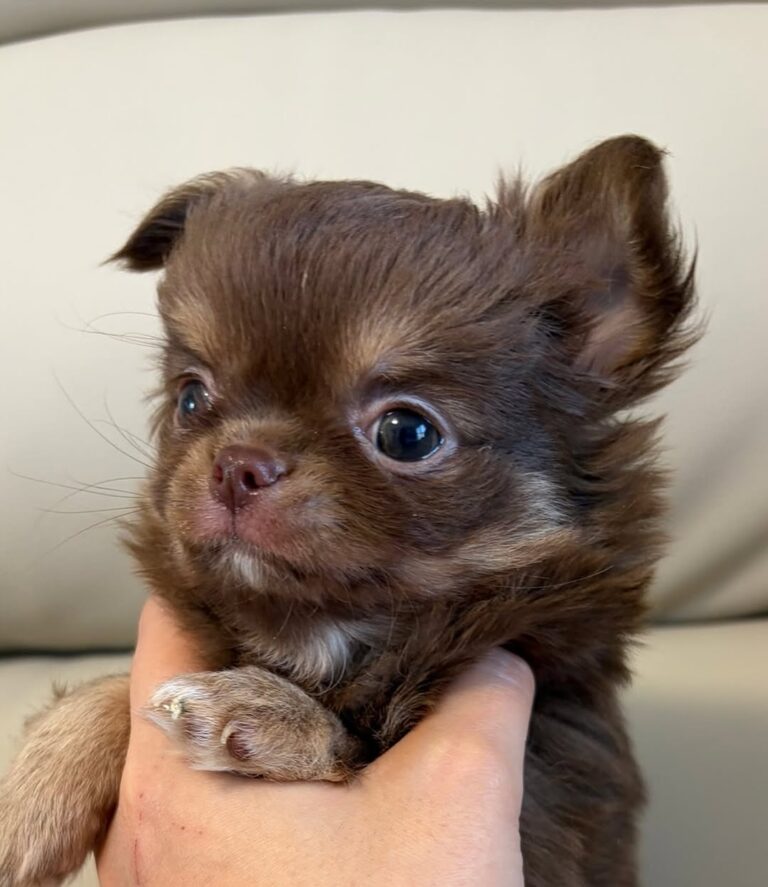
Both smooth and long coat chihuahuas appear early in chihuahua history. Long coats may have come from crosses with other small, long-haired breeds, though this is debated.
In 1952, the AKC began showing smooth coats and long coats as separate varieties. Our long coat vs smooth coat chihuahua guide explains the differences today.
The breed standard
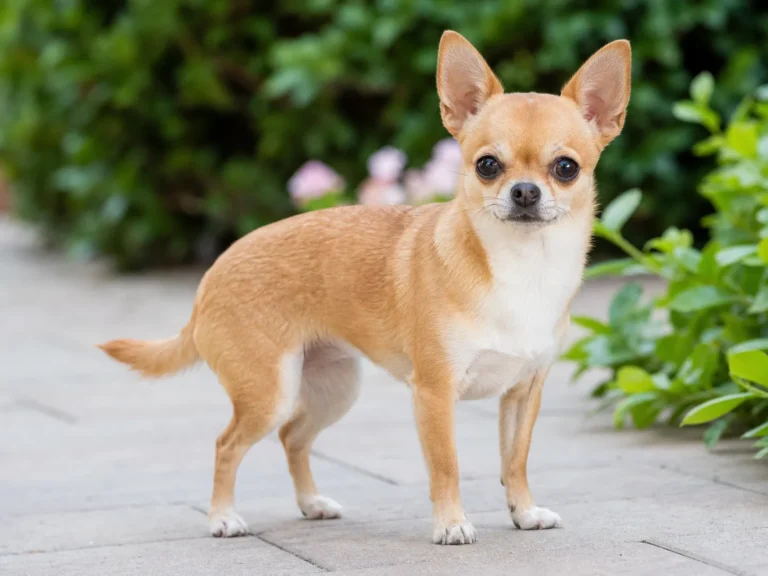
The breed standard describes the ideal chihuahua. It has been updated over the years but has always valued a graceful, alert little dog with a rounded “apple dome” head.
- Weight not exceeding 6 pounds.
- A well-rounded apple dome skull, with or without molera.
- Large, erect ears.
- Any color or markings allowed.
- An alert, terrier-like attitude.
Our AKC chihuahua breed standard guide covers each point in detail.
Rising popularity
Chihuahuas became increasingly popular in the US through the 20th century. Their small size suited city living, and their loyalty won many fans.
By the late 1900s, chihuahuas were among the most registered breeds in the country. Popularity has risen and fallen with trends, but the breed has stayed a favorite.
Chihuahuas in pop culture
Pop culture played a big role in recent chihuahua history. Television, films and celebrities brought the breed into the spotlight.
- Bandleader Xavier Cugat often appeared with chihuahuas in the 1940s and 1950s.
- A talking chihuahua starred in a famous fast-food advertising campaign in the late 1990s.
- Bruiser the chihuahua appeared in the 2001 film Legally Blonde.
- Celebrity “handbag dogs” made chihuahuas a fashion icon in the 2000s.
Fame brought many new owners, but also some impulse buying. Responsible breeders and rescues encourage people to research the breed carefully first.
What DNA tells us
Genetic research has added new detail to chihuahua history. Studies suggest the chihuahua is one of the few modern breeds that may carry some ancestry from dogs living in the Americas before European contact.
Most native American dog lineages were replaced by European dogs after the 1500s. The hints of older ancestry in chihuahuas support the idea of deep Mexican roots, though research continues.
Apple head and deer head
Head shape has changed over chihuahua history. Show breeding favored the rounded apple head, while some pet lines kept a longer “deer head” look.
Only the apple head fits the breed standard, but both make loving pets. Our apple head vs deer head chihuahua guide explains the differences.
Colors through history
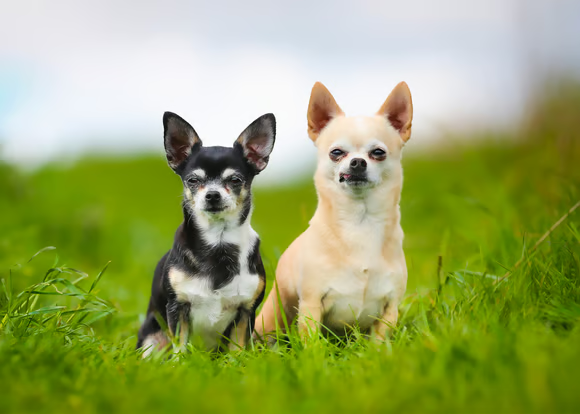
Chihuahuas have always come in many colors, from fawn and cream to black, chocolate and blue. The breed standard allows any color or markings.
Some colors have become more popular in recent years. Our chihuahua colors, merle chihuahua and blue chihuahua guides cover colors in detail.
The teacup trend
In recent decades, “teacup” chihuahuas have been marketed as extra-tiny dogs. This is a modern sales term, not an official part of chihuahua history or the breed standard.
Breeding for extreme smallness can bring health risks. Our teacup chihuahua guide explains what buyers should know.
Chihuahuas today
Today, chihuahuas live in homes all over the world. They are loved for their loyalty, long lifespan and big personalities in tiny bodies.
Modern breeders focus on health, temperament and sound structure. Our guides on chihuahua temperament and chihuahua lifespan describe the breed as it is today.
How size changed over time
Size is a recurring theme in chihuahua history. Early dogs brought from Mexico varied a lot, and many were larger than today’s typical chihuahua.
Breeders gradually selected for smaller dogs with rounded heads and large ears. The breed standard set a top weight of 6 pounds, which shaped the compact chihuahua seen in show rings today.
Our chihuahua weight chart shows typical growth and adult weights for modern dogs.
Temperament through the centuries
Across chihuahua history, the breed has been valued as a close companion. Ancient small dogs lived alongside families, and modern chihuahuas still bond deeply with their people.
The breed’s alert, watchful nature may have helped small dogs survive as house companions that warned of strangers. That same trait explains why many chihuahuas bark at the door today.
Chihuahuas in Mexico today
In Mexico, the chihuahua is a source of national pride. The breed’s name and deep roots make it a living link to the country’s past.
Chihuahuas are popular pets across Mexico, and the city of Chihuahua celebrates its connection to the breed. For many people, chihuahua history is part of Mexican heritage.
Spreading around the world
From the US, chihuahuas spread to Canada, Europe and beyond during the 20th century. Kennel clubs in many countries now recognize the breed.
Standards vary slightly between countries. For example, some kennel clubs outside the US don’t accept merle coloring, while the AKC registers merle chihuahuas. These differences are part of modern chihuahua history.
Record-breaking chihuahuas
The breed’s tiny size has earned it a place in record books. Chihuahuas have held Guinness World Records for the smallest living dog, adding a fun chapter to chihuahua history.
These record holders are unusually small, even for the breed. Most healthy chihuahuas are larger, and responsible breeders focus on health rather than extreme smallness.
Changing roles
The chihuahua’s role has changed over time. Once a companion in ancient homes, it became a souvenir, a show dog, a fashion icon and, for many, a therapy and emotional support companion.
- Ancient companion in Toltec and Aztec homes.
- Souvenir dog for 19th-century travelers.
- Show dog in the 20th century.
- Celebrity favorite in the 2000s.
- Loyal family pet and therapy dog today.
Popularity and rescue
Booms in popularity have a downside. After waves of fame in chihuahua history, many dogs were bought on impulse and later given up.
Chihuahuas are now common in rescues, especially in states like California. Choosing a responsible breeder or a reputable rescue helps break this cycle. Our guide on how to choose a chihuahua breeder explains what to look for.
Why history matters for owners
Knowing chihuahua history helps you understand your dog. Its alertness, loyalty and love of warmth all make sense when you know where the breed comes from.
- Warm-climate roots explain why chihuahuas feel the cold.
- Companion breeding explains their strong bond with one person.
- Watchful instincts explain alert barking.
- Small-dog heritage explains their love of burrowing in blankets.
Our keeping your chihuahua warm in winter guide explains how to care for a warm-climate breed in colder states.
Small dogs in ancient art
Much of what we know about early chihuahua history comes from art. Clay figures, carvings and pottery from ancient Mexico show small dogs with rounded bodies and large ears.
Some of the best-known examples come from western Mexico, where clay dog figures were placed in tombs. Historians debate exactly which dogs they show, but they confirm that small dogs were valued companions.
Early names for the breed
Before the name was settled, the dogs went by several names. This is a fun detail of chihuahua history that many owners don’t know.
| Early name | Why it was used |
|---|---|
| Arizona dog | Dogs sold near the Arizona border |
| Texas dog | Dogs brought into Texas by traders |
| Mexican dog | A general name for small Mexican dogs |
| Chihuahua | The name of the Mexican state where many were found |
By the early 1900s, “Chihuahua” had become the accepted name in the US. It has stayed that way ever since, in almost every language.
Health through history
As the breed became smaller and more popular, some health issues became more common. Modern chihuahua history includes a greater focus on health testing and responsible breeding.
- Dental crowding in tiny mouths.
- Knee problems such as luxating patella.
- Low blood sugar in very small puppies.
- Heart and windpipe concerns in some lines.
Our chihuahua health problems guide explains what to watch for and how good breeding helps.
Chihuahuas in the show ring
Dog shows played a big part in shaping chihuahua history. Judges compare each dog to the breed standard, rewarding sound structure, a rounded head, upright ears and a confident attitude.
Show breeders helped fix the classic look of the breed. Today, many pet chihuahuas come from show lines, carrying that classic type into family homes.
A chihuahua history timeline
Here is a quick timeline of key moments in chihuahua history.
| Date | Event |
|---|---|
| Around 9th century | Toltecs keep small Techichi dogs in central Mexico |
| 1300s to 1500s | Aztecs inherit Toltec traditions, including small dogs |
| 1500s | Spanish conquest; native dogs decline |
| Mid-1800s | Small dogs found and sold in the state of Chihuahua |
| Late 1800s | Americans bring the dogs to the US |
| 1904 | AKC registers its first chihuahua, Midget |
| 1923 | Chihuahua Club of America founded |
| 1952 | Smooth and long coats shown as separate varieties |
| Late 1990s to 2000s | Pop culture fame boosts popularity |
Each step helped shape the bold little dog we know today. Researchers continue to study old records, art and DNA, so new details may still emerge.
Myths about chihuahua history
There are many myths in chihuahua history. Here are the facts.
| Myth | Fact |
|---|---|
| Chihuahuas descend from foxes | They are domestic dogs like every other breed |
| They were bred as rat catchers in Mexico | There is little evidence for this |
| Teacup is an official size | It is a marketing term, not a breed standard size |
| Long coats are a separate breed | They are a coat variety of the same breed |
| Chihuahuas were always purse dogs | They have been working companions and pets for centuries |
Separating legend from fact makes the real story even more interesting.
Carrying the story forward
At Chihuvas, we are proud to be part of modern chihuahua history in our Traverse City, Michigan home. We focus on health, temperament and the classic breed type that has delighted owners for generations.
Every puppy goes home with vaccinations, a microchip, a vet health certificate, AKC registration and a two-year genetic health guarantee. We deliver nationwide by in-cabin chihuahua flight nanny and stay in touch for life.
Learn more on our how we raise chihuahua puppies page, see our available puppies, send us an inquiry or meet our family on our chihuahua breeder in Michigan page.
From ancient Mexico to modern homes, the chihuahua has always been a companion first. That is the heart of the breed’s story.
Chihuvas breeding teamChihuvas is an AKC-registered Chihuahua breeder based in Michigan, and we deliver our puppies nationwide across the US. Every puppy is health-checked, vaccinated for their age and socialised from birth. See our available puppies or send us an inquiry.
Common questions about chihuahua history
Bring home a piece of living history
Every puppy is raised in our Michigan home with classic breed type, health testing and nationwide delivery.
View available puppies →