Chihuahua luxating patella: grades and treatment
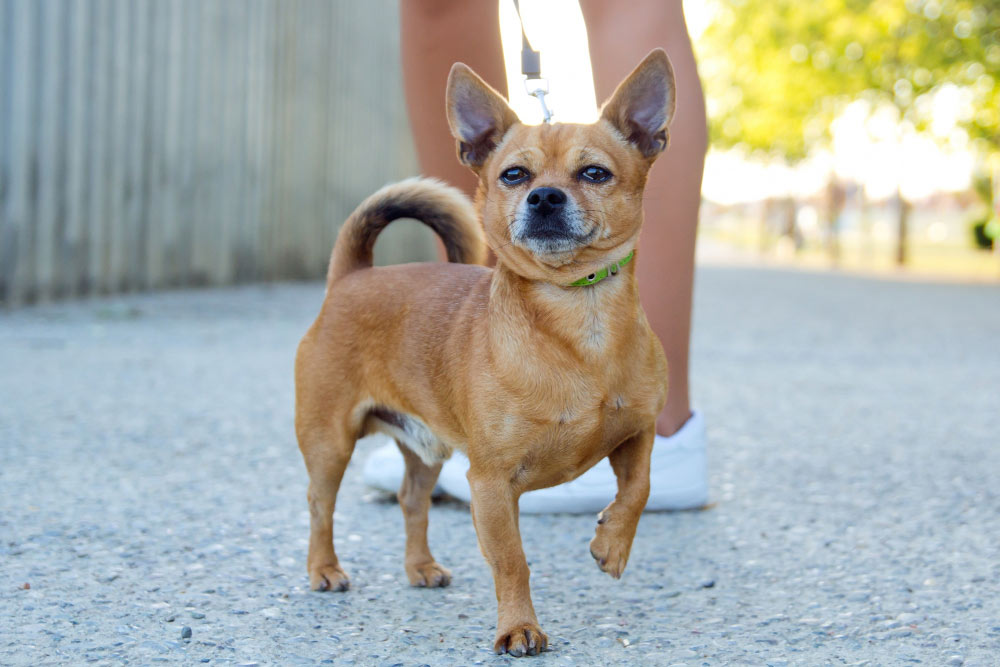
Chihuahua luxating patella, a kneecap that slips out of place, is one of the most common orthopedic problems in the breed. The classic sign is a little skip in your dog’s step, and while many cases are mild, it is important to understand the grades, treatment and how to protect your dog’s knees.
We are AKC chihuahua breeders in Michigan, and we have our breeding dogs’ knees checked before they are ever bred. This guide explains chihuahua luxating patella in plain language: what happens in the knee, the signs and grades, diagnosis, treatment with and without surgery, recovery, costs and prevention.
This guide is general information and not a substitute for your vet. The Orthopedic Foundation for Animals keeps a database of patella evaluations, and the AKC chihuahua page has breed background.
What is chihuahua luxating patella?
The patella, or kneecap, normally sits in a groove at the front of the thigh bone, held in place by ligaments and muscles. As the knee bends and straightens, it glides up and down in that groove.
With chihuahua luxating patella, the kneecap slips out of the groove, usually towards the inside of the leg. That is called a medial luxation and is the most common type in small breeds.
When the kneecap slips out, the leg can’t straighten properly, so the dog lifts it for a few steps. Once the kneecap slips back in, the dog walks normally again.
Chihuahua luxating patella is a kneecap that slips out of place, and the classic sign is a skip on a back leg for a few steps. Vets grade it from 1 (mild) to 4 (severe). Mild cases are often managed with weight control and exercise, while higher grades may need surgery.

Why chihuahuas are prone to luxating patella
Small and toy breeds are especially prone to kneecap problems, and chihuahua luxating patella is one of the most common issues vets see in the breed. Several factors play a part.
- Shallow groove: a shallow groove in the thigh bone gives the kneecap less to hold onto.
- Leg shape: slight bowing of the leg bones can pull the kneecap sideways.
- Muscle alignment: the thigh muscles may pull the kneecap off center.
- Genetics: the condition tends to run in families.
- Extra weight or injury: can make an existing tendency worse.
This is why health testing matters so much for chihuahua parents. Our chihuahua health problems guide covers other conditions common in the breed.
Signs of chihuahua luxating patella
Many owners first notice chihuahua luxating patella as an odd little skip on a walk. Common signs include:
- Skipping or hopping: holding a back leg up for a few steps, then walking normally.
- Kicking the leg out: some dogs flick the leg backwards to pop the kneecap back.
- Bow-legged stance: back legs that look bowed or turned in.
- Stiffness: especially after rest.
- Reluctance to jump: avoiding the sofa, stairs or car.
- Sitting with a leg out: to the side, rather than tucked under.
- Pain: yelping, licking the knee or limping that lasts.
Mild cases may cause no pain at all, and the dog may skip only now and then. Signs that become more frequent or painful need a vet visit.
The four grades of chihuahua luxating patella
Vets grade chihuahua luxating patella from 1 to 4, based on how easily the kneecap slips and whether it goes back by itself.
| Grade | What happens | Typical signs |
|---|---|---|
| Grade 1 | Kneecap can be pushed out by hand but slips back on its own | Often no signs; found at a vet check |
| Grade 2 | Kneecap slips out more easily and may stay out until the leg straightens | Occasional skipping |
| Grade 3 | Kneecap is out most of the time but can be pushed back in | Frequent skipping, bowed legs, stiffness |
| Grade 4 | Kneecap is permanently out and can’t be pushed back | Constant abnormal gait, crouched stance |
Each knee is graded separately, and many dogs have different grades in each leg. A dog may be described as “grade 2 left, grade 1 right”, for example.
How vets diagnose chihuahua luxating patella
Your vet can usually diagnose chihuahua luxating patella with a hands-on exam. They gently move the kneecap to see whether it slips and how easily.
X-rays may be taken to check the leg bones, look for arthritis and plan surgery if needed. Your vet will also check for other knee problems, such as a damaged cruciate ligament.
For breeding dogs, the OFA offers a patella evaluation and registry, usually from 12 months old. Results are public, so buyers can check the parents of a puppy.
Treating without surgery
Many dogs with grade 1 or 2 chihuahua luxating patella do well without surgery. Treatment focuses on keeping the knee stable and comfortable.
- Weight control: keeping your dog lean reduces strain on the knees.
- Muscle strengthening: controlled walks and exercises build the thigh muscles that hold the kneecap in place.
- Physical therapy: a rehab vet may suggest specific exercises or hydrotherapy.
- Pain relief: vet-prescribed anti-inflammatories during flare-ups.
- Joint supplements: some owners use them; ask your vet first.
- Home changes: ramps, rugs and no jumping from furniture.
Regular check-ups help track whether the condition is stable or getting worse. Many dogs stay at the same grade for years with good management.
When surgery is needed
Surgery is more often recommended for grade 3 and 4 chihuahua luxating patella, or for lower grades that cause ongoing pain or lameness. The goal is to keep the kneecap in its groove and protect the joint from arthritis.
| Procedure | What it does |
|---|---|
| Deepening the groove | Makes the groove in the thigh bone deeper so the kneecap sits securely |
| Moving the tendon attachment | Realigns where the kneecap tendon attaches to the shin bone |
| Tightening soft tissue | Tightens the joint capsule on one side and releases it on the other |
Most surgeries combine more than one technique, chosen for each dog. A board-certified veterinary surgeon is often recommended, especially for complex cases.
Recovery after surgery
Recovery from chihuahua luxating patella surgery takes patience. Most dogs need around 8 to 12 weeks of restricted activity while the bone and tissues heal.
- Crate or playpen rest, with short leash walks for potty breaks.
- No jumping, running or stairs.
- Pain relief and any other medication as prescribed.
- Physical therapy exercises as your vet advises.
- Recheck visits and X-rays to confirm healing.
- A gradual return to normal activity.
Ask your vet for a written recovery plan, with dates for each stage and clear signs that mean you should call them.
Most dogs recover well and walk more comfortably than before. Keeping your dog calm during recovery is the hardest part, so puzzle toys and chews help.
Luxating patella in puppies
Signs of chihuahua luxating patella can appear in puppies as young as a few months old. Your vet checks the knees at early vaccination visits, which is often when a mild grade is first found.
Not every puppy with a mild grade goes on to have problems. Many stay stable with a healthy weight and sensible exercise as they grow.
Avoid letting young puppies jump from sofas or beds while their joints are developing. Our puppy care guide covers safe handling and play for growing chihuahuas.
Gentle exercises your vet may suggest
For many dogs with chihuahua luxating patella, strengthening the thigh muscles helps keep the kneecap in place. Always ask your vet or a rehab vet before starting, as the right exercises depend on the grade.
- Slow leash walks: steady walking builds muscle without strain.
- Gentle slopes: walking slowly uphill works the back legs.
- Sit-to-stand: a few slow repetitions build thigh strength.
- Weaving: walking slowly in figure-eights improves balance.
- Hydrotherapy: swimming or underwater treadmills under professional guidance.
Little and often is better than one long session. Stop if your dog skips more, limps or seems sore afterwards.
Pet insurance and luxating patella
Pet insurance can help with the cost of chihuahua luxating patella treatment, but timing matters. Most policies exclude conditions that showed signs before cover started.
- Insure your puppy early, before any signs appear.
- Check whether hereditary conditions are covered.
- Look for any waiting periods for orthopedic conditions.
- Read the limits on surgery and rehab costs.
Ask your vet to note in records that the knees were normal at early checks. That can make claims easier later.
When to see the vet urgently
Most skipping isn’t an emergency, but some signs need prompt attention.
- Your dog won’t put any weight on a back leg.
- Sudden severe limping after a jump or fall.
- Swelling, heat or crying when the knee is touched.
- Limping that lasts more than a day or two.
These can point to a cruciate ligament injury, a fracture or a severe flare-up. Early treatment gives the best outcome.
Questions to ask your vet
- What grade is each knee?
- Is my dog in pain, and how can we manage it?
- Which exercises are safe, and which should we avoid?
- What weight should my dog be?
- Would surgery help now, or later if things change?
- Should we see a veterinary surgeon or rehab specialist?
Taking notes at each visit helps you track changes in chihuahua luxating patella over time and make decisions with confidence.
Cost of chihuahua luxating patella treatment
Costs for chihuahua luxating patella vary widely by region, clinic and how complex the case is.
| Treatment | What to expect |
|---|---|
| Vet exam and diagnosis | A standard consultation, plus X-rays if needed |
| Conservative care | Pain relief, supplements and possibly physical therapy |
| Surgery | Often around $1,500 to $5,000 per knee in the US |
| Rehab | Physical therapy or hydrotherapy sessions |
Pet insurance taken out before signs appear may help with costs, but check whether it excludes hereditary or pre-existing conditions. Our chihuahua cost guide covers vet budgeting.
Living with chihuahua luxating patella
Small changes at home make a big difference for a dog with chihuahua luxating patella.
- Ramps or steps up to the sofa, bed and car.
- Non-slip rugs on hard floors.
- Lift your dog with one hand under the chest and one under the rear.
- Avoid games that involve jumping or sharp turns.
- Keep nails trimmed for better grip.
- Use a well-fitted harness rather than a collar on walks.
Our chihuahua nail care guide shows how to keep nails short, which helps with grip and balance.
Weight and exercise
With chihuahua luxating patella, weight is one of the biggest factors you can control. Even a pound of extra weight is a lot for a chihuahua’s small joints.
Gentle, regular exercise builds the thigh muscles that support the kneecap. Short leash walks, gentle hills and controlled play are better than bursts of sprinting and jumping. Our exercise guide and weight chart help you find the right balance.
Prevention and breeding
Because chihuahua luxating patella is largely inherited, the best prevention starts before a puppy is born. Responsible breeders have the parents’ knees evaluated and avoid breeding affected dogs.
- Ask whether both parents have had a patella evaluation, ideally through the OFA.
- Check the results yourself on the OFA website.
- Keep your puppy at a healthy weight as it grows.
- Avoid letting young puppies jump from heights.
- Have your vet check the knees at routine visits.
Our guides on how to choose a chihuahua breeder explain which health tests to ask for.
Related knee problems
Dogs with a slipping kneecap are at higher risk of tearing the cranial cruciate ligament, the dog version of the ACL. A sudden, severe limp that doesn’t go away needs a vet visit.
Over time, an unstable knee can also develop arthritis. Good weight control, muscle strength and, where needed, surgery all help protect the joint for the long term.
Older dogs with knee problems often benefit from extra comfort at home. See our old chihuahua guide for senior care tips.
Long-term outlook for chihuahua luxating patella
The outlook for chihuahua luxating patella is generally good. Most dogs with mild grades live normal, active lives, and many dogs with higher grades walk much better after surgery.
The keys are early diagnosis, a lean body weight, steady muscle-building exercise and regular vet checks. Dogs who stay fit tend to keep their knees stable for longer.
Some arthritis may develop later in life, especially in knees that slipped for years. Pain relief and gentle exercise keep most older dogs with chihuahua luxating patella comfortable well into their senior years.
Myths about chihuahua luxating patella
| Myth | The truth |
|---|---|
| Skipping is just a quirk | It is often a sign of a slipping kneecap |
| Every case needs surgery | Many mild cases are managed without it |
| It only affects older dogs | It can show up in puppies and young adults |
| It is always caused by injury | It is largely inherited in toy breeds |
| Supplements will cure it | They may support joints but don’t fix the structure |
Knowing the facts helps you make calm, informed decisions about chihuahua luxating patella with your vet.
How we check our dogs
At Chihuvas, our breeding dogs have their knees checked before they are ever bred, along with heart and eye checks. Every puppy is examined by our vet before going home.
Our puppies are raised in our Traverse City, Michigan home and go home with vaccinations, a microchip, a vet health certificate, AKC registration and a two-year genetic health guarantee. We deliver nationwide by in-cabin chihuahua flight nanny.
See our available puppies, send us an inquiry or meet our family on our chihuahua breeder in Michigan page.
A little skip in the step is easy to laugh off. Mention it to your vet, because catching a slipping kneecap early gives you the most options.
Chihuvas breeding teamChihuvas is an AKC-registered Chihuahua breeder based in Michigan, and we deliver our puppies nationwide across the US. Every puppy is health-checked, vaccinated for their age and socialised from birth. See our available puppies or send us an inquiry.
Common questions about chihuahua luxating patella
Puppies from health-checked parents.
Our breeding dogs have knee, heart and eye checks, and every puppy is vet-examined before go-home. We deliver nationwide.
View available puppies →