Chihuahua colors — 7 recognised coat colors and patterns.
Chihuahua colors come in extraordinary variety for such a small dog. The AKC recognises more than 30 official color and marking combinations for the breed — more diversity than most breeds twice their size carry. Whether you are choosing a puppy and wondering what color you might end up with, or simply curious why your Chihuahua looks nothing like the one down the street, this guide covers the AKC standard colors, the rarest variations, and the health flags every prospective owner should understand before falling for a particular shade.
As AKC-registered Chihuahua breeders at Chihuvas, we breed for health and temperament first — colour is a wonderful bonus, never the primary consideration. This guide covers the seven most important things to know about Chihuahua colors, drawing on the official AKC Chihuahua breed standard.
The AKC Chihuahua color standard
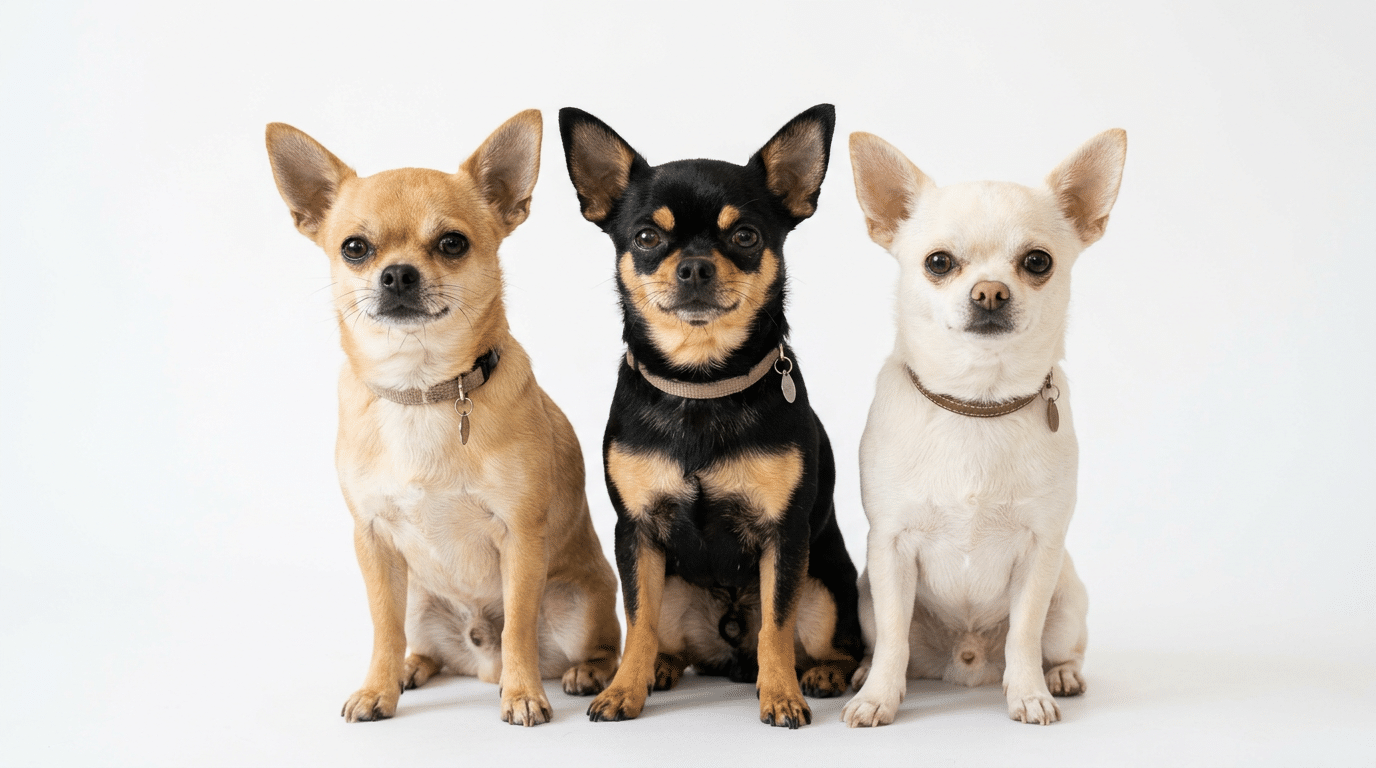
The AKC breed standard states that the Chihuahua coat may be any Chihuahua color, solid, marked, or splashed — there is no disqualifying colour under the official standard. This is unusual among AKC breed standards, many of which restrict acceptable colours significantly. For Chihuahuas, the diversity is part of the breed’s character. The standard applies identically to both smooth (short) and long coat varieties — the underlying genetics are the same, though coat texture changes how a given colour visually presents.
7 recognised Chihuahua colors and patterns
1. Fawn
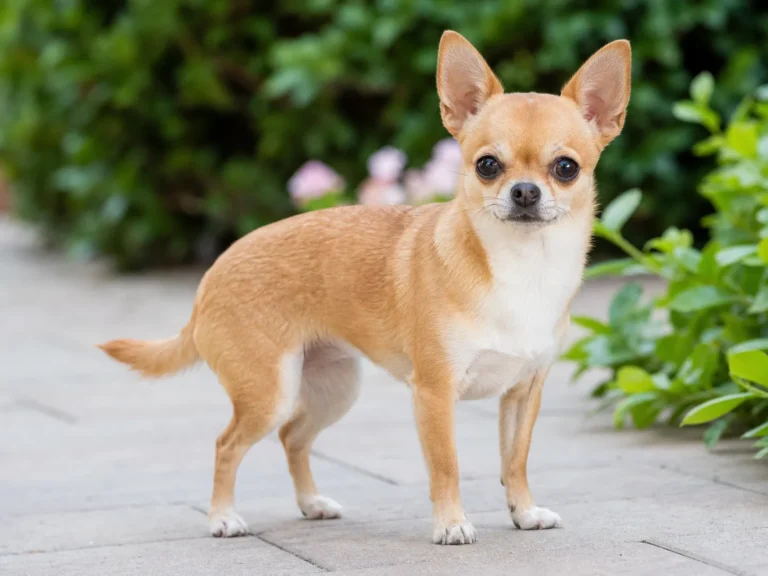
Fawn is the most iconic and historically common Chihuahua color — a light tan shade that gave the breed its old nickname, “the little yellow dog.” Fawn ranges from pale cream-tan to a richer golden tan and is one of the most genetically dominant colors in the breed, which is why it appears so frequently. Fawn Chihuahuas typically have black noses, paw pads, and eye rims, since the fawn pigment affects only the coat rather than the skin.
2. Black and tan
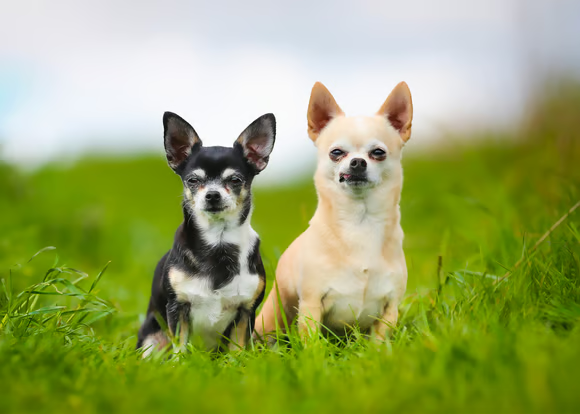
Black and tan is one of the most popular Chihuahua color combinations — a solid black body with tan markings typically appearing above the eyes, on the muzzle, chest, and legs. A variation, black and silver, replaces the warm tan with a cooler, lighter silver tone. Both are AKC-recognised. Solid black without any tan or white markings is comparatively rare in the breed.
3. Chocolate
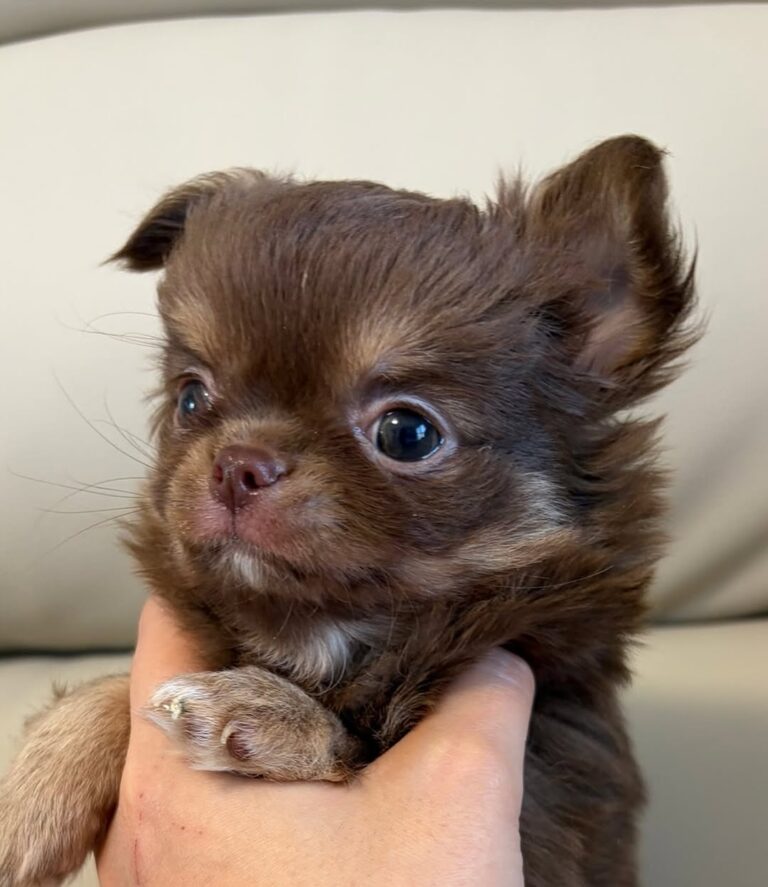
Chocolate is a standard AKC-recognised Chihuahua color resulting from a dilute gene affecting black pigmentation. Chocolate Chihuahuas are distinguishable from brown or liver-coloured dogs by their darker tone, and uniquely by their nose colour — chocolate Chihuahuas have brown or beige noses rather than the black noses seen in most other colours. White markings can appear on chocolate dogs without changing the classification.
4. Cream and white
Cream is a paler variation related to fawn, while pure white is a striking and relatively eye-catching Chihuahua color — a snow-white coat typically paired with dark eyes and a dark nose for maximum contrast. Both are AKC-recognised and commonly seen across the breed, with cream being one of the more frequently occurring shades due to the dominant genetics involved.
5. Blue
Blue is a rarer and more sought-after Chihuahua color — the coat starts genetically as black but undergoes a dilution that turns it a distinctive silvery-blue-grey tone. Because the gene responsible is uncommon, blue Chihuahuas are harder to find and often carry a premium price. Blue and white and other blue combinations are also AKC-recognised. Prospective owners should be aware that dilute colour genes including blue can occasionally be associated with skin and coat health sensitivities, so working with a health-screening breeder is particularly important for this colour.
6. Sable
Sable is a pattern rather than a single colour — hairs with darker tips over a lighter base, creating a shimmering, textured effect as the dog moves. The AKC recognises three sable varieties: black sabled fawn, black sabled silver, and chocolate sabled fawn. Sable is a dominant gene, meaning a puppy needs only one copy to display the pattern. Three sable sub-types exist: clear (black tipping throughout), tipped (concentrated on the head, back, and tail), and shaded (more pronounced on the back and neck). This Chihuahua color pattern can shift slightly as the coat matures.
7. Merle
Merle produces a striking marbled or swirled coat pattern and is among the most visually distinctive Chihuahua colors — but it carries the most significant health considerations of any colour on this list. The merle gene can cause whitening around the ears and eyes, and double merle genetics (inherited from two merle parents) is linked to deafness, blindness, and potential cardiac, skeletal, and reproductive complications. Despite the striking appearance, responsible breeders are cautious with merle breeding programmes, and any prospective owner should ask directly about the genetic background before purchasing a merle puppy.
Patterns and markings explained
Beyond solid Chihuahua colors, the breed displays several recognised patterns:
- Brindle: tiger-like stripes overlaying a base colour such as fawn or black. Caused by a specific gene and comparatively rare in Chihuahuas despite being common in other breeds. The AKC recognises blue brindled fawn, chocolate brindled fawn, and fawn brindled black
- Masked: a darker facial band, typically across the muzzle and above the eyebrows, contrasting with a lighter body colour. The AKC recognises blue mask, black mask, and black mask with white markings
- Tricolor: three distinct colours combined, such as black, tan, and white, or chocolate, cream, and white — showcasing the breed’s genetic diversity in a single coat
- Particolor / splashed: patches of colour against a white or lighter base, creating an irregular, scattered pattern unique to each individual dog
The rarest Chihuahua colors
Among all recognised Chihuahua colors, a handful stand out for their rarity and the premium they often command:
- Lavender: a soft purple-grey tone resulting from a diluted chocolate gene — extremely rare and difficult to breed precisely
- Lilac: closely related to lavender with subtler pinkish undertones — so rare that even experienced breeders sometimes struggle to distinguish it from lavender at a glance
- Silver: a metallic sheen from diluted black pigment, often mistaken for white until seen in direct sunlight, where the true silver tone becomes apparent
- Blue and merle: as covered above, both rare and often expensive — though merle carries the additional and important health considerations
Rare colours understandably attract attention and often a higher price tag, but colour should never be the primary factor in choosing a puppy. Health screening, temperament, and breeder reputation matter significantly more for a long, happy life together than coat colour alone.
Color-linked health flags to know
While most Chihuahua colors carry no specific health implications, a small number warrant additional awareness:
- Merle: the most significant colour-linked health concern in the breed. Double merle genetics can cause deafness, blindness, and cardiac, skeletal, or reproductive complications. Ask any breeder directly about merle parentage before purchasing
- Dilute colours (blue, lavender, lilac): some dilute-gene dogs across breeds can show increased sensitivity to skin and coat conditions, though this is less pronounced in Chihuahuas than in some other breeds
- All colours: colour itself does not determine overall health — temperament, structural soundness, and screening for cardiac and patellar conditions matter far more. See our AKC Chihuahua breed standard guide for the full picture of what responsible breeding looks like
Do puppies change color as they grow?
Yes — Chihuahua colors are not always fixed at birth. Puppies born with light fawn or cream coats often deepen in tone as they mature. Sabled puppies can lose some of their dark tipping over the following months. Most colour changes stabilise by 12 to 18 months of age, though subtle shifts can continue through the first two to three years of a dog’s life. This is a normal part of coat development and not a cause for concern — the puppy you choose may look noticeably different as an adult than they did at 8 weeks old.
Browse our available puppies to see the current colours and patterns in our litters, or get in touch with our team for any questions about specific colour genetics.
Common questions about Chihuahua colors
See our beautiful Chihuahua colors at Chihuvas.
From classic fawn to striking blue, every Chihuvas puppy is bred for health and temperament first. AKC-registered, Michigan’s most trusted Chihuahua breeder.
View available puppies →