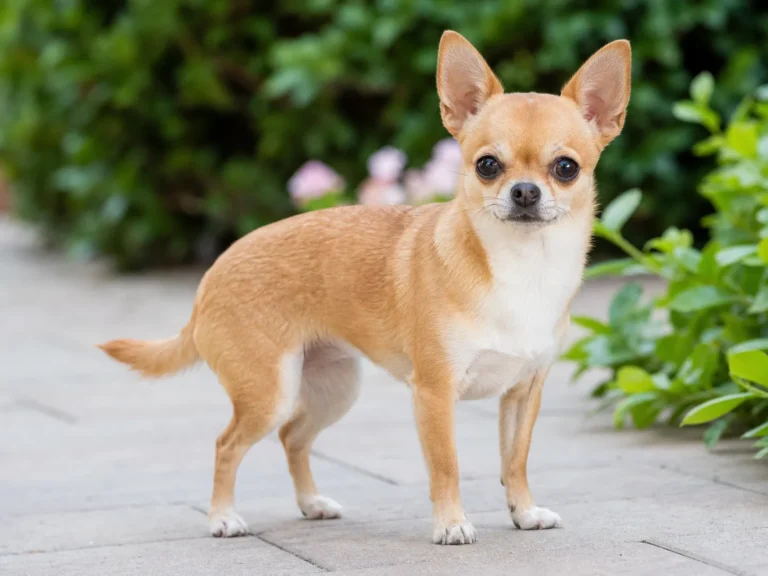
Chocolate chihuahua: genetics, looks and care
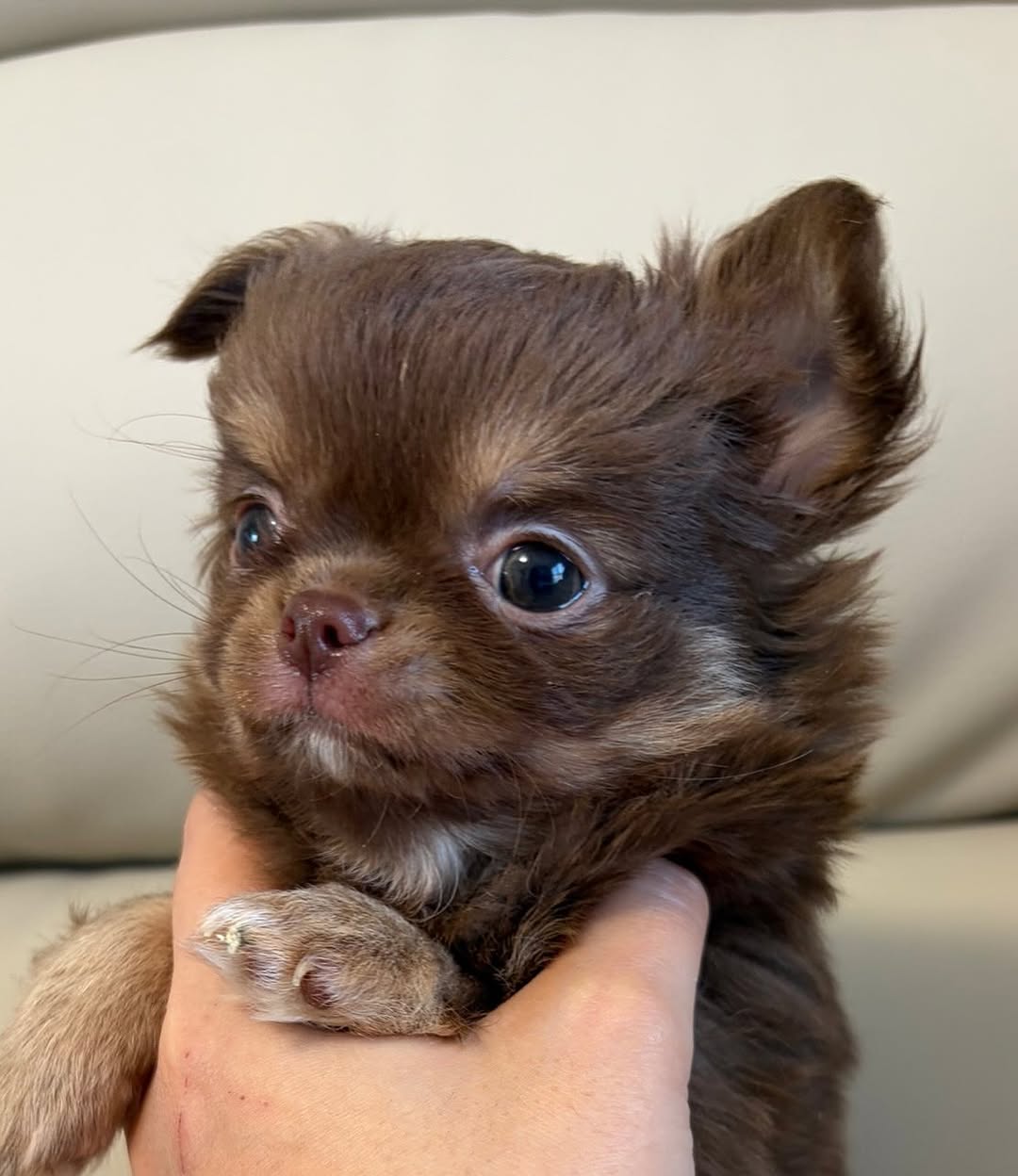
With a rich brown coat, brown nose and often warm amber eyes, the chocolate chihuahua is one of the most striking colors in the breed. Here is what makes this color special, how it is inherited and what owners should know.
We are AKC chihuahua breeders in Traverse City, Michigan, and families often ask about chocolate puppies. This guide explains the genetics of the chocolate chihuahua, the shades and markings, nose and eye color, health, AKC status, price and how to choose a well-bred puppy.
The Chihuahua Club of America breed standard allows any color or markings, and the AKC chihuahua breed page lists chocolate among the recognized colors.
What is a chocolate chihuahua?
A chocolate chihuahua has brown pigment instead of black. This changes not only the coat but also the nose, lips, eye rims and paw pads, which are all brown or liver colored.
That brown nose is the easiest way to tell a true chocolate chihuahua from a dark red or fawn dog, which will have a black nose.
A chocolate chihuahua has two copies of the recessive b gene, giving a brown coat with a brown nose, paw pads and eye rims, often with amber or hazel eyes. The color is accepted by the AKC and is not linked to any specific health problem.

Chocolate chihuahua: 9 amazing facts
- 1. Chocolate is caused by a recessive gene, so both parents must pass it on.
- 2. The nose, paw pads and eye rims are brown, never black.
- 3. Eyes are often amber, hazel or light brown.
- 4. Shades range from milk chocolate to dark brown.
- 5. Chocolate can appear with tan points, white markings or merle.
- 6. Two chocolate parents always produce chocolate puppies.
- 7. Dogs can carry chocolate without showing it.
- 8. The AKC accepts chocolate in the show ring.
- 9. The color itself is not linked to health problems.
These facts explain why the chocolate chihuahua is so popular with families.
The chocolate gene
Coat color is controlled by several genes. Chocolate comes from the B locus, which decides whether a dog makes black or brown pigment.
| Genotype | What it means | Nose color |
|---|---|---|
| BB | Black pigment, no chocolate gene | Black |
| Bb | Black pigment, carries chocolate | Black |
| bb | Chocolate | Brown |
Because the b allele is recessive, a puppy must inherit one copy from each parent to be a chocolate chihuahua.
Chocolate carriers
A dog with one b allele (Bb) looks black-pigmented but carries chocolate. When two carriers are bred, about one in four puppies on average can be chocolate.
| Parents | Possible puppies |
|---|---|
| bb x bb | All chocolate |
| bb x Bb | About half chocolate, half carriers |
| Bb x Bb | About one quarter chocolate |
| BB x bb | All carriers, none chocolate |
This is why chocolate puppies can sometimes appear in litters from black-nosed parents.
Shades of chocolate
A chocolate chihuahua can range from a light milk-chocolate brown to a deep, almost black-brown. The exact shade depends on other genes and can change slightly as a puppy grows.
- Milk chocolate: a lighter, warm brown.
- Classic chocolate: a medium, rich brown.
- Dark chocolate: a deep brown that can look almost black indoors.
In sunlight, the warm brown tones and the brown nose make the color easy to recognize.
Markings and patterns
| Pattern | What it looks like |
|---|---|
| Solid chocolate | Brown all over |
| Chocolate and tan | Brown with tan points on the brows, cheeks, chest and legs |
| Chocolate and white | Brown with white patches |
| Chocolate tricolor | Brown, tan and white |
| Chocolate merle | Marbled brown patches on a lighter base |
Our chihuahua colors guide explains other colors and patterns in the breed.
Nose, paw pads and eyes
Every chocolate chihuahua has brown or liver-colored skin pigment. You will see it on the nose, lips, eye rims and paw pads.
Many chocolate dogs also have lighter eyes, from amber to hazel or light brown. Some have dark brown eyes. Both are normal for the color.
Chocolate vs red or fawn
Dark red and deep fawn chihuahuas can look brown, especially in photos. The quickest way to tell them apart is the nose.
| Feature | Chocolate | Red or fawn |
|---|---|---|
| Nose | Brown | Black |
| Paw pads | Brown | Black |
| Eye rims | Brown | Black |
| Eye color | Often lighter | Usually dark |
Chocolate vs lilac
Lilac, sometimes called isabella, appears when a chocolate chihuahua also inherits two copies of the dilute gene. The brown becomes a pale, silvery brown with a pinkish-brown nose.
Dilute colors can carry a risk of color dilution alopecia. Our blue chihuahua guide explains dilution in detail.
Chocolate merle
A chocolate merle has marbled brown patches on a lighter brown or cream base, often with blue or partly blue eyes. Merle is a separate pattern gene that can appear on any base color.
Merle must be bred responsibly, because breeding two merles together can cause serious eye and hearing problems. Our merle chihuahua guide explains why.
How chocolate puppies change
Chocolate puppies are brown from birth, and the brown nose is visible early. The coat shade may lighten or deepen slightly over the first year.
Eye color often settles between 8 and 16 weeks. Long coat puppies grow their full feathering over the first year or two.
Chocolate vs black
Chocolate and black are two versions of the same pigment gene. Black dogs make black pigment, chocolate dogs make brown.
| Feature | Chocolate | Black |
|---|---|---|
| Gene | bb | BB or Bb |
| Coat | Brown | Black |
| Nose and pads | Brown | Black |
| Eyes | Often amber or hazel | Usually dark brown |
| Can carry the other? | Always carries chocolate | Can carry chocolate |
A very dark chocolate can look black indoors, so always check the nose in daylight.
Photographing a brown dog
Brown coats can look flat or dark in photos, especially indoors. Natural light near a window or soft outdoor shade brings out the warm tones.
- Shoot in daylight, not under yellow indoor lights.
- Avoid harsh midday sun, which washes out color.
- Use a light background to make the brown stand out.
- Get down to your dog’s eye level.
- Use treats or a squeaky toy to catch an alert look.
Day-to-day life
Life with a brown chihuahua is the same as with any chihuahua. These tiny dogs love company, warmth and short daily walks.
- Small, regular meals, especially for puppies.
- A harness rather than a collar for walks.
- A warm, cozy bed and a sweater in winter.
- Regular dental care.
- Plenty of gentle play and training.
Our best bed for chihuahuas and chihuahua leash training guides help with everyday care.
Families and children
Chihuahuas can be wonderful family dogs with older, gentle children. Because they are tiny, they can be hurt by rough play or being dropped.
Teach children to sit on the floor to cuddle and never to pick up the puppy without an adult. Our are chihuahuas good with kids guide has more advice.
The first weeks at home
A new puppy needs a calm, steady routine. Keep the same food the breeder used, offer small meals several times a day and give plenty of rest.
Our bringing home a chihuahua puppy and first night guides walk you through the early days.
Chocolate coats as dogs age
Many dogs develop white or grey hairs on the muzzle and around the eyes as they get older. On a brown coat, this greying often shows up clearly from around seven or eight years of age.
Greying is normal and nothing to worry about on its own. Our senior chihuahua care guide explains how to keep older dogs comfortable.
Is it really chocolate? A quick check
- Look at the nose in daylight: brown means chocolate, black means not.
- Check the paw pads and eye rims for brown pigment.
- Look at eye color: amber or hazel is common in chocolate.
- Ask whether the parents have been DNA tested.
- Ask for clear daylight photos of the puppy and parents.
These simple checks help you avoid confusion with dark red or sable puppies.
How rare is a chocolate chihuahua?
Chocolate is less common than fawn, cream or black and tan, but it is not extremely rare. Because it needs two copies of a recessive gene, fewer puppies are born chocolate.
Be cautious of sellers who call chocolate “ultra rare” to justify very high prices. Health, temperament and breeding quality matter far more than color.
AKC status
The chihuahua breed standard allows any color or markings. A chocolate chihuahua can be registered with the AKC and compete in conformation shows, as long as it meets the standard.
Our AKC chihuahua breed standard guide explains what judges look for, and our AKC limited vs full registration guide explains registration types.
Health
The chocolate gene itself is not linked to any specific health problem. A chocolate chihuahua faces the same breed risks as any other chihuahua.
- Dental disease.
- Luxating patella.
- Collapsed trachea.
- Heart murmurs.
- Low blood sugar in puppies.
Lilac (chocolate plus dilute) and merle patterns carry extra considerations. Our chihuahua health problems guide covers breed conditions.
Sun and coat fading
Brown coats can fade or turn reddish with lots of sun exposure. Some owners notice a slightly lighter, warmer tone in summer.
Limiting midday sun helps protect both coat and skin. Our chihuahua in hot weather guide has summer tips.
Coat care
A chocolate chihuahua needs the same coat care as any chihuahua. Weekly brushing, a gentle bath every few weeks and a balanced diet keep the coat glossy.
Our chihuahua grooming guide and how to bathe a chihuahua guides explain the steps.
Long coat or smooth coat
Chocolate comes in both coat types. Smooth coats show a sleek, even brown, while long coats have soft feathering that can look lighter at the tips.
Our long coat vs smooth coat chihuahua guide compares the two.
Temperament
Coat color does not affect personality. A chocolate chihuahua is as loyal, alert and affectionate as any other chihuahua.
Temperament comes from genetics, early socialisation and training. Our chihuahua temperament guide explains the breed’s personality.
Feeding for a glossy coat
Diet has a big effect on how rich a brown coat looks. A balanced, good-quality food with enough protein and healthy fats keeps the coat shiny and the skin healthy.
- Choose a small-breed food with quality protein.
- Feed measured portions to avoid weight gain.
- Ask your vet before adding fish oil or supplements.
- Avoid fatty table scraps.
Our best food for chihuahuas guide explains what to look for.
Health checks to ask about
Whatever the color, ask any breeder about these health checks before choosing a puppy.
| Check | Why it matters |
|---|---|
| Vet health certificate | Confirms the puppy was examined |
| Vaccination record | Shows protection so far |
| Knee check | Screens for luxating patella |
| Heart check | Listens for murmurs |
| Parent health history | Shows likely future health |
Our chihuahua heart murmur and chihuahua luxating patella guides explain these conditions.
Lifespan
Color doesn’t change lifespan. With good care, chihuahuas often live 14 to 16 years or more, making them one of the longest-lived breeds.
Our chihuahua lifespan guide explains how to help your dog live a long, healthy life.
Breeding chocolate responsibly
Responsible breeders choose parents for health, temperament and structure first, and color second. Chasing a color alone can lead to poor breeding decisions.
- Health-test parents for the breed’s common conditions.
- Avoid breeding merle to merle.
- Be careful with dilute genes because of color dilution alopecia.
- Keep the breed standard in mind.
Our how to choose a chihuahua breeder guide explains what to look for.
DNA testing
A simple cheek-swab DNA test can show whether a dog is BB, Bb or bb. This tells breeders whether a dog carries chocolate and helps predict puppy colors.
DNA tests can also check for dilute and merle genes, which is important for responsible breeding.
How much does a chocolate chihuahua cost?
Price depends more on the breeder, pedigree, coat, size and health testing than on color. Some sellers charge more for chocolate because of demand.
At Chihuvas, our puppies range from $1,250 to $3,000. Our chihuahua cost guide explains what a fair price includes.
Choosing a breeder
- Ask to see both parents or photos of them.
- Check the nose color to confirm chocolate.
- Ask about health testing and vet checks.
- Ask for AKC registration details.
- Avoid sellers who focus only on color or rarity.
- Watch out for deposit scams.
Name ideas for a chocolate chihuahua
| Theme | Ideas |
|---|---|
| Sweet treats | Cocoa, Mocha, Fudge, Truffle, Brownie |
| Coffee | Espresso, Latte, Java |
| Nature | Hazel, Acorn, Maple, Chestnut |
| Spices | Cinnamon, Nutmeg, Ginger |
Looking for more ideas? Our chihuahua names guide has hundreds more.
Myths about chocolate chihuahuas
| Myth | Fact |
|---|---|
| Chocolate chihuahuas are extremely rare | Less common, but not ultra rare |
| Any brown chihuahua is chocolate | Only brown-nosed dogs are true chocolate |
| Chocolate dogs have more health problems | The color itself isn’t linked to health issues |
| Chocolate isn’t allowed by the AKC | Any color is allowed |
| Color affects temperament | Personality comes from genes and upbringing |
Knowing the facts helps you choose a chocolate chihuahua for the right reasons.
Our approach
At Chihuvas, we breed for health, temperament and correct structure first in our Traverse City, Michigan home. Coat color is a bonus, never the goal.
Every puppy goes home with vaccinations, a microchip, a vet health certificate, AKC registration and a two-year genetic health guarantee. We deliver nationwide by in-cabin chihuahua flight nanny and stay in touch for life.
See our available puppies, send us an inquiry or meet our family on our chihuahua breeder in Michigan page.
Choose a puppy for its health and heart. A beautiful chocolate coat is simply the icing on the cake.
Chihuvas breeding teamChihuvas is an AKC-registered Chihuahua breeder based in Michigan, and we deliver our puppies nationwide across the US. Every puppy is health-checked, vaccinated for their age and socialised from birth. See our available puppies or send us an inquiry.
Common questions about chocolate chihuahua
Looking for a healthy puppy?
Every puppy is raised in our Michigan home and delivered nationwide with a health guarantee.
View available puppies →