Chihuahua coughing: causes and when to worry
A tiny dog with a big cough can be alarming. Chihuahua coughing has many causes, from a harmless tickle to heart disease, and the sound, timing and other signs help you work out when to call the vet.
We are AKC chihuahua breeders in Traverse City, Michigan, and we help families understand the common health quirks of this breed. This guide explains the main causes of chihuahua coughing, what each type sounds like, home care, emergency signs and how to protect your dog’s airway.
For a vet-written overview of one common cause, see the VCA Animal Hospitals guide to kennel cough. Heartworm can also cause coughing; the American Heartworm Society explains prevention.
Types of chihuahua coughing
The sound of chihuahua coughing is one of the best clues to its cause. Listen carefully and, if you can, record it for your vet.
| Cough sound | What it may mean |
|---|---|
| Honking, like a goose | Collapsed trachea |
| Dry, hacking, as if something is stuck | Kennel cough |
| Soft, moist cough, often at night | Heart disease or fluid on the lungs |
| Wet, productive cough | Pneumonia or bronchitis |
| Gagging after coughing | Throat irritation or kennel cough |
| Sudden, violent coughing while eating or playing | Something stuck in the throat |
Occasional, brief chihuahua coughing in a bright dog is often mild. See a vet if the cough lasts more than a few days, keeps getting worse or happens at night. Get emergency help if your dog struggles to breathe, has blue or grey gums or collapses.

Coughing or reverse sneezing?
Reverse sneezing often frightens new owners. The dog stands still, stretches its neck and makes loud snorting sounds while breathing in. It usually lasts less than a minute.
Reverse sneezing is common in small breeds and is usually harmless. Gently stroking the throat or covering the nostrils briefly can help it stop. A true cough pushes air out instead.
Common causes of chihuahua coughing
Chihuahua coughing has many possible causes. Some are mild, while others need ongoing care.
| Cause | How serious |
|---|---|
| Throat tickle or drinking too fast | Usually mild |
| Collar pressure | Mild, but can worsen trachea problems |
| Irritants like smoke or dust | Mild to moderate |
| Allergies | Mild to moderate |
| Kennel cough | Usually mild, risk of pneumonia |
| Collapsed trachea | Ongoing, needs management |
| Heart disease | Serious, needs a vet |
| Pneumonia | Serious |
| Heartworm | Serious |
| Something stuck in the throat | Emergency |
Your dog’s age, vaccination history and other symptoms help your vet decide what is most likely.
When chihuahua coughing is an emergency
Get urgent vet care if you notice any of these.
- Struggling to breathe or breathing with the mouth open at rest.
- Blue, grey or very pale gums.
- Collapse or fainting.
- Coughing up blood.
- Fast breathing while asleep or resting.
- Restlessness and inability to settle.
- Sudden, violent coughing after chewing something.
A tiny dog struggling to breathe can go downhill fast. Keep your dog calm and cool, avoid pressure on the neck and go straight to your vet or an emergency clinic.
Collapsed trachea
Collapsed trachea is one of the most common causes of chihuahua coughing. The rings of cartilage in the windpipe weaken and flatten, narrowing the airway.
- A honking cough like a goose.
- Coughing with excitement, pulling on a lead or drinking.
- Worse in hot, humid weather.
- Worse in overweight dogs.
Most dogs are managed with weight control, a harness and medication. Our chihuahua collapsed trachea guide explains it in detail.
Kennel cough
Kennel cough is a contagious airway infection caused by several viruses and bacteria. It spreads where dogs meet, such as boarding kennels, groomers, training classes and parks.
- A dry, hacking cough, often followed by gagging.
- Usually starts three to ten days after exposure.
- Most dogs stay bright and keep eating.
- Usually clears in one to three weeks.
Puppies and seniors can develop pneumonia, so call your vet. A vaccine is available; our chihuahua vaccination schedule guide explains when it is given.
Heart disease
Small breeds are prone to mitral valve disease, a leaking heart valve that often shows up as a murmur. Over time, it can lead to fluid on the lungs and chihuahua coughing.
- A soft cough, often at night or when lying down.
- Faster breathing at rest.
- Tiring quickly on walks.
- Restlessness at night.
Early treatment can help dogs live comfortably for years. Our chihuahua heart murmur guide explains what a murmur means.
Coughing at night
Chihuahua coughing that happens mainly at night, or when your dog lies down, deserves a vet visit. It can be an early sign of heart disease.
A useful home check is your dog’s resting breathing rate. Count breaths for 30 seconds while your dog is asleep and double it. A rate that is regularly above 30 breaths a minute should be discussed with your vet.
Allergies
Pollen, dust, mold and other allergens can irritate the airways and cause chihuahua coughing, often with sneezing, itchy skin or watery eyes.
Our chihuahua allergies guide explains common triggers and treatment.
Smoke and irritants
Tiny airways are sensitive. Cigarette smoke, vaping, strong sprays, air fresheners, candles and dust can all trigger coughing.
- Never smoke or vape near your dog.
- Avoid aerosol sprays and strong scents.
- Use unscented cleaning products where possible.
- Keep your home well ventilated.
Pneumonia
Pneumonia is infection or inflammation in the lungs. It can follow kennel cough or inhaling food or vomit, and causes a wet chihuahua coughing along with fever, lethargy and fast breathing.
Pneumonia needs prompt vet treatment, usually with antibiotics and supportive care.
Heartworm
Heartworm is spread by mosquitoes and affects the heart and lungs. Coughing, tiring easily and weight loss can be signs, though early infections often show none.
Year-round prevention and yearly testing, as advised by your vet, protect your dog. Treatment for an established infection is long and difficult.
Something stuck in the throat
Grass seeds, small toy pieces, bones and food can get stuck in a tiny throat. Signs include sudden coughing, gagging, pawing at the mouth and drooling.
This needs a vet straight away. Choose toys sized for small dogs; our best toys for chihuahuas guide has safe picks.
Coughing in puppies
Chihuahua coughing in puppies is most often kennel cough or another infection. Because puppies are small and their immune systems are still developing, always call your vet.
- Watch for fever, lethargy, refusing food or fast breathing.
- Keep the puppy warm and calm.
- Keep it away from other dogs until checked.
- Keep vaccinations on schedule.
Coughing in older dogs
In older dogs, chihuahua coughing is more often linked to heart disease, collapsed trachea or chronic bronchitis. Any new or worsening cough in a senior should be checked by a vet.
Our guide to caring for an old chihuahua covers other changes to watch for.
Weight and breathing
Extra weight puts pressure on the chest and windpipe and makes chihuahua coughing worse, especially with collapsed trachea or heart disease.
Even a few ounces of weight loss can ease breathing. Our overweight chihuahua guide explains safe weight loss.
Harness or collar?
A collar presses directly on the windpipe. For a chihuahua, this pressure can trigger coughing and worsen trachea problems.
Use a well-fitted harness for walks and keep collars only for ID tags. Our chihuahua harness guide explains how to choose and fit one.
Dental disease and coughing
Severe dental disease can lead to infections that spread and, in rare cases, contribute to airway or heart problems. Bad breath, red gums and loose teeth are signs to act on.
Good dental care supports overall health. Our chihuahua dental care guide explains how to brush a tiny dog’s teeth.
Coughing after drinking or eating
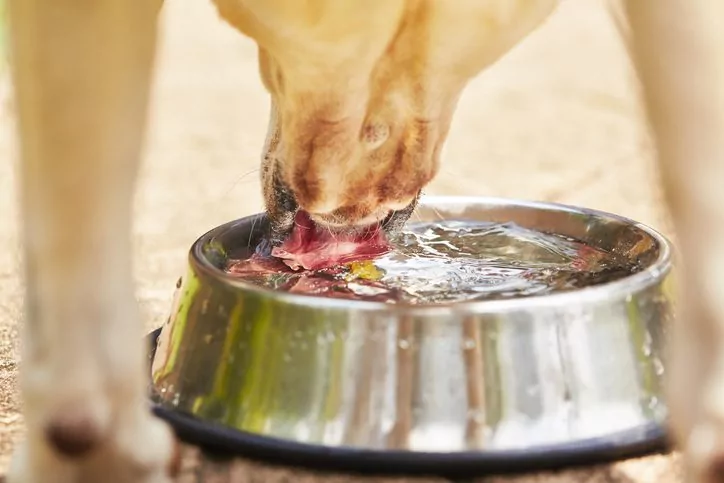
Some dogs cough right after drinking or eating. This type of chihuahua coughing can come from gulping, a sensitive windpipe or, less often, swallowing problems.
- Use a shallow bowl and offer water in smaller amounts.
- Slow down fast eaters with a slow-feeder bowl.
- Raise the bowl slightly if your vet suggests it.
- See your vet if coughing happens with every meal.
Groomers, boarding and daycare
Places where many dogs meet are common sources of kennel cough. A little planning reduces the risk of chihuahua coughing after a stay.
- Ask whether the facility requires the kennel cough vaccine.
- Check that your dog’s vaccinations are current.
- Choose clean, well-ventilated facilities.
- Avoid visits while your dog is coughing, to protect others.
If your dog starts chihuahua coughing a few days after boarding or grooming, call your vet and mention the visit.
Living with a chronic cough
Some dogs, especially those with collapsed trachea or heart disease, live with ongoing chihuahua coughing. With good management, most enjoy a happy, active life.
- Give medications exactly as prescribed.
- Keep regular vet rechecks.
- Track resting breathing rate at home.
- Avoid triggers such as heat, smoke and excitement.
- Keep a written plan for what to do in a bad episode.
Coughing and travel
Travel can bring new irritants, dry air and contact with other dogs. If your dog has a history of chihuahua coughing, plan ahead.
- Use a harness and a well-ventilated carrier.
- Bring any prescribed medications.
- Keep your dog away from coughing dogs at rest stops and airports.
- Ask your vet whether your dog is fit to fly if it has a heart or airway condition.
Our travelling with a chihuahua guide has more tips for trips with a tiny dog.
What happens at the vet
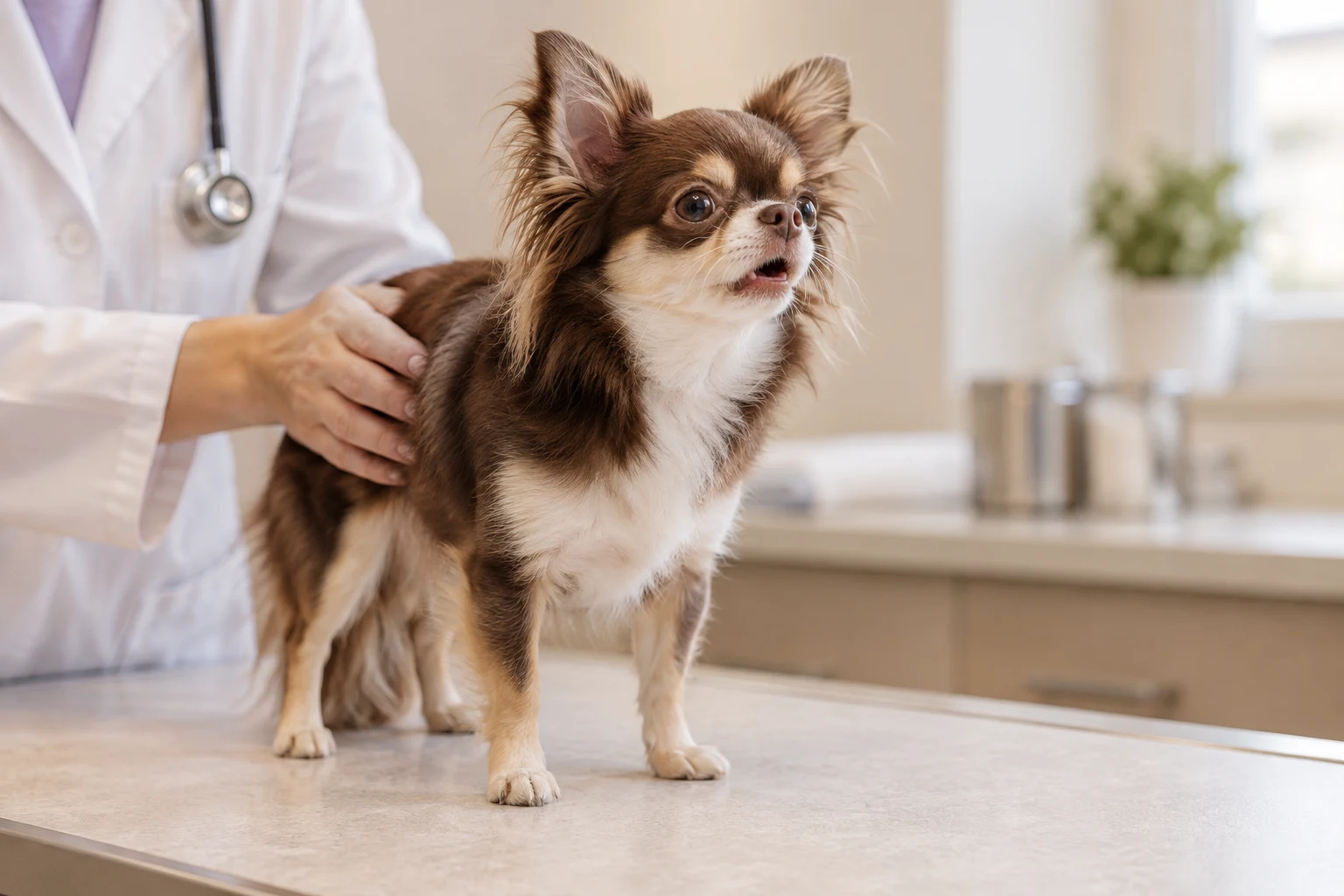
Your vet will look for the cause of chihuahua coughing.
| Test | What it checks |
|---|---|
| Physical exam | Heart, lungs, temperature, throat |
| Chest X-rays | Lungs, heart size, windpipe |
| Heart ultrasound | Valve disease and heart function |
| Heartworm test | Heartworm infection |
| Airway scope | Collapsed trachea, foreign objects |
| Blood tests | Infection and overall health |
Bring a video of the cough and notes on when it happens. This often helps more than anything else.
Treatment
- Rest and time for mild kennel cough.
- Antibiotics for bacterial infections or pneumonia.
- Cough suppressants, if your vet advises.
- Anti-inflammatories for airway irritation.
- Heart medications for heart disease.
- Weight loss and a harness for collapsed trachea.
Never give human cough medicine without vet advice. Some contain ingredients that are toxic to dogs.
Home care
Alongside your vet’s advice, simple steps can ease chihuahua coughing at home.
- Use a harness instead of a collar.
- Keep your dog calm and limit excitement.
- Run a humidifier or let your dog sit in a steamy bathroom for a few minutes.
- Keep your home smoke-free.
- Offer water in small amounts.
- Keep a dog with kennel cough away from other dogs.
Film the cough
Coughing often stops as soon as you reach the vet. A short phone video is one of the most useful things you can bring.
Record a few episodes, ideally with the sound clear and your dog visible from the side. Note what your dog was doing just before each episode.
Cold and humid weather
Cold air can trigger coughing in sensitive airways, while hot, humid weather often worsens collapsed trachea.
Keep walks short in extreme weather and use a sweater in winter. Our keeping your chihuahua warm in winter guide has more tips.
Excitement and barking
Barking, greeting visitors and rough play can set off chihuahua coughing, especially in dogs with airway problems.
Calm greetings and short, gentle play sessions help. Our chihuahua anxiety guide has tips for calmer days.
Keeping a cough diary
| Record | Why it helps |
|---|---|
| Time of day | Night coughing can point to the heart |
| What your dog was doing | Excitement or pulling points to the trachea |
| Sound of the cough | Honking, hacking or wet |
| Resting breathing rate | Tracks heart and lung health |
| Videos | Lets your vet hear the cough |
Bring the diary and videos to your appointment. Patterns over a week or two can make the cause much clearer.
What to tell the vet
- When the cough started and how often it happens.
- What it sounds like.
- Whether it is worse at night, with excitement or after drinking.
- Any contact with other dogs recently.
- Breathing changes, tiredness or appetite changes.
Preventing chihuahua coughing
- Use a harness, not a collar.
- Keep your dog at a healthy weight.
- Keep vaccinations up to date.
- Use year-round heartworm prevention as advised.
- Avoid smoke and strong scents.
- Book regular vet checks, including heart checks for seniors.
Our chihuahua health problems guide covers other conditions to know about.
Myths about chihuahua coughing
| Myth | Fact |
|---|---|
| All coughing is kennel cough | There are many causes |
| Honking is normal for small dogs | It often means collapsed trachea |
| Night coughing is nothing | It can be an early heart sign |
| Human cough syrup is safe | Some ingredients are toxic to dogs |
| Collars are fine for tiny dogs | Harnesses protect the windpipe |
Knowing the facts helps you respond calmly and safely to chihuahua coughing.
Our approach
At Chihuvas, our puppies are vet-checked, vaccinated on schedule and introduced to a harness early in our Traverse City, Michigan home. Every family receives guidance on protecting their puppy’s airway.
Every puppy goes home with vaccinations, a microchip, a vet health certificate, AKC registration and a two-year genetic health guarantee. We deliver nationwide by in-cabin chihuahua flight nanny and stay in touch for life.
See our available puppies, send us an inquiry or meet our family on our chihuahua breeder in Michigan page.
A harness, a healthy weight and a smoke-free home go a long way toward keeping a tiny airway happy.
Chihuvas breeding teamChihuvas is an AKC-registered Chihuahua breeder based in Michigan, and we deliver our puppies nationwide across the US. Every puppy is health-checked, vaccinated for their age and socialised from birth. See our available puppies or send us an inquiry.
Common questions about chihuahua coughing
Looking for a healthy puppy?
Every puppy is vet-checked, raised in our Michigan home and delivered nationwide with a health guarantee.
View available puppies →