
How to keep your chihuahua warm in winter — 7 essential tips.
Chihuahua warm in winter is not a luxury concern — it is a genuine health necessity. Chihuahuas are among the most cold-sensitive dog breeds in the world, with virtually no natural insulation, minimal body fat, and a surface-area-to-mass ratio that causes them to lose body heat far faster than larger dogs. What feels like a crisp autumn morning to you can be dangerously cold for a chihuahua, and what feels like a mild winter day can push them toward hypothermia if they are unprotected.
This guide covers the seven most effective ways to keep your chihuahua warm in winter, both indoors and outdoors, the temperature thresholds every owner should know, the warning signs that your chihuahua is too cold, and the gear that actually works versus the products that look cute but achieve nothing. Everything here comes from our own experience keeping chihuahuas comfortable through UK winters since 2018 and is consistent with general guidance from the American Kennel Club on cold weather safety.
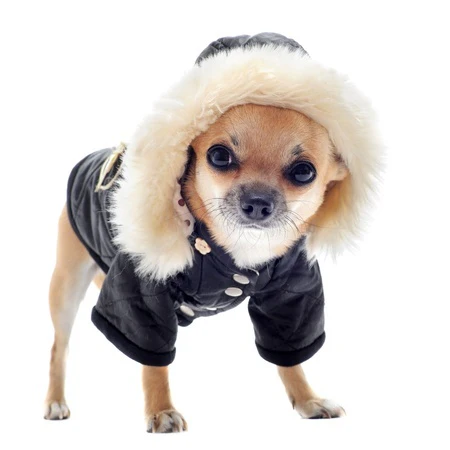
Chihuahua warm in winter — why they feel the cold so much
Understanding why keeping your chihuahua warm in winter requires active effort — rather than just assuming they will be fine — starts with understanding the physical realities of their body. Three factors combine to make chihuahuas exceptionally vulnerable to cold:
- Tiny body mass: A 2 kg chihuahua has far less internal heat generation capacity than a 30 kg Labrador, but loses heat through its skin at a proportionally much higher rate due to its larger surface-area-to-mass ratio
- Minimal body fat: Chihuahuas carry very little subcutaneous fat, which is the body’s primary insulation layer. Breeds like Huskies have a thick fat layer beneath dense fur — chihuahuas have neither
- Thin coat: Whether smooth-coat or long-coat, chihuahua fur provides far less insulation than the double coats found on breeds adapted to cold climates. Smooth-coat chihuahuas have essentially no thermal protection at all
The result is a dog that starts losing body heat the moment the temperature drops below about 10°C — and that can become dangerously cold in conditions that most other breeds would find perfectly comfortable. Keeping your chihuahua warm in winter is not about coddling them — it is about compensating for a genuine physical vulnerability.
Chihuahua warm in winter — temperature thresholds to know
| Temperature | Risk level | Action needed |
|---|---|---|
| Above 10°C | Comfortable | Normal activity. Light coat optional for smooth-coats. |
| 7–10°C | Cool | Coat or jumper recommended for outdoor walks. |
| 4–7°C | Cold | Coat essential. Keep walks short (10–15 mins max). |
| 0–4°C | Very cold | Lined coat + boots if walking. Limit outdoor time to toilet breaks. |
| Below 0°C | Dangerous | Avoid outdoor exposure. Toilet breaks only, fully coated. Monitor closely. |
These thresholds assume still air. Wind, rain, and damp conditions all accelerate heat loss dramatically. A 5°C day with wind and rain can feel like sub-zero to a chihuahua. When keeping your chihuahua warm in winter, always factor in conditions beyond just the number on the thermometer.
Chihuahua warm in winter — 7 essential tips
1. Invest in a properly fitted winter coat
A good winter coat is the single most important purchase you will make to keep your chihuahua warm in winter. Look for a coat that is fleece-lined or padded, covers the chest and belly (not just the back), fits snugly without restricting movement, and has a waterproof or water-resistant outer layer. Avoid coats that are purely decorative — if it does not cover the underside of your chihuahua’s body, it is not doing the job. The chest and belly are where chihuahuas lose heat fastest.
Measure your chihuahua’s neck circumference, chest girth (widest point behind the front legs), and back length (base of neck to base of tail) before buying. Chihuahuas vary enormously in body shape, and a coat marketed as “XS” from one brand may be completely different from another. A coat that is too tight restricts movement and breathing; too loose and cold air gets in, defeating the purpose of keeping your chihuahua warm in winter.
2. Use warm bedding with burrowing options
Chihuahuas instinctively burrow when they are cold — it is one of the breed’s most recognisable behaviours. Providing bedding that supports this instinct is one of the easiest ways to keep your chihuahua warm in winter overnight and during daytime naps. A fleece-lined cave bed or igloo bed with raised sides works brilliantly. Adding a soft blanket they can crawl under gives them control over their own warmth.
3. Keep your home consistently warm
Indoor temperature matters more than most owners realise. A house that dips to 15°C overnight — perfectly comfortable for a human under a duvet — can leave a chihuahua shivering. Aim to keep at least the rooms where your chihuahua sleeps and spends most of their time at 18°C or above during winter months. If heating the entire house is not practical, a pet-safe radiator or self-heating pet pad in their sleeping area makes a significant difference to keeping your chihuahua warm in winter.
4. Layer up indoors on cold days
Many people associate dog clothing with outdoor walks, but chihuahuas often need a lightweight indoor jumper or fleece during winter too — especially smooth-coat chihuahuas in houses that are not consistently heated. A thin cotton or fleece jumper worn around the house is not over-the-top; it is practical warmth management for a breed that has no ability to generate and retain its own heat effectively.
5. Shorten and time your winter walks
Winter walks should be shorter than summer walks and timed for the warmest part of the day — typically late morning or early afternoon. A 10-minute walk in a lined coat during daylight is far safer than a 20-minute walk at dusk when temperatures are dropping. If your chihuahua resists going outside or plants their feet and refuses to walk, they are telling you they are too cold. Listen to them and go back inside. Keeping your chihuahua warm in winter sometimes means skipping the walk entirely and doing indoor play instead.
6. Protect their paws
Cold pavements, ice, grit salt, and antifreeze puddles are all hazards for chihuahua paws in winter. Paw wax provides a protective barrier and some insulation for short walks. Dog boots provide the most protection but many chihuahuas resist wearing them and need gradual positive-association training to accept them. At minimum, wipe your chihuahua’s paws with a warm damp cloth after every winter walk to remove salt and chemicals that can irritate skin or be ingested during grooming.
Antifreeze (ethylene glycol) is extremely toxic to dogs and has a sweet taste that attracts them. Even a tiny amount can be fatal to a chihuahua. In winter, antifreeze leaks from cars onto driveways, pavements, and roads. Never let your chihuahua lick puddles outdoors during winter months, and always wipe their paws immediately after walks.
7. Watch for draughts at chihuahua height
This is one of the most overlooked aspects of keeping your chihuahua warm in winter. Your home may feel warm at standing height, but at floor level — where your chihuahua lives — draughts from under doors, through floorboards, and around skirting boards can create a significantly colder microclimate. Place your chihuahua’s bed away from external walls, doors, and windows. If possible, elevate the bed slightly off the floor to avoid the coldest air layer.
Chihuahua warm in winter — signs your dog is too cold
Chihuahuas cannot tell you they are cold in words, but they communicate it very clearly through behaviour and body language. Learn to recognise these signs so you can act before discomfort becomes danger:
- Shivering or trembling — the most obvious sign. While chihuahuas do sometimes shake from excitement or anxiety, consistent shivering in a cold environment is a clear temperature signal
- Curling into a tight ball — minimising exposed surface area is an instinctive heat-conservation behaviour
- Seeking warmth — burrowing under blankets, pressing against radiators, sitting on your lap more than usual, or hiding inside jumpers and hoodies
- Reluctance to go outside — planting feet at the door, turning back toward the house on walks, or hiding when they see the lead come out in cold weather
- Cold ears and paw pads — extremities lose heat first. Touch your chihuahua’s ears and paws — if they feel noticeably cold, the rest of their body is struggling too
- Lethargy or unusual stillness — a chihuahua that is normally active but becomes quiet and unresponsive in cold conditions may be conserving energy because their body temperature is dropping
Chihuahua warm in winter — when cold becomes dangerous
Hypothermia occurs when a dog’s core body temperature drops below the normal range of 38.3–39.2°C. Chihuahuas are at significantly higher risk than larger breeds because of everything discussed above — low mass, low fat, minimal coat. Hypothermia is a veterinary emergency.
Signs of hypothermia in chihuahuas progress through stages:
- Mild: Intense shivering, cold extremities, seeking warmth actively
- Moderate: Shivering may slow or stop (this is worse, not better), muscle stiffness, slow or shallow breathing, weakness
- Severe: No shivering, very slow heart rate, dilated pupils, collapse, unresponsiveness
If you suspect hypothermia, wrap your chihuahua in warm blankets, hold them against your body for warmth, and get to a vet immediately. Do not use direct heat sources like hair dryers or hot water bottles directly on their skin — rewarming too quickly can cause dangerous heart rhythm changes. Warm gradually with body heat and blankets while transporting to emergency veterinary care.
Keeping your chihuahua warm in winter is not about being overprotective — it is about understanding a genuine physical vulnerability and taking simple, practical steps to keep your dog safe, comfortable, and healthy through the cold months.
Chihuvas experienceCommon questions — chihuahua warm in winter
More care guides for your chihuahua.
Practical advice, honest stories, and everything we have learned raising chihuahuas at home since 2018. No jargon, no sponsored content — just real experience.
Read more guides →