
Chihuahua dental care — 7 proven steps for healthy teeth and gums.
Chihuahua dental care is not optional — it is one of the most important things you can do for your dog’s long-term health and lifespan. Dental disease is the single most common health problem in Chihuahuas, affecting up to 80% of dogs over three years old. Untreated dental disease does not just cause bad breath and tooth loss — it drives systemic bacterial infection that damages the heart, kidneys, and liver, directly shortening your dog’s life. The good news is that the right daily routine prevents the vast majority of it.
As AKC-registered Chihuahua breeders at Chihuvas, dental health is one of the key topics we cover with every new puppy family. This guide gives you the complete picture — why Chihuahuas are so vulnerable, what to look for, and the seven proven steps that form the foundation of effective Chihuahua dental care. The AKC guide to dog dental care and the PDSA dog teeth cleaning guidance provide additional veterinary context.
Why Chihuahuas are so prone to dental disease
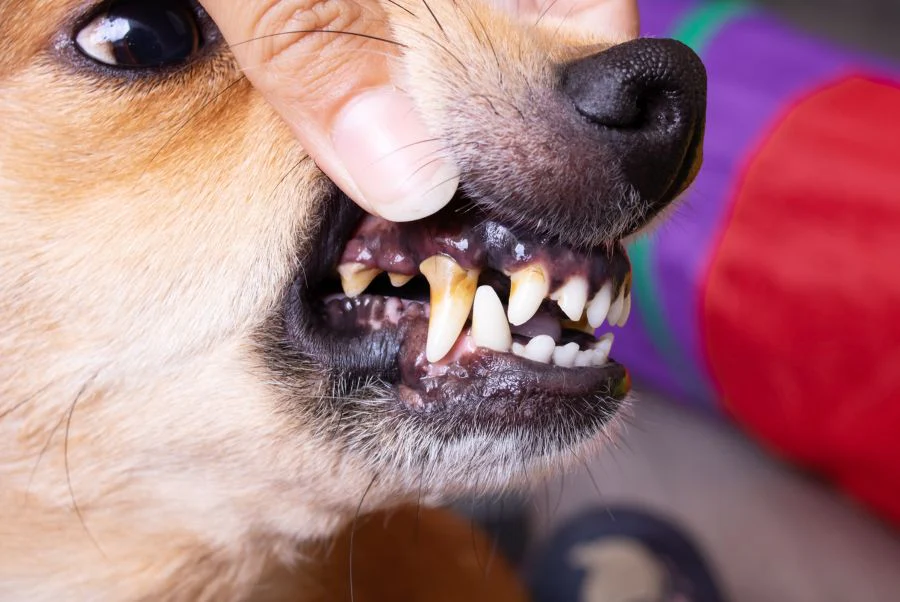
Understanding why Chihuahua dental care is so critical requires understanding the anatomy of the problem. A Chihuahua’s mouth contains 42 adult teeth — the same number as a Labrador, which is roughly ten times the size. Those 42 teeth are packed into a tiny jaw, creating overcrowding, misalignment, and deep bacterial pockets that standard chewing and saliva flow cannot adequately clean. The result is accelerated plaque formation, rapid tartar buildup, and the fastest progression to periodontal disease of almost any breed.
By age three, most Chihuahuas without consistent dental care already show signs of periodontal disease. By age five, significant dental damage is common. Without intervention, tooth loss, jawbone deterioration, and systemic infection follow. This is why veterinarians consistently rank Chihuahua dental care as the breed’s most important preventive health priority.
The systemic consequences are what make this so serious. Oral bacteria from untreated dental disease enter the bloodstream through inflamed gum tissue. These bacteria deposit on heart valves, contributing to mitral valve disease — the leading cause of death in Chihuahuas. They also damage the kidneys and liver. A Chihuahua with consistently poor dental health is at meaningfully higher risk of premature death from cardiovascular and organ disease — entirely preventable with the right daily routine.
Signs of dental disease to watch for
Early detection is important because early-stage dental disease responds far better to treatment than advanced periodontal disease. Check your Chihuahua’s mouth monthly and contact your vet if you notice:
- Bad breath — the most common and earliest sign of dental disease. Some odour is normal but pronounced, persistent bad breath indicates bacterial accumulation beyond normal levels
- Yellow or brown deposits on teeth — plaque (soft, pale yellow) and tartar (hard, brown) buildup. Tartar cannot be removed by brushing — it requires professional scaling
- Red, swollen, or bleeding gums — gingivitis. The earliest stage of gum disease and reversible with good Chihuahua dental care at this point
- Difficulty eating or dropping food — pain when chewing indicates advanced dental disease. May also present as reluctance to eat hard kibble or chew toys
- Pawing at the mouth — a sign of oral discomfort or pain
- Loose or missing teeth — indicates significant bone loss around the tooth root. Requires immediate veterinary assessment
- Excessive drooling or blood in saliva — signs of active infection or injury requiring prompt veterinary attention
7 proven Chihuahua dental care steps
These seven steps form a complete Chihuahua dental care routine — from daily home care through to professional veterinary intervention.
1. Brush teeth daily with enzymatic toothpaste
Daily brushing is the gold standard of Chihuahua dental care and the single most effective action you can take. Use a soft-bristled toothbrush designed for small breeds and dog-specific enzymatic toothpaste — never human toothpaste, which contains fluoride and xylitol that are toxic to dogs. Enzymatic toothpastes work with your dog’s saliva to break down bacteria even between brushing sessions, providing ongoing protection beyond the physical cleaning. Aim for two minutes of brushing, focusing on the back molars and the gum line where plaque accumulates fastest.
2. Focus on the gum line at 45 degrees
Technique matters as much as frequency in Chihuahua dental care. Hold the toothbrush at a 45-degree angle toward the gum line — not parallel to the tooth surface. This angle allows the bristles to reach into the gum margin where bacteria accumulate most destructively. Use gentle circular or back-and-forth strokes. Do not apply heavy pressure — this irritates the gums and makes future brushing more difficult. Cover front, back, and tops of all teeth, paying particular attention to the back molars which are most prone to tartar.
3. Use dental chews as a daily supplement
Dental chews sized appropriately for Chihuahuas (small breed formulations) provide mechanical abrasion as the dog chews, removing surface plaque from tooth surfaces. Look for products with the VOHC (Veterinary Oral Health Council) seal — these have been independently tested and proven to reduce plaque or tartar. Dental chews are a supplement to brushing, not a replacement. Even the best dental chew cannot reach the sub-gingival areas where periodontal disease develops.
4. Add a dental water additive
Dental water additives are a low-effort addition to any Chihuahua dental care routine. A measured amount is added to the water bowl daily, providing antibacterial and plaque-inhibiting ingredients throughout the day as the dog drinks. They are particularly valuable on days when brushing is not possible and for dogs that resist tooth brushing. Choose products formulated for small dogs and VOHC-approved where possible.
5. Provide appropriate chew toys
Regular chewing on appropriate toys supports dental health by providing natural abrasion and stimulating saliva production — saliva contains natural antibacterial compounds. For Chihuahuas, toys must be sized and hardness-rated appropriately for small breeds. Avoid very hard toys (nylon bones, real bones, antlers) that can fracture Chihuahua teeth — the “knuckle test” applies: if the toy doesn’t flex or dent when pressed with a thumbnail, it is too hard for a Chihuahua.
6. Schedule annual professional dental cleans
Professional veterinary dental cleaning under anaesthesia is an essential part of Chihuahua dental care from middle age onward — typically recommended annually or every 18 months depending on the individual dog’s rate of tartar buildup. Professional scaling removes the hardened tartar that home brushing cannot address, polishes the tooth surface to resist future buildup, and allows the vet to probe for sub-gingival pockets and identify loose or compromised teeth. Early dental cleans starting from age two or three produce significantly better lifetime outcomes than cleans that begin only when problems become visible.
7. Feed a high-quality diet
Nutrition plays a meaningful supporting role in Chihuahua dental care. High-quality diets with an appropriate balance of proteins and fats to carbohydrates reduce the sugar and starch substrate that oral bacteria feed on. Some premium dry kibbles are formulated with larger kibble sizes that encourage chewing rather than swallowing whole — providing mild mechanical cleaning. Avoid feeding sugary treats or human food high in carbohydrates, which accelerate plaque formation.
How to brush your Chihuahua’s teeth — step by step
Many Chihuahua owners find the prospect of brushing their dog’s teeth daunting. Here is the practical step-by-step approach we recommend to all new Chihuvas families:
- Week 1 — introduce the toothpaste: place a small amount of enzymatic toothpaste on your finger and let your Chihuahua lick it. Do this daily until they associate the taste with a positive experience. No brushing yet
- Week 2 — introduce finger brushing: apply toothpaste to a finger brush or your clean finger and gently rub the outer surfaces of the large canine teeth for a few seconds. Reward with calm praise
- Week 3 — introduce the toothbrush: let your dog sniff and lick the toothbrush with toothpaste applied. Begin gently brushing the canine and front teeth for 20 to 30 seconds
- Week 4 onward — full brushing: gradually extend to all tooth surfaces over the following weeks. Aim for two minutes total. Always reward with praise and a dental chew afterward
Sit your Chihuahua on your lap facing away from you or to the side — never restraining them on their back. Keep sessions short, positive, and consistent. The goal is for brushing to become a normal, expected part of the daily routine rather than a struggle.
Professional dental cleaning for Chihuahuas
Professional veterinary dental cleaning is a non-negotiable part of complete Chihuahua dental care. No amount of home brushing removes hardened tartar once it has formed — only professional ultrasonic scaling can address it. Most Chihuahuas benefit from their first professional clean between ages two and three, with subsequent cleans every 12 to 18 months depending on their individual buildup rate.
The procedure requires general anaesthesia — which some owners find concerning in a small breed. Modern veterinary anaesthesia is very safe for healthy Chihuahuas at any age, and the risks of untreated dental disease far outweigh the anaesthetic risk of a well-managed professional clean. Pre-anaesthetic blood work identifies any underlying issues before the procedure. Speak to your vet about the right schedule for your individual dog.
Starting dental care in Chihuahua puppies
The earlier you start Chihuahua dental care, the easier it becomes and the better the lifelong outcomes. Puppies under sixteen weeks are in the critical socialisation window — anything introduced calmly and positively at this age is far more readily accepted than the same introduction at twelve months. At Chihuvas, we begin gentle mouth handling with all our puppies from the first weeks of life, making the transition to tooth brushing in their new homes significantly smoother.
Start with the gradual introduction process described above from day one in your new puppy’s home. Even if your puppy has only milk teeth, establishing the routine early means it will be completely normal by the time adult teeth come in at around four to six months. Browse our available puppies or get in touch — we include dental care guidance in all our new puppy information packs.
Dental supplements and alternatives to brushing
For Chihuahuas that strongly resist tooth brushing, these alternatives reduce — but do not eliminate — the need for professional cleaning:
- Dental wipes — pre-moistened dental wipes rubbed over tooth surfaces remove surface plaque and are accepted by many dogs that resist a toothbrush
- Dental gels — applied by finger to the gum line, enzymatic gels work with saliva throughout the day. Less effective than brushing but far better than nothing
- Water additives — covered in step 4 above. Low effort, moderate effectiveness
- VOHC-approved dental chews — the most effective non-brushing intervention for surface plaque
- Raw meaty bones (carefully selected): some vets recommend appropriate raw bones for natural cleaning — but Chihuahuas’ small teeth and delicate jaws require careful selection. Consult your vet before introducing any bone
Common questions about Chihuahua dental care
Get a health-focused Chihuahua puppy from Chihuvas.
Our puppies leave with early mouth handling and dental care guidance built in. AKC-registered, health-screened, Michigan’s most trusted Chihuahua breeder.
View available puppies →