Overweight chihuahua: a safe weight-loss plan
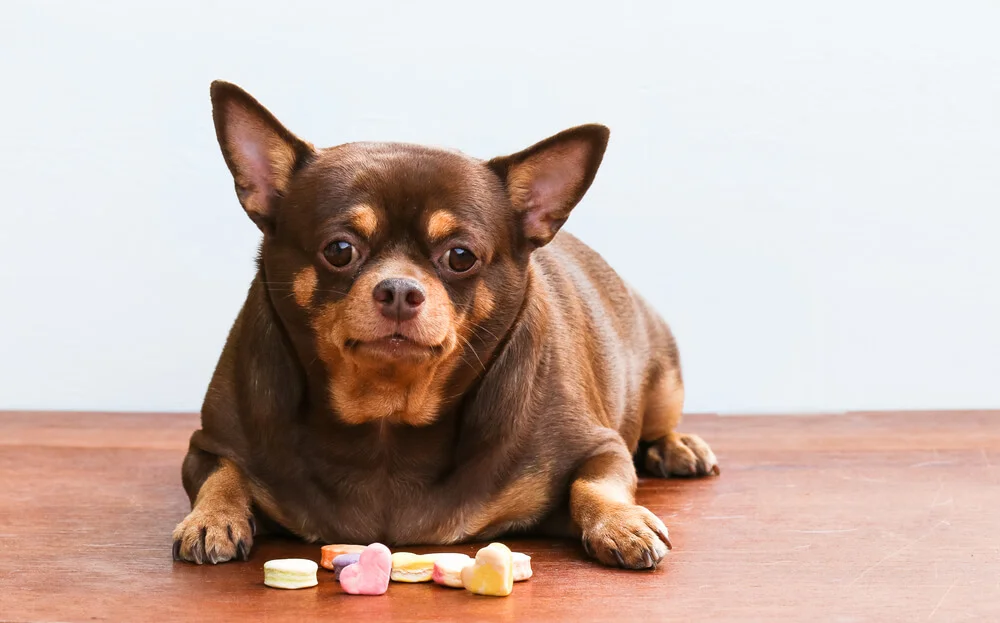
An overweight chihuahua is more common than many owners realize, because a few extra ounces are easy to miss on such a small dog. But on a tiny frame, even one extra pound is a lot, and it can strain the knees, windpipe and heart.
We are AKC chihuahua breeders in Michigan, and we keep our own dogs lean and fit. This guide shows you how to tell if you have an overweight chihuahua, why it matters, the common causes, and a safe, step-by-step weight-loss plan you can follow with your vet.
This guide is general information, not a substitute for your vet. For body condition scoring and nutrition guidance used by vets worldwide, see the World Small Animal Veterinary Association, and for the breed standard, the AKC chihuahua page.
Is your chihuahua overweight?
The easiest way to spot an overweight chihuahua is to use your hands and eyes rather than the scale alone. Try these three checks.
- Ribs: run your hands along the sides. You should feel the ribs easily with light pressure, like the back of your hand.
- Waist from above: looking down, you should see a clear waist behind the ribs.
- Tummy tuck from the side: the belly should rise up from the chest towards the back legs.
If you have to press to feel the ribs, can’t see a waist or the belly hangs low, your dog is likely carrying extra weight. Long coats can hide this, so always feel rather than just look.
An overweight chihuahua has ribs that are hard to feel, no waist from above and no tummy tuck. See your vet to rule out medical causes, then cut calories slowly, weigh food on a scale, swap treats for low-calorie options and add gentle daily walks. Aim for about 1 to 2 percent weight loss a week.

Body condition score
Vets often use a 9-point body condition score to describe weight. A score of 4 or 5 is ideal for most dogs.
| Score | What it looks like | Meaning |
|---|---|---|
| 1 to 3 | Ribs, spine and hip bones easily seen | Underweight |
| 4 to 5 | Ribs easily felt, clear waist, tummy tuck | Ideal |
| 6 to 7 | Ribs hard to feel, waist barely visible | Overweight |
| 8 to 9 | Ribs can’t be felt, no waist, fat deposits | Obese |
Ask your vet to score your dog at each visit. It is often a more useful guide for an overweight chihuahua than weight alone.
What should a chihuahua weigh?
The AKC breed standard says a chihuahua should not exceed 6 pounds. Many pet chihuahuas weigh between about 3 and 6 pounds.
Some chihuahuas with a larger frame are healthy at 7 or 8 pounds, so the right weight depends on your dog’s build. That is why body condition matters more than the number on the scale when judging an overweight chihuahua.
Our chihuahua weight chart shows typical weights by age, and your vet can set a target weight for your dog.
Health risks for an overweight chihuahua
Extra weight affects almost every part of the body. For an overweight chihuahua, the risks include:
| Area | How extra weight affects it |
|---|---|
| Knees | More strain on joints prone to luxating patella |
| Windpipe | Fat around the neck and chest can worsen tracheal collapse |
| Heart | The heart works harder, especially with valve disease |
| Joints | Earlier and more painful arthritis |
| Breathing | Panting, tiring easily, poor heat tolerance |
| Blood sugar | Higher risk of diabetes |
| Surgery | Higher anesthesia risk |
| Lifespan | Lean dogs tend to live longer, healthier lives |
Our guides to luxating patella, collapsed trachea and heart murmurs explain why weight matters so much for these conditions.
Why chihuahuas gain weight
Most cases of an overweight chihuahua come down to more calories in than out. A few common causes make that easy to do.
- Treats and table scraps: a tiny bite of cheese is a big snack for a chihuahua.
- Free-feeding: leaving food out all day.
- Scooping food by eye: instead of weighing it.
- Too little exercise: especially in cold weather or small homes.
- Spay or neuter: can lower calorie needs a little.
- Age: older dogs move less and need fewer calories.
- Medical conditions: such as hypothyroidism or Cushing’s disease.
- Many feeders: several family members all giving treats.
See your vet first
Before starting a diet, take your overweight chihuahua for a vet check. Your vet can rule out medical causes, check the heart, knees and joints, and set a safe target weight.
Your vet can also calculate how many calories your dog needs each day to lose weight safely. This is far more accurate than the feeding guide on a food bag, which is often too generous.
Very small dogs can develop low blood sugar or other problems if food is cut too sharply. Reduce calories gradually, under vet guidance, and never skip meals completely.
Our chihuahua hypoglycemia guide explains why tiny dogs need steady meals.
A safe weight-loss plan for an overweight chihuahua
Slow and steady is the rule. Vets usually aim for about 1 to 2 percent of body weight per week, which for an overweight chihuahua may be just an ounce or two.
- Week 1: vet check, set a target weight and daily calories, buy a kitchen scale.
- Week 1 onward: weigh every meal, split food into two or three small meals.
- Week 2: swap treats for low-calorie options and add one extra short walk.
- Every 2 weeks: weigh your dog and record it.
- Every month: review progress with your vet and adjust if needed.
- At target: move to a maintenance plan and keep weighing monthly.
Most dogs take several months to reach their target. That pace protects muscle and keeps your dog healthy along the way.
Measuring food accurately
Measuring food is the single most important step for an overweight chihuahua. A cup scoop can be off by a large amount, which matters a lot for a tiny dog.
- Weigh food in grams on a digital kitchen scale.
- Measure the whole day’s food in the morning, then divide it into meals.
- Use part of the day’s food as training treats.
- Ask your vet whether a weight-management food would help.
- Keep the same food during the diet so portions stay accurate.
Our chihuahua food guide covers feeding at each life stage.
Treats and table scraps
Treats are where most extra calories sneak in. Keep treats to about 10 percent of daily calories, and break them into very small pieces.
| Instead of | Try |
|---|---|
| Cheese or meat scraps | A few kibbles from the daily allowance |
| Store-bought biscuits | Tiny pieces of green bean or cucumber |
| Large chews | A small piece of carrot or a puzzle toy with kibble |
| Leftovers from the table | Praise, play or a short walk |
Avoid grapes, raisins, onions, garlic, chocolate and anything with xylitol, which are toxic to dogs. If you are unsure, check with your vet first.
Exercise for an overweight chihuahua
Exercise helps an overweight chihuahua burn calories and build the muscles that protect the joints. Start gently and build up slowly.
- Begin with two or three short walks a day at an easy pace.
- Add a few minutes each week as stamina improves.
- Use indoor play and puzzle feeders on bad-weather days.
- Avoid jumping, stairs and rough play while carrying extra weight.
- Keep your dog warm with a sweater on cold walks.
Our chihuahua exercise guide and best toys for chihuahuas have ideas for keeping your dog moving.
A sample day for an overweight chihuahua
Here is how a typical day might look for an overweight chihuahua on a weight-loss plan. Your vet will set the exact amounts.
| Time | What happens |
|---|---|
| Morning | Weigh out the whole day’s food; breakfast portion in a puzzle feeder |
| Mid-morning | Short walk at an easy pace |
| Midday | Training game using a few kibbles from the daily allowance |
| Afternoon | Indoor play with a soft toy |
| Evening | Dinner portion and a second short walk |
| Bedtime | A tiny low-calorie treat, counted in the day’s total |
Splitting food into small meals helps tiny dogs feel full and keeps blood sugar steady. Puzzle feeders slow down fast eaters and add mental exercise.
Can puppies be overweight?
Yes. A chubby puppy may look cute, but carrying extra weight while growing puts strain on developing joints. An overweight chihuahua puppy is also more likely to become an overweight adult.
Puppies should never be put on a strict diet without vet advice, because they need the right nutrients to grow. Your vet may simply adjust portions and treats.
Follow the feeding guide from your breeder and vet, weigh your puppy regularly and use our weight chart to track growth.
Weight gain after spay or neuter
Many owners notice weight creeping on after spaying or neutering. Calorie needs can drop a little after surgery, so the same portions may lead to an overweight chihuahua over time.
Weigh your dog for a few months after surgery and adjust food if needed. A small reduction in portion size is often enough.
Weight in older dogs
Older chihuahuas move less and usually need fewer calories. Without small portion changes, a senior can easily become an overweight chihuahua, which makes arthritis and heart disease harder to manage.
Some seniors lose weight instead, which may point to dental pain or illness. Any unexplained weight change in an older dog should be checked by a vet.
Signs weight loss is going wrong
Most dogs handle a slow diet well, but watch for signs that an overweight chihuahua is losing weight too quickly or isn’t coping.
- Weakness, wobbling or unusual tiredness.
- Refusing food or vomiting.
- Losing more than about 2 percent of body weight a week.
- A dull coat or loss of muscle over the back and legs.
- Begging that turns into stealing food or eating non-food items.
If you see any of these, call your vet. They may adjust the plan, change the food or check for other problems.
Tracking progress
Tracking keeps you motivated and shows your vet what is working. Small dogs need precise weighing.
- Use a baby scale, or a kitchen scale with a bowl, for very small dogs.
- Weigh at the same time of day, ideally before a meal.
- Record weight every two weeks in a notebook or app.
- Take a photo from above and from the side each month to compare.
- Note body condition each time by gently feeling the ribs and checking the waist.
If weight hasn’t changed after three or four weeks, your vet may adjust the calorie target. Every dog is different, so small changes are normal.
Getting the family on board
An overweight chihuahua often has several people sneaking snacks. A shared plan stops the diet from being undone by kind intentions.
- Agree on one person to measure food each day.
- Keep a treat jar with the day’s allowance and nothing more.
- Ask visitors and children not to feed the dog.
- Swap food rewards for praise, play and cuddles.
- Put the plan on the fridge so everyone sees it.
Common weight-loss mistakes
| Mistake | Better approach |
|---|---|
| Cutting food too fast | Reduce slowly under vet guidance |
| Using cups to measure | Weigh food in grams |
| Forgetting treat calories | Count treats in the daily total |
| Skipping vet checks | Rule out medical causes first |
| Expecting quick results | Aim for steady loss over months |
| Stopping once at target | Switch to a maintenance plan |
Avoiding these mistakes makes it much easier to help an overweight chihuahua reach a healthy weight and stay there.
Choosing the right food for an overweight chihuahua
Your vet may suggest a weight-management or prescription diet for an overweight chihuahua. These foods are designed to help dogs feel full on fewer calories while still getting the protein, vitamins and minerals they need.
- Ask your vet before switching foods.
- Change food gradually over about a week to avoid tummy upsets.
- Choose small kibble sized for toy breeds.
- Avoid homemade low-calorie diets unless a vet nutritionist designs them.
- Keep the same food long enough to judge whether it is working.
Simply feeding less of the usual food can work for some dogs, but it can also cut nutrients too far for a tiny overweight chihuahua. That is another reason to plan the diet with your vet.
Staying motivated
Weight loss in a small dog is slow, and it can feel like nothing is changing. Celebrate small wins: a looser harness, more energy on walks or ribs you can finally feel.
Many owners find their dog is happier and more playful as the weight comes off. That change is worth every carefully weighed meal.
Keeping the weight off
Once your dog reaches its target, your vet will set a slightly higher maintenance amount. Keep weighing food and your dog regularly, because weight can creep back on.
Check body condition monthly and adjust portions with the seasons, as many dogs are less active in winter. Older dogs often need fewer calories, as our old chihuahua guide explains.
How we keep our dogs fit
At Chihuvas, our adult chihuahuas eat measured meals, get daily walks and play, and have regular vet checks. We send every puppy home with feeding instructions and a reminder that lean is healthy.
Our puppies are raised in our Traverse City, Michigan home and go home with vaccinations, a microchip, a vet health certificate, AKC registration and a two-year genetic health guarantee. We deliver nationwide by in-cabin chihuahua flight nanny.
See our available puppies, send us an inquiry or meet our family on our chihuahua breeder in Michigan page.
A treat is love, but so is a long, healthy life. The best gift you can give a chihuahua is a waist you can see and ribs you can feel.
Chihuvas breeding teamChihuvas is an AKC-registered Chihuahua breeder based in Michigan, and we deliver our puppies nationwide across the US. Every puppy is health-checked, vaccinated for their age and socialised from birth. See our available puppies or send us an inquiry.
Common questions about overweight chihuahua
Puppies that start lean and healthy.
Every puppy goes home with feeding instructions and lifelong support from our Michigan home. We deliver nationwide.
View available puppies →