
Chihuahua eye care — tear stains, infections, and daily cleaning.
Chihuahua eye care is one of the most important — and most neglected — aspects of owning this breed. Chihuahuas have large, prominent, beautifully expressive eyes that are also among the most vulnerable of any dog breed. Their shallow eye sockets leave the eyes more exposed to debris, scratches, and dryness than breeds with deep-set eyes. Their size means they are closer to the ground, where dust, grass, and particles are most concentrated. And their tear duct anatomy makes them prone to overflow tearing and the stubborn reddish-brown tear stains that so many chihuahua owners struggle with.
This guide covers everything you need to know about chihuahua eye care: a daily cleaning routine that takes two minutes, how to remove and prevent tear stains, how to recognise the early signs of eye infections and injuries, the common eye conditions that affect the breed, and when something needs veterinary attention rather than home management. The advice here is based on our own experience since 2018 and is consistent with general veterinary ophthalmology guidance from the American Kennel Club.
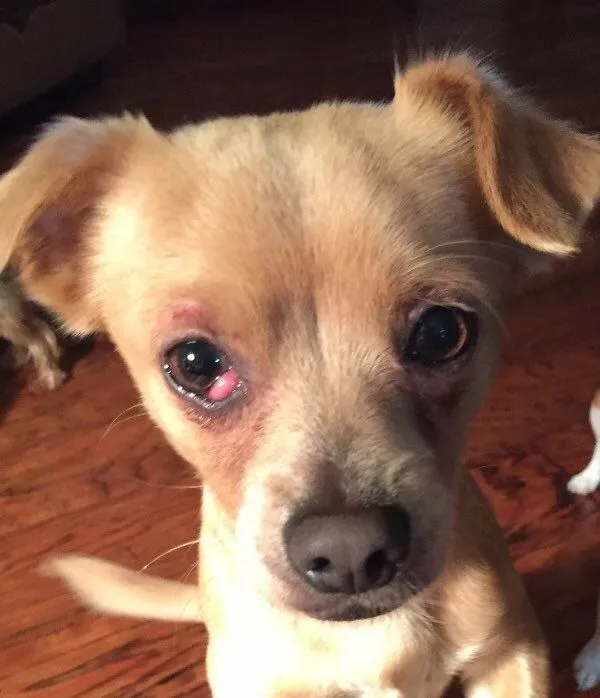
Chihuahua eye care — why their eyes are so vulnerable
Understanding why chihuahua eye care requires more attention than most breeds starts with understanding the anatomy. Chihuahuas have a combination of physical features that make their eyes uniquely susceptible to problems:
- Prominent, protruding eyes: Chihuahua eyes sit further forward in the skull than most breeds, with shallow eye sockets that provide less bony protection. This exposure increases the risk of scratches, foreign body contact, and drying.
- Large eye-to-head ratio: Relative to their skull size, chihuahua eyes are disproportionately large. More exposed surface area means more opportunity for irritation and injury.
- Close to the ground: At 15–23 cm tall, chihuahuas walk through the dust, pollen, and debris layer that settles at ground level. Their eyes encounter more airborne particles than a taller dog’s eyes.
- Tear duct overflow: Many chihuahuas have tear ducts that are too narrow or slightly misaligned, causing tears to overflow onto the face rather than draining properly. This is the root cause of tear staining and requires consistent chihuahua eye care to manage.
Chihuahua eye care — the daily routine
A proper chihuahua eye care routine takes approximately two minutes per day and prevents the vast majority of eye problems before they start. Make this part of your morning routine — consistency matters more than perfection.
- Check both eyes visually: Before touching anything, look at both eyes. Are they clear, bright, and symmetrical? Any redness, swelling, squinting, cloudiness, or discharge that was not there yesterday? A quick visual check catches problems early.
- Wipe away overnight discharge: Most chihuahuas accumulate a small amount of clear or slightly brownish discharge in the inner corners of their eyes overnight. Dampen a soft cotton pad with warm water and gently wipe from the inner corner outward. Use a fresh pad for each eye.
- Clean beneath the eyes: Wipe the fur directly below each eye where tears collect and staining occurs. This removes the moisture that feeds the yeast responsible for brown tear stains. A dry cotton pad for a final pass helps keep the area dry.
- Check for debris: Look for any visible particles, hair, or dust on the surface of the eye or caught in the eyelashes. If you see debris, flush gently with veterinary saline eye wash — do not try to remove it with your finger or a dry cloth.
For daily chihuahua eye care, you need: soft cotton pads (not cotton balls — they leave fibres), warm water or a veterinary-approved eye wipe, and optionally a sterile saline eye wash for flushing. Do not use baby wipes (contain chemicals), tissue paper (too rough), or any product containing alcohol, fragrance, or peroxide near your chihuahua’s eyes.
Chihuahua eye care — tear stains explained
What causes tear stains
Tear stains — the reddish-brown streaks running from the inner corners of the eyes down the muzzle — are the most visible chihuahua eye care concern. They are caused by a compound called porphyrin, which is naturally present in tears, saliva, and urine. When tears overflow onto the fur (epiphora), the porphyrins oxidise on exposure to air and light, producing the characteristic reddish-brown discolouration. The warm, constantly damp fur then becomes a breeding ground for Malassezia yeast, which deepens the brown colour.
How to remove existing tear stains
- Daily wiping (most important): Consistent daily cleaning with warm water or a dedicated tear stain wipe prevents new staining and allows existing stains to grow out. It takes 2–4 weeks of daily wiping for stained fur to be replaced by clean growth.
- Tear stain combs: Small fine-toothed combs designed for the under-eye area help remove dried, crusty discharge that daily wiping alone may not clear. Use gently — the skin beneath the eyes is delicate.
- Coconut oil: A thin layer of food-grade coconut oil on the fur beneath the eyes creates a barrier that prevents tears from saturating the fur. It also has mild antifungal properties that can discourage yeast growth. Apply after cleaning — not instead of cleaning.
How to prevent tear stains
- Daily wiping — non-negotiable. Chihuahua eye care for tear stain prevention is a daily commitment, not a weekly one. Once you stop, the stains return within days.
- Filtered water: High mineral content in tap water can worsen tear staining in some chihuahuas. Switching to filtered water has anecdotally reduced staining for many owners.
- Stainless steel bowls: Plastic bowls can harbour bacteria that contribute to facial irritation and staining. Stainless steel or ceramic bowls are easier to keep clean.
- Keep facial hair trimmed: Long fur around the eyes wicks tears onto the face and holds moisture. Carefully trimming the fur beneath the eyes keeps the area drier.
- Rule out underlying causes: Excessive tearing can indicate blocked tear ducts, allergies, eye irritation, or dental issues. If tear production is significantly more than normal despite good chihuahua eye care, consult your vet.
Do not use hydrogen peroxide, bleach-based products, apple cider vinegar, or any whitening product near your chihuahua’s eyes — they can cause chemical burns, corneal damage, and severe pain. Some tear stain removal products sold online contain tylosin (an antibiotic) which should never be used without veterinary prescription and is not appropriate for cosmetic tear staining. Stick to gentle, safe methods for chihuahua eye care.
Chihuahua eye care — spotting infections early
Eye infections in chihuahuas can progress rapidly from mild irritation to serious damage because of their exposed eye anatomy. Early detection through daily chihuahua eye care checks is the best protection. Here is what to look for:
| Symptom | Normal | Possible infection |
|---|---|---|
| Discharge colour | Clear or slightly brownish | Yellow, green, or thick white |
| Discharge amount | Small amount, mainly overnight | Continuous, excessive, or crusty |
| Eye colour | White sclera, clear cornea | Red sclera, cloudy cornea, visible blood vessels |
| Eyelids | Normal, open fully | Swollen, red, crusted shut |
| Behaviour | Eyes open, normal blinking | Squinting, pawing, rubbing, light sensitivity |
| Symmetry | Both eyes look the same | One eye different from the other |
If you notice any abnormal symptom during your daily chihuahua eye care check — coloured discharge, swelling, squinting, or cloudiness — monitor closely for 24 hours. If it persists, worsens, or affects your chihuahua’s behaviour, book a vet appointment. Eye conditions in chihuahuas can escalate quickly, and early treatment almost always produces better outcomes and lower costs than delayed treatment.
Chihuahua eye care — common eye conditions
Dry eye (keratoconjunctivitis sicca)
Dry eye occurs when the tear glands do not produce enough moisture to keep the eye surface lubricated. Symptoms include thick, sticky discharge, redness, frequent blinking, and a dull rather than glossy eye surface. It is a chronic condition in chihuahuas that requires ongoing management with veterinary-prescribed artificial tear drops or immunosuppressive eye drops. Left untreated, dry eye causes corneal ulceration and potentially permanent vision damage. Regular chihuahua eye care helps you detect early signs.
Corneal ulcers
A corneal ulcer is a scratch or wound on the surface of the eye. Chihuahuas are particularly susceptible because their prominent eyes are exposed to branches, grass, dust, and accidental contact during play. Symptoms include sudden squinting or holding the eye closed, excessive tearing, light sensitivity, and visible cloudiness on the cornea. Corneal ulcers are painful and require prompt veterinary treatment — usually antibiotic eye drops and a follow-up to confirm healing.
Cherry eye (prolapsed third eyelid gland)
Cherry eye appears as a red, swollen mass in the inner corner of the eye — the gland of the third eyelid has prolapsed from its normal position. It is not painful initially but can lead to dry eye if not corrected. Surgical replacement of the gland is the recommended treatment — do not attempt to push it back yourself, and do not allow a vet to simply remove the gland, as this eliminates a significant portion of the eye’s tear production.
Proptosis (eye displacement)
Proptosis — where the eye is displaced partially or fully from the socket — is a veterinary emergency that chihuahuas are more susceptible to than most breeds due to their shallow eye sockets. It can be caused by trauma, rough handling, pulling on a collar, or extreme pressure. If this occurs, keep the eye moist with saline, do not attempt to push it back, and get to an emergency vet immediately. The outcome depends heavily on how quickly treatment is received. Proper chihuahua eye care includes prevention: always use a harness instead of a collar to eliminate neck pressure.
Chihuahua eye care — prevention tips
- Use a harness, never a collar: Collars put pressure on the neck and head that can contribute to increased intraocular pressure and, in extreme cases, proptosis. A well-fitted harness distributes force across the chest — safer for eyes and trachea.
- Trim facial hair regularly: Hair poking into the eyes causes irritation, excessive tearing, and potential corneal scratches. Keep the fur around the eyes neatly trimmed, or ask your groomer to do it.
- Avoid smoky, dusty, or heavily sprayed environments: Cigarette smoke, aerosol sprays, cleaning products, and dusty rooms all irritate chihuahua eyes. Keep your chihuahua out of the room when using sprays or strong chemicals.
- Protect from wind: On windy days, dust and debris blow directly into prominent chihuahua eyes. Walk on sheltered routes or carry your chihuahua through the worst sections. Some owners use dog goggles (doggles) for particularly exposed situations.
- Annual vet eye checks: Include an eye examination as part of your chihuahua’s annual vet check. Early detection of conditions like dry eye, cataracts, and lens luxation allows treatment before vision is affected.
- Supervise play with larger dogs: A playful paw swipe from a larger dog can scratch a chihuahua’s exposed cornea. Supervise mixed-size play and intervene if play becomes too rough around the face.
Chihuahua eye care is not complicated — it is consistent. Two minutes of daily cleaning, one quick visual check, and the willingness to act quickly when something looks wrong. That is all it takes to protect the most beautiful and most vulnerable feature your chihuahua has.
Chihuvas experienceCommon questions — chihuahua eye care
More health guides for your chihuahua.
Practical advice, honest stories, and everything we have learned raising chihuahuas at home since 2018. No jargon, no sponsored content — just real experience.
Read more guides →