Chihuahua not eating: causes and what to do
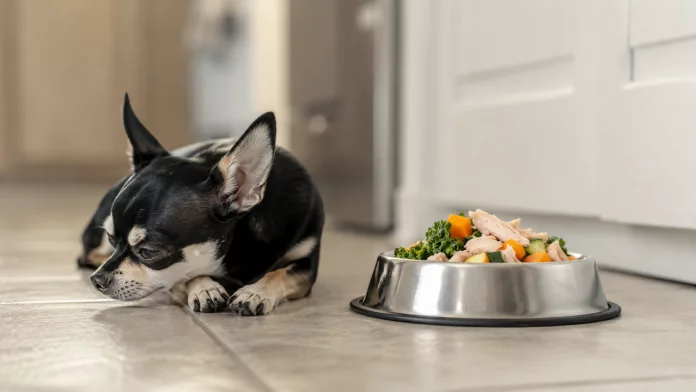
A tiny dog that skips meals is a real worry. Chihuahua not eating can be simple pickiness, but because these dogs are so small, missing food can quickly lead to low blood sugar, so it is important to know when to wait and when to act.
We are AKC chihuahua breeders in Traverse City, Michigan, and we help every family settle their puppy into a steady feeding routine. This guide explains why a chihuahua stops eating, which signs are urgent, how to spot low blood sugar and safe ways to get a picky dog eating again.
For a vet-written overview, see the VCA Animal Hospitals guide to appetite loss in dogs. If you think your dog ate something toxic, contact your vet or ASPCA Animal Poison Control straight away.
Why chihuahua not eating matters
In a large dog, skipping one meal is rarely a concern. With chihuahua not eating, the picture is different. Tiny dogs have small energy stores and a fast metabolism, so their blood sugar can drop quickly.
This is especially true for puppies and very small adults. Knowing the warning signs lets you act early and avoid an emergency.
A bright, active adult that skips one meal is often fine. Call your vet straight away if a puppy skips a meal, an adult refuses food for more than 12 to 24 hours, or chihuahua not eating comes with vomiting, diarrhea, weakness, shaking or lethargy.

Common causes of chihuahua not eating
There are many reasons for chihuahua not eating. Some are minor, while others need a vet.
| Cause | How serious |
|---|---|
| Picky eating or too many treats | Usually mild |
| Stress or a new home | Usually mild, but watch puppies closely |
| Teething | Usually mild |
| Food change | Usually mild |
| Hot weather | Usually mild |
| Dental pain | Moderate, needs a vet |
| Upset stomach | Mild to serious |
| Medications or vaccines | Usually short-lived |
| Infections or organ disease | Serious |
| Swallowed objects or toxins | Emergency |
Your dog’s age, energy level and other symptoms help you and your vet decide how urgent it is.
When chihuahua not eating is urgent
Call your vet straight away if you notice any of these.
- A puppy that skips a meal or seems weak.
- An adult refusing food for more than 12 to 24 hours.
- Weakness, shaking, wobbliness or glassy eyes.
- Vomiting or diarrhea.
- Refusing water as well as food.
- A swollen or painful belly.
- Possible toxin or swallowed object.
- Fast weight loss.
Our chihuahua vomiting and chihuahua diarrhea guides explain those symptoms in detail.
Low blood sugar: the main risk
Hypoglycemia, or low blood sugar, is the biggest danger when a tiny dog stops eating. It can develop within hours in puppies.
| Sign | What you may see |
|---|---|
| Early | Tiredness, shaking, unsteady walking |
| Moderate | Glassy eyes, drowsiness, confusion |
| Severe | Collapse, seizures, unresponsiveness |
Rub a small amount of glucose gel, corn syrup or honey on your dog’s gums, keep it warm and call your vet or an emergency clinic straight away. Do not pour liquid into the mouth of a dog that can’t swallow.
Our chihuahua hypoglycemia guide explains prevention and first aid in detail.
Puppies that won’t eat
Chihuahua not eating in puppies always needs attention. Young puppies should eat three to four small meals a day.
- Offer food every three to four hours.
- Soften kibble with warm water.
- Keep the puppy warm, since cold puppies eat less.
- Call your vet if the puppy skips a meal and seems quiet.
- Keep glucose gel on hand.
Our chihuahua puppy food guide covers meal sizes and schedules.
The first days in a new home
Many puppies eat less for a day or two after moving. New smells, travel and missing littermates can all cause chihuahua not eating at first.
- Keep the same food the breeder used.
- Feed in a quiet spot.
- Stick to a regular routine.
- Offer small meals often.
- Call the breeder or your vet if the puppy still won’t eat.
Our first night with a chihuahua puppy guide helps new families through the first days.
Teething
Between about three and seven months, sore gums can make crunchy food uncomfortable. Puppies may chew slowly or walk away from the bowl.
Softening kibble with warm water usually helps. Our chihuahua teething guide has more tips.
Older dogs
In older dogs, chihuahua not eating is more often linked to dental disease, kidney or liver problems or reduced sense of smell. Any lasting appetite change in a senior needs a vet check.
Warming food can make it smell stronger and more appealing. Our guide to caring for an old chihuahua covers other changes to watch for.
Dental pain
Chihuahuas are prone to dental disease because their teeth are crowded in a small mouth. Painful teeth are a very common, often missed reason for chihuahua not eating.
- Bad breath.
- Dropping food or chewing on one side.
- Pawing at the mouth.
- Red or bleeding gums.
- Preferring soft food.
Our chihuahua dental care guide explains how to keep teeth healthy.
Tummy trouble
Nausea, gas or an upset gut can make a dog refuse food. Lip licking, drooling, gulping and eating grass can be signs of nausea.
If your dog skips a meal with mild tummy signs but stays bright, a small bland meal may help. Call your vet if it doesn’t improve within a day.
Picky eating
Chihuahuas can be clever about holding out for something tastier. If your dog is bright, playful and happily eats treats but ignores its meals, chihuahua not eating may simply be pickiness.
- Offer the meal for 15 to 20 minutes, then remove it.
- Avoid switching foods every time your dog refuses.
- Cut back on treats and scraps.
- Keep meal times regular.
Always rule out dental pain or illness as the cause of chihuahua not eating first, especially if pickiness appears suddenly.
Too many treats
A tiny dog needs very few calories, so treats fill it up fast. Extra snacks are one of the most common reasons for chihuahua not eating at meal times.
To fix chihuahua not eating at meals, keep treats to under 10% of daily calories and use pieces of kibble as rewards. Our overweight chihuahua guide explains why extras add up.
Food changes
A sudden switch can put a dog off its food or upset its stomach. Change foods slowly over seven to ten days.
Our best food for chihuahuas guide explains how to choose and switch foods safely.
Stress and change
Visitors, travel, boarding, a new pet or a change in routine can all reduce appetite. Some chihuahuas won’t eat when they are alone.
Our chihuahua anxiety guide has tips for calmer days.
Hot weather
Many dogs eat less in hot weather. Feed in the cooler parts of the day and make sure fresh water is always available.
If reduced appetite comes with heavy panting, weakness or vomiting, your dog may be overheating. Move it somewhere cool and call your vet.
Medications and vaccines
Some medications, and sometimes vaccines, can reduce appetite for a short time. This usually passes within a day or so.
If your dog stops eating after starting a new medication, call your vet. Never stop a prescribed medicine without advice.
Illness
Many illnesses cause chihuahua not eating, including infections, pancreatitis, kidney or liver disease and heart problems. Usually there are other signs too.
- Lethargy or hiding.
- Vomiting or diarrhea.
- Coughing or breathing changes.
- Drinking or peeing much more than usual.
- Weight loss.
Our chihuahua health problems guide covers common conditions.
Drinking but not eating
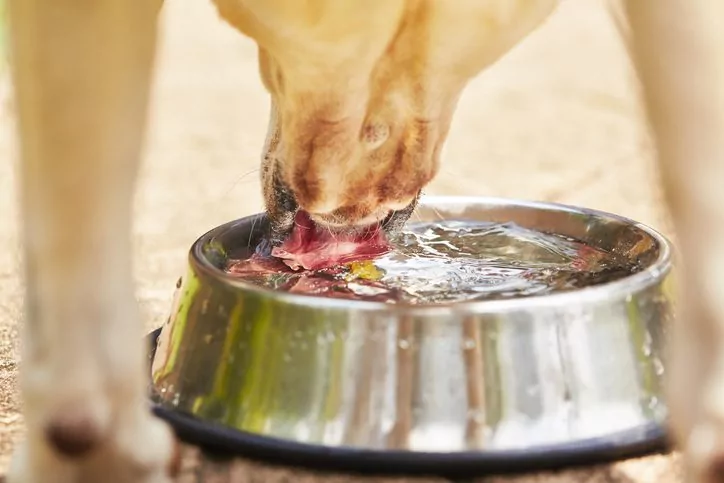
A dog that still drinks is less likely to be dehydrated, which is reassuring. But drinking doesn’t rule out illness, and it does not prevent low blood sugar.
If your dog drinks but refuses food for more than a day, or a puppy skips a meal, call your vet.
Feeding a dog that is recovering
After an illness or surgery, chihuahua not eating for a day is common. Recovery takes energy, so getting food in matters.
- Follow your vet’s feeding plan exactly.
- Offer very small, soft meals every few hours.
- Warm the food slightly to boost its smell.
- Hand-feed if your dog needs encouragement.
- Ask about a prescription recovery diet.
Call your vet if your dog still refuses food the day after coming home, or seems weak.
Eating while traveling
Travel is a common trigger for chihuahua not eating. Car rides, flights and new places can all put a small dog off its food for a meal or two.
- Bring the usual food and bowls.
- Feed a light meal a few hours before setting off.
- Offer small snacks of kibble during long trips.
- Keep glucose gel in your travel bag for puppies.
Our travelling with a chihuahua guide has more travel tips.
Homes with several dogs
In multi-dog homes, a shy chihuahua may stop eating if a bigger or bossier dog hovers near its bowl. This kind of chihuahua not eating is easy to miss.
Feed dogs in separate rooms or crates, pick up bowls after meals and watch who actually eats what. This makes it easier to notice appetite changes early.
What happens at the vet
Your vet will look for the cause of chihuahua not eating.
| Test | What it checks |
|---|---|
| Physical exam | Temperature, mouth, belly, weight |
| Dental check | Painful teeth and gums |
| Blood sugar | Hypoglycemia |
| Blood and urine tests | Organs and infection |
| X-rays or ultrasound | Swallowed objects, organs |
Bring notes on when your dog last ate, what it ate and any other symptoms. A recent weight is also helpful.
Tips to encourage eating
Once illness is ruled out, these ideas often help with chihuahua not eating.
- Warm wet food slightly to boost its smell.
- Add a spoonful of low-sodium chicken broth with no onion or garlic.
- Hand-feed a few pieces to get started.
- Offer small meals more often.
- Mix a little wet food into kibble.
- Feed in a calm, quiet place.
Our what can chihuahuas eat guide lists safe toppers.
Bowls and setup
Some chihuahuas dislike deep bowls that brush their whiskers or noisy metal bowls that slide. Small details can make a difference.
- Use a shallow, flat dish or plate.
- Choose a non-slip bowl.
- Keep bowls clean and wash them daily.
- Feed away from busy areas and other pets.
A steady feeding schedule
| Age | Meals per day |
|---|---|
| 8 to 12 weeks | 4 |
| 3 to 6 months | 3 to 4 |
| 6 to 12 months | 3 |
| Adults | 2 to 3 |
| Seniors | 2 to 3 small meals |
Regular meal times help regulate appetite and reduce chihuahua not eating. Tiny adults often do better with three small meals than two larger ones.
Wet or dry food
Wet food smells stronger and is easier to chew, which can help a choosy or older dog. Dry food is convenient and helps with portion control.
Many owners mix the two to tackle chihuahua not eating. Choose a small-breed formula with small kibble pieces sized for tiny mouths.
Tracking weight
Weighing your dog regularly shows whether chihuahua not eating is affecting its health. Even a few ounces matter in a tiny dog.
Use a kitchen or baby scale and compare with our chihuahua weight chart. Call your vet about any unexplained weight loss.
Keeping a food diary
If appetite comes and goes, a simple food diary helps your vet find the pattern behind chihuahua not eating.
| Record | Why it helps |
|---|---|
| What and how much your dog ate | Shows real intake |
| Treats given | Reveals hidden calories |
| Time of day | Shows meal patterns |
| Other symptoms | Points to illness |
| Weekly weight | Tracks health |
What to tell the vet
- When your dog last ate a full meal.
- Whether it is drinking, peeing and pooping normally.
- Any vomiting, diarrhea, coughing or weakness.
- Any changes at home, new food or medications.
- Its recent weight.
Clear details about chihuahua not eating help your vet decide how quickly your dog needs to be seen.
Preventing chihuahua not eating
- Feed small, regular meals.
- Limit treats and table scraps.
- Change foods slowly.
- Keep up with dental care.
- Keep routines steady.
- Book regular vet checkups.
Prevention is simple: a steady routine, good dental care and few extras keep most tiny dogs eating well.
Myths about chihuahua not eating
| Myth | Fact |
|---|---|
| A dog will eat when it is hungry enough | Tiny dogs can develop low blood sugar first |
| Skipping a day is always fine | Puppies can’t safely skip meals |
| Switching foods fixes pickiness | It often makes pickiness worse |
| Drinking means the dog is fine | Drinking doesn’t rule out illness |
| Bad breath is normal | It often means dental disease |
Knowing the facts helps you respond calmly and safely to chihuahua not eating.
Our approach
At Chihuvas, we raise puppies on a steady routine of small meals in our Traverse City, Michigan home. Every family receives a feeding plan, a bag of the food the puppy knows and guidance on preventing low blood sugar.
Every puppy goes home with vaccinations, a microchip, a vet health certificate, AKC registration and a two-year genetic health guarantee. We deliver nationwide by in-cabin chihuahua flight nanny and stay in touch for life.
See our available puppies, send us an inquiry or meet our family on our chihuahua breeder in Michigan page.
In a tiny dog, a skipped meal is never something to ignore for long. Small, regular meals are the best protection.
Chihuvas breeding teamChihuvas is an AKC-registered Chihuahua breeder based in Michigan, and we deliver our puppies nationwide across the US. Every puppy is health-checked, vaccinated for their age and socialised from birth. See our available puppies or send us an inquiry.
Common questions about chihuahua not eating
Looking for a healthy puppy?
Every puppy is vet-checked, raised in our Michigan home and delivered nationwide with a health guarantee.
View available puppies →