Underweight chihuahua: causes and safe weight gain
An underweight chihuahua can be just as worrying as an overweight one, and because chihuahuas are so small, even a few ounces lost can matter. The good news is that most thin chihuahuas can return to a healthy weight once the cause is found and their feeding is adjusted.
We are AKC chihuahua breeders in Michigan, and we keep a close eye on every puppy’s and adult’s weight. This guide explains how to tell if you have an underweight chihuahua, the common causes, when to see a vet and a safe, step-by-step plan to help your dog gain weight.
This guide is general information, not a substitute for your vet. For body condition scoring used by vets, see the World Small Animal Veterinary Association, and for breed background, the AKC chihuahua page.
Is your chihuahua underweight?
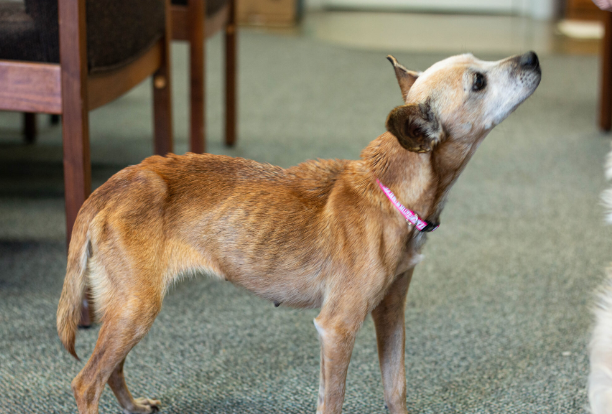
The best way to spot an underweight chihuahua is to use your hands, not just the scale. Long coats in particular can hide a lot.
- Ribs: you can feel or see them sharply, with no soft layer over them.
- Spine: the bumps of the backbone stand out along the back.
- Hips: hip bones are easy to see or feel.
- Waist: the waist is extremely narrow from above.
- Muscle: the back, head and back legs look thin or bony.
- Energy: your dog seems tired or less playful than usual.
If several of these sound familiar, your dog may be too thin. A sudden change in weight is just as important as the number itself.
An underweight chihuahua has ribs, spine or hips that are easy to see or feel with no fat cover, plus a very narrow waist and loss of muscle. See your vet to rule out illness, dental pain and worms, then increase calories gradually with good-quality food in several small meals and weigh your dog every week or two.

Body condition score for an underweight chihuahua
Vets often use a 9-point body condition score. For an underweight chihuahua, the score is usually 3 or below.
| Score | What you see and feel | Meaning |
|---|---|---|
| 1 | Ribs, spine and hip bones visible from a distance; no fat; muscle loss | Severely underweight |
| 2 | Ribs, spine and hips easily seen; very little fat | Very thin |
| 3 | Ribs easily felt and may be visible; obvious waist; little fat | Thin |
| 4 to 5 | Ribs easily felt with a light fat cover; clear waist | Ideal |
| 6 to 9 | Ribs hard to feel; waist fading or gone | Overweight to obese |
Ask your vet to score your dog at each visit. It is a more reliable guide than weight alone, because chihuahuas vary so much in frame size.
Lean vs underweight
Healthy chihuahuas are naturally lean, so it can be hard to know where lean ends and an underweight chihuahua begins.
| Healthy lean chihuahua | Underweight chihuahua |
|---|---|
| Ribs felt easily with a light fat cover | Ribs sharp, with no fat cover |
| Spine and hips not prominent | Spine and hip bones stand out |
| Good muscle on back and legs | Muscle wasting, bony head and back |
| Normal energy and appetite | Low energy, poor appetite or weight loss |
| Glossy coat | Dull, dry or thinning coat |
If you are unsure, compare with our chihuahua weight chart and ask your vet. For the opposite problem, see our overweight chihuahua guide.
Common causes of an underweight chihuahua
Most cases of an underweight chihuahua come down to too few calories for the dog’s needs. These are the everyday causes vets see most.
- Not enough food: portions too small, especially if the bag guide was halved.
- Picky eating: many chihuahuas are fussy, especially if they learn that refusing food brings treats.
- Competition: another pet eating their food.
- High activity: very active or anxious dogs burn more calories.
- Stress: moving home, a new pet or changes in routine can reduce appetite.
- Cold: keeping warm uses energy, especially for tiny dogs.
- Worms: intestinal parasites steal nutrients.
- Low-quality food: foods that aren’t calorie-dense or digestible enough.
Medical causes of weight loss
Sometimes an underweight chihuahua is a sign of illness. These conditions can cause weight loss even when a dog seems to eat normally.
| Condition | Possible signs |
|---|---|
| Dental disease | Bad breath, dropping food, chewing on one side |
| Intestinal parasites | Diarrhea, pot belly in puppies, weight loss |
| Kidney disease | Drinking and urinating more, poor appetite |
| Liver disease | Vomiting, yellow gums or eyes, poor appetite |
| Diabetes | Thirst, hunger and weight loss together |
| Intestinal disease | Ongoing vomiting or diarrhea |
| Heart disease | Cough, fast breathing, muscle loss |
| Cancer | Weight loss, lumps, low energy, especially in older dogs |
Our guides to chihuahua health problems and heart murmurs cover several of these conditions.
When weight loss is urgent
Some signs mean you should see a vet quickly rather than waiting.
- Sudden or rapid weight loss.
- Not eating for more than 24 hours.
- Vomiting or diarrhea that lasts more than a day.
- Drinking or urinating much more than usual.
- Weakness, wobbling or lethargy.
- Yellow gums or eyes.
A small chihuahua that stops eating can develop low blood sugar and dehydration fast. If your dog refuses food, seems weak or wobbly, contact your vet straight away.
Our chihuahua hypoglycemia guide explains why skipped meals are risky for small dogs.
See your vet first
Before changing your dog’s diet, book a vet check for your underweight chihuahua. Your vet can find any medical cause and set a safe target weight.
- A full physical exam, including teeth, heart and belly.
- A stool test for worms.
- Blood and urine tests to check organs and blood sugar.
- A review of your dog’s food, portions and treats.
- A target weight and daily calorie goal.
Treating the cause, such as worms or a sore tooth, is often enough to bring the appetite back.
A safe weight-gain plan for an underweight chihuahua
Once your vet has ruled out illness, the goal is slow, steady gain. Large jumps in food can upset the stomach, so increase portions gradually for an underweight chihuahua.
- Week 1: vet check, set a target weight and calorie goal, and buy a kitchen scale.
- Week 1 onward: split food into three or four small meals a day.
- Every few days: increase daily food a little, as your vet advises.
- Every 1 to 2 weeks: weigh your dog and record it.
- Every month: review progress with your vet and adjust.
- At target: move to a maintenance amount and keep weighing monthly.
Most dogs take several weeks to a few months to reach a healthy weight. Steady progress protects the stomach and helps build muscle as well as fat.
What to feed an underweight chihuahua
The right food makes it much easier for an underweight chihuahua to gain weight without large portions.
- A complete, high-quality food made for small breeds.
- A calorie-dense food, sometimes a puppy or performance formula your vet recommends.
- Small kibble that is easy for tiny mouths, or wet food if teeth are sore.
- Warming wet food slightly to release its smell and tempt appetite.
- A small topper of plain cooked chicken or scrambled egg, counted in daily calories.
Avoid fatty table scraps, fried foods and lots of cheese, which can upset the stomach or trigger pancreatitis. Our chihuahua food guide covers food choices at each age.
Helping picky eaters
Many chihuahuas are fussy eaters, and some learn that turning down food brings tastier options. A consistent routine usually works better than constantly changing foods.
- Offer meals at set times and remove uneaten food after 15 to 20 minutes.
- Feed in a quiet spot away from other pets.
- Use shallow, small bowls that don’t touch the whiskers.
- Limit treats between meals so your dog is hungry at mealtime.
- Try a puzzle feeder, which some dogs find more interesting.
- Change foods gradually over a week if you switch.
If a picky eater suddenly stops eating altogether, see your vet. Loss of appetite can be the first sign of illness or pain.
Underweight puppies
Puppies need plenty of energy to grow, and an underweight chihuahua puppy can fall behind quickly. Very small puppies are also at risk of low blood sugar.
- Feed three to four small meals a day, or more for very small puppies.
- Use a good-quality puppy food made for small breeds.
- Weigh your puppy every few days and keep a log.
- Keep up with deworming as your vet advises.
- Keep the puppy warm, as cold burns energy.
Our puppy care guide and weight chart help you check that your puppy is growing well.
Underweight seniors
Older chihuahuas sometimes lose weight because of dental pain, reduced sense of smell, muscle loss or illness. An underweight chihuahua in the senior years should always be checked by a vet.
Soft or warmed food, smaller and more frequent meals and a calm place to eat can help. Your vet may also suggest a senior food with extra protein to protect muscle.
Our old chihuahua and senior chihuahua care guides cover diet and comfort for older dogs.
Dental pain and appetite
Dental disease is one of the most common hidden causes of an underweight chihuahua. A dog with sore teeth may eat slowly, drop food, chew on one side or walk away from the bowl.
Your vet can check the mouth and recommend a dental cleaning or treatment if needed. Many dogs start eating much better once painful teeth are treated.
Daily brushing helps prevent problems. See our chihuahua dental care guide.
Cold weather and an underweight chihuahua
Chihuahuas burn extra energy keeping warm, and an underweight chihuahua has little fat to insulate it. In cold weather, thin dogs can lose weight even when eating their usual amount.
Keep your dog warm indoors, use a sweater or coat outside and offer a warm, draft-free bed. Your vet may suggest a slightly larger portion through the colder months.
Our guide to keeping your chihuahua warm in winter covers clothing and bedding, which matter even more for an underweight chihuahua.
Tracking progress
- Weigh your dog every one to two weeks at the same time of day.
- Use a baby scale or a kitchen scale with a bowl for accuracy.
- Feel the ribs and back each week to judge body condition.
- Take a photo from above and the side each month.
- Keep notes on appetite, energy and stools.
If your underweight chihuahua isn’t gaining after a few weeks, or keeps losing, return to your vet. The plan may need adjusting or further tests.
Common weight-gain mistakes
| Mistake | Better approach |
|---|---|
| Adding lots of treats or scraps | Increase complete food gradually |
| Switching foods often | Pick one good food and change slowly |
| Big meals all at once | Several small meals a day |
| Skipping the vet | Rule out illness, worms and dental pain first |
| Free-feeding a picky eater | Set mealtimes and remove leftovers |
| Forgetting to track | Weigh every one to two weeks |
Avoiding these mistakes helps your dog gain healthy weight and muscle rather than just fat.
A sample day for an underweight chihuahua
Here is how a typical day might look for an underweight chihuahua on a weight-gain plan. Your vet will set the exact amounts.
| Time | What happens |
|---|---|
| 7:00 am | Weigh out the whole day’s food; first small meal |
| 11:00 am | Second small meal, warmed slightly if wet food |
| 3:00 pm | Third small meal or a training session using kibble |
| 7:00 pm | Fourth small meal |
| 9:30 pm | A small bedtime snack from the daily allowance |
Frequent small meals are easier for a small stomach to handle and help keep energy steady through the day.
Stress, anxiety and appetite
Anxious chihuahuas often eat less, and stress is a common reason for an underweight chihuahua. Changes such as moving home, new people or pets, loud noises or being left alone can all affect appetite.
- Keep mealtimes calm, quiet and at the same times each day.
- Feed in a safe spot where your dog feels secure.
- Stay nearby if your dog eats better with company.
- Work on the source of anxiety with gentle training.
Our guides to chihuahua anxiety and separation anxiety explain how to help a worried dog relax.
Multi-pet homes and food stealing
In homes with more than one pet, an underweight chihuahua may be losing food to a bolder housemate. Many small dogs simply walk away when another pet comes near the bowl.
Feed pets in separate rooms or crates, pick up bowls after meals and watch who is actually eating what. This simple change often solves the problem.
Exercise while gaining weight
An underweight chihuahua still needs gentle exercise to build muscle and stay happy. Short walks and calm play are ideal, while very long or intense sessions burn calories your dog needs to keep.
Our chihuahua exercise guide includes gentle options, and a sweater on cold walks saves energy too.
Myths about thin chihuahuas
| Myth | The truth |
|---|---|
| Chihuahuas are meant to be skinny | Lean is healthy, but bones shouldn’t stand out |
| More treats will fix it | Treats unbalance the diet; increase complete food |
| They’ll eat when they’re hungry | Tiny dogs can get sick if they skip meals |
| Weight loss is just age | It is often a sign of illness or dental pain |
| Any food will do | Calorie-dense, digestible food helps most |
How we monitor our dogs
At Chihuvas, we weigh our puppies regularly from birth and our adults at regular intervals. Puppies only go home once they are eating well and gaining steadily.
Every puppy goes home with the food it knows, feeding instructions, vaccinations, a microchip, a vet health certificate, AKC registration and a two-year genetic health guarantee. We deliver nationwide by in-cabin chihuahua flight nanny.
See our available puppies, send us an inquiry or meet our family on our chihuahua breeder in Michigan page.
A thin chihuahua is telling you something. Find the reason first, then feed little and often, and most dogs bounce back beautifully.
Chihuvas breeding teamChihuvas is an AKC-registered Chihuahua breeder based in Michigan, and we deliver our puppies nationwide across the US. Every puppy is health-checked, vaccinated for their age and socialised from birth. See our available puppies or send us an inquiry.
Common questions about underweight chihuahua
Puppies that go home eating well.
We weigh every puppy from birth and only send them home once they are eating well and gaining steadily. We deliver nationwide.
View available puppies →