Chihuahua anal glands: signs and care
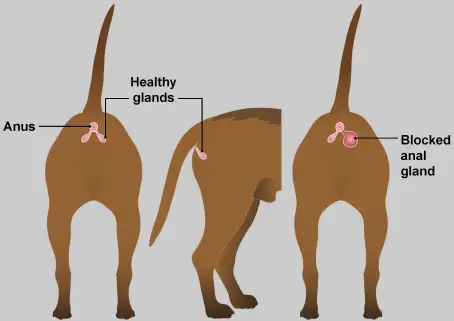
Scooting across the rug, licking under the tail and a sudden fishy smell are all signs your tiny dog’s glands need attention. Chihuahua anal glands are a common source of discomfort, but most problems are easy to treat and prevent.
We are AKC chihuahua breeders in Traverse City, Michigan, and we keep a close eye on our dogs’ comfort and hygiene every day. This guide explains what chihuahua anal glands do, the signs of trouble, how they are expressed, when to see a vet and how to prevent problems.
The Merck Veterinary Manual explains anal sac disease in detail. The American Veterinary Medical Association has trusted advice on choosing a vet and caring for your dog’s health.
What are chihuahua anal glands?
Chihuahua anal glands are two small sacs just inside the bottom, at about the four and eight o’clock positions. They hold a strong-smelling, oily fluid that dogs use as a scent marker.
Normally, chihuahua anal glands empty a little each time your dog passes a firm stool. Problems start when they don’t empty properly and the fluid thickens.
How the glands normally work
Each gland has a tiny duct that opens just inside the anus. As a firm stool passes, it presses on the glands and squeezes out a small amount of fluid that coats the stool with your dog’s scent.
This is why dogs sniff each other’s bottoms and stools. The scent tells other dogs who has been there, and it is completely natural.
When chihuahua anal glands work well, you never notice them. Trouble only starts when the fluid can’t get out.
Why small dogs have more problems
Small breeds have small ducts, so thick fluid blocks them more easily. Problems with chihuahua anal glands are much more common than in large breeds.
Soft stools, extra weight and allergies make blockages even more likely. The good news is that all three can usually be managed.
Signs of chihuahua anal glands problems
- Scooting the bottom along the floor.
- Licking or biting under the tail.
- A strong fishy smell from the back end or the breath.
- Chasing or looking at the tail.
- Discomfort when sitting or passing stool.
- Swelling, redness or a lump beside the bottom.
- Blood or pus near the anus.
Scooting is the classic sign, but it can also be caused by worms or itchy skin. A vet check confirms whether the glands are to blame.
Full, impacted or infected?
| Stage | What happens | What to do |
|---|---|---|
| Full | Glands haven’t emptied; mild scooting | Expression by a vet or groomer |
| Impacted | Fluid is thick and paste-like; discomfort | Vet expression, sometimes flushing |
| Infected | Pain, redness, smelly discharge | Vet treatment with flushing and medicine |
| Abscess | Painful swelling that may burst | See a vet the same day |
Problems with chihuahua anal glands usually get worse step by step, so early care prevents painful complications.
Common causes of chihuahua anal glands problems
- Soft stools or diarrhea.
- Constipation or straining.
- Being overweight.
- Skin and food allergies.
- Low-fiber diets.
- Small ducts or the position of the glands.
- Lack of exercise.
Several causes often work together. The sections below explain each one.
Soft stools and diarrhea
Firm stools press on the glands and help them empty. Soft stools or diarrhea don’t, so fluid builds up.
Even a few days of loose stools can lead to full glands. Our chihuahua diarrhea guide explains common causes and when to call the vet.
Constipation and straining
Very hard, dry stools and straining can irritate the area and affect how the glands empty. Some dogs strain because their glands are sore, which can be confused with constipation.
Our chihuahua constipation guide explains how to tell the difference and keep stools regular.
Extra weight
Fat around the bottom reduces the pressure that helps the glands empty. Overweight dogs have more trouble with chihuahua anal glands than slim ones.
Even small weight loss can help. Our chihuahua weight chart and overweight chihuahua guides explain healthy targets.
Skin and food allergies
Allergies inflame the skin, including around the bottom and the gland ducts. Dogs with allergies often lick their paws, scratch their ears and scoot.
Treating the allergy often settles the glands too. Our chihuahua allergies and chihuahua itching guides explain the options.
Other causes of scooting
Not every scoot means full glands. Tapeworms, fleas, itchy skin, matted fur or something stuck in the fur can all cause scooting.
Our chihuahua worms and chihuahua fleas guides explain how to rule these out.
How glands are expressed
Expressing means gently squeezing the glands to empty them. Vets usually do this from inside the bottom with a gloved finger, which empties the glands more completely and lets them feel for problems.
Many groomers express glands from the outside during a bath. This can help with mild fullness but may not fully empty thick fluid.
If your vet teaches you how, you can learn to do it at home. Never squeeze hard, and stop if your dog shows pain.
Don’t express your dog’s glands routinely if they aren’t causing problems. Unnecessary squeezing can irritate and inflame the glands and make problems more likely.
Vet or groomer?
Groomers often offer gland expression as part of a bath. This can suit dogs with mild, simple fullness and no pain.
If your dog has swelling, pain, blood, pus or keeps having problems, see a vet instead. A vet can empty chihuahua anal glands fully from inside, check for infection or lumps and prescribe treatment.
If your groomer notices thick, bloody or unusual fluid, ask them to tell you so you can book a vet check.
How often do glands need emptying?
Many dogs never need their chihuahua anal glands emptied, because they empty naturally. Others need help every few weeks or months.
How often depends on your dog. Your vet can advise a schedule if problems with chihuahua anal glands keep coming back.
Infections and abscesses
Blocked glands can become infected, causing pain, redness and smelly, bloody discharge. If the infection grows, an abscess forms as a hot, painful swelling beside the bottom.
Abscesses can burst and leave an open wound. They need prompt vet care, usually with cleaning, flushing, antibiotics and pain relief.
When chihuahua anal glands need a vet
- Scooting or licking lasts more than a day or two.
- There is swelling, redness or a lump.
- You see blood or pus.
- Your dog cries when sitting or passing stool.
- There is an open wound beside the bottom.
- Your dog is lethargic, off food or has a fever.
Swelling or an open wound needs a same-day appointment. Quick treatment keeps your dog comfortable and stops infection spreading.
Treatment options
- Manual expression by your vet.
- Flushing the glands to clear thick fluid.
- Antibiotics placed into the glands or given by mouth.
- Dog-safe pain relief and anti-inflammatories.
- Warm compresses to ease swelling, if your vet advises.
- Treating the cause, such as allergies or loose stools.
Most dogs feel much better within a few days once chihuahua anal glands are treated.
Home care after treatment
- Give all medicines exactly as prescribed.
- Use a soft cone if your dog keeps licking the area.
- Keep the area clean with gentle, unscented pet wipes.
- Offer soft bedding and a quiet place to rest.
- Watch for swelling, discharge or more scooting.
- Go back for any recheck your vet books.
Most dogs bounce back quickly once chihuahua anal glands are emptied and any infection is treated. If scooting returns within a few weeks, let your vet know.
Recheck visits matter, because an infection that seems better can come back if treatment stops too soon. Your vet may also want to feel chihuahua anal glands again to make sure they are emptying well.
Over time, a good diet, a healthy weight and quick care at the first scoot keep most dogs comfortable and free of chihuahua anal glands trouble.
Surgery for repeat problems
If problems with chihuahua anal glands keep returning despite treatment, your vet may suggest removing the glands. This surgery is called an anal sacculectomy.
It is usually a last resort, because there is a small risk of side effects. For dogs with repeated infections or abscesses, it can bring lasting relief.
Lumps in older dogs
Rarely, a lump in the gland area can be a tumor, especially in older dogs. It may cause straining, ribbon-like stools or increased thirst.
That is one reason why vets feel the glands during routine checkups. Our old chihuahua guide explains other checks older dogs need.
Preventing chihuahua anal glands problems
- Feed a complete diet with enough fiber.
- Keep your dog at a healthy weight.
- Treat allergies and loose stools early.
- Give daily exercise.
- Offer fresh water at all times.
- Keep the fur around the bottom clean and trimmed.
These habits help chihuahua anal glands empty naturally and prevent most problems.
Fiber and diet
Fiber adds bulk to stools, which helps chihuahua anal glands empty. Some dogs benefit from a high-fiber food or a small amount of a fiber supplement recommended by their vet.
Plain canned pumpkin, not pie filling, is a popular addition, but tiny dogs need only a very small spoonful. Our best food for chihuahuas guide explains what to look for.
Make diet changes slowly over about a week. Sudden changes can upset the stomach and cause the loose stools that lead to gland problems.
Exercise and routine
Regular walks help keep the bowels moving and stools firm. They also help control weight.
Short daily walks and indoor play suit most chihuahuas. Our chihuahua exercise guide explains how much is right.
Hygiene and grooming
Keeping the area clean helps you spot problems with chihuahua anal glands early. Long-coat chihuahuas may need the fur under the tail trimmed so stool doesn’t stick.
After a gland expression, a gentle wipe or bath removes the smell. Our how to bathe a chihuahua and chihuahua grooming guide guides explain how.
The fishy smell
Chihuahuas sometimes empty their glands suddenly when scared or excited, leaving a strong fishy smell. This is normal now and then.
A smell that lingers, or fishy breath from licking, can mean the glands are full. Our chihuahua bad breath guide explains what different smells can mean.
Anal glands in puppies
Gland problems are less common in young puppies, but they can happen, especially after a bout of diarrhea. Changes of food, worms and stress during the move to a new home can all upset tummies.
Keeping a puppy’s diet steady and up to date with worming helps protect chihuahua anal glands from an early age. Our chihuahua puppy food guide explains how to feed young dogs.
Living with a dog prone to gland problems
Some dogs simply have more trouble than others, even with a perfect diet and weight. If that is your dog, a regular check with your vet or groomer can stop glands from becoming impacted.
Keep a simple diary of scooting, stool quality and expressions. Patterns help your vet see whether diet, allergies or seasons affect chihuahua anal glands in your dog.
Stress can upset digestion too, so calm routines help. Our chihuahua anxiety guide has tips for nervous dogs.
What to tell your vet
- When the scooting or licking started.
- How often it happens.
- What your dog’s stools look like.
- Any recent diet changes or tummy upsets.
- Signs of itchy skin, ears or paws.
- When the glands were last emptied.
These details help your vet find the cause of problems with chihuahua anal glands faster and choose the right treatment.
Seasonal flare-ups
Some dogs scoot more in spring and summer, when pollen allergies are at their worst. Others have problems after holidays, when rich treats and table scraps upset their stomach.
If chihuahua anal glands trouble follows a pattern, plan ahead. Your vet may suggest allergy treatment before the season starts, and keeping treats and scraps to a minimum protects tummies at busy times of year.
Travel, boarding and changes in routine can also upset digestion. Bring your dog’s usual food, and keep meals at the same times wherever you are.
Costs and insurance
Simple expression is usually inexpensive, but infections, abscesses and surgery cost more. Preventing problems with chihuahua anal glands saves money as well as discomfort.
Our chihuahua pet insurance guide explains what policies usually cover.
Myths and facts
| Myth | Fact |
|---|---|
| Every dog needs regular gland expression. | Many dogs never need it. |
| Scooting always means full glands. | Worms, fleas and allergies cause scooting too. |
| Squeezing more often prevents problems. | Over-expressing can cause inflammation. |
| Gland problems are just a nuisance. | Untreated glands can become infected or abscessed. |
Knowing the facts helps you look after chihuahua anal glands the right way.
Related health guides
Gland problems are one of many conditions that affect small dogs. Our chihuahua health problems guide gives a full overview, and our why does my chihuahua lick so much guide explains other reasons for constant licking.
Our approach
At Chihuvas, we feed a balanced diet, keep our dogs slim and active and check their comfort and hygiene daily in our Traverse City, Michigan home. Every family receives tips on diet and care to keep tiny tummies and glands healthy.
Every puppy goes home with vaccinations, a microchip, a vet health certificate, AKC registration and a two-year genetic health guarantee. We deliver nationwide by in-cabin chihuahua flight nanny and stay in touch for life.
See our available puppies, send us an inquiry or meet our family on our chihuahua breeder Michigan page.
Scooting is a message, not a habit. Listen early, and gland problems stay small.
Chihuvas breeding teamChihuvas is an AKC-registered Chihuahua breeder based in Michigan, and we deliver our puppies nationwide across the US. Every puppy is health-checked, vaccinated for their age and socialised from birth. See our available puppies →
Common questions about chihuahua anal glands
Looking for a healthy puppy?
Every puppy is vet-checked, raised in our Michigan home and delivered nationwide with a health guarantee.
View available puppies →