Chihuahua bad breath: causes and fixes
A cuddle from your tiny dog shouldn’t make you wince. Chihuahua bad breath is very common, but it is rarely just “doggy breath” and is often the first sign of a problem in the mouth.
We are AKC chihuahua breeders in Traverse City, Michigan, and we check our dogs’ teeth and gums every week. This guide explains the common causes of chihuahua bad breath, how to tell when it is serious, how to freshen breath safely and when to see your vet.
The American Veterinary Dental College explains dental disease in dogs in detail. The Veterinary Oral Health Council lists chews, toothpastes and water additives that have been tested to reduce plaque and tartar.
Why chihuahuas get bad breath
Chihuahuas have the same 42 adult teeth as a large dog, packed into a tiny jaw. Crowded teeth trap food and bacteria, so plaque and tartar build up quickly.
That is why chihuahua bad breath is so common, even in young dogs. Most dogs show some signs of dental disease by around three years old, and small breeds are often affected earlier.
Signs that come with chihuahua bad breath
- Yellow or brown tartar on the teeth.
- Red, swollen or bleeding gums.
- Drooling or pawing at the mouth.
- Chewing on one side or dropping food.
- Loose, broken or missing teeth.
- Swelling under the eye or on the face.
- Reluctance to eat hard food or play with toys.
If chihuahua bad breath comes with any of these signs, book a vet check. Dental pain is easy to miss in a small dog.
What the smell can tell you
| Smell | Possible cause |
|---|---|
| Rotten or foul | Dental disease, tooth root abscess, trapped food |
| Fishy | Anal gland licking, dental disease |
| Urine or ammonia | Kidney problems |
| Sweet or fruity | Diabetes |
| Very foul, with yellow gums or vomiting | Liver problems |
| Poop | Eating stool, digestive upset |
The type of smell is only a clue, not a diagnosis. Your vet can confirm the cause of chihuahua bad breath with an exam and, if needed, blood tests.
Common causes of chihuahua bad breath
- Plaque, tartar and gum disease.
- Retained baby teeth.
- Tooth root abscesses.
- Food stuck between teeth.
- Diet and eating things they shouldn’t.
- Anal gland licking.
- Kidney disease.
- Diabetes.
- Liver disease.
The sections below explain each cause and what usually helps.
Plaque, tartar and gum disease
Gum disease is by far the most common cause of chihuahua bad breath. Plaque hardens into tartar within days, and bacteria under the gumline cause inflammation, bleeding and a strong smell.
Left untreated, gum disease destroys the tissue that holds teeth in place, so teeth loosen and fall out. Bacteria from the mouth can also affect the heart, liver and kidneys over time.
Our chihuahua dental care guide explains how to keep gum disease under control.
Retained baby teeth
Chihuahuas often keep some baby teeth, especially the canines, after the adult teeth come through. The two teeth sit side by side and trap food, which leads to chihuahua bad breath and early gum disease.
To stop this kind of chihuahua bad breath, retained baby teeth are usually removed by your vet, often at the time of spaying or neutering. Our chihuahua teething and chihuahua teeth guides explain what is normal.
Tooth root abscesses
An infected tooth root can cause a very foul smell, pain and swelling under the eye or along the jaw. Some dogs stop eating or rub their face on the floor.
An abscess needs vet treatment, which usually means removing the tooth. Antibiotics alone rarely fix the problem for long.
Food stuck in the mouth
Small pieces of food, grass, sticks or toy fragments can wedge between crowded teeth or across the roof of the mouth. Sudden chihuahua bad breath, drooling and pawing at the mouth are common signs.
If you can see something stuck, don’t try to dig it out with sharp objects. Your vet can remove it safely.
Diet and scavenging
What goes in affects how the mouth smells. Fish-based foods, rich treats and table scraps can all cause temporary chihuahua bad breath.
Some dogs eat poop, raid the trash or roll in and lick smelly things outside. Our what can chihuahuas eat and best food for chihuahuas guides explain a healthy diet.
Anal gland licking
Strong, fishy chihuahua bad breath often means your dog has been licking their bottom. Full or irritated anal glands are common in small breeds and make dogs scoot and lick.
Your vet or groomer can empty the glands if needed. Our chihuahua grooming guide covers regular hygiene care.
Kidney disease
When the kidneys don’t work well, waste builds up in the blood and the breath can smell like urine or ammonia. Other signs include drinking and peeing more, weight loss, vomiting and mouth ulcers.
Kidney disease is more common in older dogs and needs a vet diagnosis with blood and urine tests. Early treatment and a special diet can slow it down.
Get help the same day if bad breath comes with vomiting, yellow gums or eyes, extreme thirst, collapse, refusing food or a swollen face. These can be signs of serious illness.
Diabetes
A sweet or fruity smell can be a sign of diabetes, especially when it comes with heavy thirst, frequent peeing, a big appetite and weight loss. In severe cases, it signals a dangerous condition called ketoacidosis.
Diabetes is treatable with insulin and diet, so see your vet if you notice these signs.
Liver disease
Liver problems can cause very foul breath along with vomiting, a swollen belly, yellow gums or eyes and loss of appetite. This combination is an emergency.
Liver disease needs urgent tests and treatment. Our chihuahua vomiting and chihuahua not eating guides explain other warning signs.
Puppy breath and teething
Young puppies often have a sweet, milky “puppy breath” that is completely normal. During teething, from about three to six months, breath may smell slightly different as baby teeth fall out and gums bleed a little.
Strong chihuahua bad breath in a puppy is not normal, though. It may point to retained baby teeth or something stuck in the mouth.
Bad breath in older dogs
Chihuahua bad breath tends to get worse with age, as years of tartar build up and gums recede. Older dogs are also more likely to have kidney disease or mouth tumors.
Any new smell, lump, bleeding or change in eating in a senior dog deserves a vet check. Our old chihuahua and senior chihuahua care guides have more tips.
How to check your dog’s mouth
- Choose a calm moment and sit with your dog on your lap.
- Gently lift the lips at the front and sides.
- Look for tartar, red gums, broken teeth and baby teeth.
- Check the gum colour, which should be pink, not white, yellow or dark red.
- Smell the breath and note any change.
- Reward your dog with praise and a small treat.
A quick weekly check helps you spot chihuahua bad breath and its causes early.
When chihuahua bad breath needs a vet
- The smell is strong, new or getting worse.
- There is visible tartar, bleeding or loose teeth.
- Your dog is drooling, pawing at the mouth or eating less.
- There is facial swelling.
- The breath smells of urine or sweet fruit.
- Your dog is drinking more, losing weight or vomiting.
To catch chihuahua bad breath early, most chihuahuas benefit from a dental check at least once a year, and older dogs more often.
Chihuahua bad breath and whole-body health
Chihuahua bad breath isn’t just unpleasant. The bacteria behind gum disease can enter the bloodstream through inflamed gums and put strain on the heart, liver and kidneys.
Small breeds that already have heart conditions need especially good dental care. Our chihuahua heart murmur guide explains why.
Treating chihuahua bad breath at its source can help your dog feel better, eat more comfortably and stay healthier for longer.
Feeding for a healthy mouth
A complete, balanced diet supports healthy gums. Some dental diets use larger, specially shaped kibble that scrubs the teeth as your dog chews.
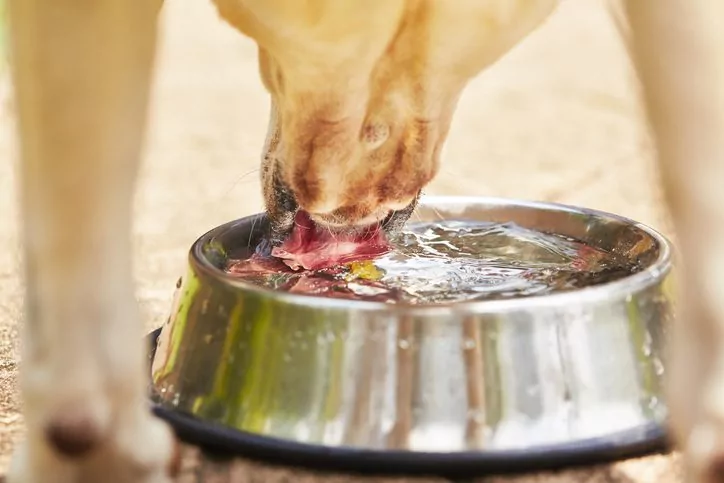
Fresh water helps rinse the mouth, so keep the bowl clean and filled. Crunchy dog-safe vegetables, such as small pieces of carrot, make good low-calorie treats.
Diet alone won’t cure chihuahua bad breath caused by tartar, but it can help keep a clean mouth fresh after a dental cleaning. Our chihuahua puppy food guide covers feeding young dogs.
Professional dental cleaning
Once tartar has formed, brushing can’t remove it or fix chihuahua bad breath on its own. A professional cleaning under anesthesia lets your vet clean above and below the gumline, take dental X-rays and remove damaged teeth.
Anesthesia-free cleaning only scrapes the visible tooth surface and can miss disease under the gums. Veterinary dentists recommend a proper cleaning under anesthesia instead.
Modern anesthesia is safe for most healthy chihuahuas, and your vet will run checks first.
Brushing to prevent chihuahua bad breath
Daily brushing is the best way to prevent chihuahua bad breath. Use a small, soft brush or finger brush and a toothpaste made for dogs.
- Let your dog lick a little dog toothpaste from your finger.
- Rub your finger along the outer teeth and gums.
- Introduce the brush for a few seconds at a time.
- Focus on the outside surfaces of the back teeth.
- Build up to about 30 seconds a side.
- Finish with praise or play.
Never use human toothpaste. It can contain xylitol, which is highly toxic to dogs, and fluoride, which shouldn’t be swallowed.
Brush at the same time every day, such as after the evening walk. Routine makes it easier, and most chihuahuas learn to love the flavoured toothpaste.
Dental chews and toys
Dental chews sized for small dogs can help reduce plaque and chihuahua bad breath, especially products accepted by the Veterinary Oral Health Council. They help, but they don’t replace brushing.
Avoid very hard chews such as bones, antlers and hooves, which can break tiny teeth. Our best toys for chihuahuas guide suggests safe options.
Quick tips for fresher breath
- Brush daily with dog toothpaste.
- Offer fresh water at all times.
- Use a vet-approved water additive or dental gel.
- Give properly sized dental chews.
- Cut back on table scraps and rich treats.
- Pick up poop promptly in the yard.
- Book yearly dental checks.
These simple habits tackle the most common causes of chihuahua bad breath.
What to avoid
- Human toothpaste or mouthwash.
- Breath mints or gum, which may contain xylitol.
- Hard bones and antlers.
- Masking the smell without finding the cause.
- Putting off a dental cleaning your vet recommends.
Costs and insurance
Dental cleanings and tooth extractions can be costly, especially if disease is advanced. Preventing chihuahua bad breath with daily brushing usually saves money in the long run.
Some pet insurance policies cover dental illness, so check the details. Our chihuahua pet insurance guide explains what to look for.
Myths and facts
| Myth | Fact |
|---|---|
| All dogs have bad breath. | Healthy dogs have only a mild smell. |
| Dry food cleans teeth. | Most kibble does little to stop tartar. |
| Bones keep teeth clean. | Hard bones often break small teeth. |
| Bad breath is only a mouth problem. | It can be a sign of kidney, liver or blood sugar problems. |
Knowing the facts helps you treat chihuahua bad breath properly rather than just masking it.
Related health guides
Dental health affects the whole body and even lifespan. Our chihuahua health problems and chihuahua lifespan guides explain how good care helps your dog live longer.
Our approach
At Chihuvas, we check teeth and gums weekly, start gentle tooth brushing in puppyhood and keep up with yearly dental checks in our Traverse City, Michigan home. Every family receives tips on keeping tiny mouths healthy.
Every puppy goes home with vaccinations, a microchip, a vet health certificate, AKC registration and a two-year genetic health guarantee. We deliver nationwide by in-cabin chihuahua flight nanny and stay in touch for life.
See our available puppies, send us an inquiry or meet our family on our chihuahua breeder Michigan page.
Bad breath is rarely just doggy breath. It is usually the mouth asking for help.
Chihuvas breeding teamChihuvas is an AKC-registered Chihuahua breeder based in Michigan, and we deliver our puppies nationwide across the US. Every puppy is health-checked, vaccinated for their age and socialised from birth. See our available puppies →
Common questions about chihuahua bad breath
Looking for a healthy puppy?
Every puppy is vet-checked, raised in our Michigan home and delivered nationwide with a health guarantee.
View available puppies →