Chihuahua eye discharge
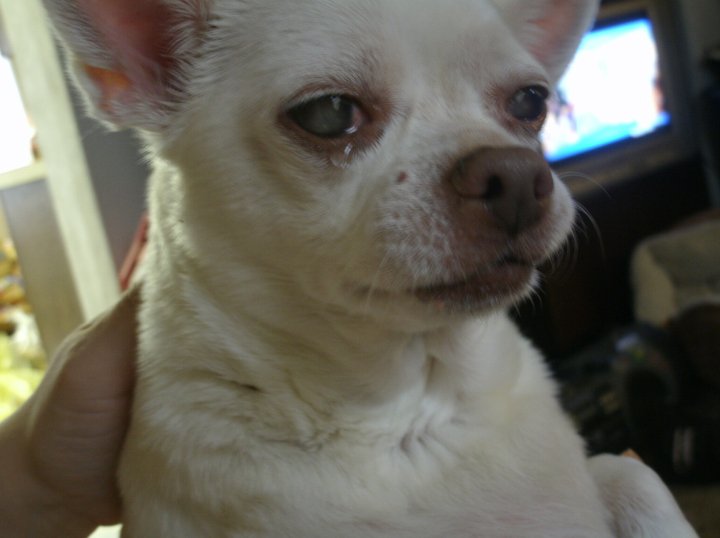
Those big, expressive eyes are one of the things we love most about chihuahuas, but they also need extra care. A little chihuahua eye discharge in the morning is usually normal, while thick, coloured or constant discharge can mean an infection, injury or other eye problem.
We are AKC chihuahua breeders in Traverse City, Michigan, and we check our dogs’ eyes every day. This guide explains what each type of chihuahua eye discharge means, the most common causes, how to clean your dog’s eyes safely and which signs need a vet straight away.
The American College of Veterinary Ophthalmologists notes that small breeds with prominent eyes are prone to several eye conditions, and the VCA Animal Hospitals vets advise that any painful or cloudy eye should be seen promptly.
Chihuahua eye discharge: the short answer
A small amount of clear or slightly crusty discharge in the corners of the eyes, especially after sleep, is normal. It is the eye’s way of cleaning away dust and old tears.
Chihuahua eye discharge that is yellow, green, thick, bloody or comes with squinting, redness or cloudiness is not normal. These signs can mean infection, dry eye, an ulcer or another problem that needs a vet.
Why chihuahuas are prone to eye problems
Chihuahuas have large, round, slightly prominent eyes and short muzzles. Their eyes sit more exposed than those of longer-nosed breeds, so dust, wind and scratches reach them more easily.
Their small faces also mean tears can overflow onto the fur, causing staining. Dogs with the classic apple head and shorter muzzle may be especially prone. Our apple head vs deer head chihuahua guide explains these head types.
What the colour means
| Discharge | What it may mean |
|---|---|
| Small clear or brown crust in the corners | Usually normal “eye boogers” |
| Clear and watery | Allergies, irritation, a foreign body or blocked tear ducts |
| White or grey mucus | Dry eye or conjunctivitis |
| Yellow or green | Infection |
| Reddish-brown fur staining | Tear staining from overflow |
| Blood or pink-tinged | Injury or a serious problem; see a vet |
Colour is a useful clue, but it isn’t a diagnosis. Your vet needs to examine the eye to know the cause of any chihuahua eye discharge that isn’t clearly normal.
Chihuahua eye discharge: 9 common causes
- Normal tear crust.
- Allergies.
- Conjunctivitis.
- Dry eye (keratoconjunctivitis sicca).
- Corneal ulcers and scratches.
- Foreign bodies such as dust or grass seeds.
- Blocked tear ducts.
- Eyelid and eyelash problems.
- Glaucoma and other serious conditions.
The sections below explain each one and what to watch for.
Normal eye boogers
Not all chihuahua eye discharge is a problem. Dogs, like people, produce a small amount of discharge overnight. It dries into little crusts in the inner corners of the eyes.
If the eye looks bright and clear, your dog isn’t squinting or rubbing, and the amount stays small, there’s no need to worry. Simply wipe it away gently each morning with a soft, damp pad, and chihuahua eye discharge of this kind won’t bother your dog at all.
Allergies
Pollen, dust, mould and some foods can cause watery, itchy eyes. Allergic dogs often rub their faces, lick their paws and scratch their ears too.
Allergy-related chihuahua eye discharge is usually clear and comes with mild redness. Your vet can suggest safe treatments. Our chihuahua allergies and chihuahua itching guides explain more.
Conjunctivitis
Conjunctivitis is one of the most common reasons for chihuahua eye discharge. It is inflammation of the pink tissue around the eye. It can be caused by allergies, irritants, viruses or bacteria.
Signs include red, swollen tissue around the eye, discharge that may be clear, white, yellow or green, and blinking or squinting. Bacterial conjunctivitis usually needs prescription eye drops or ointment.
Dry eye
Dry eye, or keratoconjunctivitis sicca (KCS), happens when the eye doesn’t make enough tears. Chihuahuas are among the breeds predisposed to it.
With dry eye, chihuahua eye discharge is usually thick and sticky.
Without enough tears, the eye produces thick, sticky white or yellow mucus, looks dull and may become red and sore. A simple tear test at the vet confirms it. Most dogs need lifelong eye drops, but they respond well to treatment.
If your dog has sticky discharge that keeps coming back, ask your vet for a Schirmer tear test. It takes a minute and catches dry eye early.
Corneal ulcers and scratches
The cornea is the clear front of the eye. Because chihuahua eyes are prominent, they are easily scratched by a cat’s claw, a branch, rough play or even rubbing on carpet.
Signs include squinting, holding the eye closed, tearing, rubbing and sometimes a cloudy or bluish spot. Ulcers are painful and can get worse quickly, so a scratched eye needs a vet the same day. Our chihuahua and cats guide covers safe introductions.
Foreign bodies
Sudden watery chihuahua eye discharge on one side often means something is in the eye. Dust, sand, grass seeds and hair can get trapped under the eyelids. The eye responds with watering, blinking and rubbing.
Flushing the eye gently with sterile saline may wash out loose debris. If your dog keeps squinting or you can see something stuck, don’t try to remove it yourself; see your vet. Car rides with the head out of the window are a common culprit; see our travelling with a chihuahua guide for safer travel.
Blocked tear ducts and tear stains
Tears normally drain through small ducts into the nose. If these are narrow or blocked, tears spill onto the face instead, causing constant wetness and reddish-brown stains.
This kind of chihuahua eye discharge is usually clear and mostly a cosmetic issue, but wet fur can lead to skin irritation or yeast. Our chihuahua tear stains guide explains how to manage it.
A gentle tear-stain routine
If your dog’s main issue is wet, stained fur rather than infection, a simple routine keeps the face clean and comfortable.
- Wipe under the eyes once or twice a day with a soft, damp pad.
- Dry the fur well afterwards; moisture feeds yeast and bacteria.
- Keep the hair around the eyes short and tidy.
- Use stainless steel or ceramic bowls and wash them daily.
- Offer fresh, filtered water if your tap water is very hard.
Avoid stain removers that aren’t made for dogs, and never use bleach-based products near the eyes. If stains appear suddenly or the skin under the eyes becomes red or smelly, ask your vet to check for infection.
Eyelid and eyelash problems
Eyelid problems cause ongoing chihuahua eye discharge that keeps coming back. Some dogs have eyelids that roll inwards (entropion) or extra eyelashes that rub the eye (distichiasis). The constant irritation causes watering, squinting and sometimes ulcers.
These problems can often be fixed with treatment or minor surgery, which brings great relief. Your vet may refer you to a veterinary eye specialist.
Glaucoma and other serious problems
Glaucoma is a painful build-up of pressure inside the eye. Signs include a red, cloudy or bulging eye, a dilated pupil and squinting. It is an emergency, as sight can be lost within hours.
Lens luxation, uveitis and eye injuries are other serious conditions. Any sudden change in how the eye looks, especially with pain, needs urgent care.
Chihuahua eye discharge in one eye or both?
Where the discharge appears is another useful clue. Discharge in both eyes often points to something affecting the whole body or environment, such as allergies, dry eye or a viral infection.
Chihuahua eye discharge in just one eye is more likely to be caused by something local: a scratch, an ulcer, a foreign body, a blocked tear duct or an eyelash rubbing on that side.
One-sided discharge with squinting is a common sign of an ulcer, so it is worth a prompt vet visit even if your dog otherwise seems fine.
Chihuahua eye discharge: a quick home check
| Check | Healthy | See a vet if |
|---|---|---|
| Eye surface | Bright, clear and shiny | Dull, cloudy or with a spot |
| White of the eye | White with a few fine vessels | Very red or bloodshot |
| Eyelids | Smooth, lashes pointing outwards | Swollen, rolled in or crusty |
| Pupils | Equal in size | One larger than the other |
| Behaviour | Eyes open, no rubbing | Squinting, pawing or rubbing |
| Discharge | Small clear or brown crust | Thick, coloured, bloody or constant |
Doing this quick check once a week, in good light, helps you catch chihuahua eye discharge problems early. It takes less than a minute and gets your dog used to having their face handled.
Smoke, sprays and the environment
Little dogs live close to the floor, where dust, cleaning products and carpet fresheners collect. Cigarette smoke, air fresheners, perfumes and aerosol sprays can all irritate sensitive eyes.
Winter heating dries the air, which can make dry eye worse. A humidifier helps both eyes and skin; see our chihuahua dry skin guide. In summer, wind, sand and pollen are the main irritants.
If your dog’s eyes water more in certain rooms or seasons, the environment may be part of the answer to their chihuahua eye discharge.
Breed eye conditions to know
Alongside dry eye, chihuahuas can be affected by cataracts, which cloud the lens, and by progressive retinal atrophy (PRA), an inherited condition that slowly affects vision. These usually don’t cause discharge at first, but they show why regular eye checks matter.
Responsible breeders can screen parents for some inherited eye problems. Ask about eye testing when choosing a puppy, and keep up with yearly check-ups as your dog ages.
Chihuahua eye discharge: emergency signs
See a vet the same day if you notice any of these.
- Squinting or holding the eye shut.
- A cloudy, blue or white spot on the eye.
- A red, swollen or bulging eye.
- Bloody discharge.
- An obvious injury or something stuck in the eye.
- Sudden changes in vision, such as bumping into things.
- The eye looks out of place or the third eyelid covers it.
How to clean your dog’s eyes
- Wash your hands.
- Soak a soft cotton pad or gauze in warm water or sterile saline.
- Hold your dog gently and wipe from the inner corner outwards.
- Use a fresh pad for each eye to avoid spreading infection.
- Dry the fur under the eyes with a clean tissue.
- Reward your dog with praise and a treat.
Daily cleaning keeps mild chihuahua eye discharge from building up and makes it easier to spot changes. Our chihuahua eye care guide covers everyday routines in more detail.
What to avoid
- Human eye drops, unless your vet prescribes them.
- Leftover drops from another pet or an old infection.
- Cotton buds near the eye.
- Home remedies like tea bags or vinegar.
- Waiting several days if the eye is painful.
Treating chihuahua eye discharge without a diagnosis can backfire. Some eye drops contain steroids that can make an ulcer much worse. Always get the eye checked before using medicine.
What your vet will check
When you bring in a dog with chihuahua eye discharge, your vet will look closely at the eyes, eyelids and lashes, and may use a bright light and magnifier. Common tests include a fluorescein stain to show ulcers, a Schirmer tear test for dry eye and an eye pressure test for glaucoma.
Treatment depends on the cause, from simple cleaning and drops to referral to an eye specialist. Our chihuahua first vet visit guide explains how to keep your dog calm at the clinic.
Puppies and seniors
Newborn puppies’ eyes open at around 10 to 14 days. Swelling or discharge behind closed eyelids in very young puppies can mean infection and needs a vet promptly. Our chihuahua puppy care guide covers early care.
In older dogs, new chihuahua eye discharge deserves attention.
Seniors are more likely to develop dry eye, cataracts and glaucoma. Regular check-ups help catch these early. See our senior chihuahua care guide.
How to prevent eye problems
- Wipe the eyes gently every day.
- Trim long hair around the eyes, or ask a groomer.
- Keep your dog’s head inside the car.
- Supervise play with cats and bigger dogs.
- Avoid smoke, sprays and dusty areas.
- Feed a quality diet that supports healthy eyes and skin.
- Book yearly vet check-ups, and twice yearly for seniors.
Our chihuahua grooming guide and best food for chihuahuas guides help with daily care. Pet insurance can make eye treatment easier to afford; see our chihuahua pet insurance guide.
Myths and facts
| Myth | Fact |
|---|---|
| All eye discharge is an infection. | Small amounts of crust are normal. |
| Human eye drops are fine for dogs. | Some can harm the eye, especially with an ulcer. |
| Tear stains mean poor care. | They are often caused by face shape and tear drainage. |
| Eye problems can wait a few days. | Painful eyes can get worse within hours. |
Knowing what is normal makes it easier to spot when chihuahua eye discharge needs help.
Related health guides
Eyes are one part of your dog’s overall health. Our chihuahua health problems, chihuahua hydrocephalus and chihuahua dry skin guides cover other important topics.
Our approach
At Chihuvas, we check every puppy’s eyes daily from the moment they open in our Traverse City, Michigan home. Each puppy is examined by our vet before going home, and families receive a care guide that includes simple eye-cleaning steps.
Every puppy goes home with vaccinations, a microchip, a vet health certificate, AKC registration and a two-year genetic health guarantee. We deliver nationwide by in-cabin chihuahua flight nanny and stay in touch for life.
See our available puppies, send us an inquiry or meet our family on our chihuahua breeder Michigan page.
Bright, clear eyes are worth a gentle wipe every day.
Chihuvas breeding teamChihuvas is an AKC-registered Chihuahua breeder based in Michigan, and we deliver our puppies nationwide across the US. Every puppy is health-checked, vaccinated for their age and socialised from birth. See our available puppies →
Common questions about chihuahua eye discharge
Looking for a healthy puppy?
Every puppy is vet-checked, raised in our Michigan home and delivered nationwide with a health guarantee.
View available puppies →