Chihuahua tear stains: causes and safe cleaning
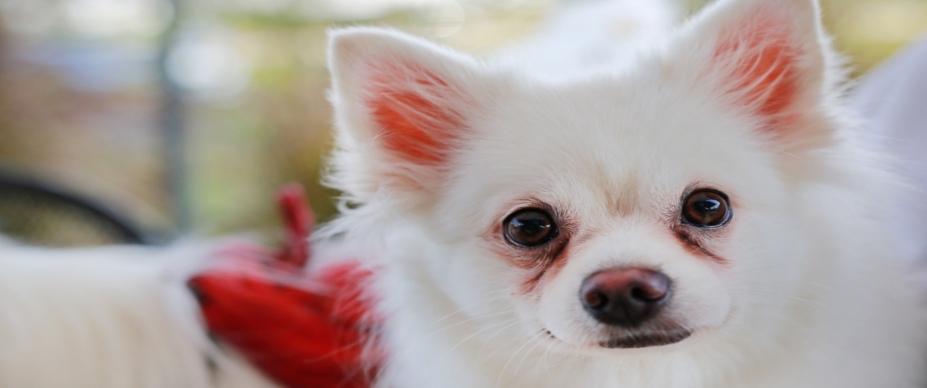
Chihuahua tear stains are those reddish-brown streaks that run from the inner corner of the eyes down the face. They are especially noticeable on cream, white and fawn dogs, and they are one of the most common grooming questions we get.
We are AKC chihuahua breeders in Traverse City, Michigan, and we keep our dogs’ faces clean every day. This guide explains what causes chihuahua tear stains, how to clean them safely, when to see a vet and which popular remedies to avoid.
For a vet-written overview of excessive tearing, see the VCA Animal Hospitals guide to excessive tearing. For general breed information, visit the AKC chihuahua breed page.
What are chihuahua tear stains?
Chihuahua tear stains are discolored streaks of fur under the eyes caused by tears overflowing onto the face. The fur stays damp and slowly changes color.
The reddish-brown color comes from porphyrins, natural pigments in tears and saliva that contain iron. A darker brown color and a musty smell often mean yeast or bacteria are growing in the damp fur.
Chihuahua tear stains happen when tears overflow and pigments stain the fur. Wipe the area daily with saline or warm water, dry it well, keep the hair trimmed and see your vet to rule out blocked tear ducts, irritation or infection. Avoid peroxide, bleach and antibiotic supplements near the eyes.

Why chihuahuas get tear stains
Chihuahuas are more prone to tear stains than many breeds because of the shape of their head and eyes.
- Large, round, prominent eyes are more exposed to dust and irritation.
- Shallow eye sockets mean tears spill over more easily.
- A short face can affect how tears drain into the nose.
- Small, narrow tear ducts can block more easily.
- Hair near the inner corner can wick tears onto the face.
Many chihuahua tear stains are simply linked to breed shape. Still, it is worth checking that there is no underlying eye problem.
Coat color and chihuahua tear stains
Every chihuahua makes tears, but chihuahua tear stains show up much more on light coats. On black, chocolate or blue dogs, staining may be barely visible.
| Coat color | How visible stains are |
|---|---|
| White and cream | Very visible; reddish-brown streaks |
| Fawn and gold | Visible, especially on the muzzle |
| Sable and red | Somewhat visible |
| Chocolate, black and blue | Hard to see, but the fur may still be damp |
Even when you can’t see stains, check for dampness and odor. Our chihuahua colors guide covers the full range of coat colors.
Common causes of chihuahua tear stains
Chihuahua tear stains have many possible causes. Some are harmless, while others need a vet’s help.
| Cause | What happens |
|---|---|
| Breed eye shape | Tears spill over shallow eye sockets |
| Blocked tear ducts | Tears can’t drain into the nose, so they overflow |
| Eyelashes rubbing the eye | Extra or inward-growing lashes irritate the eye |
| Inward-rolling eyelids (entropion) | Eyelid rubs the eye, causing tearing |
| Allergies | Itchy, watery eyes from pollen, dust or food |
| Teething | Puppies often tear more while adult teeth come in |
| Eye infections or conjunctivitis | Red, sore eyes with discharge |
| Hair in the eyes | Facial hair irritates the surface of the eye |
Your vet can help work out which of these applies to your dog. Sometimes more than one is involved.
Puppies and teething
Many puppies develop chihuahua tear stains while teething. The extra tearing often settles once the adult teeth are fully in, usually by around six to seven months.
Keep your puppy’s face clean and dry during this stage so stains don’t set. Our chihuahua teething guide explains the timeline and how to help.
When tear stains are more than cosmetic
Most stains are cosmetic, but some signs point to an eye problem that needs a vet.
- Red, swollen or painful eyes.
- Squinting or keeping an eye closed.
- Thick yellow or green discharge.
- Pawing or rubbing at the face.
- A cloudy or blue-looking eye.
- Sudden heavy tearing in one eye.
- A bad smell or sore, red skin under the eye.
Chihuahuas’ prominent eyes are prone to injury and ulcers. If your dog is squinting, has a cloudy eye or seems in pain, see a vet the same day.
Our chihuahua eye care guide covers other common eye issues in the breed.
How to clean chihuahua tear stains
Gentle daily cleaning is the best way to manage chihuahua tear stains. It removes tears before they stain and keeps the skin healthy.
- Wash your hands first.
- Moisten a soft cotton pad or cloth with sterile saline or warm water.
- Wipe gently from the inner corner of the eye outward and downward.
- Use a fresh pad for each eye.
- Dry the area thoroughly with a clean, soft cloth.
- Reward your dog with praise and a small treat.
Once or twice a day is usually enough. Make it a calm, quick habit, such as after breakfast and before bed.
What to use on chihuahua tear stains
Simple tools work best for chihuahua tear stains. Gentle products protect the delicate skin and eyes.
| Tool | Use |
|---|---|
| Sterile saline | Safe for wiping near the eyes |
| Soft cotton pads | Gentle on the face; use a fresh one each time |
| Unscented pet eye wipes | Handy for travel; choose ones made for use around eyes |
| Small flea comb | Lifts crust from the fur after softening |
| Soft, clean cloth | For drying the face |
Choose fragrance-free, alcohol-free products made for use around pets’ eyes. If in doubt, ask your vet.
What to avoid near the eyes
Some home remedies for chihuahua tear stains can harm the eyes or skin. Avoid these.
- Hydrogen peroxide, bleach or whitening products.
- Makeup remover or human face wipes.
- Products containing alcohol or fragrance.
- Cornstarch or powders that can get into the eyes.
- Lemon juice, vinegar or baking soda pastes.
- Supplements containing antibiotics.
Harsh products can burn the eyes and skin and may make tearing worse.
Trimming the face
Long hair near the eyes can wick tears onto the face and keep the area damp. A neat trim helps, especially for long-coat chihuahuas.
- Use small, round-tipped grooming scissors.
- Keep the scissors pointed away from the eyes.
- Trim only the hair at the inner corner and just below the eye.
- Ask a groomer or your vet to help if your dog wriggles.
Our chihuahua grooming guide covers safe trimming and brushing.
Keeping the face dry
Moisture is what lets yeast and bacteria grow and darken chihuahua tear stains. Keeping the face dry is just as important as cleaning it.
- Dry the face after every wipe, meal and drink.
- Dry the face well after baths.
- Wash bedding weekly so it stays clean and dry.
- Use stainless steel or ceramic bowls and wash them daily.
Our how to bathe a chihuahua guide explains how to keep the face dry during bath time.
Food and allergies
Food allergies can increase tearing in some dogs, which can make chihuahua tear stains worse. Common triggers include certain proteins such as chicken or beef.
If your vet suspects a food allergy, they may suggest a diet trial. Our chihuahua allergies guide explains signs and next steps.
- Talk to your vet before changing foods.
- Change foods slowly over seven to ten days.
- Give a diet trial at least eight weeks to show results.
- Avoid table scraps during a trial.
Water and bowls
Some owners believe minerals in tap water cause stains. The evidence is limited, but fresh, clean water is always good for your dog.
- Change water at least once a day.
- Wash bowls daily to prevent bacteria building up.
- Use stainless steel or ceramic rather than plastic.
- Choose shallow bowls so the face stays drier.
Filtered water won’t fix stains on its own, but it does no harm if you prefer it.
Vet treatment for chihuahua tear stains
If chihuahua tear stains are heavy or come with other signs, your vet can look for the cause and treat it.
| Test or treatment | Purpose |
|---|---|
| Eye exam | Checks for irritation, lashes, eyelid problems and injuries |
| Fluorescein stain test | Shows ulcers and checks whether tear ducts drain |
| Tear production test | Measures how much tear fluid is made |
| Tear duct flush | Clears blocked ducts |
| Eye drops or ointment | Treats infection or inflammation |
| Minor surgery | Corrects eyelid or eyelash problems |
Treating the cause often reduces tearing a lot. Existing stains then fade as new, clean fur grows in.
Supplements and products
Many products promise to remove chihuahua tear stains. Some are harmless, while others are a concern.
- Some tear stain supplements have contained antibiotics, which vets advise against using this way.
- Probiotic or skin supplements may help some dogs, but results vary.
- Wipes and gentle cleansers can help when used daily.
- No product replaces cleaning and treating the underlying cause.
Ask your vet before trying any supplement, especially for a puppy.
A weekly routine for chihuahua tear stains
A simple routine keeps chihuahua tear stains under control with only a few minutes a day.
| When | What to do |
|---|---|
| Every morning | Wipe and dry the face |
| Every evening | Wipe and dry the face |
| After meals | Dry the muzzle and chin |
| Weekly | Wash bedding and check hair length near the eyes |
| Monthly | Trim facial hair if needed |
| Every vet visit | Ask for a quick eye check |
Consistency matters more than any product. Most owners see a big difference within a few weeks.
Removing old chihuahua tear stains
Old chihuahua tear stains can take time to fade because the color is in the hair itself. Cleaning stops new staining, but the stained fur has to grow out or be trimmed away.
- Soften crusts with a warm, damp cloth for a minute before wiping.
- Comb gently with a fine flea comb to lift debris.
- Trim heavily stained tips if your dog will sit still.
- Be patient; most stains fade noticeably over six to eight weeks.
Never scrub hard. The skin under the eyes is thin and easily irritated.
Signs of a yeast infection
Damp fur under the eyes is a perfect home for yeast. A yeast infection can make chihuahua tear stains darker, smellier and itchier.
- Dark brown or rust-colored fur.
- A musty or sour smell.
- Red, greasy or flaky skin under the eyes.
- Rubbing the face on furniture or the floor.
Your vet can confirm yeast with a simple skin test and recommend a safe treatment. Keeping the area dry helps prevent it coming back.
Tear stains in older dogs
Older dogs may develop new tearing because of eye changes, dental disease or blocked ducts. A sudden change in an older dog is worth a vet check.
Dental problems can affect the eyes because the roots of the upper teeth sit close to the eye area. Our chihuahua teeth guide explains how dental health affects the whole face.
Outdoors and travel
Wind, dust, pollen and car air vents can all make chihuahua tear stains worse. A few simple habits help.
- Keep car windows mostly closed so wind doesn’t blow into the eyes.
- Wipe the face after walks on dusty or windy days.
- Pack eye wipes and a soft cloth in your travel bag.
- Rinse the eyes with saline after time in tall grass or sand.
These small steps keep the eyes comfortable and reduce extra tearing.
Questions to ask your vet
A short list of questions helps you get the most from a vet visit about chihuahua tear stains.
- Is there an eye problem causing the tearing?
- Are the tear ducts draining normally?
- Could allergies be involved?
- Is there any yeast or infection in the skin?
- Which cleaning products are safe for my dog?
Write the answers down and keep them with your dog’s health records. Bring a few clear photos of the stains taken over several weeks, as they help your vet see how things are changing.
If your vet prescribes drops or ointment, ask them to show you how to apply them. A second person to hold your dog makes it much easier.
Long coat vs smooth coat
Long-coat chihuahuas tend to show more staining because longer facial hair holds moisture. Smooth coats dry faster but can still stain.
Our long coat vs smooth coat chihuahua guide explains other care differences.
Choosing a puppy with healthy eyes
When choosing a puppy, take a close look at the eyes. Healthy eyes are bright, clear and comfortable, with little or no discharge.
- Eyes open fully with no squinting.
- No redness, cloudiness or thick discharge.
- Eyelids sit flat against the eye without rolling in.
- The breeder can share vet check records.
- A written health guarantee is offered.
Our guide on how to choose a chihuahua breeder covers other health checks to ask about.
Myths about chihuahua tear stains
There are many myths about chihuahua tear stains. Here are the facts.
| Myth | Fact |
|---|---|
| Tear stains mean the dog is sad | Stains come from tear overflow, not emotion |
| Peroxide is safe for stains | It can burn the eyes and skin |
| Filtered water cures stains | Evidence is limited; cleaning matters more |
| Stains are always harmless | Heavy tearing can signal an eye problem |
| Stains disappear overnight | Stained fur fades slowly as new fur grows |
Our chihuahua health problems guide covers other conditions worth knowing about.
Our approach to clean faces
At Chihuvas, we wipe our dogs’ faces every day in our Traverse City, Michigan home and show every family how to do it before their puppy leaves. Puppies are vet-checked, including their eyes, before going home.
Every puppy goes home with vaccinations, a microchip, a vet health certificate, AKC registration and a two-year genetic health guarantee. We deliver nationwide by in-cabin chihuahua flight nanny and stay in touch for life.
See our available puppies, send us an inquiry or meet our family on our chihuahua breeder in Michigan page.
A soft pad, a little saline and two minutes a day keep most tear stains under control. If tearing is heavy, let your vet take a look.
Chihuvas breeding teamChihuvas is an AKC-registered Chihuahua breeder based in Michigan, and we deliver our puppies nationwide across the US. Every puppy is health-checked, vaccinated for their age and socialised from birth. See our available puppies or send us an inquiry.
Common questions about chihuahua tear stains
Looking for a healthy puppy?
Every puppy is vet-checked, raised in our Michigan home and delivered nationwide with a two-year genetic health guarantee.
View available puppies →