Chihuahua ticks: check, remove and prevent
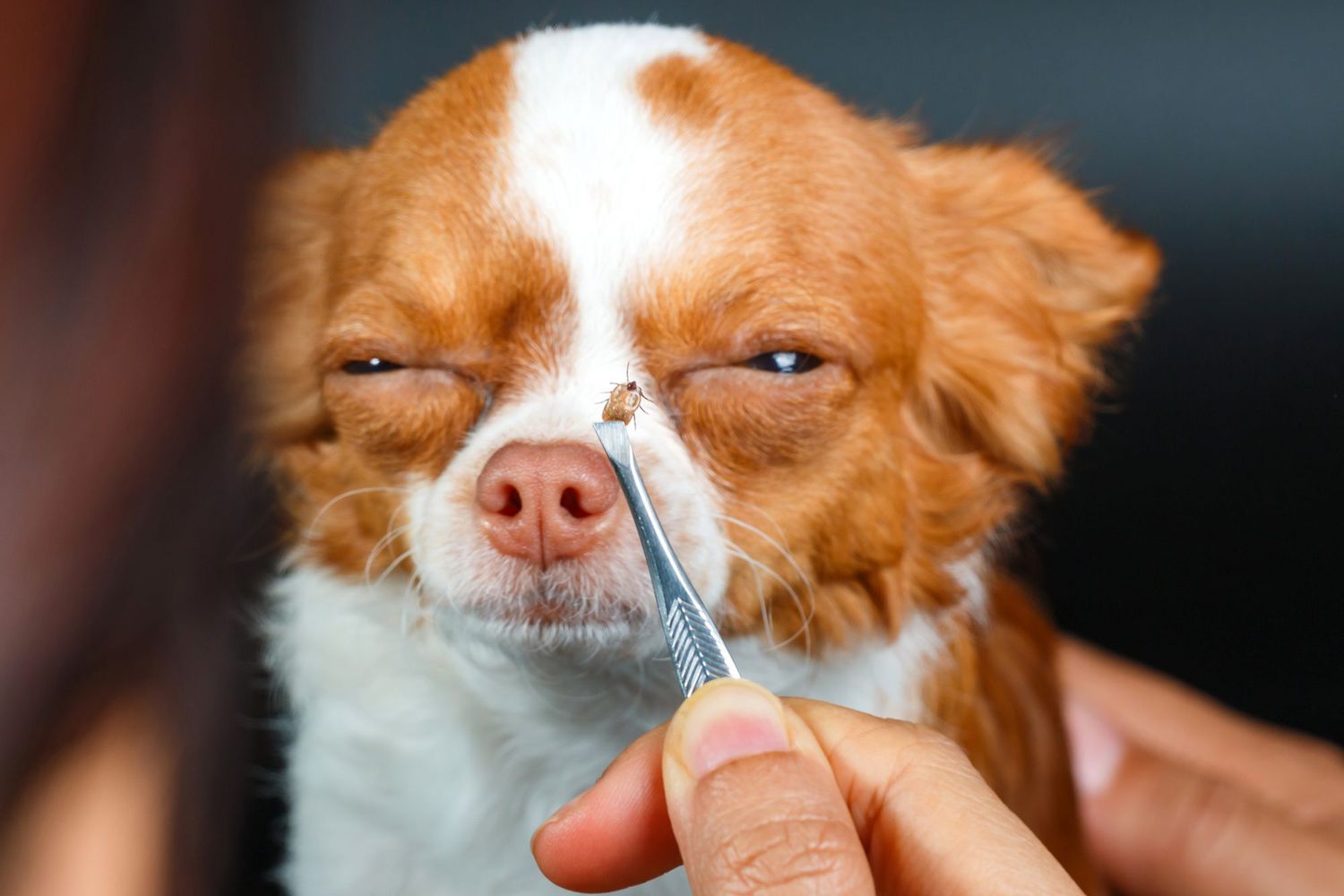
A walk through long grass or a wooded trail can bring home unwanted hitchhikers. Chihuahua ticks are small, but they can spread serious diseases, so knowing how to check, remove and prevent them is an essential part of caring for a tiny dog.
We live with ticks every season in Traverse City, Michigan, where blacklegged ticks are common in woods and long grass. This guide explains where chihuahua ticks hide, how to remove them safely, the diseases they carry, warning signs and simple year-round prevention.
For parasite guidance, see the Companion Animal Parasite Council. The CDC guidance on ticks has detailed advice on ticks and tick-borne diseases.
What are chihuahua ticks?
Ticks are small, blood-feeding parasites related to spiders. They wait on grass and plants, then climb onto passing animals and people, attach and feed for several days.
An unfed tick can be as small as a poppy seed, so chihuahua ticks are easy to miss, especially on long coats. After feeding, ticks swell and become easier to spot.
Check for chihuahua ticks after every outdoor walk, especially around the ears, toes, armpits and tail. Remove ticks with fine tweezers by pulling straight up, close to the skin. Use vet-recommended prevention for your dog’s weight and watch for lameness, fever or tiredness in the weeks after a bite.

Common ticks in the US
| Tick | Where it lives | Diseases it can carry |
|---|---|---|
| Blacklegged (deer) tick | Woods, leaf litter, long grass; common in Michigan | Lyme disease, anaplasmosis |
| American dog tick | Grassy fields, trail edges | Rocky Mountain spotted fever, tick paralysis |
| Lone star tick | Woodland, spreading north | Ehrlichiosis |
| Brown dog tick | Kennels and homes | Ehrlichiosis, babesiosis |
The chihuahua ticks you meet depend on where you live. Your vet can tell you which ones are most common locally.
Where ticks come from
- Long grass and meadows.
- Woodland trails and leaf litter.
- Garden edges and overgrown borders.
- Areas with deer, rodents or other wildlife.
- Kennels or homes with infested dogs.
Even a quick potty break in long grass can pick up chihuahua ticks, so tiny dogs aren’t safe just because they walk less.
How to check for chihuahua ticks
Check for chihuahua ticks after every walk in grassy or wooded areas. Run your fingers slowly through the coat, feeling for small bumps.
- Inside and behind the ears.
- Around the eyes and face.
- Under the collar or harness.
- In the armpits.
- Between the toes.
- The groin and belly.
- Around and under the tail.
Long coat dogs need extra care. Part the hair in sections and check down to the skin. Our chihuahua grooming guide explains coat care.
Removing chihuahua ticks safely
Removing chihuahua ticks quickly lowers the risk of disease. Stay calm and follow these steps.
- 1. Part the fur so you can see the tick clearly.
- 2. Use fine-tipped tweezers or a tick removal tool.
- 3. Grasp the tick as close to the skin as possible.
- 4. Pull upward with slow, steady pressure.
- 5. Don’t twist, jerk or squeeze the tick’s body.
- 6. Clean the bite with soap and water or a pet-safe antiseptic.
- 7. Wash your hands.
If part of the mouth stays in the skin, leave it. The body will push it out over a few days. See your vet if the area becomes red, swollen or sore.
What not to do
Never burn a tick, cover it with petroleum jelly, nail polish or alcohol, or squeeze its body. These methods don’t work and can make the tick release more saliva, raising the risk of disease.
Also avoid pulling ticks off with your fingers. Use tweezers or a tool and wash your hands afterward.
After removal
- Place the tick in a sealed bag or container with a little rubbing alcohol.
- Write the date on it.
- Keep it for a few weeks in case your dog becomes ill.
- Watch the bite area for redness or swelling.
- Watch your dog for signs of illness over the next few weeks.
Your vet may want to identify the tick if your dog develops symptoms.
Spotting an engorged tick
A tick that has fed for a few days swells into a grey, bean-shaped lump. Owners sometimes mistake it for a skin tag, a wart or a nipple.
| Feature | Engorged tick | Skin tag or wart |
|---|---|---|
| Legs | Tiny legs near the skin | No legs |
| Color | Grey, brown or blue-grey | Skin-colored or pink |
| Attachment | Head buried in skin | Part of the skin |
| Size change | Grows over days | Stays the same |
If you’re unsure, take a close-up photo and ask your vet before trying to remove anything. This helps avoid mistakes with chihuahua ticks.
A daily tick routine
| When | What to do |
|---|---|
| After every walk | Quick fingertip check of ears, toes, armpits and tail |
| Weekly | Thorough check and brush through the coat |
| Monthly | Give tick prevention as labeled |
| Each year | Vet check and tick-borne disease test if advised |
A simple routine is the best defence against chihuahua ticks all year round.
Long coat chihuahuas
Long coats hide chihuahua ticks well, especially in the feathering behind the ears, on the chest and around the tail. A fine-toothed comb helps you check more thoroughly.
Keeping the coat brushed and tangle-free makes ticks easier to find. Our long coat vs smooth coat chihuahua guide compares coat care.
9 warning signs after a tick bite
- 1. Lameness that may shift from leg to leg.
- 2. Swollen, painful joints.
- 3. Fever.
- 4. Tiredness or lethargy.
- 5. Loss of appetite.
- 6. Swollen lymph nodes.
- 7. Pale gums.
- 8. Weakness in the back legs.
- 9. A bite area that stays red, swollen or infected.
Signs of tick-borne disease can appear days to weeks after a bite. Our chihuahua not eating guide explains why appetite changes matter in tiny dogs.
Lyme disease
Lyme disease is spread by blacklegged ticks. Infection usually needs the tick to be attached for 24 to 48 hours, so daily checks for chihuahua ticks make a real difference.
Many infected dogs show no signs. Others develop lameness, fever and swollen joints weeks or months later. Rarely, Lyme can affect the kidneys.
Your vet can test for it with a simple blood test.
Other tick-borne diseases
| Disease | Main signs |
|---|---|
| Anaplasmosis | Fever, lameness, tiredness |
| Ehrlichiosis | Fever, weight loss, bleeding problems |
| Rocky Mountain spotted fever | Fever, joint pain, swelling |
| Babesiosis | Pale gums, weakness, dark urine |
Most tick-borne diseases respond well to treatment when caught early, so don’t wait if your dog seems unwell after a tick bite.
Tick paralysis
Some chihuahua ticks release a toxin that causes weakness, starting in the back legs and moving forward. Signs include wobbliness, a change in bark and difficulty breathing in severe cases.
Tick paralysis is an emergency. Search your dog thoroughly for ticks and go to your vet straight away. Removing the tick often leads to recovery.
When to see a vet
- You can’t remove the tick safely.
- The bite area stays red, swollen or infected.
- Your dog becomes lame, feverish or tired.
- Your dog stops eating.
- Weakness or wobbliness appears.
- You find many ticks at once on a small dog.
Our chihuahua health problems guide covers other conditions to know about.
Preventing chihuahua ticks: products
| Type | How it works | Notes |
|---|---|---|
| Chewable tablets | Kill ticks after they bite | Easy to give; check weight band |
| Spot-on treatments | Applied to the skin | Some repel ticks |
| Tick collars | Release medication over months | Choose vet-recommended brands |
| Combined products | Cover fleas, ticks and sometimes worms | Convenient all-in-one protection |
Many products for chihuahua ticks also cover fleas. Our chihuahua fleas guide explains flea control.
Dosing by weight
Tick products come in weight bands. For tiny dogs, the right band is essential.
- Weigh your dog before buying.
- Use the band that matches your dog’s exact weight.
- Never split a large-dog dose.
- Never use dog products on cats or cat products on dogs.
Our chihuahua weight chart helps you track your dog’s weight.
The Lyme vaccine
A Lyme vaccine is available for dogs. Your vet may recommend it if you live in or visit an area where Lyme disease is common, like much of Michigan.
The vaccine works alongside tick prevention, not instead of it. Our chihuahua vaccination schedule guide explains core and optional vaccines.
A tick-proof yard
- Keep grass short.
- Remove leaf litter and brush.
- Create a gravel or wood-chip border between lawn and woods.
- Keep play areas away from trees and tall plants.
- Discourage deer and rodents by securing bins and bird feeders.
These simple steps cut the number of chihuahua ticks your dog meets at home.
Safer walks
- Stick to the middle of paths.
- Avoid long grass and brush.
- Check your dog before getting back in the car.
- Brush the coat after walks.
- Use a light-colored harness, which makes ticks easier to see.
Our chihuahua leash training guide helps keep your dog close on trails.
Tick season
In Michigan and much of the US, ticks are most active in spring and fall, but adult blacklegged ticks can be active on any day above about 40°F, even in winter.
That is why many vets recommend year-round prevention against chihuahua ticks rather than stopping in the colder months.
Ticks and people
Dogs can carry ticks into the home, where they can attach to people. Check yourself and your children after outdoor time too.
The diseases dogs get from ticks can also affect people, but dogs don’t pass them to people directly. Our are chihuahuas good with kids guide has family tips.
Other pets
Treat all dogs in the home for ticks. Cats need cat-safe products only, as some dog tick products are highly toxic to cats.
Our chihuahua and cats guide covers homes with both.
Puppies
Many products for chihuahua ticks have minimum ages and weights. Ask your vet before using any product on a young puppy.
Until your puppy is old enough for prevention, check it carefully after any time outdoors and keep it away from long grass.
Travel
The risk of chihuahua ticks varies across the country. Ask your vet about extra protection before trips to woods, lakes or new regions.
Our travelling with a chihuahua guide has more travel tips.
Natural products
Essential oil sprays and other natural tick repellents are popular, but their effectiveness is unproven, and some oils are toxic to small dogs.
Rely on vet-recommended products to protect against chihuahua ticks, and ask your vet before trying anything else.
Testing for tick-borne disease
Many vets recommend a yearly blood test that screens for heartworm and several tick-borne diseases at once. It can catch infections before your dog shows signs.
If your dog had a tick bite and later seems unwell, tell your vet the date of the bite. This helps them decide which tests to run for diseases linked to chihuahua ticks.
Ticks in Michigan
Blacklegged ticks have spread across much of Michigan, including the northern Lower Peninsula around Traverse City. Lyme disease cases in dogs and people have risen in recent years.
If you live in or visit wooded or grassy parts of the state, daily checks and year-round prevention are especially important.
Questions to ask your vet
- Which ticks are common in our area?
- Which prevention product suits my dog’s weight?
- Should my dog have the Lyme vaccine?
- How often should my dog be tested for tick-borne diseases?
- What should I do if I find a tick?
A clear plan makes protecting your dog from chihuahua ticks simple.
A tick kit
- Fine-tipped tweezers or a tick removal tool.
- Small sealable bags or a container.
- Rubbing alcohol for storing ticks.
- Pet-safe antiseptic.
- Disposable gloves.
- A flea comb for long coats.
Keep a small kit for chihuahua ticks at home and another in your car or walking bag.
Myths about chihuahua ticks
| Myth | Fact |
|---|---|
| Ticks die in winter | Some are active above about 40°F |
| Burning a tick makes it let go | It can make things worse |
| Small dogs don’t get ticks | Any dog can pick them up |
| Indoor dogs are safe | Ticks can be carried in on people and pets |
| Natural oils are enough | Effectiveness is unproven and some are toxic |
Knowing the facts helps you protect your dog from chihuahua ticks.
Our approach
At Chihuvas, our dogs follow a vet-guided parasite plan in our Traverse City, Michigan home, and we check coats after outdoor play. Every family receives advice on safe prevention for their puppy’s weight.
Every puppy goes home with vaccinations, a microchip, a vet health certificate, AKC registration and a two-year genetic health guarantee. We deliver nationwide by in-cabin chihuahua flight nanny and stay in touch for life.
See our available puppies, send us an inquiry or meet our family on our chihuahua breeder in Michigan page.
A two-minute tick check after every walk is one of the easiest ways to protect a tiny dog.
Chihuvas breeding teamChihuvas is an AKC-registered Chihuahua breeder based in Michigan, and we deliver our puppies nationwide across the US. Every puppy is health-checked, vaccinated for their age and socialised from birth. See our available puppies or send us an inquiry.
Common questions about chihuahua ticks
Looking for a healthy puppy?
Every puppy follows a vet-guided parasite plan, is raised in our Michigan home and delivered nationwide with a health guarantee.
View available puppies →