
Chihuahua worms: signs, treatment and prevention
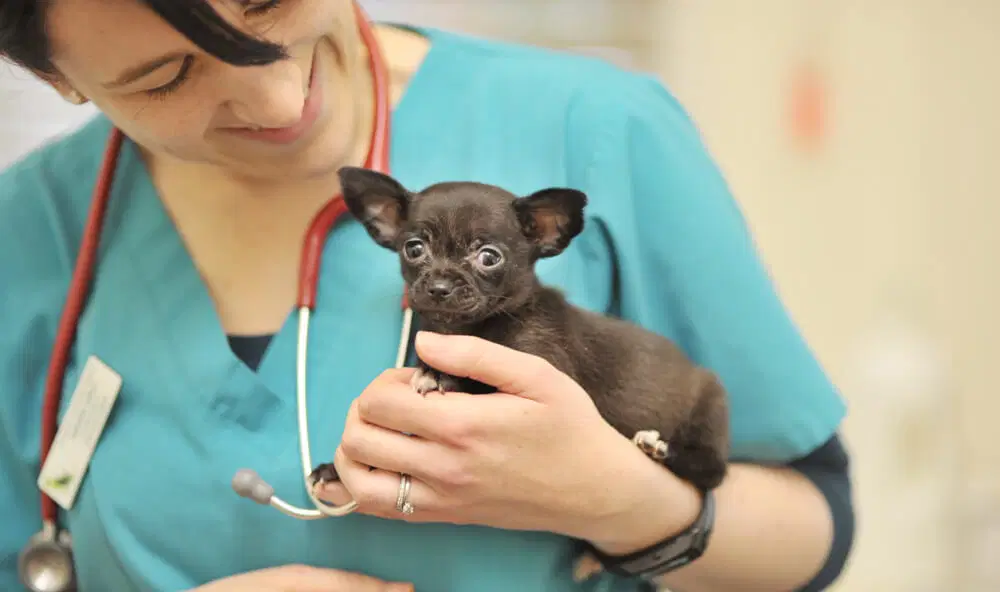
Worms are one of the most common health problems in puppies, and even adult dogs can pick them up. Chihuahua worms can cause real harm in such a small body, but regular deworming and simple hygiene keep most dogs worm-free.
We are AKC chihuahua breeders in Traverse City, Michigan, and our puppies follow a vet-guided deworming plan from two weeks old. This guide explains the main types of chihuahua worms, the warning signs, safe treatment, deworming schedules and how to protect your family.
For parasite guidance, see the Companion Animal Parasite Council. The CDC Healthy Pets guidance explains how to protect people from pet parasites.
Why chihuahua worms matter
A burden of chihuahua worms that a large dog might cope with can make a tiny dog very ill. Worms steal nutrients, damage the gut and, in some cases, cause blood loss.
Puppies are most at risk. Heavy infestations can lead to poor growth, anemia, low blood sugar and, in severe cases, blockages. That is why preventing chihuahua worms starts from the very first weeks of life.
Common chihuahua worms include roundworms, hookworms, whipworms and tapeworms, plus heartworm, which is spread by mosquitoes. Signs include diarrhea, vomiting, a pot belly, weight loss and scooting. Deworm puppies on a vet schedule, keep adults on year-round prevention and test stool regularly.

Types of chihuahua worms
| Worm | Where it lives | How dogs catch it | Risk to people |
|---|---|---|---|
| Roundworm | Intestines | From mother, soil, eating infected animals | Yes |
| Hookworm | Intestines | From mother’s milk, soil, skin contact | Yes |
| Whipworm | Large intestine | Swallowing eggs from soil | Rare |
| Tapeworm | Intestines | Swallowing fleas or eating prey | Rare |
| Heartworm | Heart and lungs | Mosquito bites | No |
Knowing the types helps you understand why vets use broad-spectrum products to treat chihuahua worms.
9 warning signs of chihuahua worms
- 1. Diarrhea, sometimes with mucus or blood.
- 2. Vomiting, sometimes with worms.
- 3. A pot-bellied look in puppies.
- 4. Weight loss or poor growth.
- 5. A dull, dry coat.
- 6. Scooting or licking the bottom.
- 7. Rice-like segments near the tail.
- 8. Pale gums from blood loss.
- 9. Coughing in heavily infected puppies.
Many dogs with worms show no signs at all, so regular checks matter. Our chihuahua diarrhea and chihuahua vomiting guides explain those symptoms.
When to see a vet now
- A puppy with pale gums, weakness or cold body.
- Bloody or black diarrhea.
- Repeated vomiting.
- A swollen, hard belly.
- Refusing food or water.
- Shaking or wobbliness, which can mean low blood sugar.
Heavy hookworm or roundworm infections can cause severe anemia or blockages in tiny puppies. Call your vet straight away if a puppy seems weak or pale.
Our chihuahua hypoglycemia guide explains low blood sugar.
Roundworms
Roundworms are the most common chihuahua worms in puppies. They look like strands of spaghetti and can sometimes be seen in stool or vomit.
Puppies often catch them from their mother before birth or through milk. Adult dogs can pick them up from soil or by eating infected animals. Roundworm eggs can also infect people, especially children.
Hookworms
Hookworms are tiny worms that attach to the gut wall and feed on blood. In small puppies, they can cause serious anemia.
Dogs catch them from their mother’s milk, contaminated soil or through the skin. Hookworm larvae can also burrow into human skin, causing an itchy rash.
Whipworms
Whipworms live in the large intestine and can cause ongoing diarrhea with mucus, sometimes with blood. Their eggs survive in soil for years.
Not all dewormers cover whipworms, so your vet may choose a specific product if they are found.
Tapeworms
Tapeworms are flat worms made of segments. You may notice small, rice-like pieces around your dog’s bottom or in its bedding.
The most common tapeworm comes from swallowing fleas while grooming, so flea control is essential. Our chihuahua fleas guide explains safe flea treatment for tiny dogs.
Heartworm
Heartworm is different from intestinal chihuahua worms. It is spread by mosquitoes and lives in the heart and lungs, causing coughing, tiredness and heart damage over time.
Heartworm is far easier to prevent than to treat. Ask your vet about prevention and yearly testing. Our chihuahua coughing guide covers other causes of coughing.
Giardia and coccidia
Giardia and coccidia are tiny single-celled parasites, not worms, but they cause similar signs, especially diarrhea in puppies. They are picked up from contaminated water, soil or stool.
They need different medicines from standard dewormers, so a fecal test is important if diarrhea continues.
How dogs get worms
- From their mother before birth or through milk.
- Sniffing or eating contaminated soil or stool.
- Swallowing fleas while grooming.
- Eating rodents, birds or raw meat.
- Mosquito bites (heartworm).
- Drinking from puddles or ponds (giardia).
Even indoor dogs can pick up chihuahua worms from soil carried in on shoes or from fleas.
Worms in puppies
Almost all puppies are born with or soon pick up worms from their mother. That is why responsible breeders start deworming at about two weeks old.
Ask your breeder for a record of every deworming given. Our chihuahua puppy checklist and chihuahua first vet visit guides explain what to bring to the vet.
A typical deworming schedule
| Age | Typical plan (follow your vet) |
|---|---|
| 2 to 8 weeks | Every 2 weeks |
| 8 weeks to 6 months | Monthly |
| Adults | Year-round prevention and regular fecal tests |
| Pregnant females | A special plan from the vet |
Your vet may adjust this schedule based on your dog’s lifestyle and local risks. Our chihuahua vaccination schedule guide shows how deworming fits in with puppy shots.
What to look for in stool
| What you see | Possible cause |
|---|---|
| Spaghetti-like worms | Roundworms |
| Rice-like white segments | Tapeworms |
| Mucus and blood, ongoing | Whipworms or giardia |
| Black, tarry stool | Hookworms or bleeding; see a vet |
| Greasy, smelly stool | Giardia |
Most chihuahua worms can’t be seen, so a normal-looking stool doesn’t rule them out. A fecal test is the only reliable check.
Scooting and bottom licking
Dogs with tapeworms or other chihuahua worms sometimes scoot their bottoms along the floor or lick the area often. Full anal glands cause the same signs, so a vet check helps find the real cause.
Check around the tail and in bedding for small rice-like segments, which point to tapeworms.
Bringing home a new puppy
Before a new puppy comes home, ask the breeder for a written record of deworming. Book a vet visit within the first few days and bring a stool sample.
- Ask which product was used and when.
- Check when the next dose is due.
- Keep the puppy’s area clean and pick up poop promptly.
- Wash hands after handling poop, especially with children at home.
Our bringing home a chihuahua puppy guide covers the first days. A clear plan keeps chihuahua worms from becoming a problem.
Raw diets and hunting
Dogs fed raw meat or that hunt mice, birds or rabbits have a higher risk of some parasites, including tapeworms. If your dog eats raw food or hunts, ask your vet about a more frequent deworming plan.
Our chihuahua prey drive guide explains why some chihuahuas love to chase small animals.
Fecal tests
A fecal test checks a stool sample for worm eggs and other parasites. It catches chihuahua worms that you can’t see.
Puppies are often tested several times in the first year, and adults once or twice a year. Bring a fresh sample in a clean bag or container to your vet visit.
Treatment
Treatment for chihuahua worms depends on the type of worm. Your vet will choose a product that covers the worms most likely in your dog.
- Broad-spectrum dewormers for roundworms and hookworms.
- Specific products for whipworms and tapeworms.
- Monthly preventives that also cover heartworm.
- Separate medicines for giardia or coccidia.
- Supportive care for anemia or dehydration.
A second dose is often needed a few weeks later to catch worms that hatch after the first treatment.
Dosing by weight
Dewormers are dosed by weight, and chihuahuas sit at the very bottom of the scale. Using the wrong dose can be ineffective or unsafe.
- Weigh your dog before each dose.
- Use products labeled for your dog’s exact weight and age.
- Never split tablets meant for large dogs without vet advice.
- Re-weigh growing puppies often.
Our chihuahua weight chart helps you track growth.
Possible side effects
Most dogs handle treatments for chihuahua worms well. Some may have mild vomiting, diarrhea or tiredness for a day. Puppies with heavy infestations may pass large numbers of dead worms.
Call your vet if side effects are severe or last more than a day.
Natural remedies
Pumpkin seeds, garlic, diatomaceous earth and other natural remedies are often suggested online. None has been proven to reliably clear chihuahua worms, and garlic is toxic to dogs.
Rely on vet-approved dewormers. They are safe, effective and tested for small dogs.
Cleaning the home
- Pick up poop from the yard daily.
- Wash bedding on a hot cycle after treatment.
- Clean floors where your dog has had accidents.
- Keep sandboxes covered.
- Treat fleas in the home to prevent tapeworms.
Worm eggs can survive in soil for a long time, so prompt clean-up makes a big difference.
Worms and people
Some chihuahua worms can infect people, especially young children who play in soil or put their hands in their mouths.
- Wash hands after handling your dog or its poop.
- Pick up poop promptly.
- Teach children not to let the dog lick their face after outdoor play.
- Keep up with your dog’s deworming.
Our are chihuahuas good with kids guide has more family tips.
Other pets in the home
If one pet has worms, others may too. Ask your vet whether all dogs and cats in the home should be treated at the same time.
Our chihuahuas and other pets guide covers multi-pet homes.
Adults and older dogs
Adults can still pick up worms, especially if they hunt, eat things outdoors or have fleas. Older dogs may be less able to cope with a heavy worm burden.
Keep up with prevention and regular fecal tests. Our guide to caring for an old chihuahua covers senior health checks.
Travel and new places
The risk of chihuahua worms varies by region. Heartworm, for example, is more common in warm, humid areas with lots of mosquitoes.
Ask your vet about extra protection before trips. Our travelling with a chihuahua guide has more travel tips.
Pregnant and nursing females
Roundworms and hookworms can lie dormant in a female’s body and become active during pregnancy, passing to puppies before birth and through milk. This is the main reason puppies are born with chihuahua worms.
Vets often recommend a special deworming plan for pregnant and nursing females. Our chihuahua pregnancy guide explains prenatal care.
Cost of deworming
Routine deworming for a tiny dog is inexpensive, especially compared with treating a heavy infestation or heartworm disease. Many monthly preventives combine heartworm, worm and flea protection in one product.
Some pet insurance and wellness plans help with routine parasite costs. Our chihuahua pet insurance guide explains what to look for.
Questions to ask your vet
- Which worms are common in our area?
- Which product covers them for my dog’s weight?
- How often should my dog have a fecal test?
- Does my dog need heartworm prevention all year?
- Should other pets be treated too?
Clear answers help you build a simple plan to keep chihuahua worms away for good.
Preventing chihuahua worms
- Follow your vet’s deworming schedule.
- Use year-round parasite prevention.
- Test stool regularly.
- Control fleas.
- Pick up poop promptly.
- Stop your dog from eating prey, stool or raw meat.
- Avoid letting your dog drink from puddles.
Our chihuahua health problems guide covers other conditions to know about.
Myths about chihuahua worms
| Myth | Fact |
|---|---|
| Indoor dogs can’t get worms | Eggs and fleas can be carried inside |
| No visible worms means no worms | Most worms and eggs are invisible |
| Garlic gets rid of worms | Garlic is toxic to dogs |
| One dose clears worms for good | Repeat doses and prevention are needed |
| Only puppies get worms | Adults can be infected too |
Knowing the facts helps you keep chihuahua worms under control.
Our approach
At Chihuvas, our puppies follow a vet-guided deworming plan from two weeks old in our Traverse City, Michigan home. Every family receives a full record of deworming and vaccinations given.
Every puppy goes home with vaccinations, a microchip, a vet health certificate, AKC registration and a two-year genetic health guarantee. We deliver nationwide by in-cabin chihuahua flight nanny and stay in touch for life.
See our available puppies, send us an inquiry or meet our family on our chihuahua breeder in Michigan page.
Regular deworming is one of the simplest ways to give a tiny puppy a strong, healthy start.
Chihuvas breeding teamChihuvas is an AKC-registered Chihuahua breeder based in Michigan, and we deliver our puppies nationwide across the US. Every puppy is health-checked, vaccinated for their age and socialised from birth. See our available puppies or send us an inquiry.
Common questions about chihuahua worms
Looking for a healthy puppy?
Every puppy is dewormed on a vet-guided schedule, raised in our Michigan home and delivered nationwide with a health guarantee.
View available puppies →