When is a chihuahua considered old? Old chihuahua signs and care
Knowing when your dog becomes an old chihuahua helps you spot changes early and adjust their care. Chihuahuas are one of the longest-lived breeds, so many spend five years or more as seniors, and with the right support those can be some of their happiest years.
We are AKC chihuahua breeders in Michigan, and our own adult dogs show us how gracefully chihuahuas can age. This guide explains when a chihuahua is considered old, a human-years age chart, the signs of aging, health problems to watch for and how to keep an old chihuahua comfortable.
The AKC chihuahua page lists the breed’s typical lifespan as 14 to 16 years. For senior care standards used by vets, see the American Animal Hospital Association.
When is a chihuahua considered old?
Most vets consider a chihuahua a senior from around 10 years old. Some dogs slow down a little earlier, while others stay lively well into their teens, so an old chihuahua is defined as much by health as by age.
Vets often think of the senior stage as roughly the last quarter of a dog’s expected lifespan. With chihuahuas commonly reaching 14 to 16 years, and some living longer, that puts the start of old age somewhere around 10 to 12.
Size helps here. Small breeds age more slowly than large breeds, which is why a 10-year-old chihuahua is usually far more youthful than a 10-year-old Great Dane. Our chihuahua lifespan guide explains why chihuahuas live so long.
A chihuahua is usually considered an old chihuahua from around 10 years, roughly 56 in human years. Watch for a graying muzzle, more sleep, stiffness, dental problems, cloudy eyes and changes in weight, thirst or behavior. Twice-yearly vet visits help catch problems early.

Old chihuahua age in human years
The old idea of multiplying by seven doesn’t work well, especially for small dogs. This chart follows the AVMA’s guide for small breeds, which shows how an old chihuahua compares with a person.
| Chihuahua age | Approx. human age | Life stage |
|---|---|---|
| 1 year | 15 | Adolescent |
| 2 years | 24 | Young adult |
| 4 years | 32 | Adult |
| 6 years | 40 | Adult |
| 8 years | 48 | Mature adult |
| 10 years | 56 | Senior |
| 12 years | 64 | Senior |
| 14 years | 72 | Senior |
| 16 years | 80 | Geriatric |
| 18 years | 88 | Geriatric |
Dogs age quickly in their first two years, then more slowly after that. Small breeds like chihuahuas add roughly four human years for each year of adult life.
Chihuahua life stages
Thinking in life stages helps you plan care at each age. These are general guidelines, as every dog is an individual.
| Stage | Typical age | Main care focus |
|---|---|---|
| Puppy | 0 to 1 year | Vaccines, socialization, training |
| Adult | 1 to 7 years | Fitness, dental care, healthy weight |
| Mature adult | 7 to 10 years | Watch for early changes, annual bloodwork |
| Senior | 10 to 14 years | Twice-yearly checks, comfort, joint care |
| Geriatric | 15 years and over | Quality of life, close monitoring |
Signs of aging in an old chihuahua
Aging happens gradually, so it is easy to miss changes day to day. These are the most common signs of an old chihuahua.
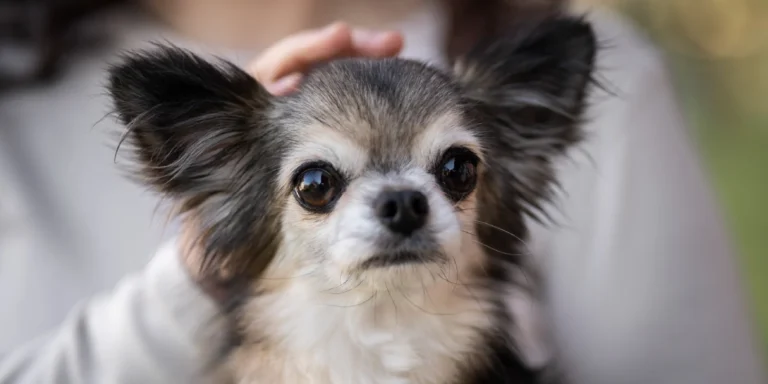
- Graying fur: especially around the muzzle, eyes and paws.
- More sleep: often 16 to 20 hours a day.
- Slower walks: shorter outings and more stops to sniff.
- Stiffness: slow to get up after rest, or reluctant to jump.
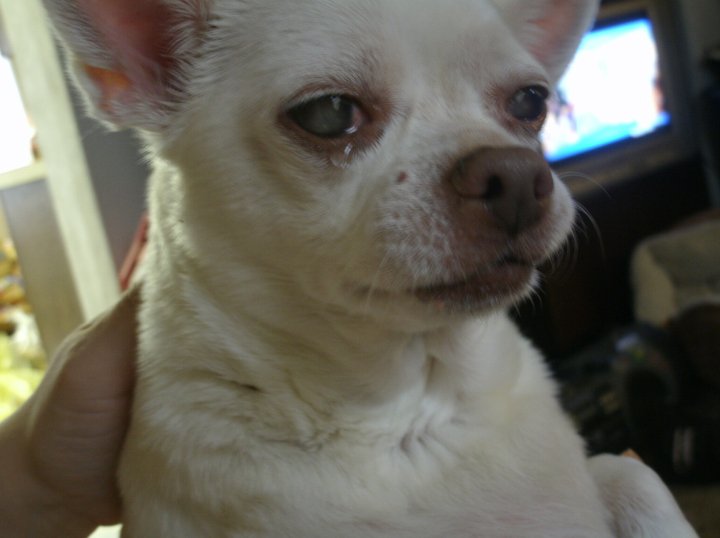
- Cloudy eyes: a bluish haze is common with age.
- Hearing loss: not responding to their name or sleeping through the doorbell.
- Dental problems: bad breath, loose teeth or dropping food.
- Weight change: gaining from less activity, or losing from illness.
- Behavior change: clinginess, grumpiness or confusion.
Keep a simple note of any changes you notice, with dates and details. It helps your vet see patterns and decide what needs checking.
Normal aging vs warning signs
Some changes are a normal part of being an old chihuahua. Others point to illness and need a vet visit soon.
| Usually normal aging | See your vet |
|---|---|
| Gray muzzle | Sudden weight loss or gain |
| Sleeping more | Drinking or urinating much more |
| Slower on walks | Limping or crying when moving |
| Mild bluish haze in eyes | Bumping into things, sudden blindness |
| Less interest in rough play | Not eating for more than a day |
| A little stiffness after naps | Coughing, fainting or breathing changes |
| Slightly pickier with food | New lumps, vomiting or diarrhea |
Many treatable problems, such as pain, dental disease, thyroid issues and heart disease, look like “just getting old”. If something changes, ask your vet before assuming it is age.
Common health problems in an old chihuahua
Some health issues become more common as chihuahuas age. Knowing them helps you act quickly.
| Condition | Signs to watch for |
|---|---|
| Heart disease (mitral valve) | Cough, tiring easily, fast breathing at rest |
| Collapsed trachea | Honking cough, worse with excitement or pulling |
| Dental disease | Bad breath, red gums, loose teeth, dropping food |
| Arthritis and patella problems | Stiffness, limping, reluctance to jump |
| Kidney disease | Thirst, more urination, weight loss |
| Cataracts and eye problems | Cloudy eyes, bumping into things |
| Diabetes | Thirst, hunger, weight loss |
| Cognitive dysfunction | Confusion, night waking, accidents |
Our guides to chihuahua health problems, collapsed trachea and eye care explain these in more detail.
Cognitive changes in older dogs
Like people, dogs can develop age-related memory and thinking problems, known as canine cognitive dysfunction. It usually appears gradually in the later senior years.
- Getting lost or stuck in corners.
- Staring at walls or into space.
- Waking and pacing at night.
- Forgetting house training.
- Seeming not to recognize familiar people.
- Changes in how they interact with family.
There is no cure, but diet, enrichment, routine and medication from your vet can help many dogs. Gentle puzzle toys and short sniffing walks keep the brain active.
Vet care for an old chihuahua
Regular vet visits are the best way to keep an old chihuahua healthy. Most vets recommend check-ups every six months for seniors, because problems can develop quickly.
- Full physical exam, including heart, joints, eyes and mouth.
- Blood tests and urine tests to check organs.
- Blood pressure checks.
- Dental assessment and cleaning when needed.
- Weight and body condition review.
- A review of any medications or supplements.
Bring your notes on changes at home, and ask about pain relief if your dog seems stiff. Our senior chihuahua care guide covers day-to-day routines in more depth.
Diet and weight for senior chihuahuas
Many older chihuahuas need fewer calories as they slow down. Even a small weight gain puts strain on joints, the heart and the windpipe of an old chihuahua.
- Ask your vet whether a senior diet suits your dog.
- Weigh food rather than guessing portions.
- Cut back on treats, or use part of the daily food as treats.
- Offer soft or soaked food if teeth are sore.
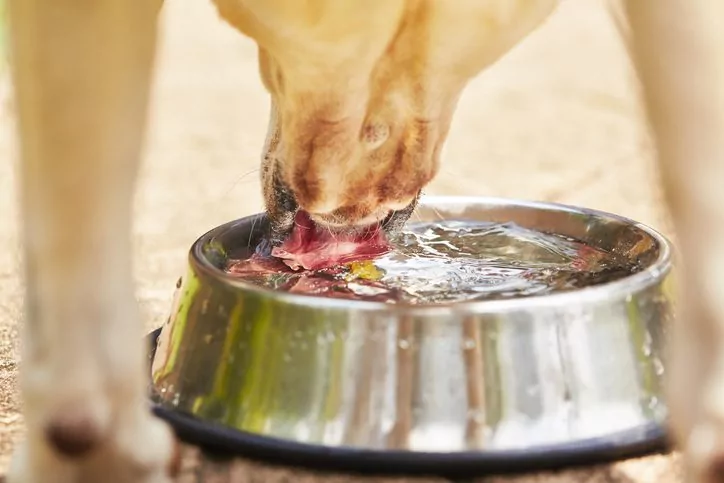
- Make sure fresh water is always available.
- Weigh your dog monthly to spot changes early.
Some older dogs lose weight instead, which can be a sign of illness or dental pain. See our guides to chihuahua weight and dental care.
Exercise and mobility
Gentle, regular activity keeps an old chihuahua strong and happy. Shorter, more frequent walks usually work better than one long outing.
- Two or three short walks a day at your dog’s pace.
- Sniffing walks, which exercise the brain as well as the body.
- Gentle indoor play with soft toys.
- Avoid jumping, stairs and slippery floors.
- Keep your dog warm on walks with a sweater or coat.
Our exercise guide includes ideas for older dogs, and keeping your chihuahua warm matters even more as they age.
Making home comfortable for an old chihuahua
A few changes at home make a big difference to an old chihuahua.
- Ramps or steps up to the sofa and bed.
- Non-slip rugs on smooth floors.
- A warm, padded or orthopedic bed away from drafts.
- Night lights for dogs with poor eyesight.
- Food and water bowls in easy reach.
- Extra potty breaks, including at night.
- Baby gates at the top of stairs.
Raised food bowls can help dogs with stiff necks, and a heated pad set on low, used with supervision, soothes achy joints on cold nights. Small changes like these add up to a much more comfortable day for an older dog.
Keep furniture in the same place for dogs with failing eyesight. Familiar routines help older dogs feel secure.
Dental care for older dogs
Chihuahuas are prone to dental disease, and it often gets worse with age. Painful teeth can make a dog eat less, act grumpy or sleep more.
Brush daily if your dog allows it, and ask your vet about professional cleanings. Modern anesthesia can be safe for many older dogs after a health check and bloodwork.
Our chihuahua dental care guide explains how to brush teeth and spot problems early.
Grooming an older dog
Grooming needs change with age. An old chihuahua may have thinner skin, a duller coat and nails that grow faster because it walks less.
- Brush gently with a soft brush, especially over bony areas.
- Trim nails more often, as long nails affect balance.
- Check skin for lumps, sores or dry patches while brushing.
- Keep baths short and dry your dog thoroughly to prevent chills.
- Clean eyes and ears regularly, as discharge can build up.
Grooming time is a good chance to check your dog over from nose to tail. Our chihuahua nail care guide explains how to trim safely.
Supplements and medications
Many owners ask about joint supplements, fish oil or calming aids for older dogs. Some can help, but quality varies and not every product suits every dog.
Always ask your vet before starting a supplement, especially if your old chihuahua already takes medication for the heart, kidneys or pain. Never give human painkillers, which can be dangerous for dogs.
Your vet may also suggest prescription pain relief for arthritis, which can transform an older dog’s comfort and mobility.
Caring for a dog with vision or hearing loss
Fading eyesight and hearing are common in the later years. Most dogs adapt well, especially when their home and routine stay the same.
- Keep furniture and bowls in the same places.
- Use scent markers or textured mats near stairs and doors.
- Touch your dog gently before picking it up so it isn’t startled.
- Use hand signals or floor taps if hearing is poor.
- Always use a leash outdoors.
Talk softly and approach from the front. Many owners find their older dogs become even more affectionate as their senses change.
Adopting an old chihuahua
Senior dogs in rescues often wait the longest for new homes, yet many have years of love left to give. Adopting an old chihuahua can be incredibly rewarding.
Older dogs are often already house trained, calmer and happy with short walks and long naps. Ask the rescue for health records and plan a vet visit soon after adoption.
Our guide for the first time chihuahua owner includes tips that work for adopted adults too.
Travel, boarding and pet sitters
Older dogs often find change harder than they used to. Trips, kennels and new places can be tiring or stressful, so plan with care.
- Choose a pet sitter who comes to your home, so your dog keeps its routine.
- If boarding is needed, look for a quiet facility with experience caring for seniors.
- Leave written notes on medications, feeding times and any health conditions.
- Pack your dog’s own bed, blanket and food.
- Keep car journeys short, with regular breaks and a warm, padded carrier.
Leave your vet’s number and an emergency contact with whoever is caring for your dog. A little extra planning keeps older dogs calm and safe while you are away.
Quality of life for an old chihuahua
As your dog ages, quality of life matters more than anything else. Many vets use simple checklists to help owners think about how an old chihuahua is really doing.
- Is your dog eating and drinking enough?
- Can it move around without obvious pain?
- Does it still enjoy favorite things, like cuddles or short walks?
- Is it able to go to the toilet comfortably?
- Are there more good days than bad days?
- Is breathing comfortable at rest?
Keep a simple calendar of good and bad days. It can help you and your vet make kind decisions when the time comes.
Saying goodbye
Every owner hopes their dog will slip away peacefully in its sleep, but that rarely happens. When pain or illness can no longer be managed, your vet can help you decide when it is time.
Many families choose to be with their dog at the end, and some vets offer home visits. Taking time to grieve is normal, and support groups and pet loss hotlines can help.
Some families find comfort in keeping a paw print, a lock of fur or a favorite collar. Others plant a tree or make a photo book to remember the years they shared.
There is no right or wrong way to feel. A long, loved life is the greatest gift you can give a dog.
From our home
At Chihuvas, our adult chihuahuas live with us as part of the family, and we see every stage of life up close. We breed from health-checked, AKC-registered parents, because a healthy start gives every dog the best chance of a long life.
We take any dog we bred back at any age if its family can no longer keep it, so no Chihuvas dog ever ends up in a shelter. Our puppies go home with a two-year genetic health guarantee and lifelong support, and we deliver nationwide by in-cabin chihuahua flight nanny.
See our available puppies, send us an inquiry or meet our family on our chihuahua breeder in Michigan page.
An old chihuahua slows down, but the love never does. The senior years are a chance to give back some of the devotion they have given you.
Chihuvas breeding teamChihuvas is an AKC-registered Chihuahua breeder based in Michigan, and we deliver our puppies nationwide across the US. Every puppy is health-checked, vaccinated for their age and socialised from birth. See our available puppies or send us an inquiry.
Common questions about old chihuahua
A healthy start for a long life.
Our puppies come from health-checked AKC parents, raised in our Michigan home, with lifelong support. We deliver nationwide.
View available puppies →