Chihuahua resource guarding — 7 proven ways to stop it safely.
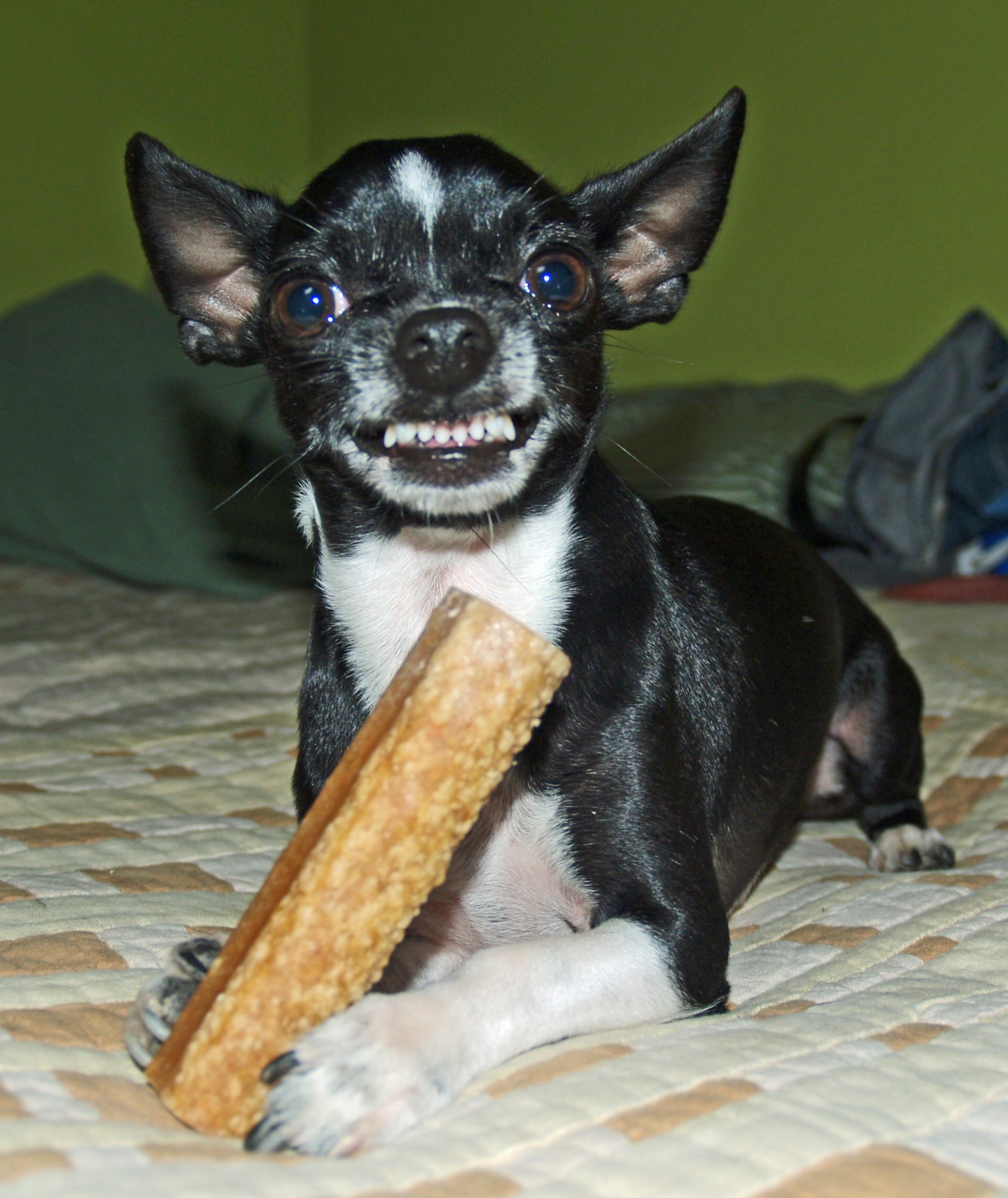
Chihuahua resource guarding can be unsettling the first time you see it. Your affectionate little dog suddenly stiffens, growls or snaps over a food bowl, a toy, the sofa or even a person. It can feel personal, but it almost never is, and with the right approach it is very manageable.
As AKC-registered Chihuahua breeders, we start gentle hand-feeding and food-handling exercises with every litter to reduce the chance of guarding developing. This guide explains why Chihuahua resource guarding happens, the warning signs, a step-by-step plan to stop it safely and how to prevent it in puppies.
The methods here follow force-free guidance such as the ASPCA advice on food guarding.
What is Chihuahua resource guarding?
Chihuahua resource guarding is when a dog protects something it values from people or other animals. The guarded item might be food, a chew, a toy, a bed, the sofa or even a favourite person.
It is not unique to the breed, but Chihuahua resource guarding is very common. A six-pound dog growling over a bone can look funny, which is exactly why the behaviour is often ignored until it gets worse.
The good news is that Chihuahua resource guarding usually responds well to calm, consistent, reward-based training. Punishment is never part of the solution.
Why Chihuahuas resource guard
At its root, Chihuahua resource guarding is a survival instinct: an animal that does not protect its food may go hungry. Several things make Chihuahua resource guarding more likely:
- Size vulnerability: everything around a Chihuahua is huge, so it may defend things earlier and more intensely
- Early competition: puppies that competed hard for food, or rescues that went without, learn that resources are scarce
- Owner reinforcement: laughing at guarding, snatching items away or avoiding the dog at mealtimes can all make it worse
- Lack of early handling: puppies who never learned that hands near the bowl mean good things miss an important lesson
- Multi-pet homes: competition with other dogs or cats can trigger guarding
- Anxiety: generally nervous dogs often guard as part of their insecurity
Chihuahua resource guarding is not about dominance or being “alpha”. It is communication: your dog is uncomfortable and asking for space around something it values.
Chihuahua resource guarding warning signs, step by step
Chihuahua resource guarding usually escalates through a clear ladder of signals. Spotting the early stages lets you step in before anyone gets bitten.
- Freezing or stiffening over the item when you approach
- Eating faster as you come closer
- Turning away or hunching to shield the item with the body
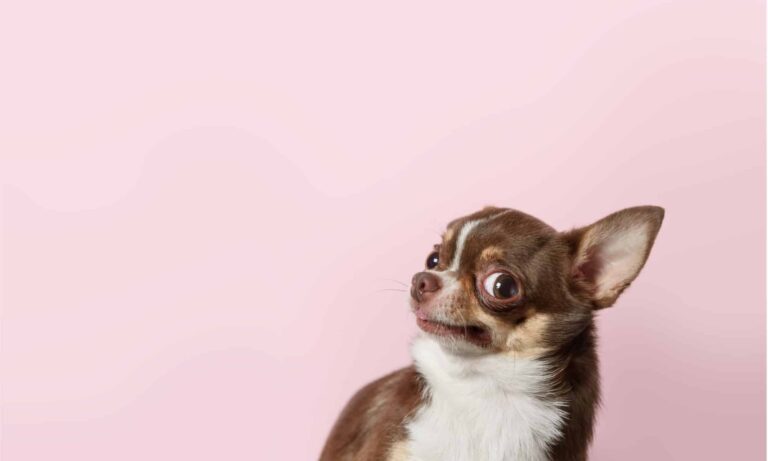
- Hard stare or whale eye, with the whites of the eyes showing
- Low growling, the first spoken warning
- Lip curling or showing teeth
- Snapping at the air near you
- Biting, once all other warnings have failed
Mild Chihuahua resource guarding, such as eating faster or a soft grumble, is common and can often be managed simply by letting the dog eat undisturbed. Growling, snapping and biting need active training.
Never punish the growl
A growl means “I am uncomfortable, please back off.” If you punish it, your dog does not stop guarding; it learns not to warn you. A dog that has been punished for growling may go straight to biting. Always treat a growl as useful information.
Guarding is not about dominance
Older training advice often described Chihuahua resource guarding as a dog trying to be “boss”. Modern behaviour science does not support this view, and methods based on it tend to make guarding worse.
A guarding Chihuahua is worried about losing something it values. When you see the behaviour as worry rather than defiance, it becomes much easier to respond with patience.
That is why the most effective approaches focus on trust. Your dog does not need to learn that you are in charge; it needs to learn that your approach is safe and usually brings something good.
Managing guarding day to day
Training changes how your dog feels about Chihuahua resource guarding triggers, but management keeps everyone safe while that happens. Good management also stops your dog from practising the guarding.
- Feed your Chihuahua in a separate room or behind a baby gate
- Pick up high-value chews when you cannot supervise
- Keep tempting items such as socks and tissues out of reach
- Use a lead indoors for a short time if your dog guards the sofa
- Ask visitors not to approach your dog while it eats or chews
Management is not giving up. It simply buys time for training to work without setbacks, and it keeps children, visitors and other pets safe in the meantime.
7 proven ways to stop Chihuahua resource guarding
1. Use the trade-up technique
Approach calmly and offer something better than what your dog has. When it lets go to take the treat, praise it and give the original item back. Your dog learns that giving things up leads to good things.
2. Hand-feed some meals
Feeding kibble piece by piece from your hand links your hands with food arriving, not food disappearing. It is one of the simplest ways to build trust around meals.
3. Never grab the item away
Snatching a bowl or toy, even with good intentions, confirms your dog’s fear that hands mean loss. Use a trade instead, even when you need something back quickly.
4. Create a calm, secure feeding space
Feed your Chihuahua somewhere quiet, away from other pets and busy foot traffic. Make sure it gets enough food, so it has less reason to feel scarcity.
5. Reward the behaviour you want
Teach and reward calm alternatives, such as stepping off the sofa when asked or dropping a toy. Reward within a second so your dog clearly understands what earned the treat.
6. Keep the whole household consistent
Everyone in the home needs to follow the same rules and methods. Mixed signals make guarding last much longer.
7. Rule out pain if guarding appears suddenly
New Chihuahua resource guarding in a previously relaxed dog can be a sign of pain, such as dental disease or a slipping kneecap. A vet check is a sensible first step.
The 5-stage counter-conditioning plan
Counter-conditioning is the core of fixing Chihuahua resource guarding. It changes how your dog feels about your approach, from “threat” to “something good is coming”. Move slowly, and go back a stage if you see any tension.
Stage 1: Walk past at a distance
While your Chihuahua eats or chews, walk past far enough away that it stays relaxed. Toss a high-value treat, such as a small piece of chicken, without stopping or reaching towards it. Repeat several times per meal for a few days.
Stage 2: Walk past closer
Gradually reduce the distance over days and weeks. Keep tossing treats as you pass, and still never reach for the bowl, toy or dog.
Stage 3: Pause nearby
Stop briefly near your dog, drop a treat and move on. Slowly build the pause from a few seconds to longer, as long as your dog stays relaxed.
Stage 4: Add to the bowl
Reach towards the bowl only to drop something better in. Over time, your dog will welcome your hand near its food.
Stage 5: Lift, upgrade and return
Only once stages 1 to 4 are fully relaxed, briefly lift the bowl, add a tasty treat and put it straight back. Your dog learns that even when food goes away, it comes back better.
You cannot force guarding out of a dog. You replace it with confidence, one calm approach and one tasty treat at a time.
Training principleGuarding people, beds and in multi-dog homes
Guarding a person
Chihuahua resource guarding can extend to people: some Chihuahuas growl or snap when others come near their favourite person. Ask visitors to toss treats as they approach, gradually getting closer, so other people near you predict good things.
Guarding the sofa or bed
Chihuahuas love warm, raised spots, and Chihuahua resource guarding of the sofa or bed is common. Teach a reliable “off” cue with a treat lure so leaving the spot is rewarding rather than a confrontation.
Multi-dog homes
Feed dogs separately, provide several of each favourite toy and only give high-value chews when you can supervise. Our guide to introducing a second Chihuahua covers multi-dog harmony.
What Chihuahuas commonly guard
| Item | Why it is valued | Quick management tip |
|---|---|---|
| Food bowl | Survival resource | Feed in a quiet spot and practise adding food |
| Chews and bones | Long-lasting, high value | Only give when you can supervise |
| Toys | Fun and comfort | Teach “drop it” with trades |
| Beds, sofa and laps | Warmth and comfort | Teach an “off” cue with treats |
| Stolen items (socks, tissues) | Novel and exciting | Trade for a treat; keep items out of reach |
| A favourite person | Security and attention | Others approaching = treats |
Stolen items deserve special mention in Chihuahua resource guarding. If your Chihuahua grabs a sock and runs, chasing it turns the item into a prize worth guarding, so calmly trade instead.
How to teach “drop it” and “leave it”
These two cues are some of the best tools against Chihuahua resource guarding. Teach them when your dog is calm, using low-value items first.
Drop it
- Let your dog hold a low-value toy
- Hold a tasty treat near its nose and say “drop it” once
- The moment the toy drops, mark with “yes” and give the treat
- Give the toy back so dropping it is never a loss
- Practise in short sessions, slowly using more valuable items
Leave it
- Hold a treat in a closed hand and let your dog sniff
- Wait until it backs off, then say “yes” and reward from the other hand
- Add the cue “leave it” once your dog reliably backs off
- Practise with treats on the floor under your foot, then uncovered
Our Chihuahua training tips guide has more on positive, short training sessions that suit the breed.
Resource guarding in rescue Chihuahuas
Chihuahua resource guarding is sometimes more intense in rescue dogs, especially if they previously went hungry or lived with competing dogs. Their behaviour made sense in their old life, so be patient while they learn that food now arrives reliably.
- Feed several small meals a day at the same times
- Give them a private, quiet feeding area
- Avoid approaching while they eat for the first few weeks
- Start counter-conditioning from a generous distance
- Celebrate small improvements rather than pushing for fast progress
Many rescue dogs relax a great deal once they feel secure, often within a few months of settling into a calm home. If guarding is severe or getting worse, a qualified behaviourist can create a tailored plan for your dog.
Signs the training is working
- Your dog looks up happily when you walk past during meals
- It eats at a normal speed instead of gulping
- Its body stays loose and relaxed when you are near
- It drops toys more readily when asked
- Growling becomes rarer and quieter
- Your dog starts bringing items to you to trade
Progress often shows first in small details, such as a softer body or a quicker glance up from the bowl. Notice and reward these moments.
Keep practising even after the Chihuahua resource guarding fades. Occasional refresher sessions help prevent the old habit returning, especially after stressful changes such as moving house or a new pet.
Resource guarding and children
Children are at the highest risk from Chihuahua resource guarding, because they often miss the early warning signs and love to reach for toys and treats. Even a small Chihuahua bite can hurt and frighten a child.
- Teach children never to touch a dog that is eating, chewing or sleeping
- Give your Chihuahua a safe space children are not allowed into
- Supervise every interaction, especially when food or toys are around
- Let children help with training only under adult guidance, such as tossing treats from a distance
Our guide to whether Chihuahuas are good with kids has more safety tips for families.
How long does it take to stop resource guarding?
Mild Chihuahua resource guarding often improves within a few weeks of consistent daily practice. More established guarding can take several months, especially in rescue dogs with a history of going hungry.
Progress is rarely a straight line. Expect good days and setbacks, keep sessions short and positive, and always go back a step if your dog shows tension.
Keep managing the situation while you train. Feeding your dog undisturbed and avoiding known triggers stops it practising the guarding while its feelings change.
What not to do
- Punishing or shouting: increases fear and escalates aggression
- Prong, choke or shock collars, alpha rolls or scruffing: frightening and can injure a tiny neck
- Repeatedly testing the dog: reaching for the bowl “to prove a point” rehearses the guarding
- Laughing at it: encourages the behaviour and stops you taking it seriously
Preventing resource guarding in puppies
Preventing Chihuahua resource guarding is far easier than correcting it. Start these habits from your puppy’s first week at home:
- Hand-feed part of some meals
- Drop extra treats into the bowl while your puppy eats
- Gently touch or lift the bowl, add something better and return it
- Trade toys for treats, then give the toy back
- Feed pets separately so there is no competition
- Never snatch anything away
Our puppies take part in positive food-handling exercises from weaning. We add food while they eat, gently handle bowls and practise toy trades, so every puppy leaves with a strong foundation against resource guarding.
See also our Chihuahua puppy care guide and Chihuahua training tips.
When to get professional help
Most mild to moderate Chihuahua resource guarding improves with the plan above. Contact a certified force-free trainer or veterinary behaviourist if:
- Your dog has bitten and broken skin
- Children live in or often visit the home
- Your dog guards at a distance or guards many types of items
- There is no improvement after four to six weeks of consistent training
- The guarding started suddenly in a previously relaxed dog
- You feel unsafe near your dog when it has something it values
Our Chihuahua biting guide has more advice if guarding has already led to bites.
Chihuvas is an AKC-registered Chihuahua breeder based in Michigan, and we deliver our puppies nationwide across the US. Every puppy is health-checked, vaccinated for their age and socialised from birth. See our available puppies or send us an inquiry.
Common questions about chihuahua resource guarding
Find a well-handled Chihuahua puppy at Chihuvas.
Our puppies experience positive food handling from weaning, building the foundation that helps prevent resource guarding. AKC-registered Michigan breeder, delivering nationwide.
View available puppies →