Chihuahua UTI: signs and treatment
Frequent little puddles, straining to pee or sudden accidents from a house-trained dog can all point to a bladder problem. A chihuahua UTI is uncomfortable and common, but it usually clears up quickly with the right treatment.
We are AKC chihuahua breeders in Traverse City, Michigan, and we watch our dogs’ toilet habits closely every day. This guide explains the signs of a chihuahua UTI, what causes it, how vets diagnose and treat it, what you can do at home and how to prevent it coming back.
The American College of Veterinary Internal Medicine publishes owner information on bladder and kidney conditions. Veterinary Partner, written by vets, has clear guides on urinary tract infections and bladder stones.
What is a chihuahua UTI?
A urinary tract infection happens when bacteria travel up the urethra and multiply in the bladder. Most infections stay in the bladder, a condition vets call bacterial cystitis.
Less often, the infection spreads up to the kidneys, which is more serious. That is why a chihuahua UTI should always be checked and treated promptly.
How common are UTIs in chihuahuas?
Urinary tract infections are one of the most common reasons dogs visit the vet. Females are affected more often than males, because their urethra is shorter and wider.
Small breeds such as chihuahuas also hold urine in tiny bladders and may avoid going out in cold or wet weather. Both can raise the risk of a chihuahua UTI.
Signs of a chihuahua UTI
- Peeing small amounts very often.
- Straining, squatting for a long time or crying while peeing.
- Accidents indoors in a house-trained dog.
- Blood in the urine, or pink, red or cloudy urine.
- A strong or unusual urine smell.
- Licking the genital area more than usual.
- Asking to go out more often, including at night.
Some dogs show only one or two signs, and a few show none at all. Any change in toilet habits is worth a call to your vet.
If your dog is straining but passing little or no urine, see a vet straight away. A blocked bladder, often caused by stones, can become life-threatening within hours, especially in males.
Signs the infection has spread
- Fever, shivering or seeming cold.
- Lethargy and hiding.
- Vomiting or loss of appetite.
- Drinking much more than usual.
- Pain when the back or belly is touched.
These signs can mean a kidney infection, which needs urgent treatment. Our chihuahua vomiting guide explains other warning signs.
Common causes of a chihuahua UTI
- Bacteria from the skin or gut entering the urethra.
- Holding urine for long periods.
- Not drinking enough water.
- Bladder stones or crystals.
- Skin folds around the vulva.
- Poor hygiene around the back end.
- Diabetes, kidney disease or hormone conditions.
- Medicines that lower immunity, such as steroids.
Often more than one factor is involved. The sections below explain the most important ones.
Holding urine too long
Regular peeing flushes bacteria out of the bladder and helps prevent a chihuahua UTI. When a dog holds urine for many hours, bacteria have more time to grow.
Long workdays, cold weather and nervous dogs who won’t go outside can all lead to holding. Our chihuahuas left alone guide explains how long a chihuahua can safely wait, and our keeping your chihuahua warm in winter guide helps with chilly toilet trips.
Not drinking enough water
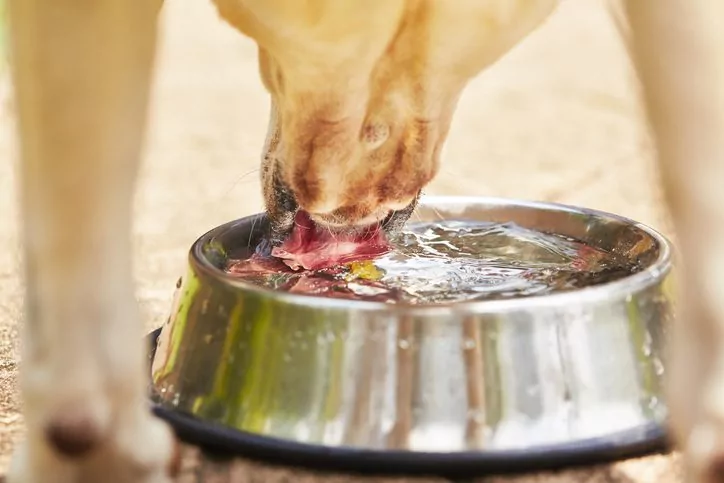
Concentrated urine raises the risk of a chihuahua UTI, irritates the bladder and makes crystals more likely. Dogs that eat only dry food and drink little are at higher risk.
Keep fresh water in several places, wash bowls daily and consider adding water or some wet food to meals. Our best food for chihuahuas guide explains wet and dry options.
Bladder stones and crystals
Stones and crystals rub the bladder lining and give bacteria a place to hide. Small breeds, including chihuahuas, are prone to calcium oxalate stones, while struvite stones often form alongside infection.
Struvite stones can sometimes be dissolved with a special diet. Calcium oxalate stones usually need to be removed, either surgically or with a less invasive procedure.
If a chihuahua UTI keeps coming back, your vet may recommend X-rays or an ultrasound to check for stones.
Skin folds and hygiene
Some females prone to a chihuahua UTI have a recessed vulva hidden in a fold of skin. Moisture and bacteria collect in the fold, making infections more likely.
Keeping the area clean and dry helps, and long-coat chihuahuas may need the fur trimmed. Extra weight deepens skin folds, so a healthy weight matters too. Our chihuahua grooming guide explains hygiene trims.
Other health conditions
Diabetes, kidney disease and Cushing’s disease all make UTIs more likely, because they change the urine or weaken the body’s defenses. Dogs with these conditions may have repeated infections without obvious signs.
If your dog drinks and pees much more than usual, mention it to your vet. Treating the underlying condition is the key to stopping a chihuahua UTI from returning.
Females, males and spaying
Female chihuahuas get UTIs more often than males because of their anatomy. A season can cause swelling and discharge, which is easy to confuse with an infection, so our chihuahua in heat guide explains what is normal.
In males, UTIs are less common but may be linked to stones or, in unneutered older dogs, the prostate. Our chihuahua spay and neuter guide covers the pros and cons of neutering.
Problems that look like a UTI
| Condition | How it differs |
|---|---|
| House-training setbacks | Normal amounts, no straining or blood |
| Marking | Small amounts on upright surfaces, often in males |
| Anxiety accidents | Linked to being left alone, visitors or noise |
| Incontinence | Leaking while resting or asleep |
| Bladder stones | Repeated signs, sometimes blood, may block the bladder |
| Diabetes or kidney disease | Large amounts of urine, heavy thirst |
Only a urine test can confirm a chihuahua UTI, so don’t guess. Our chihuahua separation anxiety guide explains stress-related accidents.
When to see a vet
- Any blood in the urine.
- Straining, crying or frequent small pees.
- New accidents in a house-trained dog.
- Fever, vomiting or lethargy.
- Straining with little or no urine, which is an emergency.
- Signs that come back after treatment.
UTIs don’t usually go away on their own, and untreated infections can spread or cause stones. A prompt visit gets your dog comfortable quickly.
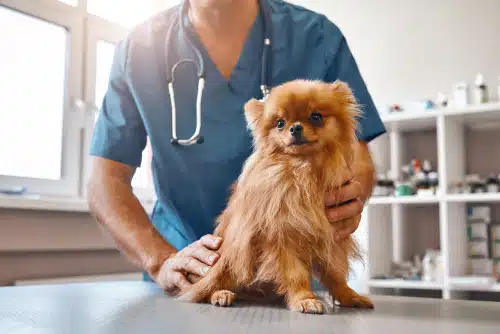
How vets diagnose a UTI
- Urinalysis: checks for blood, white blood cells, crystals and bacteria.
- Urine culture: grows the bacteria and shows which antibiotic will work.
- Sterile sample: your vet may collect urine directly from the bladder with a fine needle, which is quick and well tolerated.
- Imaging: X-rays or ultrasound look for stones or other problems.
- Blood tests: check kidney function and look for diabetes or other conditions.
A culture is especially useful for a repeat chihuahua UTI, because it makes sure the right antibiotic is used.
If your vet asks for a urine sample, collect the first pee of the morning in a clean, shallow container and bring it within an hour or two. Keep it in the fridge if there is any delay.
Treatment for a chihuahua UTI
Most bladder infections are treated with a course of antibiotics chosen by your vet, ideally based on a urine culture. Many dogs feel better within a day or two.
Always finish the full chihuahua UTI course, even if your dog seems well. Stopping early can let the infection return and make bacteria resistant to treatment.
Your vet may also prescribe pain relief to ease discomfort while the antibiotics work. If stones are found, a special diet or a procedure to remove them may be needed.
Recurring infections
If a chihuahua UTI returns soon after treatment, your vet will look for a reason. Stones, skin folds, diabetes, kidney disease and incomplete treatment are common culprits.
Repeat urine cultures, imaging and blood tests help find the cause. Fixing it usually stops the cycle of infections.
Home care during treatment
- Give every dose of medicine on time.
- Offer plenty of fresh water.
- Take your dog out to pee more often.
- Put down pee pads at night if needed.
- Keep the back end clean and dry.
- Don’t scold accidents, which aren’t your dog’s fault.
- Go back for a recheck if your vet asks.
Patience and frequent toilet breaks help your dog through a chihuahua UTI with less stress.
Cranberry and home remedies
Cranberry supplements are popular, but evidence that they prevent infections in dogs is limited. They can’t cure an active infection.
Never give cranberry juice, which is full of sugar, or any supplement without asking your vet. Apple cider vinegar and other home remedies aren’t a substitute for proper treatment either.
Preventing a chihuahua UTI
- Offer fresh water at all times, in more than one bowl.
- Give toilet breaks every four to six hours.
- Add water or wet food to meals.
- Keep the area under the tail clean and trimmed.
- Keep your dog at a healthy weight.
- Provide a covered or indoor toilet spot in bad weather.
- Book yearly checkups, with urine tests for older dogs.
These habits lower the risk of a chihuahua UTI and help catch problems early.
Toilet routines for tiny bladders
Chihuahuas have small bladders and need frequent chances to go, which lowers the risk of a chihuahua UTI. A steady routine, with trips after meals, naps and play, helps them empty fully.
Pee pads or an indoor grass patch can help on cold, wet days or in apartments. Our chihuahua potty training and chihuahua apartment living guides explain how to set this up.
Go outside with your dog rather than just opening the door. Many chihuahuas won’t pee in rain, wind or snow unless you stay with them, and a quick walk around the yard encourages a full empty.
Praise and a small treat after peeing outdoors keep the habit strong. A last trip right before bed and a first trip as soon as you wake up make a big difference for tiny bladders.
UTIs in puppies
Puppies can get UTIs too, and the signs are easily mistaken for normal house-training slips. A puppy who suddenly has many more accidents, strains or cries while peeing should see a vet.
Treating the infection often makes house training easier again. Our chihuahua puppy schedule guide shows how often young puppies need to go out.
UTIs in older dogs
Older chihuahuas are more likely to have conditions such as kidney disease and diabetes, which increase the risk of infection. Some show few signs, so routine urine tests are useful.
Leaking in sleep may be incontinence rather than a chihuahua UTI, but the two can happen together. Our old chihuahua and senior chihuahua care guides explain other checks for older dogs.
Weight and bladder health
Extra weight deepens skin folds, makes grooming harder and is linked to diabetes, all of which raise the risk of a chihuahua UTI.
Our chihuahua weight chart and overweight chihuahua guides help you keep your dog in good shape.
Diet and urinary health
For most healthy dogs, a complete, balanced food and plenty of water are all that is needed. Dogs with stones or crystals may need a prescription urinary diet that changes the urine to stop them forming.
Only use a urinary diet if your vet recommends it, and don’t mix it with other foods or treats unless told to. Our what can chihuahuas eat guide explains which human foods are safe as treats.
Recovery and follow-up
Most dogs with a simple chihuahua UTI are back to normal within a few days of starting treatment. Accidents stop, peeing becomes comfortable and the urine clears.
Your vet may ask for a repeat urine test after treatment, especially for repeat infections or stones. This confirms the chihuahua UTI has fully cleared rather than just quietened down.
If signs return within a few weeks, call your vet rather than reusing old medicine. Leftover antibiotics may be the wrong drug or dose, and a new culture gives the best chance of a cure.
Toilet breaks when travelling
Long car journeys, flights and busy days out can mean hours without a chance to pee. Plan stops every two to three hours, pack water and bring pee pads for the car or carrier.
Holding urine during travel is one of the easiest chihuahua UTI risks to avoid. A familiar pad or travel potty helps nervous dogs go in new places.
Costs and insurance
A simple chihuahua UTI is usually inexpensive to treat, but cultures, imaging and stone removal add up. Repeat infections can become costly over time.
Insuring your dog early helps with these bills. Our chihuahua pet insurance guide explains what to look for.
Myths and facts
| Myth | Fact |
|---|---|
| UTIs clear up on their own. | Most need antibiotics from a vet. |
| Cranberry juice cures UTIs. | It can’t treat an infection and is high in sugar. |
| Accidents mean bad behaviour. | Sudden accidents are often a medical problem. |
| Only females get UTIs. | Males get them too, often with stones. |
| Stopping antibiotics early is fine once signs ease. | Always finish the full course. |
Knowing the facts helps you spot and treat a chihuahua UTI early.
Related health guides
Urinary problems are one of many conditions small dogs can face. Our chihuahua health problems guide gives a full overview, and our chihuahua crate training guide helps build calm routines that support good toilet habits.
Our approach
At Chihuvas, we keep fresh water in every room, take our dogs out often and keep their coats clean and trimmed in our Traverse City, Michigan home. Every family receives a toilet routine and tips on keeping tiny bladders healthy.
Every puppy goes home with vaccinations, a microchip, a vet health certificate, AKC registration and a two-year genetic health guarantee. We deliver nationwide by in-cabin chihuahua flight nanny and stay in touch for life.
See our available puppies, send us an inquiry or meet our family on our chihuahua breeder Michigan page.
Sudden accidents are rarely bad manners. Check the bladder before you blame the dog.
Chihuvas breeding teamChihuvas is an AKC-registered Chihuahua breeder based in Michigan, and we deliver our puppies nationwide across the US. Every puppy is health-checked, vaccinated for their age and socialised from birth. See our available puppies →
Common questions about chihuahua uti
Looking for a healthy puppy?
Every puppy is vet-checked, raised in our Michigan home and delivered nationwide with a health guarantee.
View available puppies →