Chihuahua spay and neuter: timing, costs and recovery
Deciding on a chihuahua spay and neuter plan is one of the first big health choices for a new puppy owner. The right timing and good aftercare make surgery safe and recovery smooth for even the tiniest dog.
We are AKC chihuahua breeders in Traverse City, Michigan, and we talk every family through chihuahua spay and neuter timing before their puppy goes home. This guide covers the best age for small breeds, the benefits and risks, costs, surgery prep and a simple recovery plan.
For general guidance, see the AVMA guide to spaying and neutering. For breed size and background, visit the AKC chihuahua breed page.
What a chihuahua spay and neuter involves
A chihuahua spay and neuter are routine surgeries that stop a dog from being able to reproduce. Spaying is for females and neutering is for males.
| Surgery | What is removed | Also called |
|---|---|---|
| Spay (female) | Ovaries, and usually the uterus | Ovariohysterectomy or ovariectomy |
| Neuter (male) | Both testicles | Castration |
Both are done under general anesthesia. Most dogs go home the same day.
For most dogs, vets recommend a chihuahua spay and neuter around 5 to 6 months, with females ideally spayed before their first heat. Surgery prevents pregnancy and lowers the risk of several cancers and infections. Recovery takes 10 to 14 days of rest, no jumping and no licking the incision.
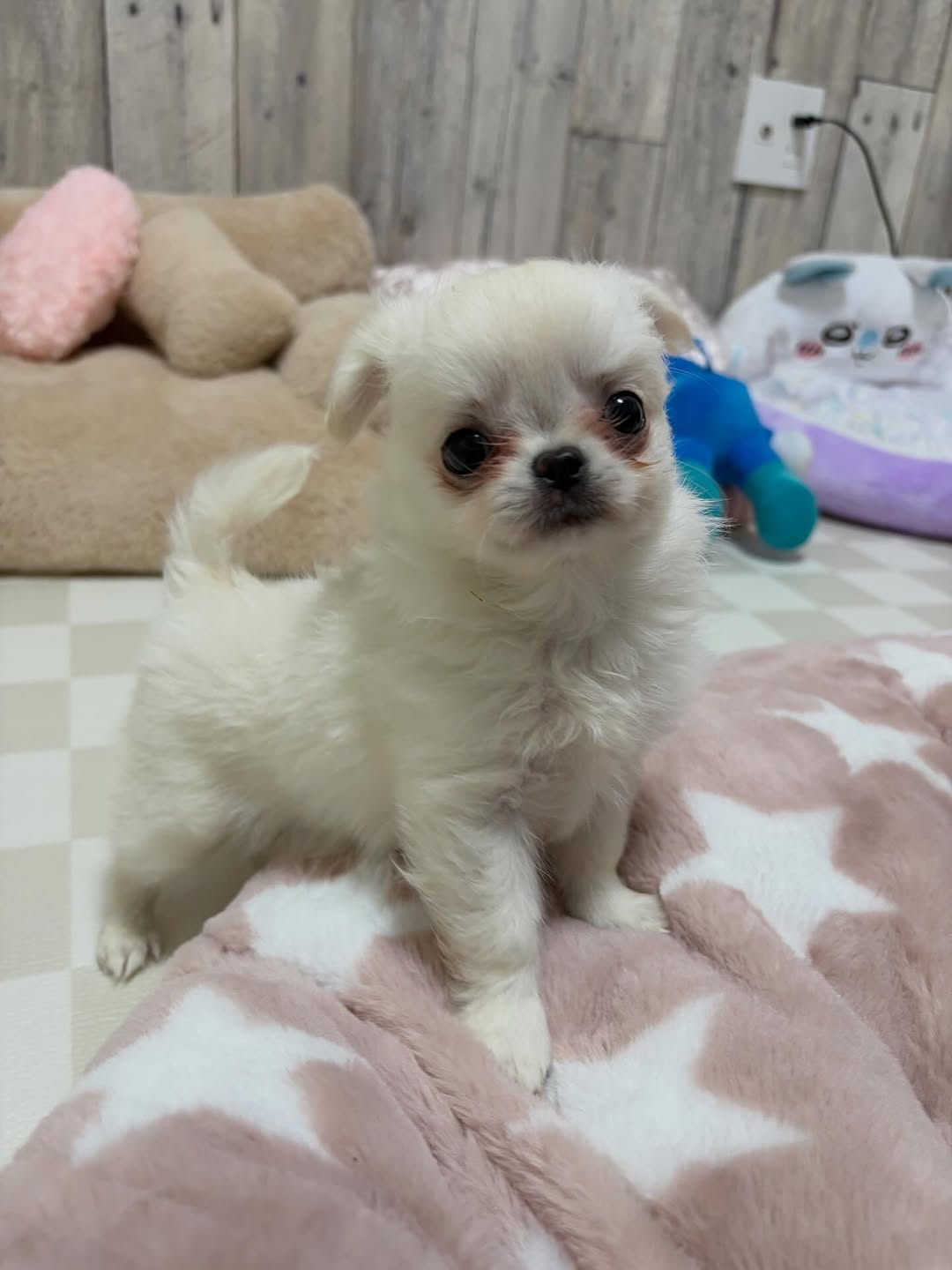
Best age for a chihuahua spay and neuter
The best age for a chihuahua spay and neuter is usually earlier than for big breeds. Joint and growth concerns linked to early surgery mainly affect large and giant dogs, not toy breeds.
| Dog | Typical recommendation |
|---|---|
| Female chihuahua | Around 5 to 6 months, before the first heat |
| Male chihuahua | Around 6 months |
| Male with a retained testicle | Around 6 months, removing both testicles |
| Adult dog | Any time once healthy; ask your vet |
Your vet will look at your puppy’s weight, health and development before choosing a date. Very tiny puppies may wait a little longer to grow.
Benefits of spaying a female
Spaying offers strong health benefits for female chihuahuas. It is one of the main reasons vets recommend a chihuahua spay and neuter plan early.
- No heat cycles, bleeding or unwanted attention from males.
- No risk of accidental pregnancy, which can be dangerous for tiny dogs.
- Prevents pyometra, a life-threatening uterine infection.
- Greatly lowers the risk of mammary tumors when done before the first heat.
- Removes the risk of ovarian and uterine cancers.
Pregnancy and birth can be risky for very small chihuahuas. Our chihuahua pregnancy guide explains why.
Benefits of neutering a male
Neutering brings health and behavior benefits for male chihuahuas.
- Removes the risk of testicular cancer.
- Lowers the risk of some prostate problems.
- Reduces leg-lifting and urine marking in many dogs.
- Reduces roaming and escape attempts to find females.
- May reduce mounting and some types of aggression.
Neutering works best for behavior when done before habits become set. Our male vs female chihuahua guide compares the sexes in more detail.
Risks of a chihuahua spay and neuter
Like any surgery, a chihuahua spay and neuter carries some risk. For most healthy dogs, the risks are low and the benefits outweigh them.
| Risk | How vets reduce it |
|---|---|
| Anesthesia reaction | Pre-surgery blood tests and careful monitoring |
| Low body temperature | Warming pads and blankets during and after surgery |
| Low blood sugar | Short fasting and glucose monitoring for tiny dogs |
| Bleeding or infection | Sterile technique and incision checks |
| Weight gain | Adjusting food portions after surgery |
| Urinary incontinence (females) | Uncommon in small breeds; treatable with medication |
Ask your vet about their approach for toy breeds. Good clinics are used to working with dogs under 5 pounds.
Small-breed considerations for chihuahua spay and neuter
Tiny dogs need a few extra precautions during a chihuahua spay and neuter. Their size affects body temperature, blood sugar and anesthesia doses.
- Ask for pre-surgery blood work to check liver and kidney function.
- Follow your vet’s fasting instructions exactly; tiny puppies often fast for a shorter time.
- Ask how they keep small dogs warm during surgery.
- Ask whether blood sugar is monitored.
- Bring a familiar blanket for the ride home.
Low blood sugar is a real risk for tiny dogs. Our chihuahua hypoglycemia guide explains the warning signs.
Retained testicles
Retained testicles, called cryptorchidism, are fairly common in toy breeds. One or both testicles don’t drop into the scrotum.
A retained testicle has a much higher risk of cancer and can twist. Vets usually recommend removing it during neuter surgery, which may involve a small belly incision and cost a little more.
Retained baby teeth
Chihuahuas often keep some baby teeth after the adult teeth come in. These can crowd the mouth and trap food.
Many vets remove retained baby teeth during spay or neuter surgery, so your dog only needs one anesthetic. Our chihuahua teeth guide explains why this matters.
Surgery options for a chihuahua spay and neuter
There are a few ways to perform a chihuahua spay and neuter. Your vet will recommend the best option for your dog.
| Option | What it is | Notes |
|---|---|---|
| Traditional spay | Removal of ovaries and uterus through a small belly incision | Most common |
| Ovariectomy | Removal of the ovaries only | Common in Europe; also used in the US |
| Laparoscopic spay | Keyhole surgery with a camera | Smaller incisions; costs more |
| Traditional neuter | Removal of both testicles through a small incision | Quick and routine |
| Hormone-sparing options | Vasectomy or ovary-sparing spay | Less common; discuss pros and cons with your vet |
Ask about pain relief, incision size and aftercare for each chihuahua spay and neuter option.
Cost of a chihuahua spay and neuter
The cost of a chihuahua spay and neuter varies by region, clinic and surgery type. These rough US ranges help you plan.
| Item | Typical range |
|---|---|
| Low-cost clinic spay or neuter | $50 to $200 |
| Private vet neuter | $200 to $500 |
| Private vet spay | $250 to $600 |
| Laparoscopic spay | $500 to $1,200 |
| Pre-surgery blood work | $60 to $150 |
| Retained testicle surgery | Additional $100 to $400 |
Our chihuahua cost guide covers first-year vet costs and pet insurance.
Preparing for surgery
A little preparation makes surgery day go smoothly.
- Book a pre-surgery checkup and blood work.
- Make sure vaccinations are up to date.
- Follow fasting instructions exactly.
- Set up a quiet recovery area with a soft bed and a playpen.
- Buy a soft cone or recovery suit sized for toy breeds.
- Plan to be home for the first day or two.
Our chihuahua vaccination schedule guide shows which shots your puppy should have by then.
Surgery day
On the day of the chihuahua spay and neuter, you will drop your dog off in the morning. The vet team will check your dog, place an IV line and give anesthesia.
- Bring your dog on a harness and leash or in a carrier.
- Share any medications or health changes.
- Leave a phone number where you can be reached.
- Ask what time to collect your dog and what to expect.
Most dogs are ready to go home in the afternoon or early evening.
Recovery after a chihuahua spay and neuter
Good aftercare is the key to a smooth chihuahua spay and neuter recovery. Most dogs feel more like themselves within two or three days.
| Day | What to expect |
|---|---|
| Day 1 | Sleepy and wobbly; offer a small meal and water in the evening |
| Days 2 to 3 | More alert; keep calm and confined |
| Days 4 to 7 | Feeling better; still no jumping or rough play |
| Days 8 to 14 | Incision healing; vet recheck if advised |
| After day 14 | Back to normal activity once your vet approves |
- Keep your dog warm and quiet.
- Give pain medication exactly as prescribed.
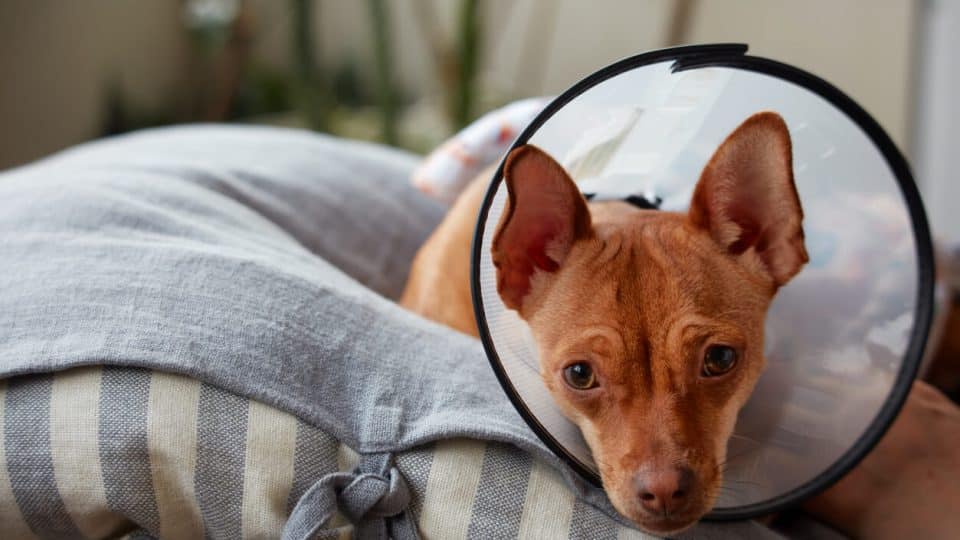
- Use a cone or recovery suit to prevent licking.
- Lift your dog on and off furniture, or block access.
- Take short, calm potty breaks on a harness and leash.
- No baths until the incision has healed.
Checking the incision
Check the incision once or twice a day. A healthy incision is clean, dry and slowly fading from pink to normal skin color.
- Mild redness and slight swelling are normal for the first few days.
- Small amounts of clear fluid can be normal on day one.
- Stitches may be under the skin or need removing at a recheck.
- Never apply creams unless your vet tells you to.
Taking a quick photo each day makes it easy to see changes during chihuahua spay and neuter recovery.
Warning signs after surgery
Call your vet if you notice any of these signs.
- Bleeding or a gaping incision.
- Heavy swelling, pus or a bad smell.
- Pale gums, weakness or collapse.
- Not eating after 24 hours.
- Vomiting or diarrhea.
- Shaking, wobbliness or sleepiness that gets worse, which could mean low blood sugar.
If your chihuahua is weak, cold or won’t wake properly after surgery, call your vet or an emergency clinic straight away.
Keeping your dog calm during recovery
The hardest part of a chihuahua spay and neuter recovery is often keeping an energetic dog quiet. A few ideas help pass the time.
- Offer a lick mat with a little of your dog’s own wet food.
- Use gentle puzzle toys that don’t need jumping or running.
- Practice calm tricks like “touch” or “look” for small treats.
- Sit together for short cuddle sessions.
- Keep visitors and other pets calm around your dog.
Ten minutes of gentle brain games tires a small dog almost as much as a walk.
Cone vs recovery suit
Stopping licking is essential after a chihuahua spay and neuter. Licking can open the incision or cause infection.
| Option | Pros | Cons |
|---|---|---|
| Soft cone | Effective; easy to fit | Can bump into things; some dogs dislike it |
| Recovery suit | Comfortable; covers the incision | Must fit well; needs removing for potty breaks for some dogs |
| Inflatable collar | Comfortable for sleeping | Small dogs may still reach the incision |
Measure your dog’s neck and chest before buying, and test it the day before surgery.
Spaying or neutering an adult dog
It is never too late for a chihuahua spay and neuter in a healthy adult. Older dogs may need extra tests before anesthesia.
- Pre-surgery blood work is especially important for older dogs.
- Your vet may check the heart before anesthesia.
- Recovery can take a little longer.
- Spaying still prevents pyometra at any age.
Our guide to caring for an old chihuahua covers health checks for seniors.
Spaying during a heat cycle
Most vets prefer not to schedule a chihuahua spay and neuter for a female during or just after a heat. Blood vessels are larger at this time, which raises the risk of bleeding.
Vets usually wait two to three months after a heat before spaying. If your puppy comes into heat before her surgery date, call your vet to reschedule.
Questions to ask your vet
Before booking a chihuahua spay and neuter, ask your vet a few questions so you know what to expect.
- What age do you recommend for my dog, and why?
- How do you keep toy breeds warm and monitor blood sugar?
- What pain relief will my dog have?
- Can you remove retained baby teeth at the same time?
- When should we come back for a recheck?
A vet who is happy to answer questions and explain their plan will help you feel confident.
Life after a chihuahua spay and neuter
After a chihuahua spay and neuter, most dogs go back to their normal, happy selves. Personality, playfulness and loyalty stay the same.
Many owners find life easier without heat cycles, marking or escape attempts. Regular checkups and a good routine keep your dog healthy for years.
Weight and diet
Metabolism can slow after surgery, so some dogs gain weight. A few pounds is a lot on a tiny dog.
- Measure food with a cup or kitchen scale.
- Reduce portions slightly if your dog starts to gain.
- Count treats as part of daily calories.
- Keep up daily walks and play.
- Weigh your dog monthly.
Our overweight chihuahua guide has a simple plan for keeping your dog lean.
Behavior changes
Spaying and neutering can reduce hormone-driven behaviors. It won’t change your dog’s core personality or replace training.
| Behavior | Likely change |
|---|---|
| Marking indoors | Often reduced, especially if done early |
| Roaming | Usually reduced |
| Mounting | Often reduced |
| Heat-related moodiness | Removed in females |
| Fear or barking | Not usually affected; needs training |
Our chihuahua training tips help with habits that surgery won’t fix.
Breeder agreements
Many breeders sell pet puppies with a spay or neuter agreement. This protects the breed and makes sure puppies go to pet homes rather than unplanned breeding.
Pet puppies are often registered with AKC limited registration. Our limited vs full registration guide explains the difference.
Myths about chihuahua spay and neuter
There are several myths about chihuahua spay and neuter surgery. Here are the facts.
| Myth | Fact |
|---|---|
| Females should have one litter first | There is no health benefit; spaying before the first heat is protective |
| Neutering changes personality | Personality stays the same; some hormone-driven habits reduce |
| Spayed dogs always get fat | Weight gain is preventable with portion control |
| Tiny dogs are too small for surgery | Vets routinely spay and neuter toy breeds safely |
| Surgery is very painful | Modern pain relief keeps dogs comfortable |
Our chihuahua health problems guide covers other conditions worth knowing about.
Our approach
At Chihuvas, we talk every family through chihuahua spay and neuter timing before their puppy leaves our Traverse City, Michigan home. Pet puppies go home with a spay and neuter agreement and AKC limited registration.
Every puppy goes home with vaccinations, a microchip, a vet health certificate, AKC registration and a two-year genetic health guarantee. We deliver nationwide by in-cabin chihuahua flight nanny and stay in touch for life.
See our available puppies, send us an inquiry or meet our family on our chihuahua breeder in Michigan page.
The right timing, a vet who knows tiny dogs and two calm weeks at home make spay and neuter surgery easy for most chihuahuas.
Chihuvas breeding teamChihuvas is an AKC-registered Chihuahua breeder based in Michigan, and we deliver our puppies nationwide across the US. Every puppy is health-checked, vaccinated for their age and socialised from birth. See our available puppies or send us an inquiry.
Common questions about chihuahua spay and neuter
Looking for a healthy puppy?
Every puppy is vet-checked, raised in our Michigan home and delivered nationwide with a two-year genetic health guarantee.
View available puppies →