
Chihuahua reverse sneezing — why it happens and when to worry.
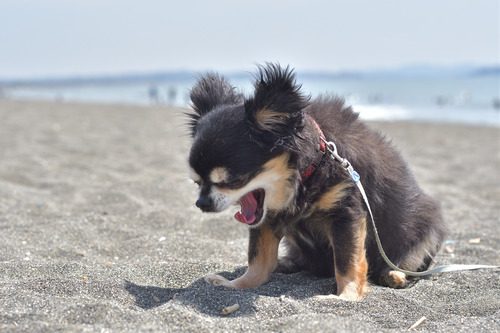
Chihuahua reverse sneezing is one of the most alarming things a new owner can witness — your tiny dog suddenly stops, extends its neck, and begins making rapid, loud snorting or honking sounds that make it look like it is choking, struggling to breathe, or having a seizure. The first time it happens, most owners panic. The reassuring truth is that chihuahua reverse sneezing is almost always completely harmless — a temporary spasm of the soft palate and throat that resolves on its own within seconds. But “almost always” is not “always,” and knowing the difference between a normal reverse sneeze and a warning sign of something more serious is knowledge every chihuahua owner needs.
This guide explains exactly what chihuahua reverse sneezing is, why chihuahuas are particularly prone to it, the 5 most common triggers, how to help your dog through an episode, and the specific warning signs that mean a vet visit is warranted. The health information here is consistent with veterinary guidance from the American Kennel Club.
Chihuahua reverse sneezing — what it actually is
Chihuahua reverse sneezing — technically called “paroxysmal respiration” — is a rapid, involuntary inhalation through the nose caused by a spasm of the soft palate and the muscles of the throat. A regular sneeze expels air forcefully outward through the nose. A reverse sneeze pulls air forcefully inward through the nose in repeated, rapid bursts. The result is a distinctive sound that has been described as honking, snorting, gagging, or sounding like the dog is trying to inhale a sneeze rather than expel one.
During a chihuahua reverse sneezing episode, the dog typically stands still with its neck extended, elbows spread apart, and head pulled slightly forward. The chest and abdomen may contract rhythmically with each inward breath. The dog’s eyes may bulge slightly and they may appear distressed — though in most cases, they are more startled than suffering. Episodes typically last 15–60 seconds and end as abruptly as they begin, after which the dog returns to completely normal behaviour as if nothing happened.
Chihuahua reverse sneezing looks far worse than it is. The dog is not choking. It is not having a seizure. It is not unable to breathe — air is moving, just in a spasmodic, noisy pattern. The episode is uncomfortable and startling but not painful or dangerous in the vast majority of cases. Once you have witnessed it a few times, you will recognise the pattern immediately and know it will pass within seconds.
Chihuahua reverse sneezing — why chihuahuas are prone to it
All dogs can reverse sneeze, but chihuahuas do it more frequently than most breeds. Several anatomical and physiological factors make chihuahua reverse sneezing particularly common:
- Small airways: Chihuahuas have the smallest airways of any breed. Their nasal passages, trachea, and throat are all proportionally narrow, meaning even minor irritation or swelling can trigger a spasm that a larger breed’s wider airway would simply ignore.
- Elongated soft palate: Many chihuahuas have a soft palate that is slightly longer than ideal relative to their skull. This elongation means the soft palate is more prone to being irritated by airflow, post-nasal drip, or physical stimulation — all common triggers for chihuahua reverse sneezing.
- Brachycephalic tendencies: While chihuahuas are not classified as a brachycephalic breed, apple-head chihuahuas have shorter muzzles than deer-head chihuahuas, and this compressed facial structure can contribute to soft palate sensitivity.
- High sensitivity to irritants: Chihuahuas are reactive dogs — alert, sensitive, and responsive to environmental stimuli. This extends to their respiratory system. Dust, pollen, perfume, smoke, and cleaning products that a larger breed would filter without reaction can trigger chihuahua reverse sneezing in seconds.
Chihuahua reverse sneezing — 5 common triggers
1. Excitement and overstimulation
The most common trigger for chihuahua reverse sneezing is excitement — greeting you at the door, anticipating a walk, playing energetically, or meeting a new person. Rapid breathing during excitement increases airflow through already-narrow passages, irritating the soft palate and triggering the spasm. If your chihuahua reverse sneezes most often during high-energy moments, excitement is almost certainly the cause.
2. Collar pressure and pulling
A collar pressing against the trachea — especially during leash pulling — is a significant trigger for chihuahua reverse sneezing. The external pressure on the throat irritates the trachea and soft palate directly. This is one of the strongest arguments for using a harness rather than a collar for chihuahuas. A well-fitted harness distributes pressure across the chest and shoulders, completely eliminating throat pressure as a trigger. If your chihuahua reverse sneezes primarily during walks, switch to a harness and the episodes will likely reduce dramatically.
3. Environmental irritants
Chihuahua reverse sneezing is frequently triggered by airborne irritants including household dust and dust mites, pollen (seasonal — worse in spring and summer), perfume, air fresheners, and scented candles, cigarette or vape smoke, cleaning product fumes, and cooking smoke or steam. If episodes cluster around specific rooms, seasons, or activities (cleaning, cooking, burning candles), an environmental irritant is the likely trigger. Reducing exposure — switching to unscented products, improving ventilation, or limiting access to freshly cleaned rooms — often reduces chihuahua reverse sneezing frequency significantly.
4. Eating or drinking too fast
Rapid eating or drinking can trigger chihuahua reverse sneezing by causing food particles or water to contact the soft palate or by creating sudden changes in airflow as the dog switches between breathing and swallowing. Slow-feeder bowls, smaller portion sizes served more frequently, and elevated water bowls can all reduce this trigger.
5. Temperature changes
Moving from a warm house to cold outdoor air — or vice versa — can trigger chihuahua reverse sneezing. The sudden temperature change causes the nasal passages to react, producing a brief spasm. This is more common in winter and is essentially the same mechanism that makes your own nose run when you step into cold air. It is completely harmless and requires no intervention beyond acknowledging that your chihuahua is more temperature-sensitive than you are.
Chihuahua reverse sneezing — how to stop an episode
Most chihuahua reverse sneezing episodes end on their own within 15–60 seconds. However, if you want to help shorten an episode, these techniques are safe and effective:
- Gently massage the throat: Use light, downward strokes on the front of the throat. This can help relax the muscles and reset the soft palate spasm. Do not apply pressure — just gentle, calming strokes.
- Briefly cover the nostrils: Placing your fingers lightly over the nostrils for 1–2 seconds encourages the dog to swallow, which resets the soft palate position and often stops the episode immediately. Release as soon as the dog swallows.
- Offer a treat or water: The act of swallowing — whether a treat, a lick of peanut butter, or a sip of water — interrupts the spasm pattern. This works because swallowing mechanically repositions the soft palate.
- Blow gently on the face: A light puff of air on the face can trigger a swallow reflex or distract the dog enough to break the spasm cycle.
- Stay calm: This is the most important technique. Chihuahuas are highly attuned to their owner’s emotions. If you panic, grab the dog, or react with alarm, your anxiety transfers to them and can prolong the episode. Speak softly, move slowly, and project calm. The chihuahua reverse sneezing will stop faster if the dog is not also absorbing your stress.
The first time you witness chihuahua reverse sneezing, you will think something is seriously wrong. By the tenth time, you will barely look up from your phone. The gap between those two reactions is experience — and this guide gives you that experience without the initial panic.
Our experienceChihuahua reverse sneezing — when to see the vet
Occasional chihuahua reverse sneezing — a few times per week or less, lasting under 60 seconds, with completely normal behaviour between episodes — is not a veterinary concern. However, certain patterns warrant professional evaluation:
Episodes happen multiple times daily — occasional is normal; frequent is not. Episodes last longer than 60 seconds — prolonged spasms may indicate a structural issue. Frequency is increasing over weeks — progressive worsening suggests an underlying cause developing. Nasal discharge accompanies episodes — clear discharge may indicate allergies; coloured or bloody discharge may indicate infection, polyps, or foreign bodies. The dog seems distressed between episodes — laboured breathing, wheezing, or coughing outside of reverse sneezing suggests a broader respiratory issue. The dog collapses, turns blue, or loses consciousness — this is an emergency, not reverse sneezing.
Conditions that mimic or complicate chihuahua reverse sneezing
- Collapsing trachea: A progressive condition common in small breeds where the tracheal rings weaken and collapse inward. Produces a honking cough that can resemble reverse sneezing but occurs during exercise, excitement, or pressure on the neck. Requires veterinary diagnosis and management.
- Nasal mites: Microscopic parasites that live in the nasal passages and cause chronic irritation. Can increase chihuahua reverse sneezing frequency significantly. Diagnosed by nasal swab and treated with antiparasitic medication.
- Nasal polyps or tumours: Growths in the nasal passages that obstruct airflow and irritate surrounding tissue. More common in older chihuahuas. Diagnosed by rhinoscopy or imaging.
- Allergies: Environmental or food allergies can cause chronic nasal irritation that increases reverse sneezing frequency. Often accompanied by other allergy signs — itchy skin, watery eyes, ear infections.
- Elongated soft palate (severe): While a mildly elongated soft palate is common in chihuahuas and causes normal reverse sneezing, a severely elongated palate can cause breathing difficulties that require surgical correction.
Chihuahua reverse sneezing — reducing frequency
You cannot eliminate chihuahua reverse sneezing entirely — it is a normal physiological response in the breed. But you can reduce how often it happens by addressing the most common triggers:
- Switch from collar to harness: Eliminates throat pressure entirely. This single change reduces chihuahua reverse sneezing frequency for many dogs.
- Reduce airborne irritants: Switch to unscented cleaning products, avoid air fresheners and scented candles in rooms where the dog spends time, vacuum regularly to reduce dust, and keep the dog away from cigarette or vape smoke.
- Use a slow-feeder bowl: Prevents rapid eating that triggers throat irritation.
- Manage excitement transitions: If greetings trigger episodes, keep arrivals low-key. Wait until the dog calms before engaging — this reduces the respiratory rate spike that triggers the spasm.
- Monitor seasonal patterns: If chihuahua reverse sneezing increases in spring and summer, pollen may be the trigger. An air purifier in the dog’s main living space and wiping paws after outdoor walks can help.
- Keep the dog warm: Cold air triggers reverse sneezing. In winter, a dog coat for outdoor walks and maintaining warm indoor temperatures reduces cold-air-triggered episodes.
If you are concerned about your chihuahua’s reverse sneezing, record a video on your phone during the next episode. A 30-second video is worth a thousand words at the vet’s office. Your vet can distinguish between a normal reverse sneeze, a tracheal cough, and other respiratory sounds far more accurately from a video than from your verbal description. This one step makes any vet visit about chihuahua reverse sneezing dramatically more productive.
Chihuahua reverse sneezing is one of those breed quirks that terrifies you the first time and becomes background noise by the twentieth. Knowing what it is, why it happens, and when it matters transforms a moment of panic into a moment of calm reassurance — for you and for your dog.
The Chihuvas teamFor more health guides tailored to chihuahuas, browse our blog. If you are looking for a healthy, well-bred chihuahua puppy from health-tested parents, view our available puppies or get in touch with our team.
Common questions about chihuahua reverse sneezing
Healthy puppies from health-tested parents.
Every Chihuvas puppy comes from parents screened for the conditions that affect chihuahua health. AKC-registered, socialised from birth, and backed by a lifetime of breeder support.
View available puppies →