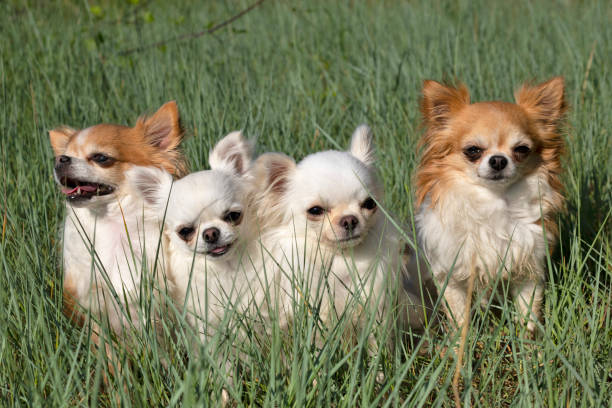
Chihuahua teeth: how many, baby teeth and retained teeth
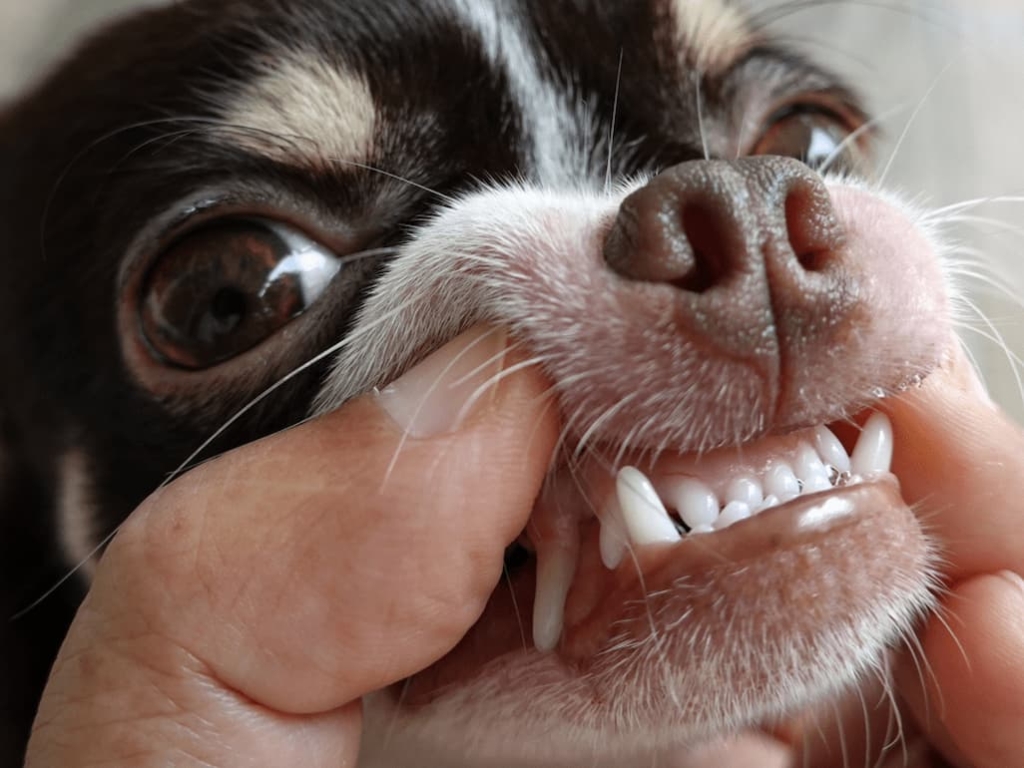
Chihuahua teeth need more care than most dogs’ teeth. Their tiny mouths hold the same number of adult teeth as a large dog, which means crowding, trapped food and a high risk of dental disease if teeth aren’t looked after.
We are AKC chihuahua breeders in Michigan, and dental care starts in our home from the very first weeks. This guide explains how many chihuahua teeth there are, when puppies lose their baby teeth, retained and missing teeth, bite types, common problems and how to keep your dog’s mouth healthy for life.
This guide is general information, not a substitute for your vet. The American Veterinary Dental College has more on dog dental health, and the AKC chihuahua page covers the breed standard.
How many chihuahua teeth are there?
An adult chihuahua should have 42 permanent teeth, exactly the same number as a Great Dane. Puppies start with 28 baby teeth, which are replaced by the adult set during the first months of life.
Fitting 42 chihuahua teeth into such a small jaw is a squeeze. That crowding is one of the main reasons chihuahuas are so prone to dental problems.
Many chihuahuas don’t have the full set. Some are born missing a few teeth, and others lose teeth later to gum disease.
Adult chihuahua teeth number 42, and puppies have 28 baby teeth. Baby teeth fall out from about three to four months, with the adult set complete by six to seven months. Retained baby teeth and crowding are common, so daily brushing and regular vet checks are essential.
Types of chihuahua teeth
Like all dogs, chihuahua teeth come in four types, each with its own job.
| Tooth type | Puppy | Adult | Job |
|---|---|---|---|
| Incisors | 12 | 12 | Small front teeth for nibbling and grooming |
| Canines | 4 | 4 | Long pointed teeth for gripping |
| Premolars | 12 | 16 | Side teeth for shearing and chewing |
| Molars | 0 | 10 | Back teeth for grinding |
| Total | 28 | 42 |
Puppies have no molars at all. These come in only with the adult teeth, which is why the adult set is so much larger.
Chihuahua puppy teeth timeline
Puppy chihuahua teeth follow a fairly predictable timeline, though very small chihuahuas can be a little slower.
| Age | What happens |
|---|---|
| 2 to 4 weeks | Baby incisors start coming through |
| 3 to 6 weeks | Baby canines and premolars appear |
| 6 to 8 weeks | Full set of 28 baby teeth |
| 3 to 4 months | Baby incisors start falling out, adult incisors appear |
| 4 to 6 months | Adult canines, premolars and molars come through |
| 6 to 7 months | Adult set usually complete |
You may find tiny baby teeth on the floor or in toys, but many are simply swallowed, which is harmless. Check your puppy’s mouth each week during this stage.
Teething in chihuahua puppies
Teething usually runs from around three to six or seven months. Puppies chew more, may have sore gums and sometimes eat a little less for a day or two.
- Offer soft rubber teething toys sized for toy breeds.
- Freeze a damp washcloth for a cool chew, with supervision.
- Give a frozen XS puppy Kong with a little wet food.
- Redirect chewing away from hands and furniture.
- Avoid hard chews that could damage new teeth.
Our chihuahua teething guide covers this stage in detail, and our best toys guide lists safe options.
Retained baby chihuahua teeth
Retained baby teeth are one of the most common dental issues in chihuahuas. Sometimes the baby tooth doesn’t fall out when the adult tooth comes through, leaving two teeth crowded into one space.
The canines are most often affected. You may see a thin baby fang sitting right next to the thicker adult fang.
- Crowding: pushes adult teeth out of position.
- Bite problems: adult teeth may grow at the wrong angle.
- Trapped food: food and plaque collect between the two teeth.
- Early gum disease: starts at a young age.
If a baby tooth is still in place once the adult tooth has fully erupted, your vet will usually recommend removing it. This is often done at the same time as spay or neuter surgery to avoid a second anesthetic.
Missing chihuahua teeth
It is common for some chihuahua teeth never to develop. Premolars are the teeth most often missing.
Missing teeth don’t usually cause problems on their own. However, a tooth that seems missing may actually be stuck below the gum, which can lead to a cyst, so your vet may suggest dental X-rays to check.
Older dogs may also lose teeth to gum disease. Our chihuahua dental care guide explains how to prevent this.
Chihuahua bite types
The way the top and bottom teeth meet is called the bite. The breed standard calls for a level or scissors bite.
| Bite type | What it means |
|---|---|
| Scissors | Top incisors sit just in front of the bottom incisors; ideal |
| Level | Top and bottom incisors meet edge to edge; acceptable |
| Overshot | Top jaw sits well ahead of the bottom jaw |
| Undershot | Bottom jaw sits ahead of the top jaw |
| Wry mouth | Jaw is twisted, so one side doesn’t line up |
Most bite issues are cosmetic, but some cause teeth to hit the gums or palate. Your vet can tell you whether treatment is needed. Our AKC breed standard guide explains the show requirements.
Common problems with chihuahua teeth
Because of crowding and small mouths, chihuahua teeth are prone to several problems.
| Problem | What happens |
|---|---|
| Plaque and tartar | A sticky film hardens into brown tartar on the teeth |
| Gingivitis | Red, swollen gums that may bleed |
| Periodontal disease | Infection damages the gums and bone holding teeth in place |
| Tooth root abscess | A painful infection at the root, sometimes with face swelling |
| Broken teeth | Usually from hard chews or accidents |
| Tooth loss | Teeth loosen and fall out as gum disease advances |
Gum disease often starts by two or three years old in small breeds. It is painful and can affect overall health, so prevention matters.
Signs of dental pain
Dogs hide dental pain well, so problems with chihuahua teeth are easy to miss. Watch for these signs.
- Bad breath.
- Red, swollen or bleeding gums.
- Brown tartar on the teeth.
- Dropping food or chewing on one side.
- Pawing at the mouth.
- Drooling, sometimes with blood.
- Eating less or preferring soft food.
- Swelling under the eye.
If you notice any of these, book a vet check. Dental pain is a common hidden reason for weight loss, as our underweight chihuahua guide explains.
Daily home care for chihuahua teeth
Daily brushing is the single best thing you can do for chihuahua teeth. It removes plaque before it hardens into tartar.
- Use a small, soft dog toothbrush or a finger brush.
- Use dog toothpaste only, never human toothpaste.
- Start slowly, letting your dog lick the paste first.
- Brush the outer surfaces, where tartar builds up most.
- Aim for once a day, even if only for 30 seconds.
- Reward with praise and a little play afterwards.
Human toothpaste can contain xylitol and other ingredients that are toxic to dogs. Always use a toothpaste made for dogs.
Safe chews and toys
The right chews can help keep chihuahua teeth cleaner, but the wrong ones can break them, so choose carefully and always supervise.
- Choose dental chews sized for toy breeds.
- Pick soft rubber toys that bend under pressure.
- Avoid antlers, hooves, hard nylon bones and real bones.
- Supervise chewing, especially with new products.
- Remember that chews help but don’t replace brushing.
A simple rule is that if you can’t make a dent in it with your fingernail, it is too hard for a chihuahua’s teeth.
Vet care for chihuahua teeth
Regular vet checks help catch problems early. Your vet will look at the chihuahua teeth and gums at every visit.
- Dental check at every routine visit.
- Professional cleaning under anesthesia when tartar builds up.
- Dental X-rays to check roots and hidden teeth.
- Removal of retained baby teeth or badly damaged teeth.
- Advice on home care and dental products.
A proper cleaning needs anesthesia, so the vet can clean below the gumline and take X-rays. Anesthesia-free cleaning only scrapes the visible surface and misses the hidden disease.
Teaching your dog to accept brushing
Most chihuahuas don’t love brushing at first. A slow, step-by-step approach makes caring for chihuahua teeth much easier.
| Week | Step |
|---|---|
| Week 1 | Touch the lips and gently lift them; reward with praise |
| Week 2 | Let your dog lick dog toothpaste from your finger |
| Week 3 | Rub a finger with toothpaste along the outer teeth |
| Week 4 | Introduce a finger brush or soft toothbrush for a few seconds |
| Week 5 onward | Brush the outer surfaces for 30 seconds daily |
Keep sessions short and calm, and stop before your dog gets fed up. Brushing at the same time each day, such as after the evening walk, helps it become routine.
A weekly check of chihuahua teeth
A quick weekly look at chihuahua teeth helps you catch problems early, especially during teething.
- Lift the lips and look for tartar, redness or bleeding.
- Check for baby teeth sitting next to adult teeth.
- Look for broken or discolored teeth.
- Smell the breath for any sudden change.
- Check the gums are pink, not pale or very red.
- Note anything unusual to mention to your vet.
What happens at a professional cleaning
A professional cleaning removes tartar from above and below the gumline, where brushing can’t reach. It is the best way to reset the health of chihuahua teeth once tartar has built up.
- A health check and often bloodwork to plan safe anesthesia.
- General anesthesia with careful monitoring.
- Scaling to remove tartar above and below the gums.
- Dental X-rays to check roots and hidden teeth.
- Removal of any badly damaged or loose teeth.
- Polishing to smooth the tooth surface.
Ask for a written estimate before the procedure, and ask the vet to call you if they find teeth that need removing. That way there are no surprises, and you can decide together on the best plan for your dog.
Most dogs go home the same day. Your vet will give aftercare advice and may suggest soft food for a few days if teeth were removed.
Diet and dental health
Food plays a smaller part than brushing, but it still matters for chihuahua teeth. Some vet dental diets have a kibble texture designed to scrub the teeth as the dog chews.
Sticky treats and table scraps cling to teeth and feed plaque bacteria. Small, dry treats and dental chews sized for toy breeds are better choices.
Cost of dental care
Dental costs vary widely by region and by how much work is needed. A routine cleaning costs much less than a cleaning with several extractions and X-rays.
Regular home care is the best way to keep costs down. Some pet insurance plans cover dental illness, so check the details. Our chihuahua cost guide includes dental care in a typical yearly budget.
Teeth, genetics and breeding
Some dental traits run in families, including crowding, missing teeth and bite problems. Responsible breeders look at chihuahua teeth and bites when choosing which dogs to breed.
Very small, “teacup” chihuahuas often have even more crowded mouths, which raises the risk of retained and misaligned teeth. Breeding for extreme size makes dental problems more likely.
When you choose a puppy, ask the breeder about the parents’ teeth and bites. Our guides on how to choose a chihuahua breeder and teacup chihuahuas explain why this matters for chihuahua teeth.
Getting the whole family involved
Looking after chihuahua teeth is easier when everyone helps. Older children can learn to check the gums gently or hand over the dental chew after brushing.
Agree on who brushes each day and keep the toothbrush and toothpaste in one place. A shared routine means brushing doesn’t get forgotten on busy days.
Teeth in older chihuahuas
Dental problems tend to build up with age. Many older chihuahuas need a few teeth removed, and some lose most of their teeth over time.
Your vet will check the heart and organs before any dental work in an older dog. Modern anesthesia and monitoring make cleanings much safer than many owners expect.
Our old chihuahua guide covers senior care, including diet for dogs with fewer teeth.
Living with missing teeth
Dogs cope remarkably well without teeth. Many eat normally once painful teeth are removed, and often seem happier and more playful.
- Offer softened or wet food if chewing is difficult.
- Choose small kibble or soak it in warm water.
- Watch that the tongue stays moist if it hangs out.
- Keep brushing the remaining teeth and gums.
Some toothless dogs have a tongue that pokes out a little. It is usually harmless and quite endearing, though the tongue should stay moist and pink.
Myths about chihuahua teeth
| Myth | The truth |
|---|---|
| Bad breath is normal | It usually means dental disease |
| Dry food cleans teeth | It helps a little but doesn’t replace brushing |
| Hard chews are best for teeth | They can break small teeth |
| Baby teeth always fall out alone | Retained teeth are common in toy breeds |
| Older dogs are too old for dental care | Treating painful teeth helps dogs of any age |
Understanding the facts helps you keep chihuahua teeth healthy from puppyhood to old age.
How we care for puppy teeth
At Chihuvas, our puppies are handled gently every day, including their mouths, so tooth checks and brushing feel normal from the start. Our vet checks every puppy’s mouth and bite before go-home.
Every puppy goes home with vaccinations, a microchip, a vet health certificate, AKC registration and a two-year genetic health guarantee. We deliver nationwide by in-cabin chihuahua flight nanny.
See our available puppies, send us an inquiry or meet our family on our chihuahua breeder in Michigan page.
Thirty seconds of brushing a day saves a chihuahua years of sore teeth. It is the easiest health habit you will ever build.
Chihuvas breeding teamChihuvas is an AKC-registered Chihuahua breeder based in Michigan, and we deliver our puppies nationwide across the US. Every puppy is health-checked, vaccinated for their age and socialised from birth. See our available puppies or send us an inquiry.
Common questions about chihuahua teeth
Puppies with a healthy start.
Our vet checks every puppy’s mouth and bite before go-home, and we handle mouths daily from the start. We deliver nationwide.
View available puppies →