
Why does my Chihuahua shake? 7 proven reasons and what to do.
Why does my Chihuahua shake? It is one of the most common questions new Chihuahua owners ask — and the answer is almost always reassuring. Chihuahuas shake more visibly than virtually any other breed, and for most of them, most of the time, that shaking is completely normal. Their small body mass, minimal fat reserves, thin coat, and exceptionally high metabolic rate make them naturally prone to visible trembling in response to cold, excitement, anxiety, and energy processing. But shaking can occasionally signal something that needs attention — and knowing the difference between normal and concerning Chihuahua shaking is what this guide is for.
As AKC-registered Chihuahua breeders at Chihuvas, we field questions about why Chihuahuas shake regularly. This guide covers the seven most common reasons, what to do about each, and the specific warning signs that mean a vet visit is needed. Guidance draws on the AKC guide to dog shivering and the PDSA guidance on shaking and trembling in dogs.
Is it normal for Chihuahuas to shake?
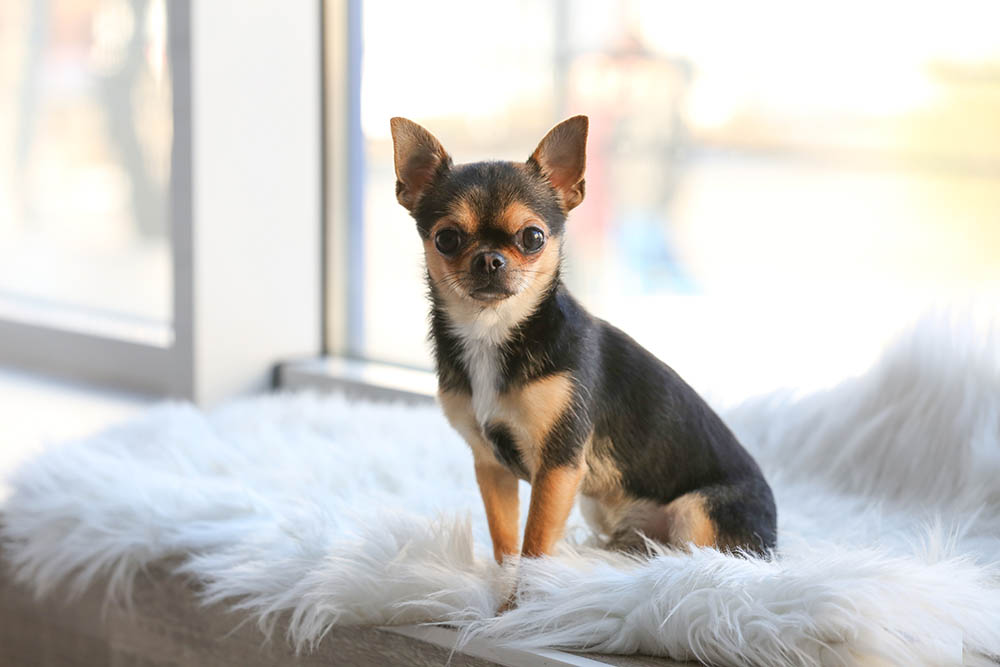
Yes — shaking is extremely common in Chihuahuas, and most of it is entirely normal. Updated guidance published in February 2026 by Hero Pet Health confirms that Chihuahuas have one of the highest metabolic rates among all dog breeds, making natural trembling responses to cold, excitement, and energy processing a characteristic feature of the breed rather than a health problem. Most owners asking why does my Chihuahua shake will find the answer in one of the first four reasons below — all of which are benign.
The key distinction is between shaking that has an obvious, contextual cause — your Chihuahua is cold, excited, or mildly anxious — and shaking that is sudden, severe, persistent, or accompanied by other symptoms. The first type is normal. The second type needs investigation. This guide covers both.
7 proven reasons your Chihuahua shakes
1. Cold — the most common reason
Cold is the single most common answer to why does my Chihuahua shake. Chihuahuas have minimal body fat reserves and a thin coat — the two primary physical insulation mechanisms against cold. Their small body mass loses heat rapidly, and even temperatures that feel comfortable to humans can feel chilly at floor level where a Chihuahua lives. Shivering is a thermogenic response — the muscles generate heat through rapid small contractions. A Chihuahua shaking when cold is doing exactly what their body is designed to do.
What to do: a dog coat or jumper for walks in cool weather, a warm, draught-free sleeping spot, and raising the ambient temperature in your home if the dog shivers indoors. Most cold-related shaking resolves within minutes of warming.
2. Excitement and anticipation
Why does my Chihuahua shake when I get the lead out? When it is mealtime? When visitors arrive? Excitement shaking is one of the most commonly observed and most harmless reasons for Chihuahua trembling. The high metabolic rate and nervous energy that characterise the breed produce physical trembling when arousal rises — essentially excess energy expressing itself through the muscles. Excitement shaking is typically accompanied by positive body language: bright eyes, high tail, eager movement, and vocalisation.
What to do: nothing — excitement shaking is harmless and resolves once the dog settles. If it is excessive or prolonged, practising calm behaviour around known triggers using positive reinforcement can reduce its intensity over time.
3. Anxiety and fear
Anxiety is another very common answer to why does my Chihuahua shake — particularly in dogs with insufficient socialisation, a history of negative experiences, or a naturally sensitive temperament. Fear-based shaking typically occurs in response to specific stimuli: strangers, loud noises, unfamiliar environments, veterinary visits, or car travel. Unlike excitement shaking, anxiety shaking is accompanied by fearful body language: tucked tail, flattened ears, wide eyes, and attempts to hide or escape.
What to do: identify and reduce the trigger where possible, provide a safe retreat, use calm reassurance, and address the underlying anxiety through positive counter-conditioning. See our Chihuahua anxiety guide for the full approach.
4. High metabolic rate
Chihuahuas have one of the highest metabolic rates of any dog breed. This means their bodies burn energy rapidly and are always running at a high level of physiological activity. This inherently elevated metabolic activity can manifest as low-grade trembling even in the absence of any external trigger — particularly after meals, during active energy processing, or at rest after exercise. This is a normal physiological feature of the breed rather than a sign of illness.
What to do: ensure regular small meals to keep blood sugar stable, maintain consistent exercise, and provide warmth. Metabolic trembling typically has no specific treatment because it is not a problem — it is normal Chihuahua physiology.
5. Hypoglycaemia — low blood sugar
Hypoglycaemia is the most medically significant answer to why does my Chihuahua shake and the one that requires the most urgent response. Chihuahuas — particularly puppies and very small adults — have limited glycogen stores and can experience dangerous drops in blood glucose if meals are missed, spaced too far apart, or following excessive exercise. Hypoglycaemia-related shaking is typically more severe and sudden than cold or anxiety shaking, and is accompanied by other symptoms: weakness, wobbly gait, glassy or vacant eyes, extreme lethargy, and in serious cases, collapse or seizure.
What to do: if hypoglycaemia is suspected, rub a small amount of honey, corn syrup, or sugar water on the gums immediately and seek veterinary attention. Do not wait to see if it improves — hypoglycaemia in a small dog can be rapidly fatal without treatment. Prevent future episodes by feeding small, frequent meals every 4 to 6 hours and never skipping meals.
6. Pain
Pain is an underappreciated reason why Chihuahuas shake — particularly when shaking begins suddenly in a dog that does not normally tremble. Chihuahuas are prone to patellar luxation (slipping kneecap), dental disease, intervertebral disc issues, and ear infections — all of which can cause sufficient discomfort to produce generalised trembling. Pain-related shaking is often localised — the dog may also flinch when touched in a specific area, be reluctant to move, have a hunched posture, or be generally quieter and less active than usual.
What to do: if pain is suspected as the cause of shaking, particularly in a dog that does not normally shake, seek veterinary assessment promptly. Never give human pain medication to a Chihuahua — many common human analgesics including ibuprofen and paracetamol are toxic to dogs.
7. Neurological conditions
The least common but most serious reason why Chihuahuas shake is a neurological condition. Chihuahuas are predisposed to hydrocephalus (excess fluid on the brain) due to their apple dome skull shape, and older dogs can develop idiopathic head tremors — episodes of involuntary rhythmic head shaking or bobbing that are typically brief and do not indicate pain or consciousness alteration. Other neurological causes include epilepsy, brain tumours, and poisoning. Neurological shaking is typically rhythmic, persistent, and not responsive to warming, feeding, or calming.
What to do: any episode of rhythmic, uncontrolled, persistent shaking that the dog cannot stop — particularly if the dog appears unaware of their surroundings — requires immediate veterinary attention. Film the episode on your phone if possible, as this significantly aids diagnosis.
Normal shaking vs warning signs
| Normal shaking | Warning sign — see vet |
|---|---|
| Resolves quickly with warmth, food, or calming | Persistent shaking that does not resolve |
| Clearly triggered by cold, excitement, or anxiety | Sudden onset with no obvious cause |
| Dog is alert, bright-eyed, and responsive | Glazed eyes, weakness, or disorientation |
| Normal eating, drinking, and activity | Reduced appetite, thirst changes, or lethargy |
| Familiar, recognisable pattern | New or changed shaking behaviour |
| Responds to owner reassurance | Rhythmic, uncontrolled — dog cannot stop it |
Hypoglycaemia — the most important cause to know
Of all the answers to why does my Chihuahua shake, hypoglycaemia is the one every owner must understand thoroughly. Low blood sugar can progress from mild trembling to seizure and death in a very small dog within a short time if not addressed. Chihuahua puppies are at highest risk — their tiny livers store minimal glycogen and they depend on very frequent feeding to maintain safe blood glucose levels. Adult toy Chihuahuas under 3 pounds remain at elevated risk throughout their lives.
The prevention is simple: feed small, frequent meals (three to four times daily for puppies, twice daily for adults), never allow more than 6 to 8 hours between meals, always have a fast-acting glucose source available (honey, corn syrup, or glucose gel), and ensure any household where the dog stays is aware of the feeding schedule. See our Chihuahua health problems guide for more on managing hypoglycaemia and other breed-specific conditions.
What to do when your Chihuahua shakes
The appropriate response to your Chihuahua shaking depends entirely on the cause:
- Cold shaking: warm them up immediately — a dog coat, a warm blanket, or moving to a warmer room. Monitor that shaking resolves within a few minutes
- Excitement shaking: allow it to pass naturally. Encourage calm behaviour with low-key interaction rather than matching their excitement
- Anxiety shaking: provide calm reassurance, remove from the trigger if possible, and address the underlying anxiety. See our Chihuahua anxiety guide
- Suspected hypoglycaemia: rub honey or corn syrup on the gums and call the vet immediately
- Pain-related shaking: veterinary assessment — never self-medicate with human pain relief
- Unexplained or severe shaking: always seek veterinary advice
When to call the vet about Chihuahua shaking
Contact your vet if your Chihuahua’s shaking is: sudden and severe with no obvious cause, accompanied by glazed eyes, weakness, or difficulty walking, rhythmic and uncontrolled, not resolving within a few minutes of warmth or calming, occurring alongside reduced appetite, vomiting, or lethargy, or is a new behaviour in a dog that did not previously shake. These signs suggest a medical cause that requires professional diagnosis. Early intervention always produces better outcomes. Browse our available puppies or get in touch with our team for any questions about your Chihuahua’s health.
Common questions — why does my Chihuahua shake?
Find a healthy, well-bred Chihuahua at Chihuvas.
Our AKC-registered puppies are health-screened, well-nourished, and monitored from birth — giving them the best start for a long, healthy life. Michigan’s most trusted Chihuahua breeder.
View available puppies →