Teacup Chihuahua — 7 important truths every buyer must know.
The teacup Chihuahua is one of the most searched terms in the dog world — and one of the most misunderstood. As AKC-registered Chihuahua breeders at Chihuvas, we are asked about teacup Chihuahuas regularly. Our answer is always honest: the term does not describe a recognised breed, size category, or breeding standard. It is a marketing label for undersized dogs produced by prioritising extreme smallness over health — and the consequences for the dogs involved are serious. This guide gives you the complete truth about teacup Chihuahuas so you can make an informed decision before you buy.
The AKC Chihuahua breed standard and the Chihuahua Club of America — which has formally condemned the teacup term — are the authoritative sources on what a responsibly bred Chihuahua looks like. Everything in this guide reflects those standards and the veterinary consensus on the health implications of extreme miniaturisation.
Truth 1: Teacup Chihuahua is not a recognised category
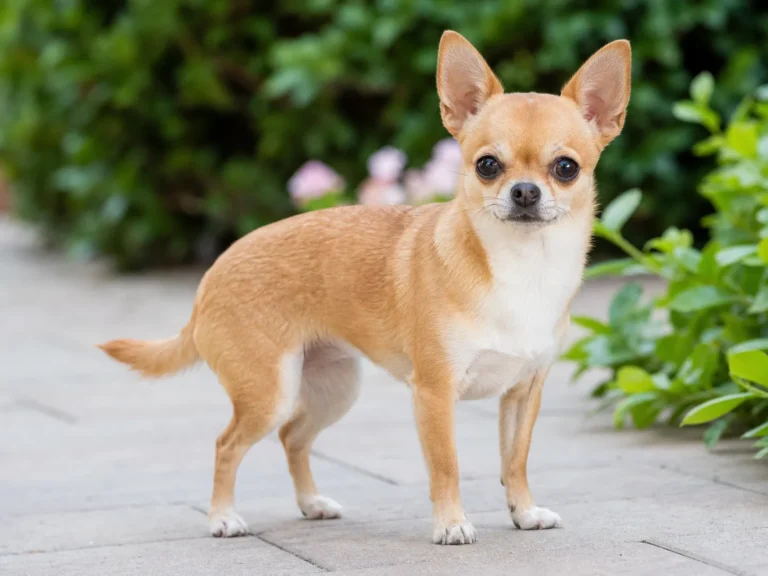
The most important truth about the teacup Chihuahua is that it does not exist as a recognised category. No major kennel club — not the American Kennel Club, not The Kennel Club in the UK, not the Fédération Cynologique Internationale — recognises the teacup Chihuahua as a distinct size, variety, or classification. There is one Chihuahua breed, in two coat varieties (smooth and long coat), with a maximum weight of 6 pounds under the AKC standard.
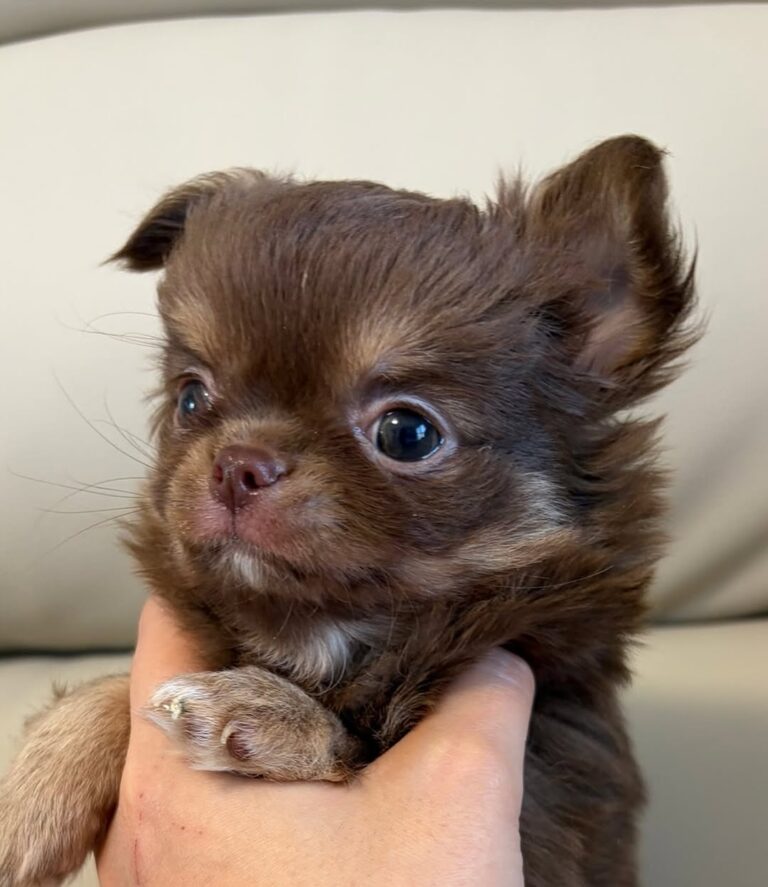
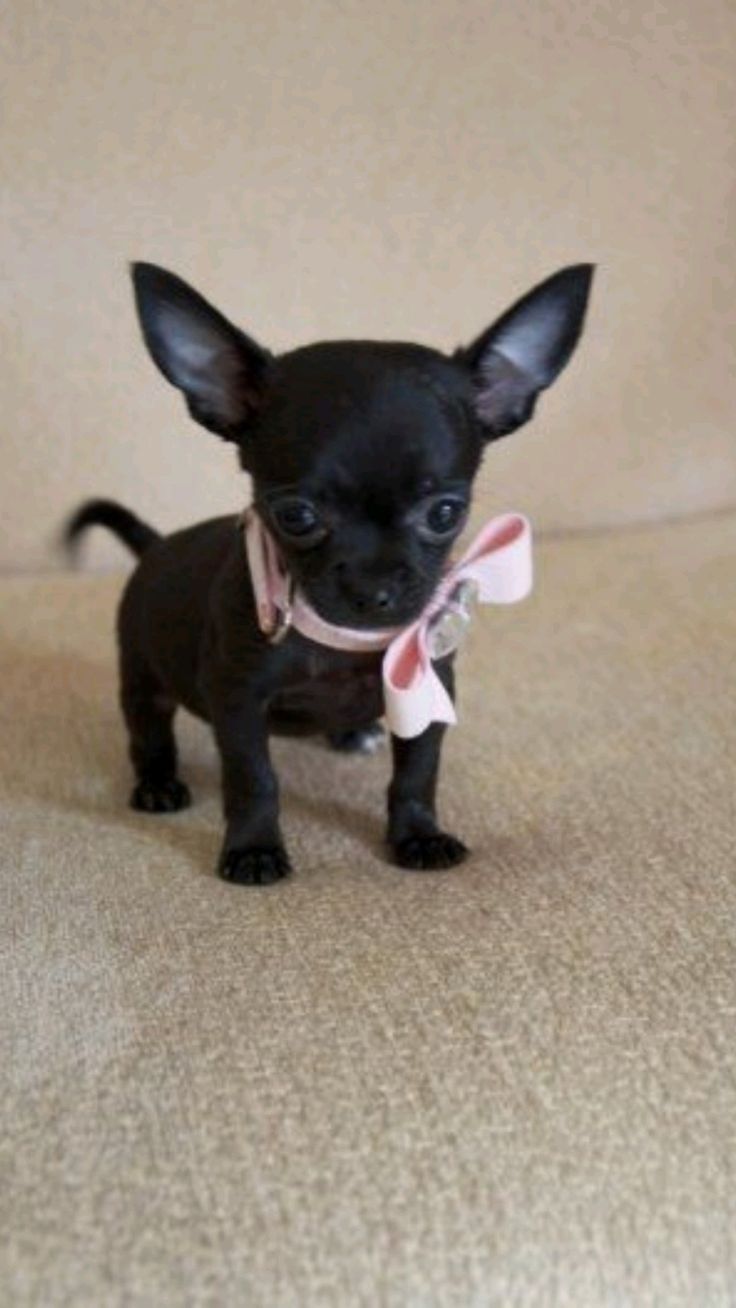
Dogs marketed as teacup Chihuahuas are simply Chihuahuas that weigh significantly less than the standard — typically under 3 pounds as adults. They belong to the same breed as any other Chihuahua. The only thing that distinguishes them from a well-bred Chihuahua is that they are unusually small, and that unusual smallness is not a feature — it is almost always a consequence of irresponsible breeding practices that prioritise a marketable size over health, structure, and longevity.
Truth 2: How teacup Chihuahuas are produced
Understanding how teacup Chihuahuas are produced makes the health concerns immediately understandable. To produce consistently undersized puppies, breeders select the smallest dogs in each litter and breed them together generation after generation. In natural breeding, the smallest puppy in a litter — the “runt” — is often the smallest because it received less nutrition in utero or has a developmental disadvantage. Selecting specifically for this trait and breeding from these individuals compounds any underlying developmental issues.
The AKC Chihuahua breed standard sets a weight ceiling of 6 pounds — not a floor. A well-bred Chihuahua naturally falls between 2 and 6 pounds. The smallest well-bred Chihuahuas — around 2 to 3 pounds — are perfectly healthy dogs that fall within the natural size range of the breed. The problem with teacup Chihuahuas is not that they are small — it is that their smallness has been artificially intensified through breeding practices that consistently sacrifice health for size.
Truth 3: The serious health risks of teacup Chihuahuas
The health risks associated with teacup Chihuahuas are not rare or theoretical — they are a predictable consequence of extreme miniaturisation. Standard Chihuahuas already face certain breed-specific health challenges due to their small size. In teacup-sized dogs, these risks are significantly amplified. The most serious conditions include:
- Hypoglycaemia — extremely common in teacup Chihuahua puppies. Their tiny bodies have almost no energy reserves — missing even a single meal can send blood glucose to dangerous or fatal levels. Many teacup puppies require feeding every two hours around the clock in their first weeks of life
- Hydrocephalus — the Chihuahua’s apple dome skull already predisposes the breed to cerebrospinal fluid buildup. In teacup dogs, the skull-to-brain ratio creates even higher risk. Affected dogs may have seizures, coordination problems, and significantly reduced quality of life
- Heart defects — degenerative mitral valve disease is common in small breeds and is significantly more prevalent and earlier-onset in extremely miniaturised dogs. Heart defects present from birth are also more common in teacup puppies
- Fragile bones and fractures — teacup Chihuahua bones are proportionally finer and more brittle. Falls from ordinary household heights — a sofa, a bed, being dropped — can cause serious fractures that would be minor injuries in a standard-sized dog
- Tracheal collapse — already a risk in standard Chihuahuas, tracheal collapse is significantly more common and severe in teacup dogs. The cartilage rings supporting the windpipe are too small and weak to maintain structure, causing breathing difficulties that worsen with excitement or exertion
- Dental overcrowding — all Chihuahuas have 42 teeth in a small jaw. In teacup dogs, the jaw is even smaller, creating severe overcrowding, misalignment, and accelerated dental disease
- Difficulty regulating body temperature — teacup Chihuahuas have almost no body fat reserves and lose heat rapidly. They are vulnerable to hypothermia in conditions that would be comfortable for a standard-sized dog
Truth 4: Shorter lifespan and higher veterinary costs
Standard well-bred Chihuahuas are among the longest-lived dogs in the world — averaging 14 to 16 years with good care. Teacup Chihuahuas typically have significantly shorter lifespans due to the compounded health problems their extreme miniaturisation creates. They are more likely to experience serious health crises early in life, require more intensive and expensive veterinary care throughout their lives, and are at higher risk of early death from conditions that a standard-sized Chihuahua would manage or avoid entirely.
The financial reality of owning a teacup Chihuahua is also substantially different from owning a well-bred standard Chihuahua. Emergency hypoglycaemia treatment, orthopaedic surgery for fractures, cardiac management, and neurological care can cost thousands of pounds over a dog’s life. The premium purchase price of a teacup dog is compounded by substantially higher lifetime veterinary costs — a combination that catches many buyers off guard.
Truth 5: No kennel club recognises the teacup Chihuahua
The absence of any kennel club recognition for the teacup Chihuahua is not a technicality — it is a deliberate position. The AKC, The Kennel Club UK, and the Chihuahua Club of America all have the same position: there is one Chihuahua breed, the breed standard sets a maximum weight of 6 pounds, and dogs marketed as teacup are not a recognised variation.
This means that a breeder advertising teacup Chihuahuas is advertising outside the recognised breed standard. It also means that teacup puppies cannot be registered with the AKC — not because of their size per se, but because the breeding practices used to produce consistently undersized dogs typically involve undisclosed mixed breeding, selecting from unregistered litters, or outright falsification of registration paperwork. When buying a puppy, AKC registration is one of the clearest indicators of responsible, transparent breeding. Our guide to the AKC Chihuahua breed standard explains exactly what responsible breeding looks like.
Truth 6: The premium price is not justified
One of the most frustrating aspects of the teacup Chihuahua market is the pricing. Dogs marketed as teacup are frequently priced at a significant premium — sometimes two or three times the price of a well-bred standard Chihuahua from an AKC-registered breeder. This premium is presented as reflecting rarity and desirability.
The reality is that the premium reflects demand created by marketing, not quality, health testing, or responsible breeding. A teacup Chihuahua priced at £3,000 has typically received less health screening, less socialisation investment, and less veterinary oversight than a £1,200 puppy from a reputable AKC-registered breeder. You are paying more for a dog that is likely to cost significantly more in veterinary care over its lifetime — and likely to live a shorter and less comfortable life.
Truth 7: What to look for instead
If the appeal of a teacup Chihuahua is simply a very small dog, the good news is that well-bred Chihuahuas are already among the smallest dogs in the world. A responsibly bred Chihuahua at the lower end of the breed standard — between 2 and 3.5 pounds — is a naturally tiny dog that delivers everything people love about the breed, without the health complications of deliberate extreme miniaturisation.
Here is what to look for when buying a Chihuahua if you want a naturally small dog:
- AKC registration — the most reliable indicator of responsible, transparent breeding. Both parents should be AKC registered with verifiable paperwork
- Health testing — responsible breeders screen for patellar luxation, cardiac conditions, and eye disorders. Ask for documentation
- Weight within breed standard — look for a breeder producing dogs between 2 and 6 pounds. Naturally small Chihuahuas at 2 to 3.5 pounds from healthy, health-tested parents are possible without irresponsible miniaturisation
- No teacup language — any breeder using the term “teacup,” “miniature,” or “micro” as a selling point is signalling a prioritisation of size over health. Walk away
- Transparency about parents — you should be able to meet or see evidence of both parents. A breeder who cannot or will not show parent dogs is a significant red flag
Common questions about the teacup Chihuahua
Looking for a healthy, naturally small Chihuahua?
At Chihuvas, we breed AKC-registered Chihuahuas to the breed standard — health-tested, socialised from birth, and naturally tiny. Michigan’s most trusted Chihuahua breeder.
View available puppies →