Chihuahua seizures: causes, first aid and care
Watching your dog have a seizure is frightening. Chihuahua seizures can have many causes, from low blood sugar in tiny puppies to epilepsy in adults, and knowing what to do in the moment can make a real difference.
We are AKC chihuahua breeders in Traverse City, Michigan, and we teach every family what to do if their dog ever has a seizure. This guide explains what chihuahua seizures look like, the most common causes, what to do during and after a seizure, when it is an emergency and how vets diagnose and treat them.
For a vet-written overview, see the VCA Animal Hospitals guide to seizures in dogs. For general breed information, visit the AKC chihuahua breed page.
What are chihuahua seizures?
A seizure is a sudden burst of abnormal electrical activity in the brain. It can cause shaking, stiffening, paddling of the legs, drooling, loss of awareness and loss of bladder or bowel control.
Chihuahua seizures are a symptom, not a disease on their own. Finding the cause is the key to the right treatment.
Chihuahua seizures are often caused by low blood sugar in puppies, epilepsy, hydrocephalus, liver problems, toxins or head injuries. During a seizure, stay calm, clear the area, keep your hands away from the mouth and time it. Go to an emergency vet if it lasts more than five minutes or seizures come back to back.
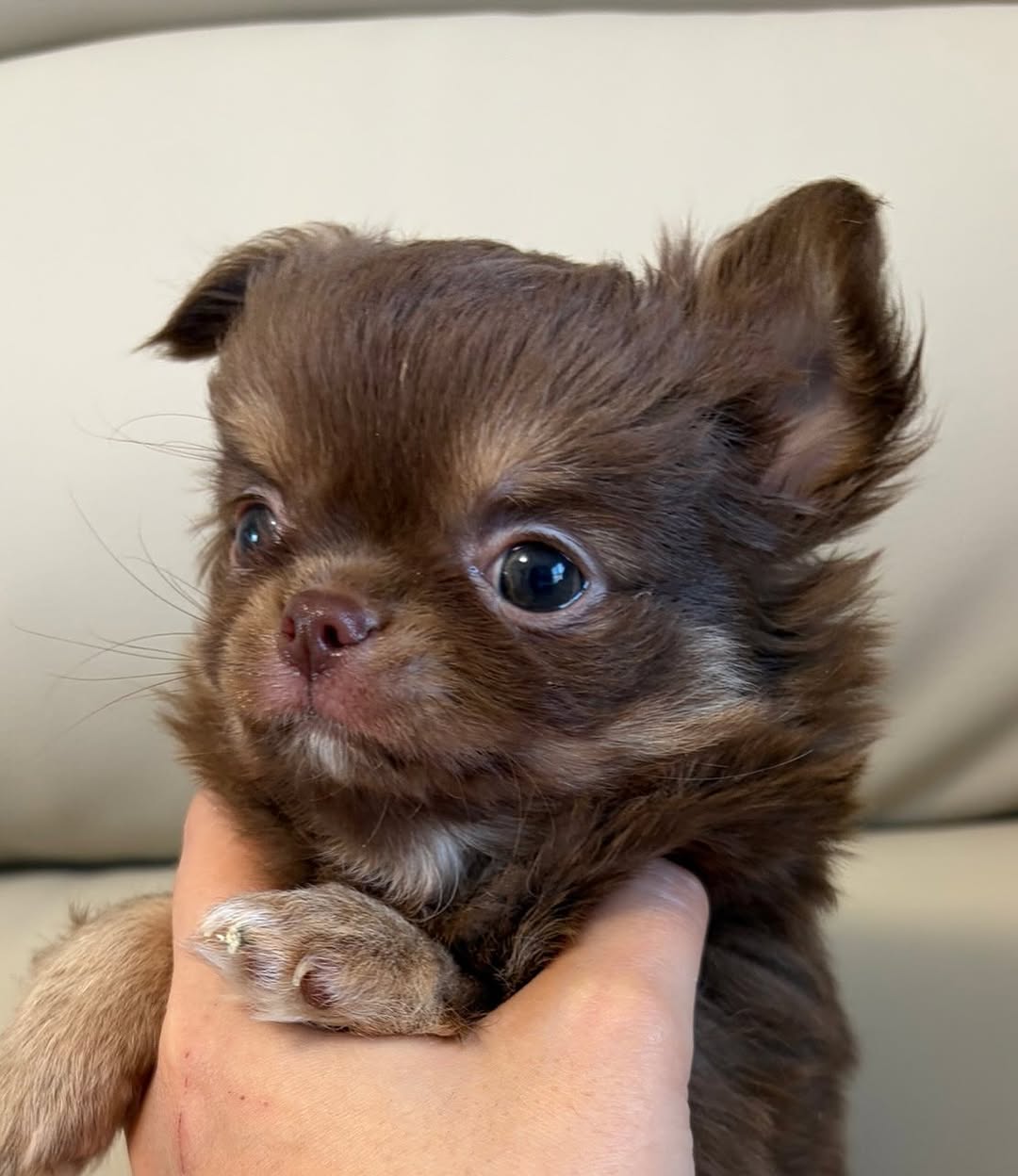
What chihuahua seizures look like
Chihuahua seizures don’t always look the same. Some are dramatic, while others are subtle and easy to miss.
- Falling to the side with stiff or paddling legs.
- Jerking or twitching of the face, a leg or the whole body.
- Drooling, chomping or foaming at the mouth.
- Staring blankly and not responding to you.
- Loss of bladder or bowel control.
- Crying out or unusual vocalizing.
Many owners say their dog seemed “not there” during the episode. Afterwards, the dog may seem confused or wobbly for a while.
Types of seizures
Vets group seizures into a few main types. Knowing the type helps your vet understand what is happening.
| Type | What it looks like |
|---|---|
| Generalized (grand mal) | Whole body involved; falling, stiffening, paddling, loss of awareness |
| Focal (partial) | One part of the body twitches, such as the face or a leg; dog may stay aware |
| Focal with spread | Starts in one area then spreads to the whole body |
| Cluster seizures | Two or more seizures within 24 hours |
| Status epilepticus | A seizure lasting more than about five minutes, or repeated seizures without recovery |
Cluster seizures and status epilepticus are emergencies. They need a vet straight away.
The three phases of chihuahua seizures
Most chihuahua seizures follow three phases. Recognizing them helps you prepare and describe events to your vet.
| Phase | What happens | How long |
|---|---|---|
| Before (pre-ictal) | Restlessness, clinginess, hiding, whining or pacing | Seconds to hours |
| During (ictal) | The seizure itself | Usually seconds to two minutes |
| After (post-ictal) | Confusion, wobbliness, temporary blindness, thirst, hunger, sleepiness | Minutes to hours, sometimes longer |
The after phase can be the most worrying to watch, but it is a normal part of recovery for many dogs.
Common causes of chihuahua seizures
There are many possible causes of chihuahua seizures. Some are inside the brain, while others come from the rest of the body.
| Cause | More common in | Notes |
|---|---|---|
| Low blood sugar (hypoglycemia) | Puppies and very tiny dogs | One of the most common causes in young chihuahuas |
| Idiopathic epilepsy | Young adults, often 1 to 5 years | No other cause found; may be inherited |
| Hydrocephalus | Puppies | Fluid build-up in the brain |
| Liver shunt | Puppies and young dogs | Toxins build up in the blood, often worse after meals |
| Toxins | Any age | Xylitol, chocolate, some medications, pesticides |
| Head injury | Any age | Falls, being stepped on or dropped |
| Brain tumor | Senior dogs | New seizures in older dogs need checking |
| Low calcium (eclampsia) | Nursing mothers | An emergency after giving birth |
Some causes, such as low blood sugar and toxins, can be prevented. Our chihuahua hypoglycemia guide explains how to keep blood sugar steady.
Chihuahua seizures in puppies
In young puppies, chihuahua seizures are most often linked to low blood sugar. Tiny puppies have little fat to store energy, so missed meals, cold or stress can drop blood sugar quickly.
- Feed small meals three to four times a day.
- Keep your puppy warm, especially at night.
- Avoid long play sessions without rest and snacks.
- Watch for early signs: weakness, shaking, sleepiness and wobbliness.
- Keep a vet-recommended glucose gel or honey on hand.
A puppy that has a seizure should always see a vet promptly. Even if it recovers quickly, the cause needs to be found.
Seizures in adults and seniors
In young adults, epilepsy is a common cause of chihuahua seizures, especially if blood tests and scans come back normal. In older dogs, new seizures are more likely to have a cause such as a brain tumor, liver disease or kidney disease.
A senior dog with a first seizure should be checked thoroughly. Our guide to caring for an old chihuahua covers other changes to watch for in later years.
Seizure or something else?
Several other conditions can look like a seizure. Telling them apart helps your vet reach the right diagnosis.
| Event | How it differs |
|---|---|
| Shaking from cold or excitement | Dog stays alert and responds to you |
| Fainting (collapse) | Brief, often during exercise or coughing; dog recovers in seconds |
| Reverse sneezing | Loud snorting with head extended; dog stays aware |
| Tracheal collapse coughing fit | Honking cough; dog stays aware |
| Dreaming | Twitching in sleep; dog wakes easily when called |
If you aren’t sure, take a video and show your vet. Our guides on why chihuahuas shake and chihuahua collapsed trachea describe these look-alikes.
What to do during chihuahua seizures
Staying calm during chihuahua seizures helps you keep your dog safe. Most seizures stop on their own within a minute or two.
- Note the time the seizure starts.
- Move furniture and objects away from your dog.
- Gently guide your dog away from stairs, water or sharp edges.
- Keep your hands away from the mouth; dogs can’t swallow their tongues.
- Dim the lights and turn off loud noises.
- Take a video if you can safely do so.
A dog having a seizure is not aware of what it is doing and may bite hard without meaning to. Keep your hands clear of the mouth at all times.
What to do after a seizure
After a seizure, your dog may be confused, wobbly or temporarily blind. Keep it safe and calm while it recovers.
- Stay close and speak softly.
- Keep your dog on the floor or in a padded area to prevent falls.
- Offer water once it can stand and swallow normally.
- For a puppy or tiny dog, offer a small meal once it is alert, unless your vet advises otherwise.
- Call your vet to report the seizure and get advice.
Write down what happened while it is fresh in your mind. Your notes will help your vet.
When chihuahua seizures are an emergency
Some chihuahua seizures need emergency care straight away. Don’t wait if any of these apply.
- A seizure lasts longer than about five minutes.
- Seizures happen back to back without recovery in between.
- More than one seizure in 24 hours.
- It is the first seizure in a young puppy.
- You suspect poisoning or a head injury.
- Your dog has trouble breathing or doesn’t wake up normally.
- A nursing mother shows shaking, panting or stiffness.
Call ahead to the emergency clinic so they can prepare. Bring any packaging if you suspect a toxin.
How vets diagnose chihuahua seizures
Diagnosing chihuahua seizures starts with a careful history and full exam. Your vet will ask about timing, length, what the seizure looked like and anything that happened beforehand.
| Test | What it checks |
|---|---|
| Blood tests | Blood sugar, liver, kidney, calcium and electrolytes |
| Bile acid test | Liver function and possible liver shunt |
| Urine test | Kidney function and other clues |
| Blood pressure | High blood pressure can affect the brain |
| MRI or CT scan | Brain structure, hydrocephalus, tumors or inflammation |
| Spinal fluid test | Infection or inflammation of the brain |
If all tests are normal and the dog is a young adult, the diagnosis is often idiopathic epilepsy.
Treatment for chihuahua seizures
Treatment for chihuahua seizures depends on the cause. Treating low blood sugar, a liver shunt or a toxin can stop seizures completely in some dogs.
- Low blood sugar: regular small meals and emergency glucose.
- Epilepsy: daily anti-seizure medication.
- Liver shunt: special diet, medication and sometimes surgery.
- Hydrocephalus: medication or shunt surgery.
- Toxins: emergency treatment to remove the toxin and support the body.
Common anti-seizure medications include phenobarbital, levetiracetam, potassium bromide and zonisamide. Your vet will choose the right one and dose for your dog’s tiny size.
Rescue medication
Some dogs with epilepsy are prescribed a rescue medication to use at home during long seizures or clusters. It can help stop a seizure while you get to the vet.
- Only use medication your vet has prescribed for your dog.
- Ask your vet to show you how to give it.
- Keep it somewhere easy to find and check the expiry date.
- Always call your vet after using it.
Never give human medication to stop a seizure. Doses for tiny dogs must be precise.
Keep a seizure diary
A seizure diary is one of the most useful tools for managing chihuahua seizures. It helps your vet see patterns and adjust treatment.
| Record | Why it helps |
|---|---|
| Date and time | Shows frequency and patterns |
| Length of seizure | Helps spot clusters or long seizures |
| What it looked like | Helps identify the type |
| What happened before | Reveals possible triggers |
| Recovery time | Tracks severity |
| Medication given | Shows how treatment is working |
Phone notes or a simple notebook both work well. Bring the diary to every vet visit.
Common triggers
Some dogs have seizures more often at certain times. Avoiding known triggers can reduce how often they happen.
- Missed meals or long gaps between meals.
- Stress, excitement or big changes in routine.
- Lack of sleep.
- Flashing lights or loud noises in some dogs.
- Missed medication doses.
- Heat and overexertion.
Fireworks and busy holidays can be stressful for small dogs. Keep routines steady and give your dog a quiet space to rest.
Home safety for dogs with chihuahua seizures
A few changes at home help keep a dog with chihuahua seizures safe.
- Block stairs with baby gates.
- Use low beds and ramps instead of jumping on furniture.
- Keep pools, ponds and bathtubs off limits.
- Pad hard corners near where your dog rests.
- Use a harness instead of a collar for walks.
- Tell sitters and family members what to do in a seizure.
A pet camera can help you check on your dog when you are out. Some cameras let you record clips, which are useful to show your vet.
Keep your vet’s number, the nearest emergency clinic and any rescue medication instructions on the fridge where everyone can see them.
Diet and routine
Routine is especially important for dogs with seizures. Regular meals, sleep and medication times help keep the brain stable.
- Feed at the same times every day, in small meals.
- Give medication on schedule, with food if advised.
- Ask your vet whether a diet with medium-chain triglycerides (MCT) might help.
- Avoid sudden food changes.
- Keep your dog at a healthy weight.
Our chihuahua puppy food guide explains how often tiny dogs should eat.
The cost of managing chihuahua seizures
Costs for diagnosing and treating chihuahua seizures vary by region and how much testing is needed. These rough US ranges help you plan.
| Item | Typical range |
|---|---|
| Vet exam and blood tests | $150 to $500 |
| Bile acid test | $100 to $250 |
| MRI with anesthesia | $1,500 to $3,500 |
| Daily medication | $20 to $100 per month |
| Medication level blood tests | $100 to $250 each |
| Emergency visit | $200 to $1,500 or more |
Pet insurance taken out early helps with these costs. Our chihuahua cost guide covers insurance and budgeting.
Outlook for dogs with chihuahua seizures
The outlook for chihuahua seizures depends on the cause. Seizures from low blood sugar or toxins can stop completely once the cause is treated.
Many dogs with well-controlled epilepsy live a normal or near-normal life. Our chihuahua lifespan guide explains other factors that affect how long chihuahuas live.
Seizures and breeding
Because epilepsy can be inherited, responsible breeders do not breed from dogs that have had unexplained seizures. They also track health in their lines.
- Breeding dogs should be healthy and free of seizures.
- Breeders should be open about health in past litters.
- Puppies should be kept until they are eating well and keeping blood sugar steady.
- A written genetic health guarantee shows confidence in the lines.
Our guide on how to choose a chihuahua breeder explains what to ask about health.
Myths about chihuahua seizures
There are several myths about chihuahua seizures. Here are the facts.
| Myth | Fact |
|---|---|
| Dogs can swallow their tongues | They can’t; keep your hands away from the mouth |
| One seizure means epilepsy | Many single seizures have another cause |
| Seizures are always painful | Dogs are usually unaware during a seizure |
| Epilepsy means a short life | Many dogs are well controlled for years |
| You should hold a dog still | Clear the area instead; don’t restrain your dog |
Our chihuahua health problems guide covers other conditions worth knowing about.
Our approach to puppy health
At Chihuvas, we feed our puppies small, frequent meals and keep them warm and calm to protect their blood sugar in our Traverse City, Michigan home. Every family gets written feeding guidance and tips on spotting low blood sugar.
Every puppy goes home with vaccinations, a microchip, a vet health certificate, AKC registration and a two-year genetic health guarantee. We deliver nationwide by in-cabin chihuahua flight nanny and stay in touch for life.
See our available puppies, send us an inquiry or meet our family on our chihuahua breeder in Michigan page.
Stay calm, clear the space, time it and call your vet. Those four steps help any dog through a seizure.
Chihuvas breeding teamChihuvas is an AKC-registered Chihuahua breeder based in Michigan, and we deliver our puppies nationwide across the US. Every puppy is health-checked, vaccinated for their age and socialised from birth. See our available puppies or send us an inquiry.
Common questions about chihuahua seizures
Looking for a healthy puppy?
Every puppy is vet-checked, raised in our Michigan home and delivered nationwide with a two-year genetic health guarantee.
View available puppies →