
Raising chihuahuas — 10 honest life lessons we learned.
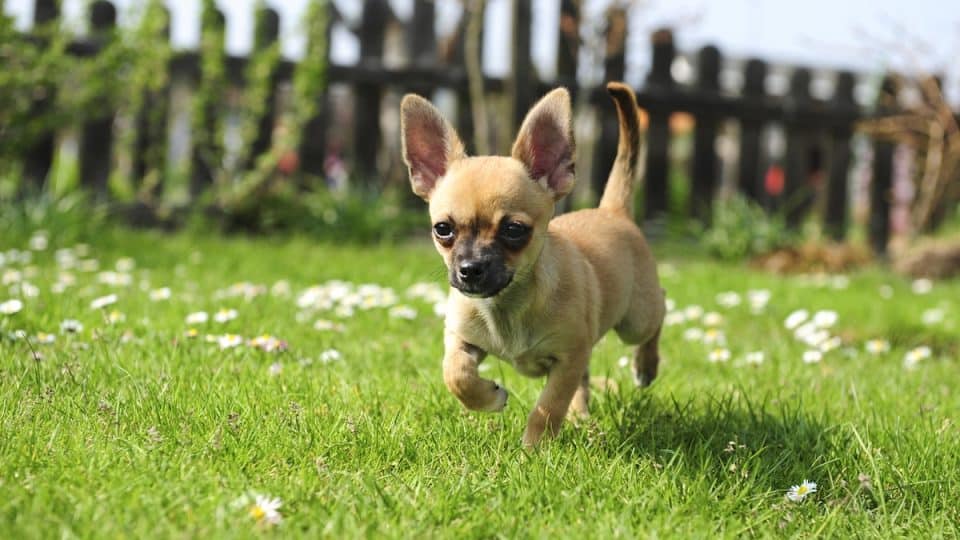
Raising chihuahuas changed everything we thought we knew about dogs. Before our first chihuahua, we expected a lap dog — something small, quiet, and decorative that would sit in a handbag and look pretty. What we got instead was a four-pound hurricane of personality, opinion, loyalty, and stubbornness that rewrote every assumption we had about what a dog could be. Years later, with a home full of chihuahuas and a breeding programme built on everything those early years taught us, we can look back at the lessons that raising chihuahuas drilled into us — some through joy, some through mistakes, and all through the kind of deep, daily intimacy that only living with this breed produces.
These are not training tips or health guides — we have plenty of those on our blog. These are the honest, personal lessons from raising chihuahuas that we wish someone had told us on day one. If you are considering bringing a chihuahua into your life, or if you are already deep into raising chihuahuas and wondering whether your experience is normal — this one is for you.
Raising chihuahuas lesson 1 — they are not lap dogs
The biggest misconception we carried into raising chihuahuas was that we were getting a lap dog. Chihuahuas will sit on your lap — enthusiastically, possessively, and for hours if you let them. But that is not what they are. They are terrier-spirited, alert, confident, and opinionated dogs that happen to weigh under three kilograms. The lap-sitting is affection, not passivity. Underneath it is a dog that wants to explore, patrol, investigate, and — if given the opportunity — run the household. Raising chihuahuas well means treating them like the intelligent, strong-willed dogs they are, not like animated stuffed toys.
Raising chihuahuas lesson 2 — socialisation is everything
If we could go back and change one thing about our early experience raising chihuahuas, it would be to socialise more aggressively in the first 16 weeks. The critical socialisation window — the period when a puppy’s brain is most receptive to new experiences, as outlined by the American Kennel Club — closes faster than most new owners realise. Every person, sound, surface, animal, and environment your chihuahua encounters during this window shapes their temperament for life. A chihuahua that meets 50 different people before four months of age grows into a confident, friendly adult. A chihuahua that meets five people grows into a nervous one. It is that direct.
The temptation with a tiny puppy is to protect them from the world. And some protection is appropriate — no puppy parks before vaccinations are complete, no overwhelming situations. But raising chihuahuas in a bubble produces exactly the anxious, reactive, snappy behaviour that gives the breed its worst reputation. Controlled, positive exposure to the world is not risky — it is essential.
The shy, snappy chihuahua that people associate with the breed is not a breed characteristic — it is a socialisation failure. Raising chihuahuas that are confident, friendly, and calm around strangers is entirely achievable. It just requires deliberate work in the first four months.
Our experienceRaising chihuahuas lesson 3 — stop carrying them
This is the hardest habit to break when raising chihuahuas — and the most important one. Chihuahuas are small enough to carry everywhere, and every instinct tells you to scoop them up when they seem overwhelmed, when a bigger dog approaches, when the pavement is wet, or when they simply look at you with those enormous eyes. But carrying a chihuahua through situations they need to learn to navigate on their own teaches them that the world is dangerous and that they cannot handle it without you.
A chihuahua that walks on its own four feet develops confidence. A chihuahua that is carried develops dependency. The difference compounds over months and years until you have either a brave, self-assured little dog or an anxious one that trembles every time you put them down. Raising chihuahuas well means letting them walk — literally and figuratively — through the experiences that build resilience.
Raising chihuahuas lesson 4 — small does not mean fragile
Yes, chihuahuas are small. Yes, they can be injured by a fall from a couch or a careless step. But raising chihuahuas taught us that they are far tougher than their size suggests — and that treating them as if they might break at any moment creates a dog that behaves as if it might. Chihuahuas are athletic, energetic, and capable of surprisingly vigorous play. They can walk for miles. They can run faster than you expect. They can jump, wrestle with other dogs their size, and handle cold weather with the right coat.
The fragility narrative around raising chihuahuas leads to over-protection, which leads to under-socialisation, which leads to the anxious, reactive behaviour that people then attribute to the breed rather than to the raising. Treat them with appropriate care — not with bubble wrap.
Raising chihuahuas lesson 5 — dental care starts on day one
This is the health lesson that raising chihuahuas teaches everyone eventually — usually the expensive way. Chihuahuas are genetically predisposed to dental problems. Their small jaws crowd their teeth, creating pockets where plaque accumulates, gums recede, and infections develop. By the time most owners notice a dental problem, it has been building for months.
Start brushing your chihuahua’s teeth from puppyhood — daily if possible, at least three times per week at minimum. Use a small dog toothbrush or finger brush with enzymatic dog toothpaste. Dental chews help but do not replace brushing. Annual veterinary dental checks are essential, and most chihuahuas will need at least one professional dental cleaning under anaesthesia during their lifetime. Raising chihuahuas without addressing dental care is raising chihuahuas that will suffer later — it is that non-negotiable.
We introduce toothbrush handling to our puppies from 8 weeks old — not brushing yet, just letting them taste the toothpaste and feel the brush against their gums. By the time they go to their new homes, the brush is a familiar, non-threatening part of their routine. This is one of the most impactful things we do for our puppies’ long-term health when raising chihuahuas.
Raising chihuahuas lesson 6 — they pick one person
Chihuahuas bond deeply — often overwhelmingly so — with one person. This is not a flaw. It is a breed characteristic that raising chihuahuas brings into sharp focus. Your chihuahua will follow you from room to room, sleep against your body, position itself to always be in your line of sight, and become visibly distressed when you leave. The bond is intense, exclusive, and — if we are honest — one of the most gratifying aspects of raising chihuahuas.
The challenge is ensuring this does not become unhealthy dependency. A chihuahua that cannot cope when their person leaves the room has separation anxiety — not loyalty. Raising chihuahuas that are bonded but independent requires deliberate practice: leaving them alone for short periods from puppyhood, ensuring they are comfortable with other family members, and not reinforcing clingy behaviour with constant attention. The bond should be deep, not desperate.
Raising chihuahuas lesson 7 — never laugh at bad behaviour
A rottweiler lunging at a stranger is alarming. A chihuahua lunging at a stranger is — to many people — funny. This is the trap that raising chihuahuas sets for you, and falling into it creates lifelong behavioural problems. When a two-kilogram dog growls, snaps, or barks aggressively, the natural human response is to laugh because the threat seems absurd. But the dog does not know it is small. The dog is practising aggression, and your laughter is not a correction — it is permission.
Raising chihuahuas with consistent behavioural standards means correcting the same behaviours you would correct in a large dog. Growling at visitors, snapping at hands, resource guarding food or toys, and territorial barking are all behaviours that need calm, consistent redirection regardless of the dog’s size. The rules should be the same. The enforcement should be the same. The only difference is that a poorly raised chihuahua bites a finger instead of a face — but the behaviour is equally unacceptable.
Raising chihuahuas lesson 8 — they live a very long time
Chihuahuas routinely live 14–18 years. Some reach 20. Raising chihuahuas is not a decade-long commitment — it is potentially a two-decade one. This longevity is wonderful, but it also means that every decision you make in the first year — socialisation, dental care, diet, training, boundaries — has consequences that play out over 15+ years. A socialisation failure at 12 weeks becomes an anxiety problem at 12 years. A dental neglect pattern at age 2 becomes tooth loss at age 8. The timeline of raising chihuahuas is long enough that early choices compound dramatically.
Raising chihuahuas lesson 9 — they are braver than you think
One of the most surprising lessons from raising chihuahuas is their courage. A well-socialised chihuahua does not cower from the world — it engages with it fearlessly and sometimes recklessly. They will challenge dogs ten times their size, investigate every noise, patrol the garden perimeter as if guarding a fortress, and insert themselves into any situation that involves their person. This bravery is endearing and occasionally terrifying — a chihuahua that does not recognise a size mismatch can get into dangerous situations with larger dogs.
Raising chihuahuas means respecting this courage while managing it. They need to be allowed to be brave — to walk on their own, to explore, to interact with other dogs in controlled settings. But they also need an owner who recognises that bravery without judgment is a safety risk, and who intervenes before a size mismatch becomes an emergency.
Raising chihuahuas lesson 10 — you will never want to be without one
This is the lesson that every chihuahua owner discovers and that no amount of reading prepares you for. Raising chihuahuas is demanding, surprising, occasionally frustrating, and consistently hilarious. But above all, it is deeply bonding. The relationship a chihuahua builds with its person is more intense, more present, and more emotionally complex than most people expect from a dog of any size. They know your moods. They adjust their behaviour to match your energy. They greet you after a five-minute absence with the enthusiasm of a reunion after years.
Raising chihuahuas changes you. It makes you more patient, more observant, more attuned to the emotional language of another creature. It teaches you that size and significance are unrelated — that a dog weighing less than a bag of flour can occupy a space in your life that nothing else fills. And it makes you, without exception, a chihuahua person for life.
Raising chihuahuas is not for everyone. It requires patience, consistency, and the willingness to treat a very small dog like a very real dog. But for those who get it right, the reward is a companion of extraordinary loyalty, personality, and love — for 15 to 20 years.
The Chihuvas teamCommon questions about raising chihuahuas
Find a well-raised chihuahua puppy at Chihuvas.
Our puppies are socialised from birth, handled daily, and raised in our home — not a kennel. AKC-registered, health-tested parents, and a lifetime of breeder support.
View available puppies →