
Chihuahua teething — what to expect and how to help.
Chihuahua teething is one of the most challenging phases of puppyhood — for the puppy and for you. Your tiny chihuahua is losing 28 baby teeth and growing 42 adult teeth, all packed into the smallest jaw of any dog breed. Their gums are sore, their mouth is uncomfortable, and they will chew on absolutely anything they can reach to relieve the pressure. Understanding the chihuahua teething timeline, recognising what is normal, and knowing how to provide relief makes this phase significantly easier for everyone.
This guide covers everything you need to know about chihuahua teething: when it starts and ends, the full timeline of tooth development, the symptoms to expect, the best ways to ease discomfort, why chihuahuas are especially prone to retained baby teeth, and when something genuinely needs veterinary attention. The information here is informed by our own experience and is consistent with veterinary dental guidance from the American Kennel Club.
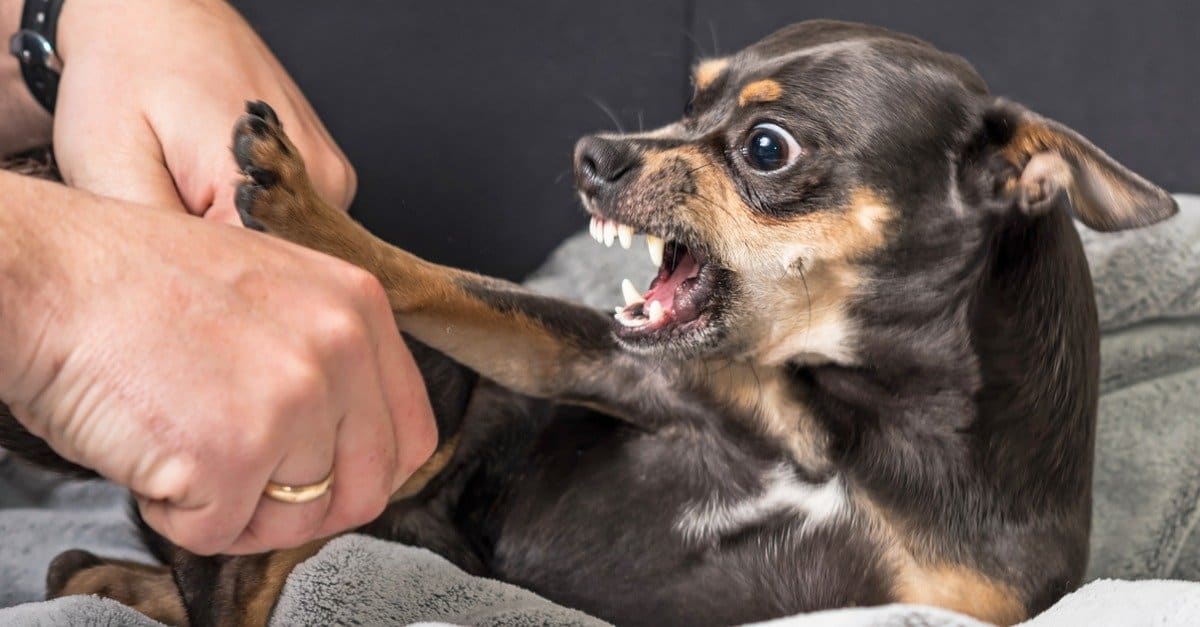
Chihuahua teething — the complete timeline
Chihuahua teething follows a predictable sequence, though the exact timing can vary by a few weeks between individual puppies. Chihuahuas, being a toy breed, tend to teethe slightly later than larger breeds — so do not panic if your puppy seems behind the general schedule you read about online.
| Age | What is happening | What you will notice |
|---|---|---|
| 2–4 weeks | Baby teeth begin erupting (still with breeder) | Tiny needle-sharp teeth appearing through gums |
| 5–8 weeks | All 28 baby teeth in place | Full set of razor-sharp puppy teeth |
| 3–4 months | Incisors (front teeth) begin loosening and falling out | Chihuahua teething begins — chewing increases, tiny teeth found on floor |
| 4–5 months | Canines and premolars loosening, adult incisors growing in | Peak discomfort period — most chewing, possible blood on toys |
| 5–7 months | Adult canines, premolars, and molars erupting | Gums may look swollen or red — normal during eruption |
| 7–8 months | All 42 adult teeth should be in place | Chihuahua teething winding down — chewing easing |
| 8–12 months | Check for retained baby teeth | Look for double teeth — baby tooth sitting next to adult tooth |
Most chihuahua puppies swallow their baby teeth while eating, and you will never find them. This is completely normal and harmless — they pass through the digestive system without any issue. Finding a tiny tooth on the floor or in bedding is a bonus, not an expectation. During chihuahua teething, the absence of found teeth does not mean the process is not happening.
Chihuahua teething — symptoms to expect
Chihuahua teething produces a predictable set of symptoms that are uncomfortable but entirely normal. Knowing what to expect helps you distinguish between normal teething behaviour and something that needs veterinary attention.
- Increased chewing on everything — furniture legs, shoes, fingers, toys, blankets. This is the primary chihuahua teething behaviour and is driven by the need to relieve gum pressure.
- Drooling more than usual — chihuahuas are not heavy droolers normally, so any noticeable increase in drool during the 3–7 month period is almost certainly teething-related.
- Slight bleeding from the gums — pink-tinged saliva on toys, small blood spots in the water bowl, or traces of blood on chew items. Normal and short-lived.
- Swollen or red gums — particularly around the areas where adult teeth are pushing through. Mild swelling is expected during chihuahua teething.
- Reluctance to eat hard food — sore gums can make kibble uncomfortable. Your puppy may slow down at mealtimes or prefer wet food temporarily.
- Irritability or restlessness — your normally playful puppy may be grumpy, whiny, or restless during peak teething discomfort.
- Mild fever — a very slight temperature increase is normal during teething. Anything above 39.5°C warrants a vet check.
- Ears held differently — some chihuahua puppies’ ears droop or flop during teething due to calcium redistribution. This is usually temporary.
Chihuahua teething is not an illness — it is a normal developmental phase that every puppy goes through. Your job is not to stop it but to manage the discomfort and redirect the chewing toward appropriate items.
Chihuvas experienceChihuahua teething — how to relieve the pain
Frozen washcloth
This is the simplest and most effective chihuahua teething remedy. Wet a clean washcloth, twist it into a rope shape, and freeze it for 2–3 hours. The cold numbs sore gums on contact, and the texture provides satisfying resistance for chewing. Supervise use and replace when it thaws. You can keep several frozen and rotate them throughout the day.
Frozen treats
Small frozen pieces of banana, carrot sticks, watermelon, or blueberries provide cold relief with the bonus of a tasty reward. Keep pieces small — chihuahua mouths are tiny and large chunks are a choking hazard. Frozen plain yoghurt in an ice cube tray is another excellent option that most puppies love during chihuahua teething.
Puppy teething toys (small breed specific)
Invest in 3–4 teething toys designed specifically for small or toy breeds. Standard puppy teething toys are often too large for chihuahua mouths and provide no relief because the puppy cannot grip or chew them effectively. Look for toys with varied textures — bumps, ridges, and nubs — that massage the gums during chewing. Rubber toys that can be frozen provide both temperature and texture relief.
Gentle gum massage
Using a clean finger, gently rub your chihuahua puppy’s gums in a slow circular motion. Many puppies find this soothing, and it has the added benefit of getting your puppy accustomed to having their mouth handled — invaluable preparation for future dental care and vet examinations. If your puppy resists, do not force it — try again when they are calmer.
Ibuprofen, paracetamol, aspirin, and all other human pain medications are toxic to dogs — even in small doses. A chihuahua’s tiny body weight means that amounts considered trivial for a human can cause kidney failure, liver damage, or death. If you believe your chihuahua puppy is in significant pain during teething, consult your vet for safe options. Never medicate your chihuahua with anything not prescribed by a veterinarian.
Chihuahua teething — managing the chewing
During chihuahua teething, your puppy will chew on anything accessible. This is not misbehaviour — it is a physical need. Your job is to redirect the chewing toward appropriate items and protect your belongings from destruction.
Redirect, do not punish
When you catch your chihuahua chewing on something inappropriate — a shoe, a chair leg, your hand — calmly remove the item (or your hand) and immediately replace it with an appropriate teething toy. Praise your puppy when they chew the toy. Repeat this every single time. Within a few days, most chihuahuas learn to seek out their toys when the urge to chew hits, rather than your furniture.
Puppy-proof your space
During the peak chihuahua teething months (3–7 months), move anything chewable out of reach: shoes, cables, remote controls, small items that could be swallowed, clothing left on the floor, and anything valuable. If you cannot move it, block access to the area. Prevention is far easier than correction.
Rotate toys
Keep 3–4 teething toys in rotation and swap them every few days. A toy that has been unavailable for three days suddenly becomes exciting again. This maintains your puppy’s interest without you needing to buy new toys every week. During chihuahua teething, novelty in texture and temperature matters more than quantity.
Chihuahua teething often makes play-biting worse because the puppy is actively seeking things to clamp their jaws on. When your puppy bites your hand during play, say “ouch” in a neutral tone, immediately stop play, and withdraw attention for 10–15 seconds. Resume play. Repeat consistently. Your puppy learns that biting = fun stops. This is far more effective than shouting or physical correction, which can create fear.
Chihuahua teething — the retained baby tooth problem
This is where chihuahua teething becomes a breed-specific health concern that every owner needs to understand. Chihuahuas are one of the breeds most prone to retained deciduous teeth — a condition where baby teeth do not fall out even after the corresponding adult teeth have fully erupted. The result is double rows of teeth, overcrowding, and a cascade of dental problems.
Retained baby teeth happen because the adult tooth erupts beside the baby tooth rather than directly beneath it, meaning the adult tooth’s root does not reabsorb the baby tooth’s root as it should. In a larger breed, the mechanical pressure of a big adult tooth often pushes the baby tooth out eventually. In a chihuahua’s tiny jaw, there is not enough force, and the baby tooth stays put.
Why retained teeth are a problem
- Dental crowding: Two teeth occupying the space meant for one causes misalignment of the adult teeth, affecting bite and jaw function
- Food trapping: Food gets trapped between the retained baby tooth and the adjacent adult tooth, creating a breeding ground for bacteria
- Gum disease: The trapped food and bacteria lead to early-onset periodontal disease — the number one health problem in chihuahuas
- Pain and discomfort: Overcrowded teeth cause chronic low-grade discomfort that your chihuahua cannot communicate to you
What to do about retained teeth
Check your chihuahua’s mouth regularly during and after chihuahua teething (from about 5 months onward). Look for any position where you can see two teeth side by side — a smaller, thinner baby tooth next to a larger, whiter adult tooth. The canines (the long pointed teeth) are the most commonly retained in chihuahuas.
If any baby teeth remain after 8 months of age, consult your vet. Retained baby teeth in chihuahuas almost always require extraction under anaesthesia. This is a routine procedure that your vet can often combine with the neutering or spaying appointment to avoid a second anaesthetic. Do not wait and hope the baby tooth falls out on its own — after 8 months, it almost certainly will not.
Retained baby teeth in chihuahuas have roots that extend deep into the jawbone. Attempting to remove them yourself risks breaking the root (leaving a fragment that causes infection), damaging the adjacent adult tooth, or fracturing the chihuahua’s extremely delicate jaw. This is always a veterinary procedure requiring proper equipment and anaesthesia.
Chihuahua teething — when to see a vet
Most chihuahua teething is entirely normal and does not require veterinary intervention. However, contact your vet if you notice any of the following:
- Retained baby teeth after 8 months — the most common reason for a vet visit related to chihuahua teething
- Excessive or persistent bleeding — small amounts of blood are normal, but heavy or ongoing bleeding is not
- Refusal to eat for more than 24 hours — some reluctance is normal, but complete refusal may indicate a problem beyond normal teething
- Very swollen, red, or pus-filled gums — suggests infection rather than normal inflammation
- Foul smell from the mouth — a strong, unusual odour can indicate trapped food, infection, or dental abscess
- Visible tooth damage — a broken or cracked tooth, whether baby or adult, needs veterinary assessment
- Fever above 39.5°C — mild temperature elevation is normal; anything higher may indicate infection
Chihuahua teething is temporary — but the dental habits you establish now last a lifetime. Start brushing your chihuahua’s teeth as soon as the adult teeth are in, and you will prevent the periodontal disease that affects the majority of chihuahuas by age three.
Chihuvas experienceCommon questions — chihuahua teething
More guides for your new chihuahua puppy.
Practical advice, honest stories, and everything we have learned raising chihuahuas at home since 2018. No jargon, no sponsored content — just real experience.
Read more guides →