
Senior Chihuahua care — 7 proven tips for a happy, healthy older dog.
Senior Chihuahua care is one of the most rewarding aspects of owning this breed — because with the right approach, a Chihuahua’s golden years can be genuinely golden. Chihuahuas are among the longest-lived dogs in the world, averaging 14 to 16 years. The senior phase typically begins around age 9 to 12 — much later than in larger breeds — and a well-cared-for senior Chihuahua can remain active, alert, and deeply engaged with life well into their teens. The difference between a Chihuahua who merely survives old age and one who thrives through it comes down to the quality of care adjustments made during this phase.
As AKC-registered Chihuahua breeders at Chihuvas, we maintain relationships with our puppy families throughout the dog’s life — and senior Chihuahua care is a topic we discuss at every stage. This guide covers the seven most important care adjustments for older Chihuahuas, drawing on the AKC senior dog care guidance and the PDSA guide to caring for older dogs.
When is a Chihuahua a senior?
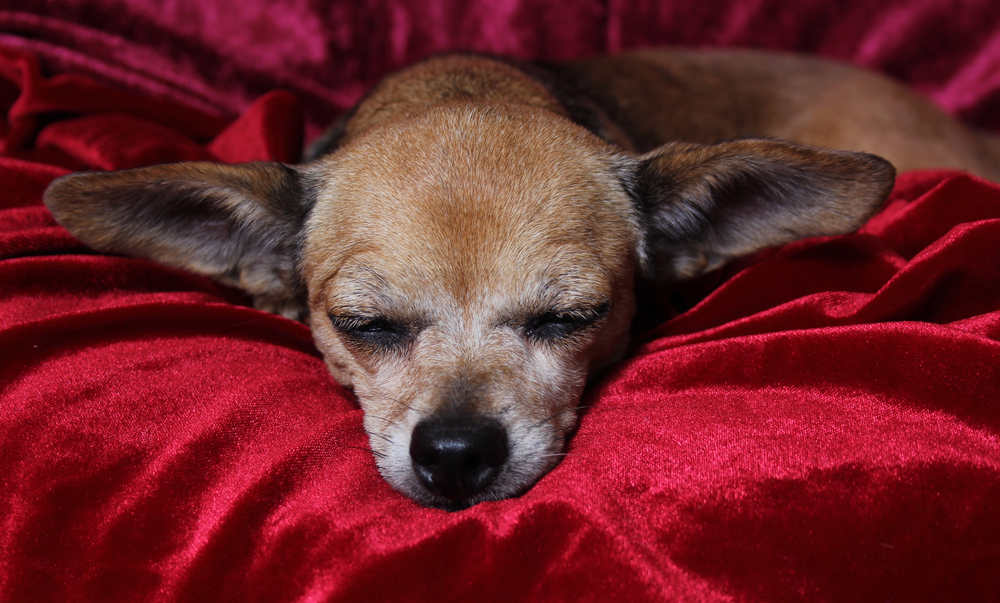
Chihuahuas enter their senior phase later than most breeds — typically between 9 and 12 years of age, with the transition often gradual rather than sudden. Their longer than average lifespan means that at 9 years old, a Chihuahua still has many good years ahead. This is importantly different from larger breeds, where senior status at 7 or 8 years often coincides with more significant physical decline.
For practical senior Chihuahua care purposes, most vets recommend beginning senior-oriented protocols from around age 8 — before obvious signs of ageing appear. Starting twice-yearly vet visits, comprehensive blood work, and dietary adjustments at this point means any developing conditions are caught at their most manageable stage. A Chihuahua at 8 years is not old — but preventive senior Chihuahua care started at 8 produces dramatically better outcomes than the same care started at 11 or 12 when problems are already established.
Signs of ageing to watch for
Recognising the early signs of ageing allows you to adapt senior Chihuahua care before conditions become serious. The most common age-related changes include:
- Greying muzzle and face — one of the earliest visible signs. The muzzle and area around the eyes typically grey first, followed by a more general lightening of the coat
- Reduced energy and exercise tolerance — tires more quickly, less interested in extended play or walks
- Stiffer movement after rest — particularly noticeable first thing in the morning or after long periods lying down. A sign of early joint changes or arthritis
- Increased sleep — normal in senior dogs. A Chihuahua that sleeps more than before is not necessarily unwell — sleep needs genuinely increase with age
- Reduced hearing or vision — gradual deterioration. Signs include not responding to sounds, startling more easily, bumping into objects, or hesitation in dim light
- Weight changes — both gain and loss are concerning. Weight gain from reduced activity and unchanged diet; unexplained weight loss may indicate systemic illness
- Increased thirst or urination — a significant warning sign for kidney disease, diabetes, or Cushing’s syndrome. Always investigate with your vet
- Behavioural changes — confusion, anxiety, altered sleep patterns, or apparent forgetfulness may indicate canine cognitive dysfunction
7 proven senior Chihuahua care tips
1. Switch to twice-yearly vet visits
The single most impactful change in senior Chihuahua care is moving from annual to six-monthly veterinary check-ups. Many of the most serious conditions affecting senior Chihuahuas — cardiac disease, kidney disease, hypothyroidism, and dental disease — develop gradually and are far more manageable when caught early. Twice-yearly visits should include comprehensive blood work, urinalysis, cardiac auscultation, weight monitoring, dental assessment, and a full physical examination. The incremental cost of more frequent vet visits is consistently less than the cost of treating conditions that have been allowed to progress undetected.
2. Transition to a senior-appropriate diet
Nutritional needs change with age. Senior Chihuahua care includes transitioning to a high-quality diet formulated for older small breed dogs — typically from around age 8 to 9. Senior formulations typically provide slightly reduced calories to manage the lower activity level of older dogs, higher quality and more bioavailable protein to maintain muscle mass, reduced phosphorus for kidney health, added joint support nutrients (glucosamine, chondroitin), and omega-3 fatty acids for joint and cognitive health. Avoid simply reducing the quantity of a standard adult food — this may leave nutritional deficiencies while not addressing the specific needs of an ageing dog.
3. Maintain gentle daily exercise
Daily gentle exercise remains essential in senior Chihuahua care — a Chihuahua that stops moving entirely will decline faster than one kept gently active. Two shorter walks per day (10 to 15 minutes each) rather than one longer walk maintains muscle strength, supports cardiovascular health, manages weight, and provides vital mental stimulation. Adjust pace and distance to your individual dog’s current ability and watch for signs of fatigue, lameness, or reluctance to continue. Swimming or hydrotherapy is an excellent low-impact option for senior Chihuahuas with joint problems.
4. Prioritise dental care more than ever
Dental disease is the most prevalent health issue in Chihuahuas at every age — and in senior dogs, its consequences compound significantly. Bacteria from advanced dental disease damage the kidneys, liver, and heart muscle — organs that are already under greater age-related stress in a senior dog. Daily tooth brushing, regular dental chews, and professional dental cleans every 12 to 18 months are central to good senior Chihuahua care. See our dedicated Chihuahua dental care guide for the complete approach.
5. Support joint health proactively
Patellar luxation and arthritis are common in senior Chihuahuas. Proactive joint support — started before symptoms appear — is one of the most valuable investments in senior Chihuahua care. Glucosamine and chondroitin supplements have good evidence for reducing joint inflammation and slowing cartilage degradation. Omega-3 fatty acids (from fish oil) have anti-inflammatory properties that support joint health. Orthopedic dog beds distribute pressure more evenly and reduce morning stiffness. Ramps to the sofa or bed reduce the jump-landing impact on joints. These modest adjustments compound significantly over years.
6. Adapt the home environment
Senior Chihuahua care includes making the home more comfortable and navigable for an ageing dog. Key adaptations include: non-slip mats on hard floors to prevent slipping and falling (a serious risk for a small dog with stiff joints), ramps or steps to favourite resting spots to reduce jumping, raised food and water bowls to reduce neck strain, warmer bedding and a draught-free sleeping area (senior Chihuahuas feel the cold more intensely than younger dogs), and night lights for dogs with deteriorating vision.
7. Monitor weight rigorously
Weight management is one of the most impactful elements of senior Chihuahua care. A senior Chihuahua that is even half a pound overweight is carrying a disproportionate burden on their joints, heart, and kidneys. Weigh your Chihuahua monthly at home using a baby scale and keep a log. Adjust food quantities precisely as activity levels change. Any unexplained weight loss — particularly if the dog is eating normally or has increased appetite — requires veterinary investigation promptly, as it can indicate serious systemic disease.
Health conditions most common in senior Chihuahuas
These are the conditions most likely to affect your Chihuahua’s health during their senior years. Regular vet visits and attentive daily observation are the most effective tools for early detection of each:
- Mitral valve disease (MVD) — the leading cause of death in the breed. Twice-yearly cardiac auscultation detects the characteristic murmur early, allowing timely medication
- Dental disease — affects the vast majority of senior Chihuahuas and drives secondary organ damage if untreated
- Chronic kidney disease — increasingly common from middle age onward. Annual blood work catches it early when dietary management is most effective
- Hypothyroidism — underactive thyroid causing weight gain, lethargy, and skin changes. Diagnosed via blood test, managed with daily medication
- Arthritis — joint inflammation particularly affecting the patella and spine. Managed with supplements, weight control, and veterinary pain relief when needed
- Tracheal collapse — worsens with age and obesity. Using a harness rather than a collar throughout life significantly reduces severity
- Cataracts and visual impairment — gradual vision loss is common. Most dogs adapt well with a consistent home environment
For a complete overview of health conditions at every life stage, see our comprehensive Chihuahua health problems guide.
Cognitive health and canine dementia
Canine cognitive dysfunction (CCD) — the dog equivalent of Alzheimer’s disease — is increasingly recognised in senior dogs including Chihuahuas from around age 11 onwards. Signs include apparent confusion or disorientation in familiar environments, staring at walls or into space, getting stuck in corners, changed sleep patterns (awake at night, sleeping more in the day), reduced interest in interaction, and apparent forgetfulness of previously learned behaviours.
CCD cannot be cured but can be managed to slow progression and maintain quality of life. Keeping the environment consistent and predictable, maintaining mental stimulation through gentle training and puzzle toys, veterinary-prescribed supplementation (selegiline is licensed for CCD in dogs in the US), and omega-3 supplementation all support cognitive health in senior Chihuahuas. If you notice any of the above signs in your older dog, raise them with your vet promptly — early intervention produces meaningfully better outcomes than waiting for the condition to advance.
Maintaining quality of life in senior Chihuahuas
The goal of senior Chihuahua care is not simply to extend lifespan — it is to maintain quality of life throughout the senior years. A Chihuahua that is pain-free, mentally engaged, socially connected with their person, and physically comfortable is a Chihuahua who is genuinely thriving in old age. Small daily investments — a comfortable bed, daily gentle walks, monthly weight checks, twice-yearly vet visits, consistent dental care — compound into years of quality life that neither owner nor dog would otherwise enjoy.
At Chihuvas, we are available to all our puppy families throughout their dog’s life — not just in the puppy phase. If you have questions about your senior Chihuahua, get in touch with our team and we are happy to advise. Browse our available puppies if you are considering adding a new companion to your family.
Common questions about senior Chihuahua care
A Chihuahua from Chihuvas is a lifelong relationship.
We support our families at every stage — from puppy to senior. AKC-registered, health-tested, Michigan’s most trusted Chihuahua breeder.
View available puppies →